





AI's Emotional Intelligence Revolution: How ChatGPT is Rewriting User Interaction Paradigms
- Personalization and accessibility emerge as critical battlegrounds in AI platform development











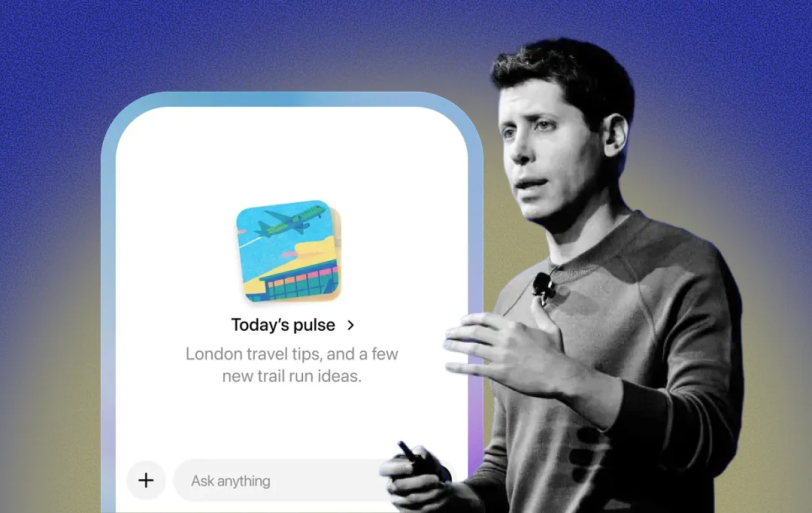
/socialsamosa/media/media_files/2025/12/22/22-2025-12-22-11-36-28.jpg)






Overview
The landscape of artificial intelligence is undergoing a profound transformation, with conversational AI now confronting its most complex challenge yet: emotional nuance and user-specific interaction. OpenAI's recent developments reveal a critical pivot from one-size-fits-all AI models to highly personalized, context-aware communication platforms.
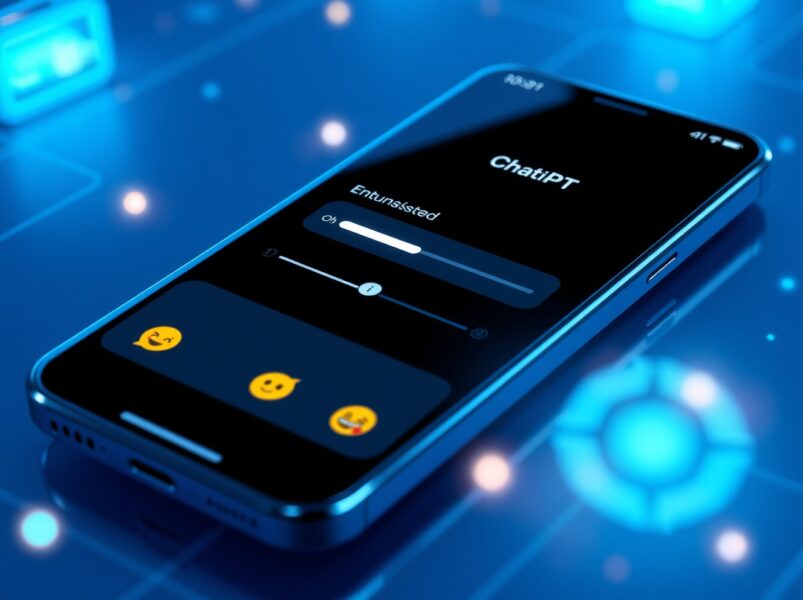
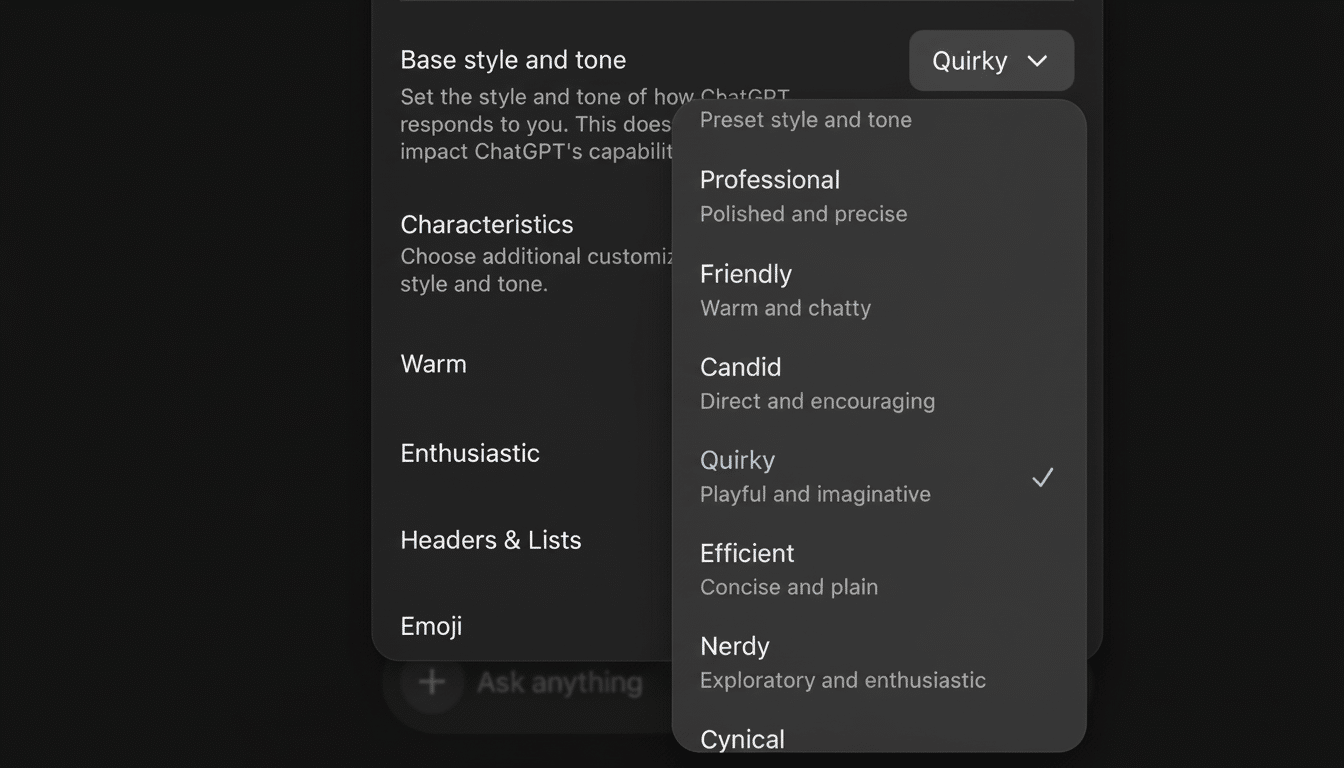
Personalization emerges as the core strategic battleground, with OpenAI introducing granular controls that allow users to directly adjust ChatGPT's enthusiasm, warmth, and communication style. This isn't merely a technical update—it represents a fundamental reimagining of how AI interfaces with human emotion and communication preferences. The introduction of customization options like "More", "Less", and "Default" settings signals a profound understanding that different users, especially those with neurodevelopmental conditions, require fundamentally different interaction models.
The most striking insight comes from the neurodivergent user community's response. A survey of 645 respondents showed that 95% could not find an adequate replacement for GPT-4o, with 65% considering the model essential for managing their disability. This statistic transforms AI from a technological tool to a critical accessibility platform. The Keep4o community's passionate advocacy—even sending a letter to Delaware's Attorney General comparing the model's potential removal to replacing a service animal—underscores the deeply personal relationship emerging between users and AI.
OpenAI's iterative approach reveals a sophisticated strategy: continuously refine interaction models based on user feedback, addressing concerns about addictive behaviors and mental health impacts. By allowing users to configure emoji usage, communication warmth, and interaction style, the company is essentially democratizing AI's emotional intelligence. This represents more than a feature update—it's a recognition that AI must adapt to human diversity, not force humans to adapt to AI's limitations.
The broader implication is transformative: AI is evolving from a transactional technology to an empathetic, adaptive communication partner. Platforms that can most effectively personalize and respect individual communication needs will define the next generation of human-AI interaction.
Questions 3
What are the potential long-term implications of AI personalization?
AI personalization signals a fundamental transformation in human-technology interaction. By allowing granular customization of communication styles, platforms like ChatGPT are moving towards adaptive, empathetic interfaces that respect individual communication needs, potentially revolutionizing how diverse user groups interact with technology.
How are OpenAI's new personalization features different from previous AI interaction models?
Unlike previous one-size-fits-all approaches, OpenAI now allows users to directly configure ChatGPT's communication style, enthusiasm level, and emotional warmth. This represents a shift from static AI interactions to dynamic, user-responsive communication platforms that can adapt to individual preferences and neurodevelopmental needs.