


India-New Zealand Trade Deal Exposes Diplomatic Friction in Economic Partnership
- Reveals complex negotiation dynamics between emerging market economies and agricultural powerhouses

)







)
Overview
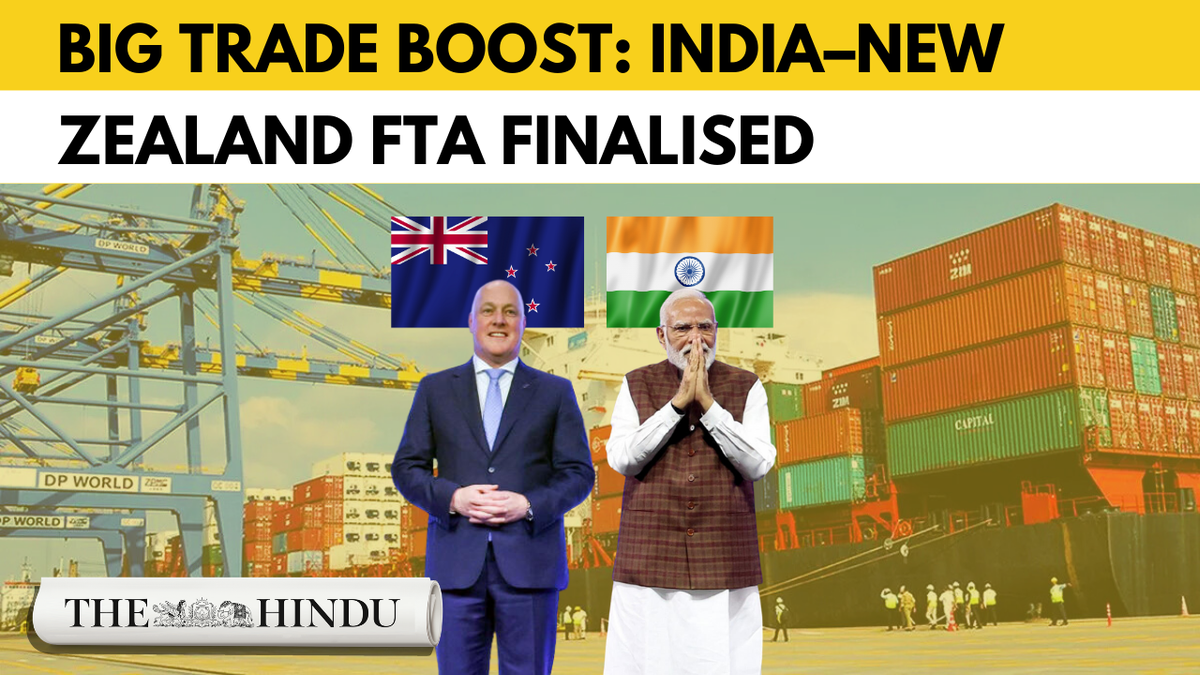
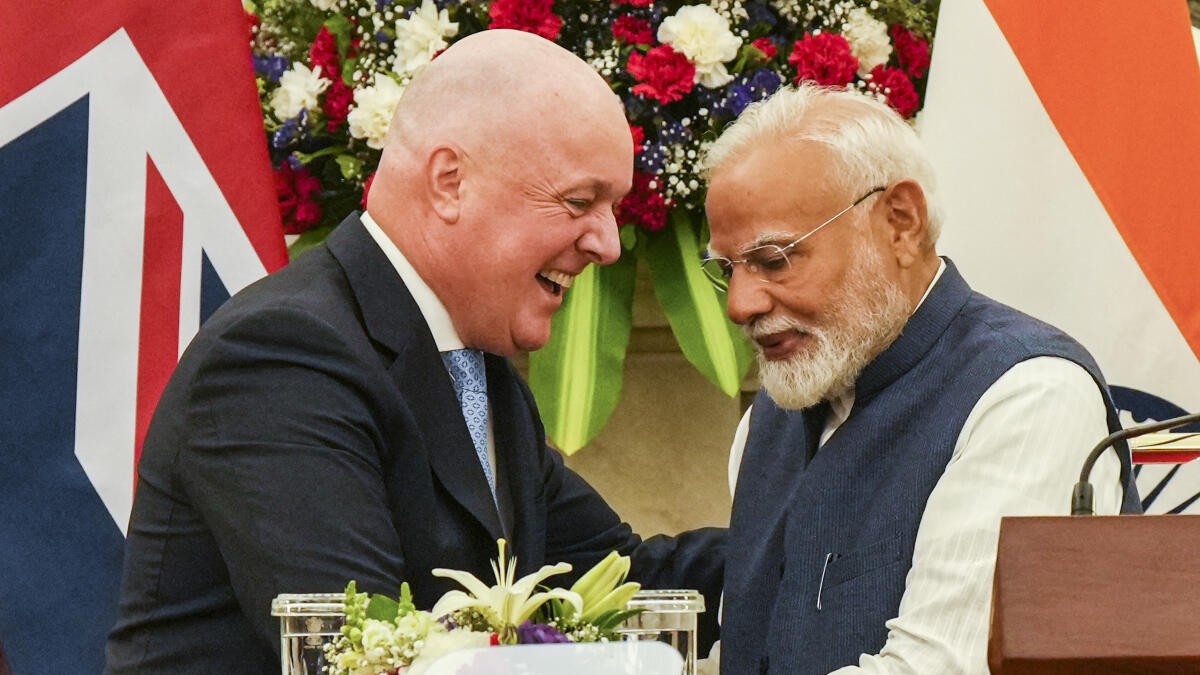
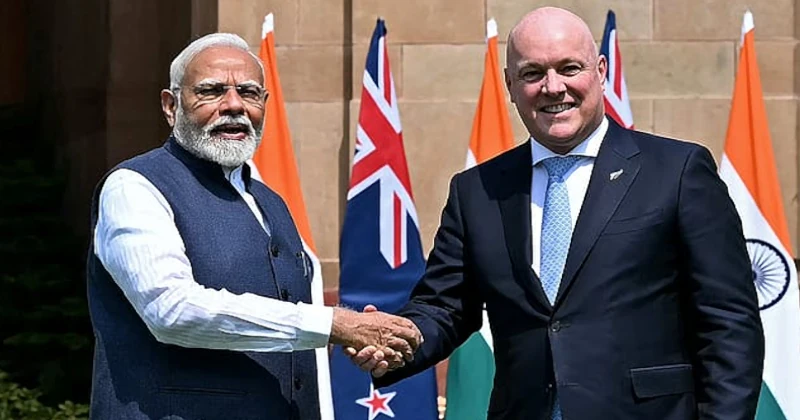
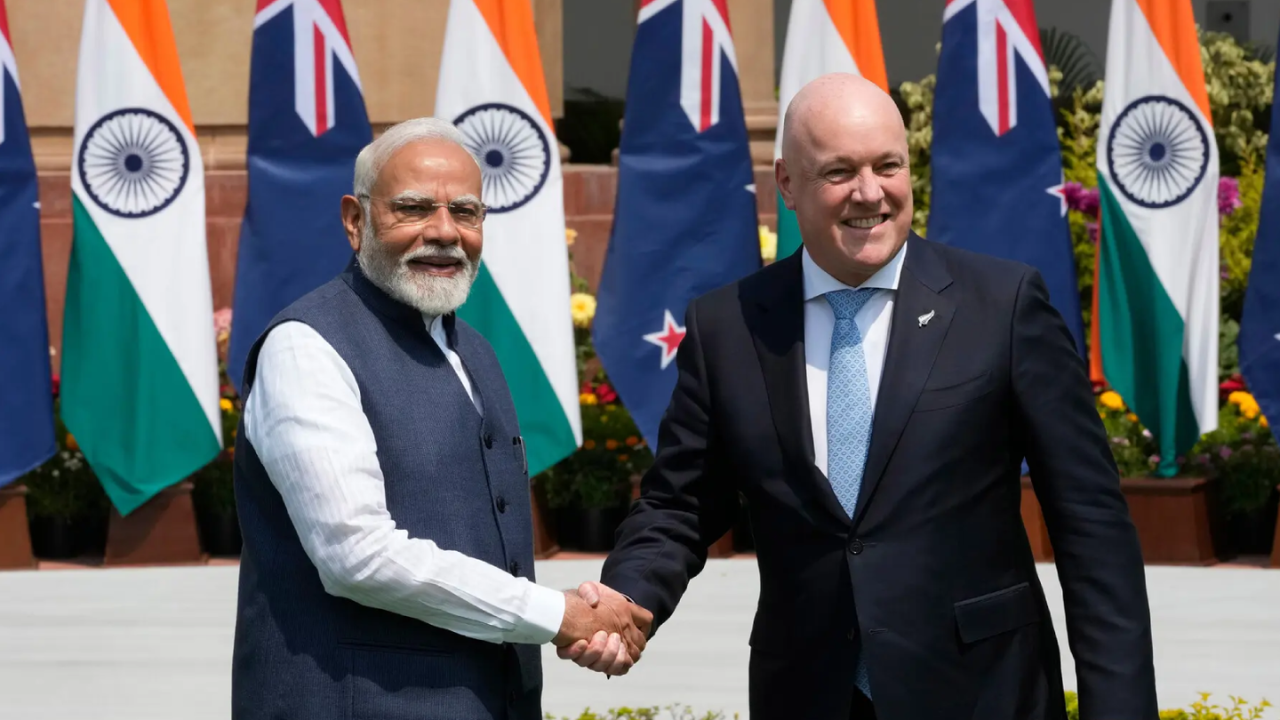
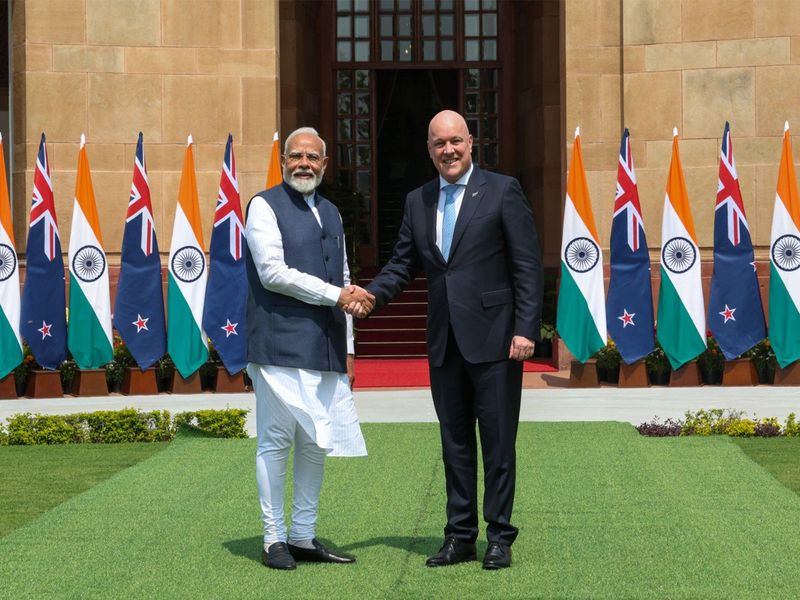
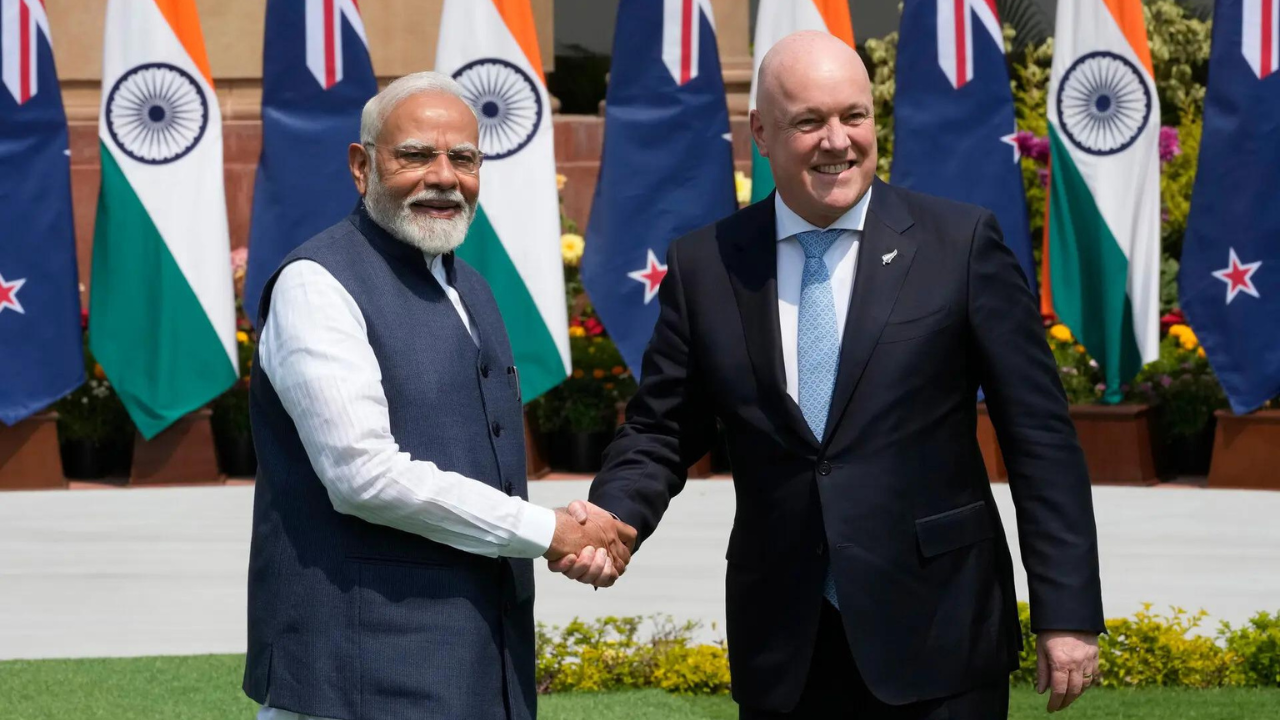
The recently announced India-New Zealand Free Trade Agreement represents a pivotal moment in bilateral economic relations, exposing deep structural tensions beneath seemingly cooperative diplomatic overtures. At the core of this development lies a fundamental disagreement about market access and economic reciprocity that threatens to undermine the entire trade framework.
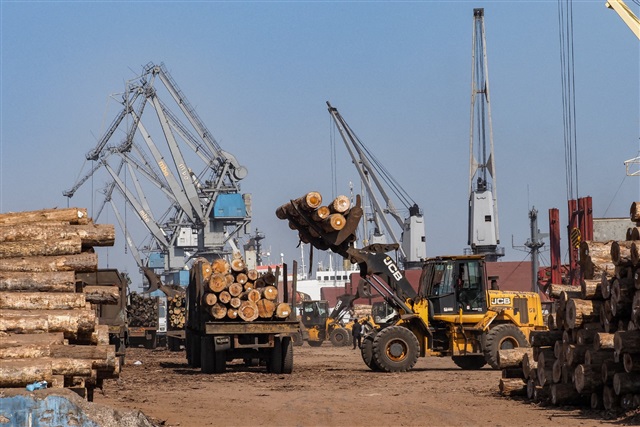
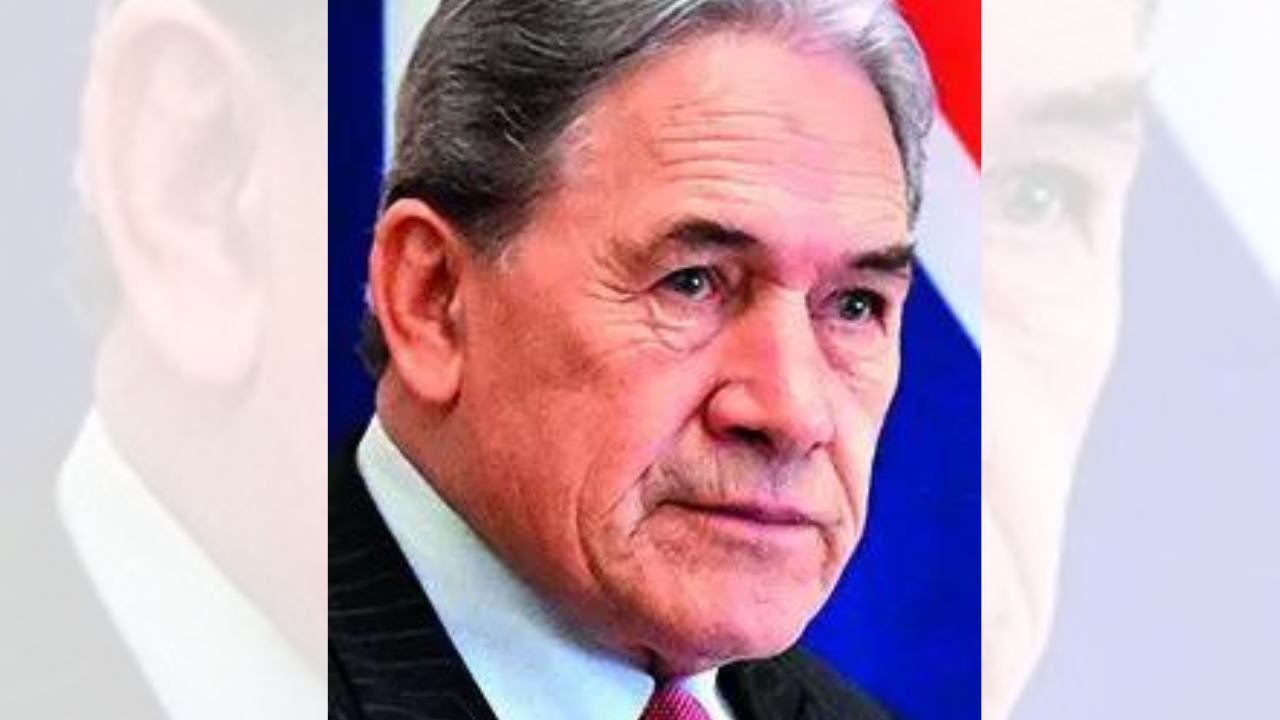
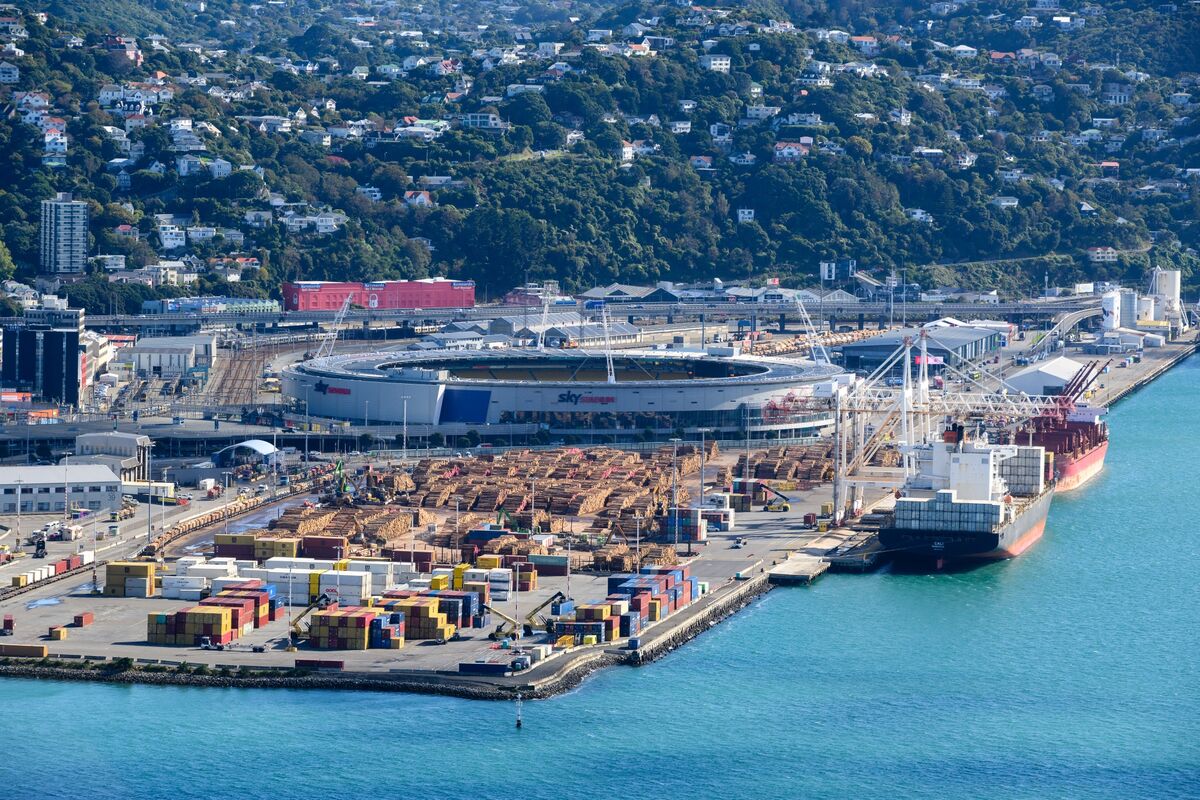
New Zealand's Foreign Minister Winston Peters' stark criticism reveals the deal's underlying complexities. With dairy exports constituting nearly 30% of New Zealand's total goods exports (approximately 13.94 billion), the agreement's failure to adequately address tariff barriers represents a strategic vulnerability. Peters argues that New Zealand has offered disproportionate concessions, particularly in labor market access and immigration provisions, without receiving commensurate economic advantages.
The trade deal's nuanced landscape becomes evident through two competing narratives. On one side, New Zealand sees potential for broader investment opportunities in India, signaling a forward-looking approach to international economic collaboration. On the other, internal political friction—exemplified by New Zealand First's "agree to disagree" stance—highlights the deal's contentious nature. This tension suggests that while both countries desire stronger economic ties, the specific implementation remains deeply problematic.
For cross-border sellers and investors, the agreement signals a complex environment. The potential for reduced trade barriers and streamlined import-export processes exists, but comes with significant caveats. The mixed reactions from key stakeholders like Fonterra demonstrate that sector-specific impacts vary dramatically, requiring nuanced strategic approaches.
Ultimately, this trade agreement represents more than a bilateral economic instrument—it's a microcosm of emerging market negotiations, where historical economic asymmetries and strategic national interests collide. The deal's future implementation will likely depend on continued diplomatic negotiation and sector-specific refinements.
Questions 3
How does this trade agreement reflect broader economic diplomacy trends?
The agreement demonstrates the complex negotiations between emerging market economies, where strategic national interests and historical economic asymmetries create challenging diplomatic landscapes. It reveals that modern trade deals involve intricate balancing of labor, immigration, and sector-specific economic considerations.
What are the potential opportunities for cross-border sellers in this trade agreement?
The deal suggests potential for reduced trade barriers and more streamlined import-export processes between New Zealand and India. However, opportunities vary by sector, with mixed reactions from stakeholders indicating a need for nuanced market entry strategies.