


India-New Zealand Trade Deal Exposes Diplomatic Friction in Global Economic Realignment
- Reveals complex negotiation dynamics in cross-border economic partnerships for emerging markets








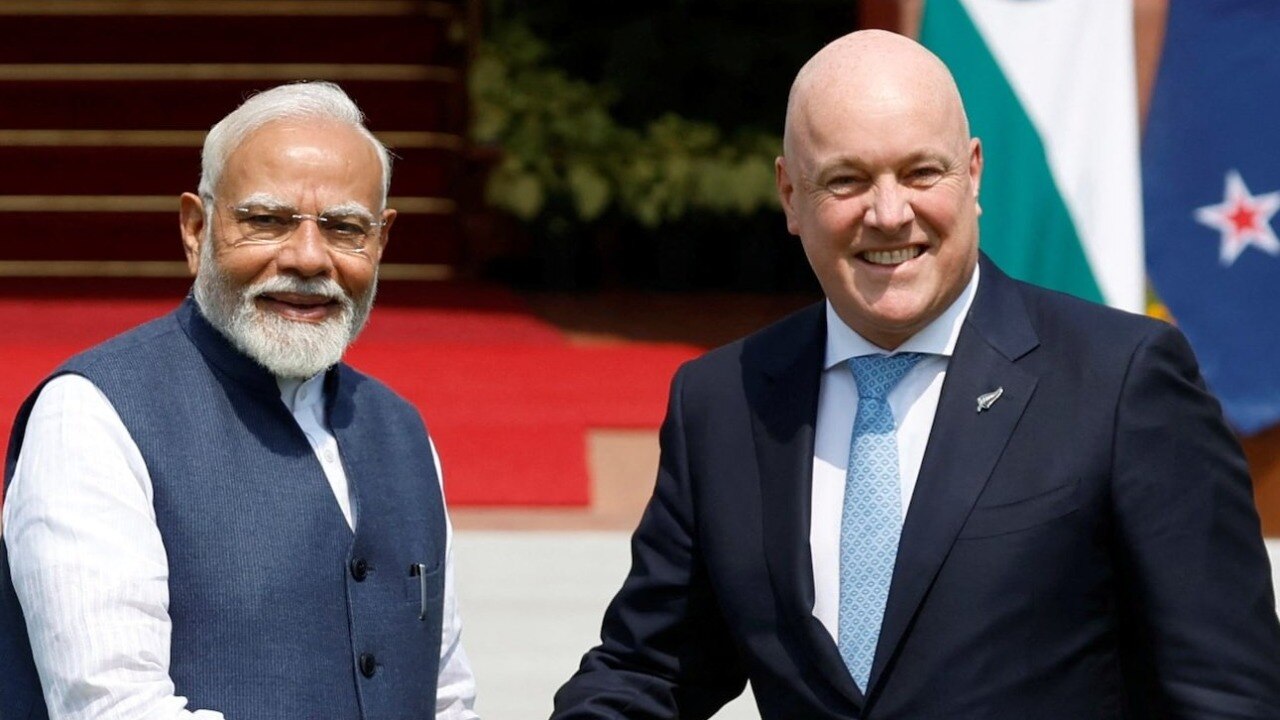


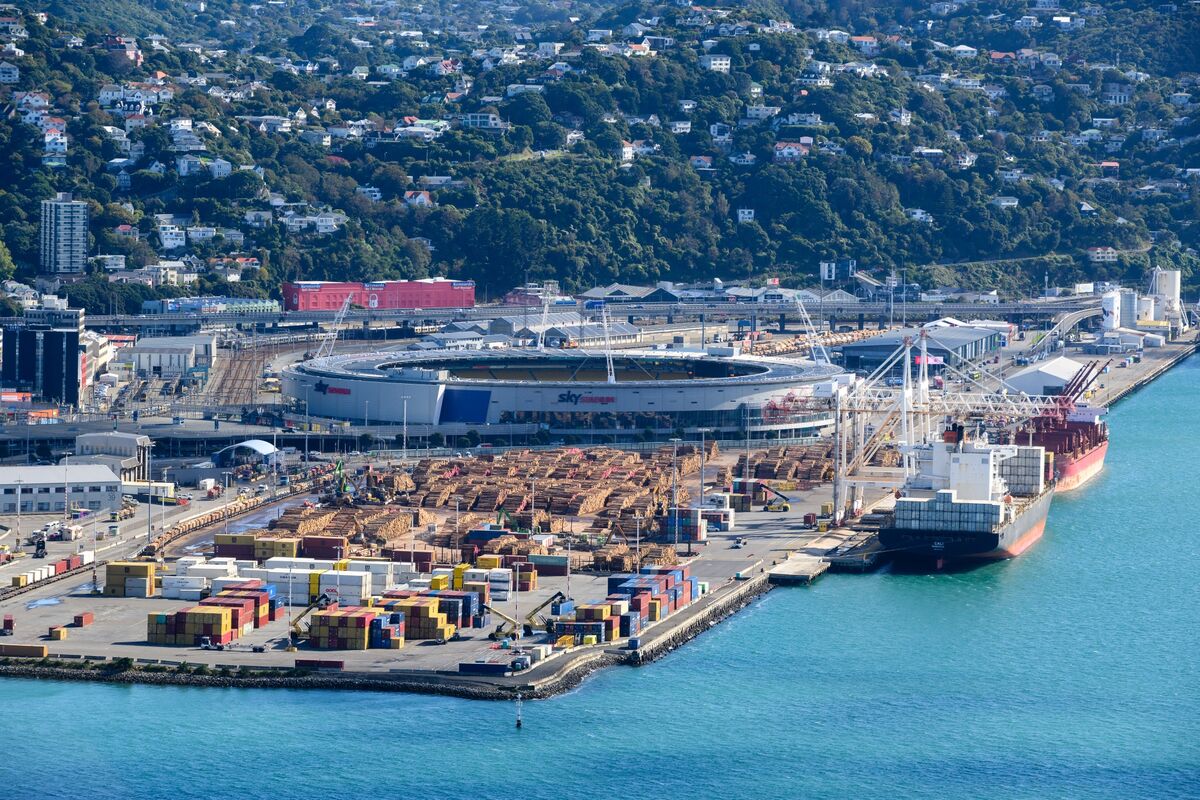
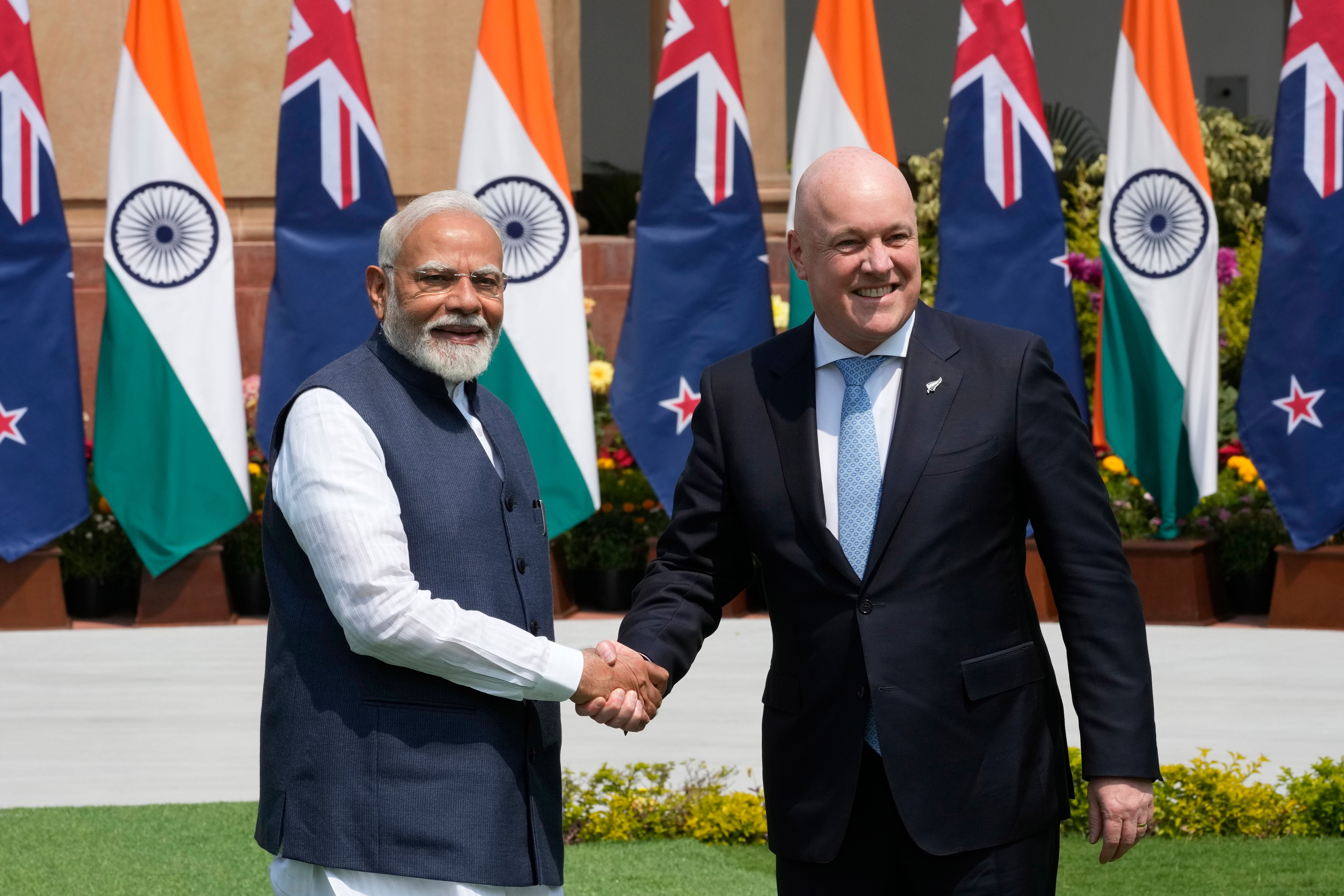
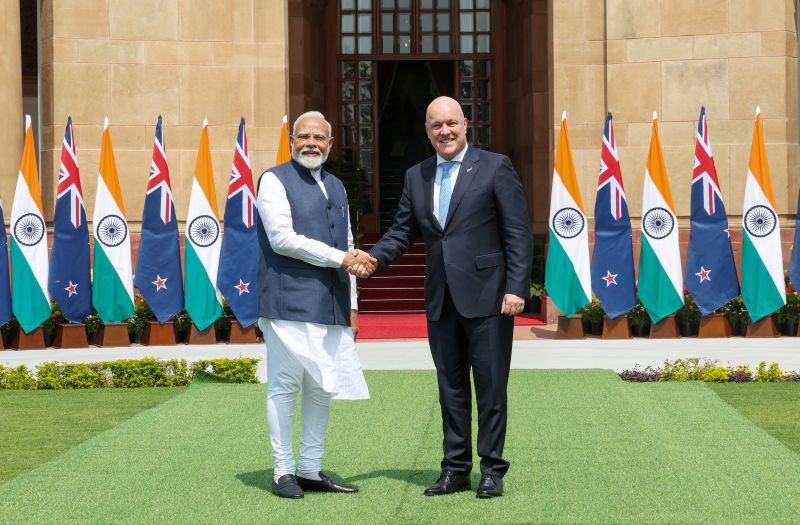













)



















Overview
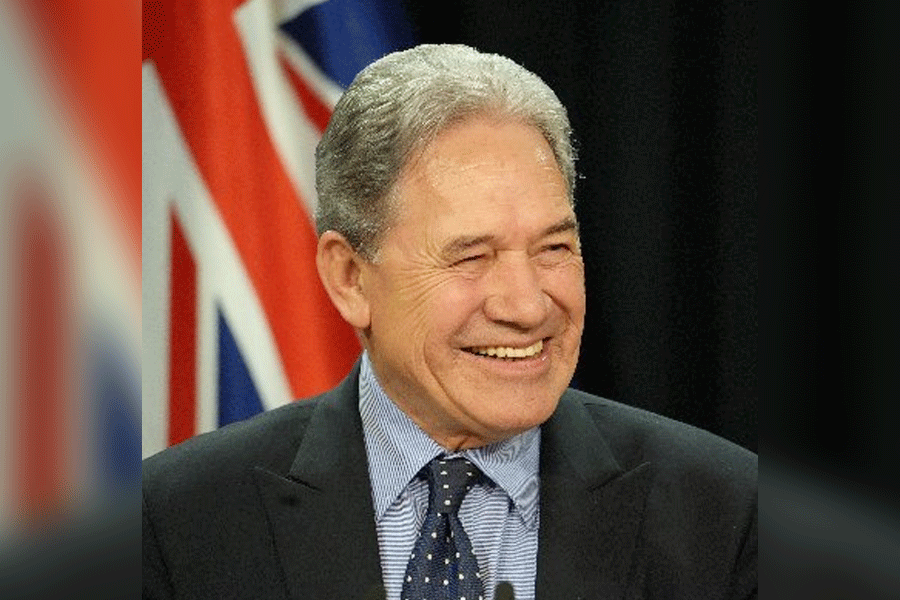
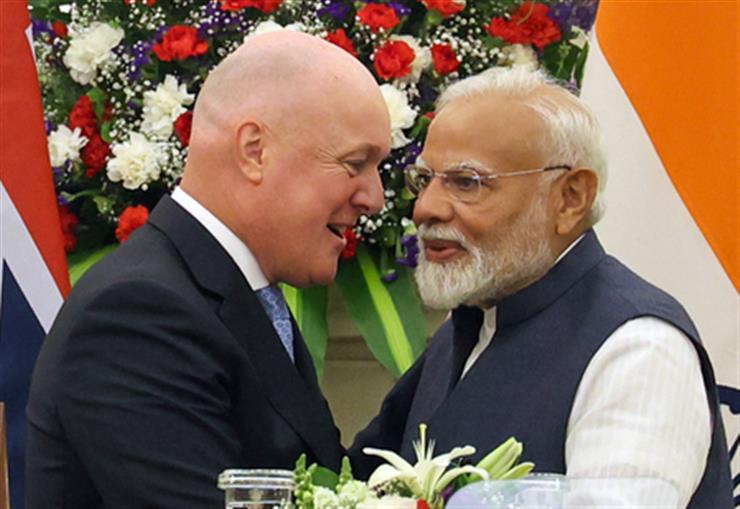
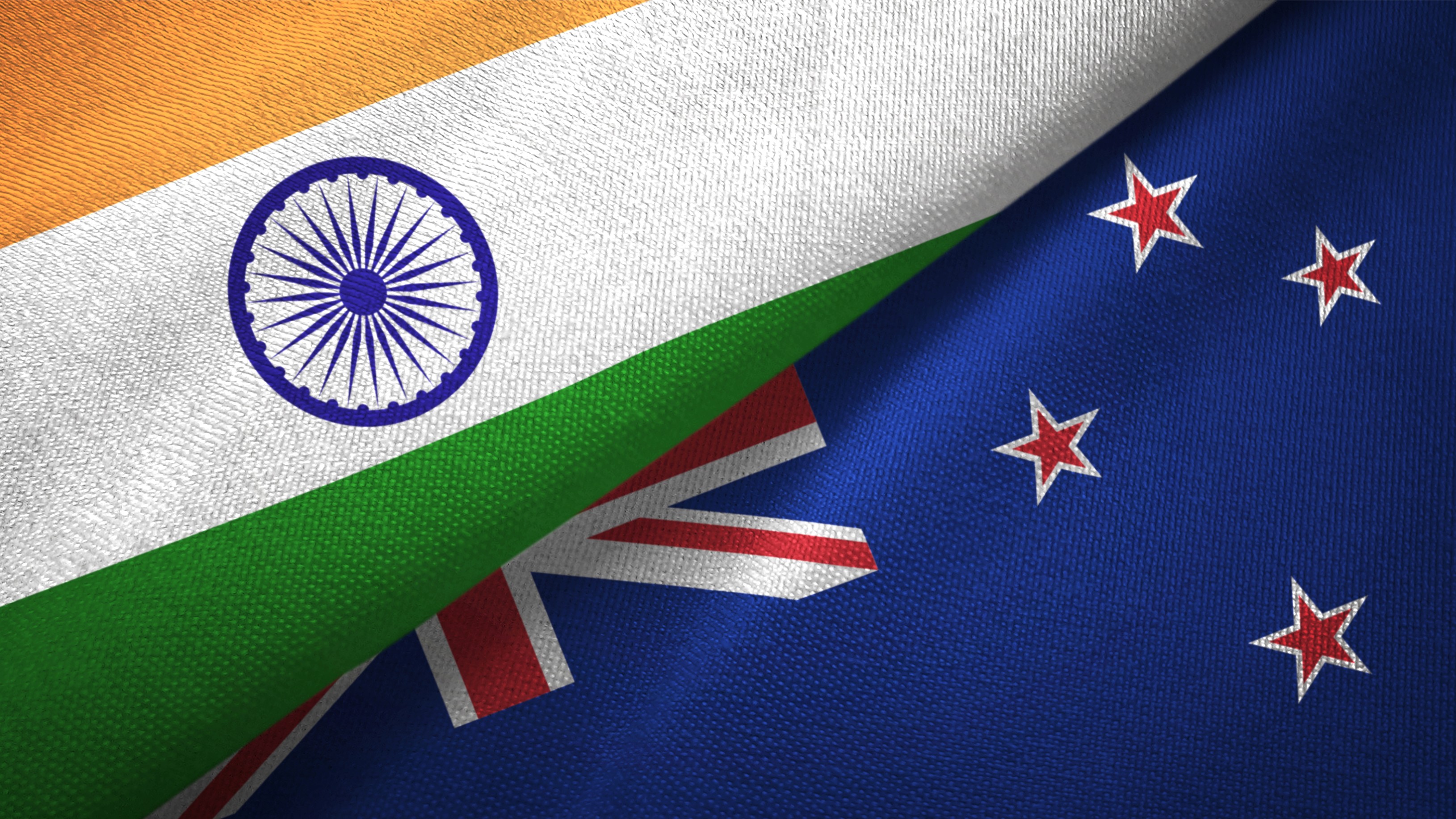
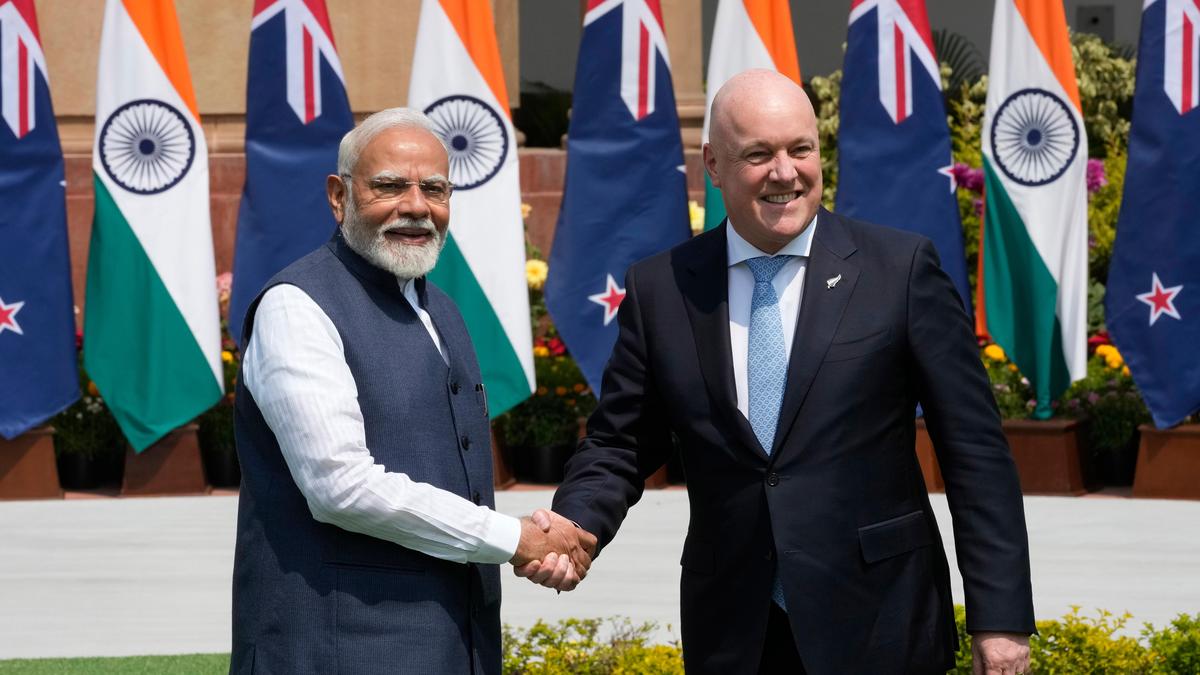
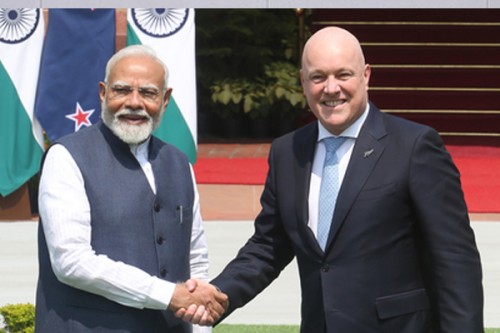
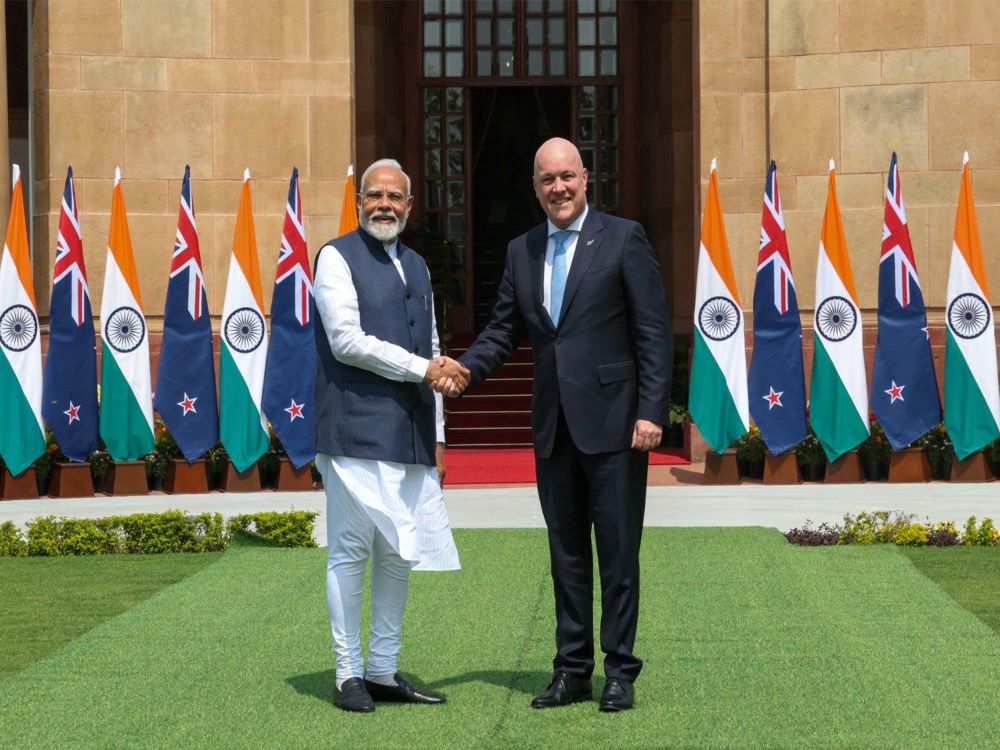
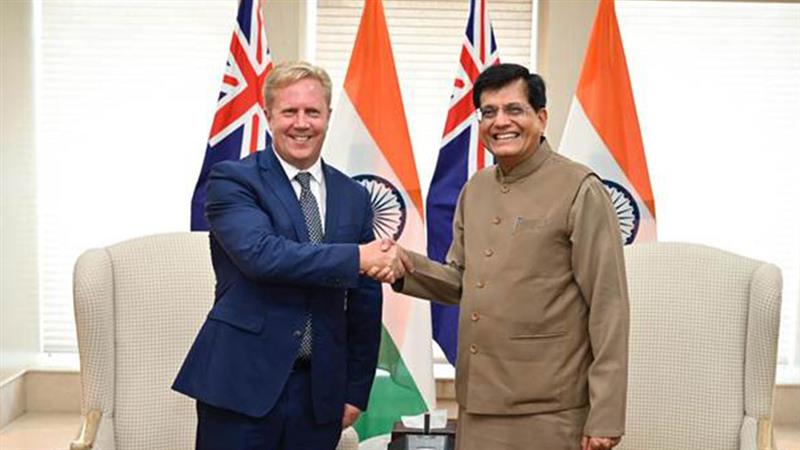
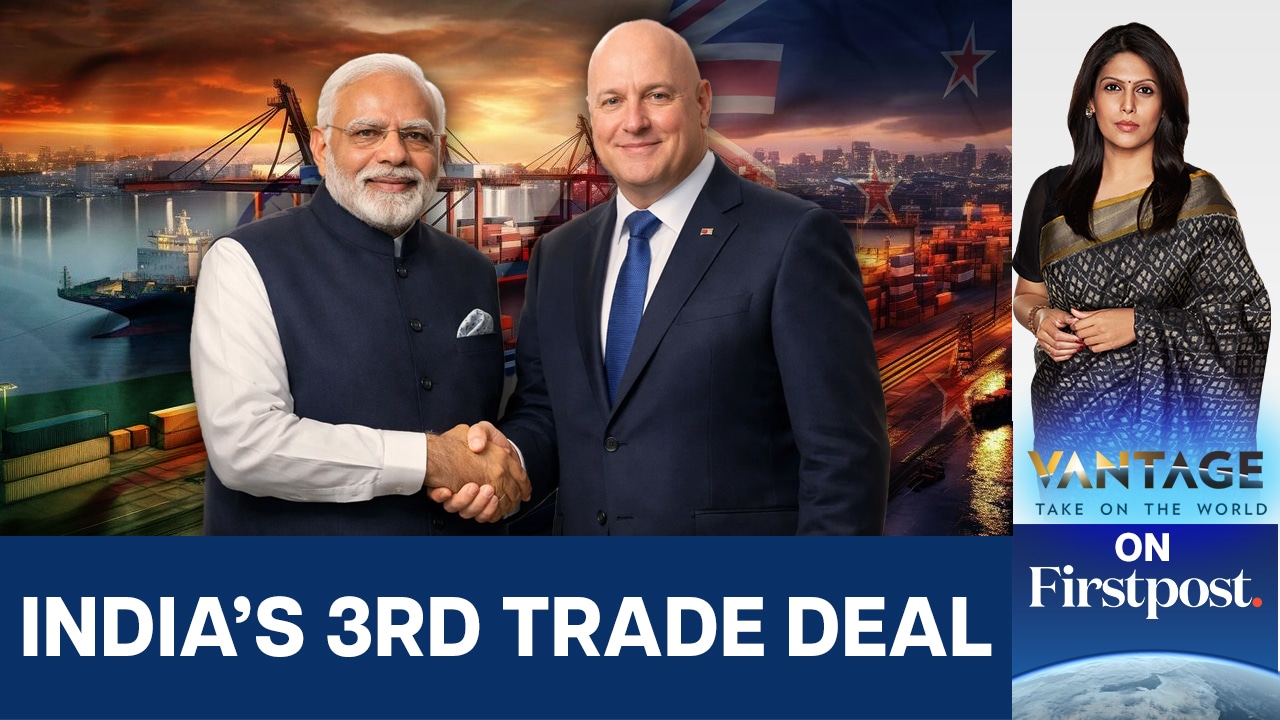
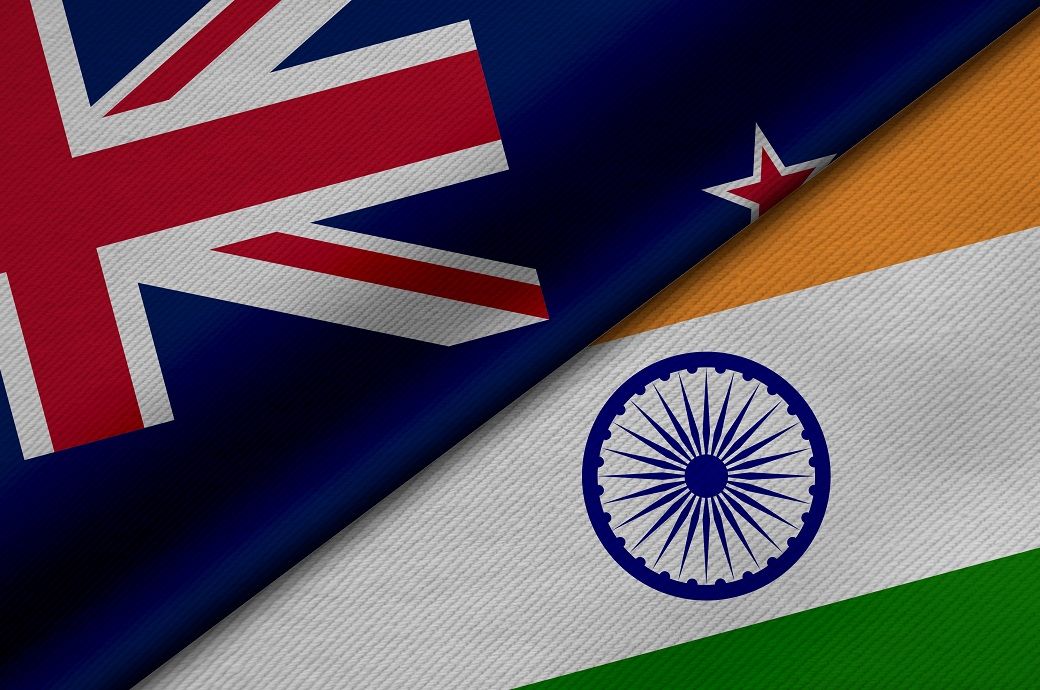
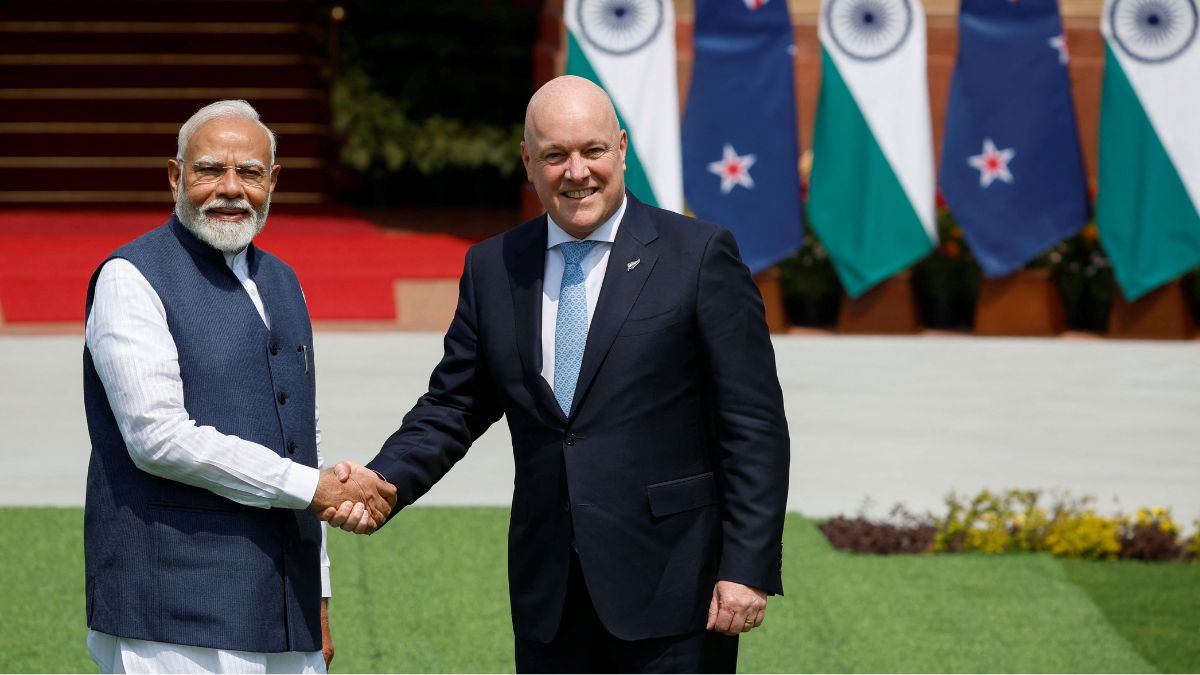
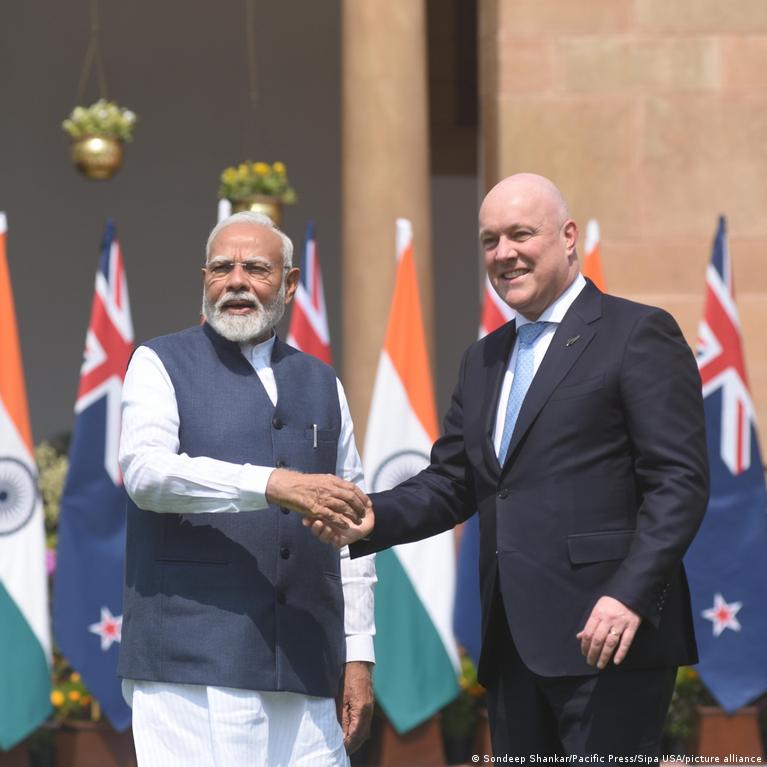
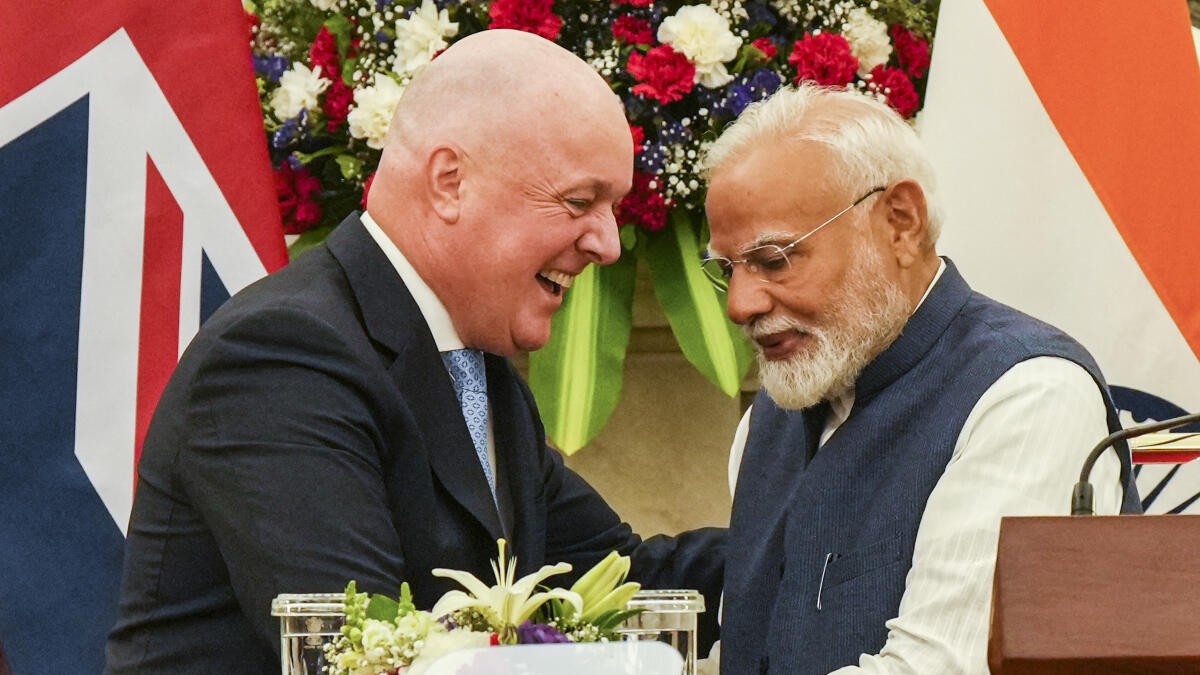
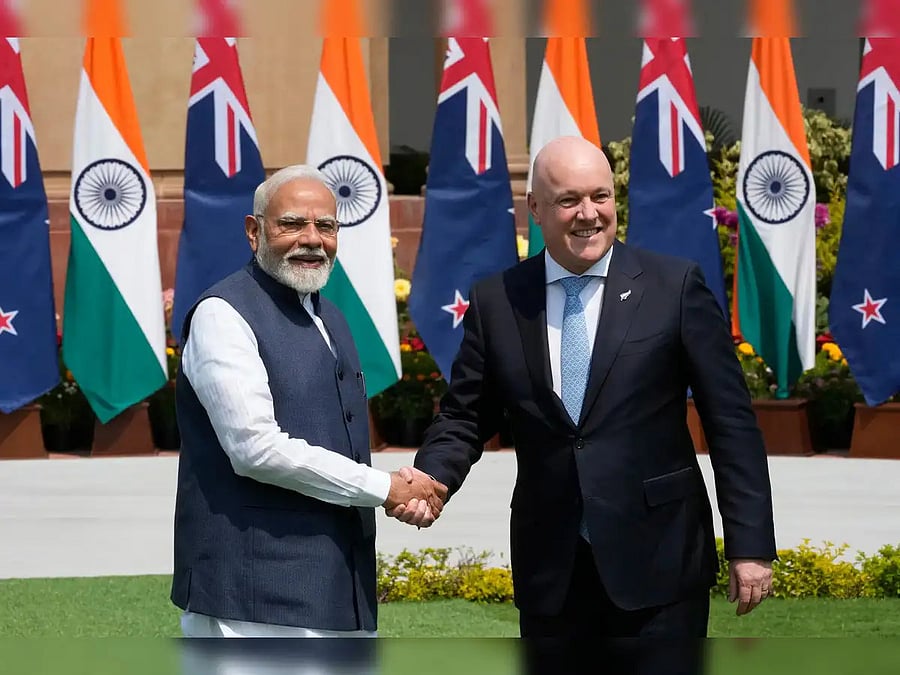
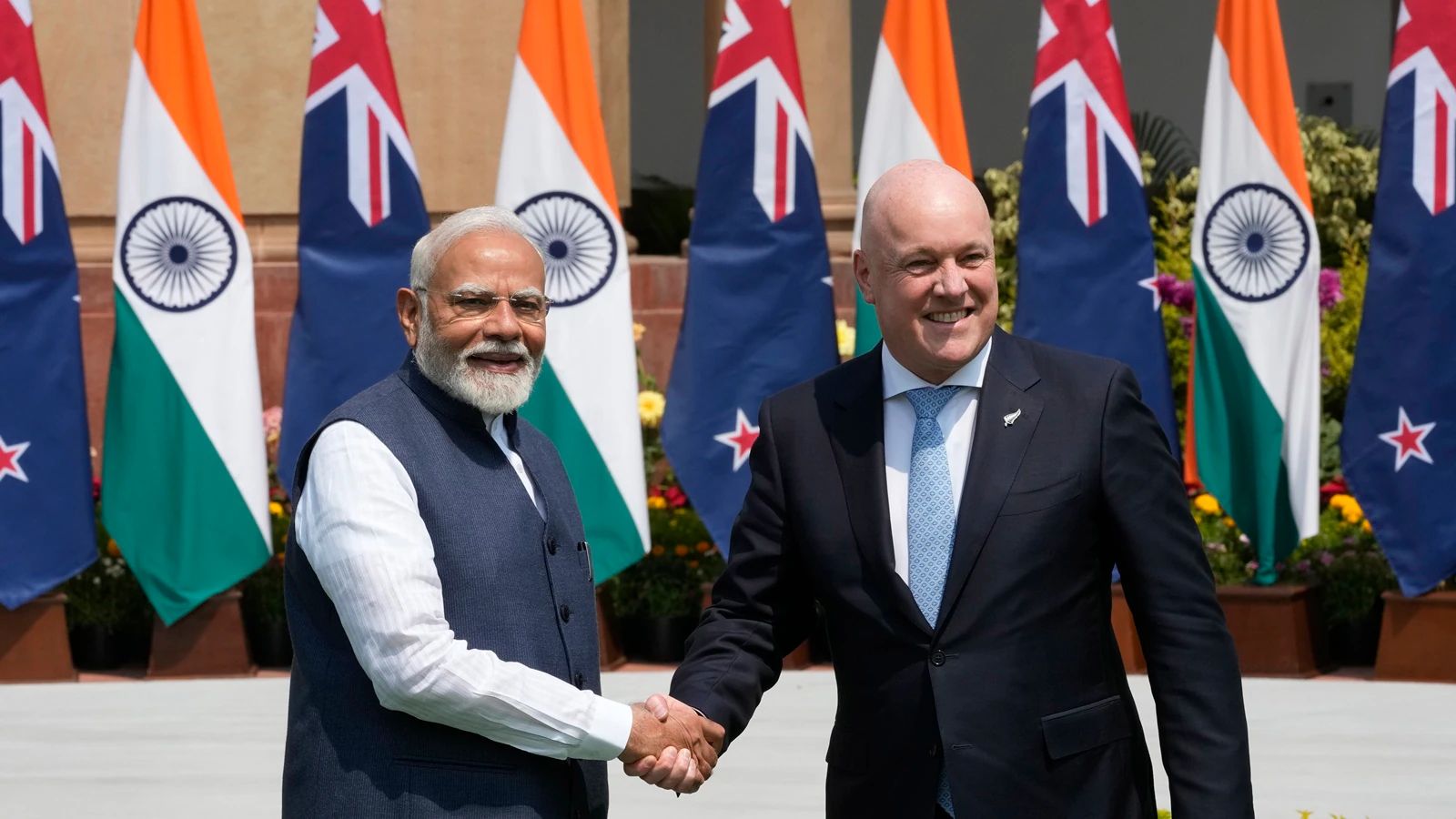
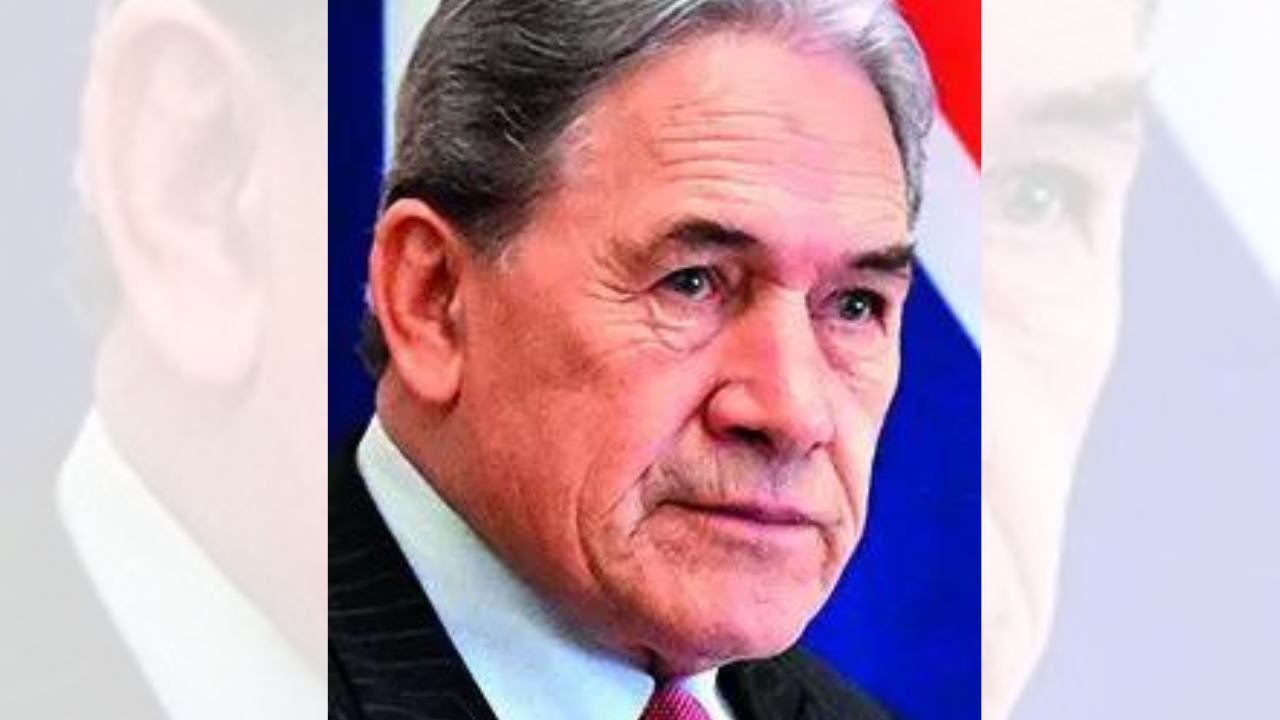
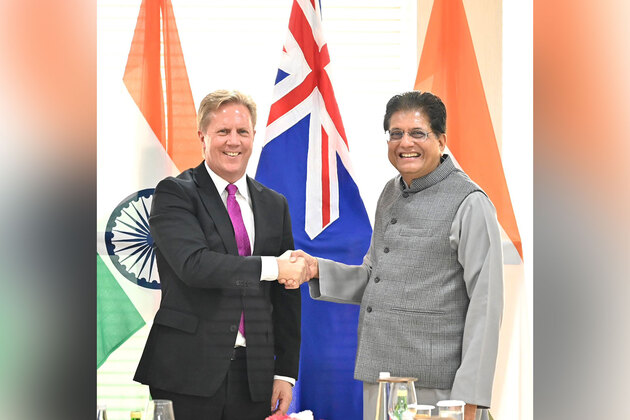
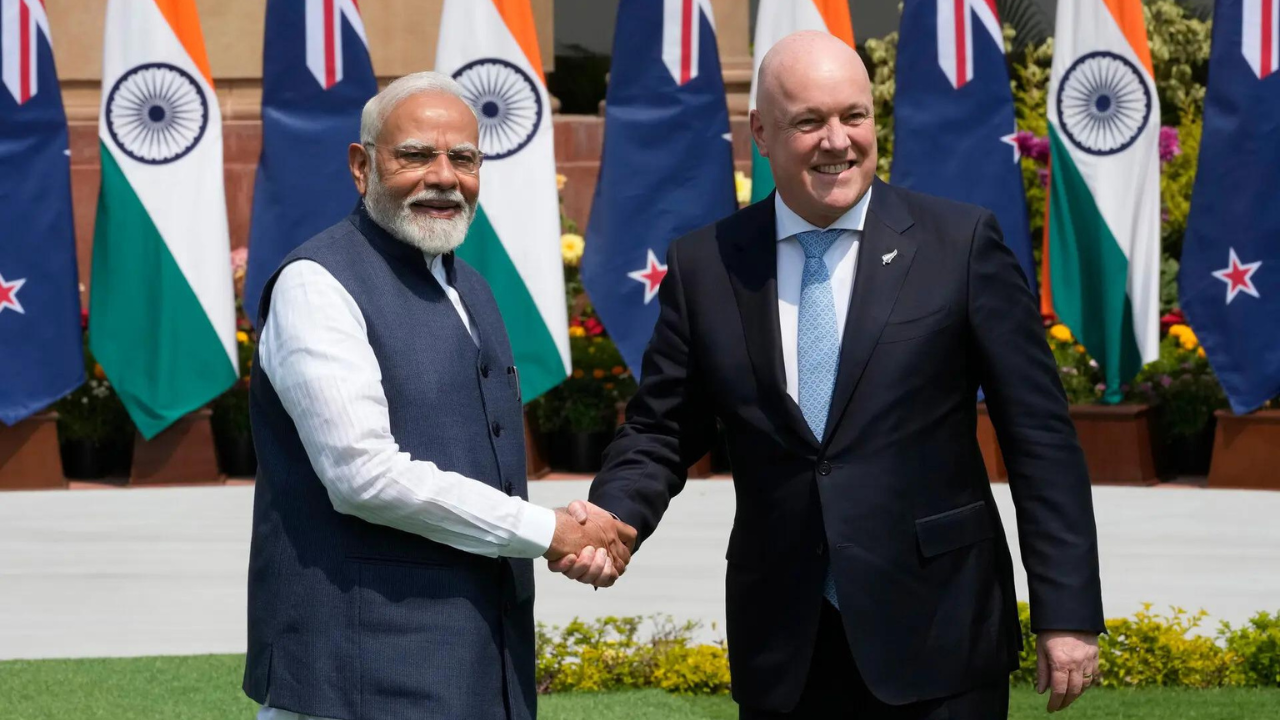
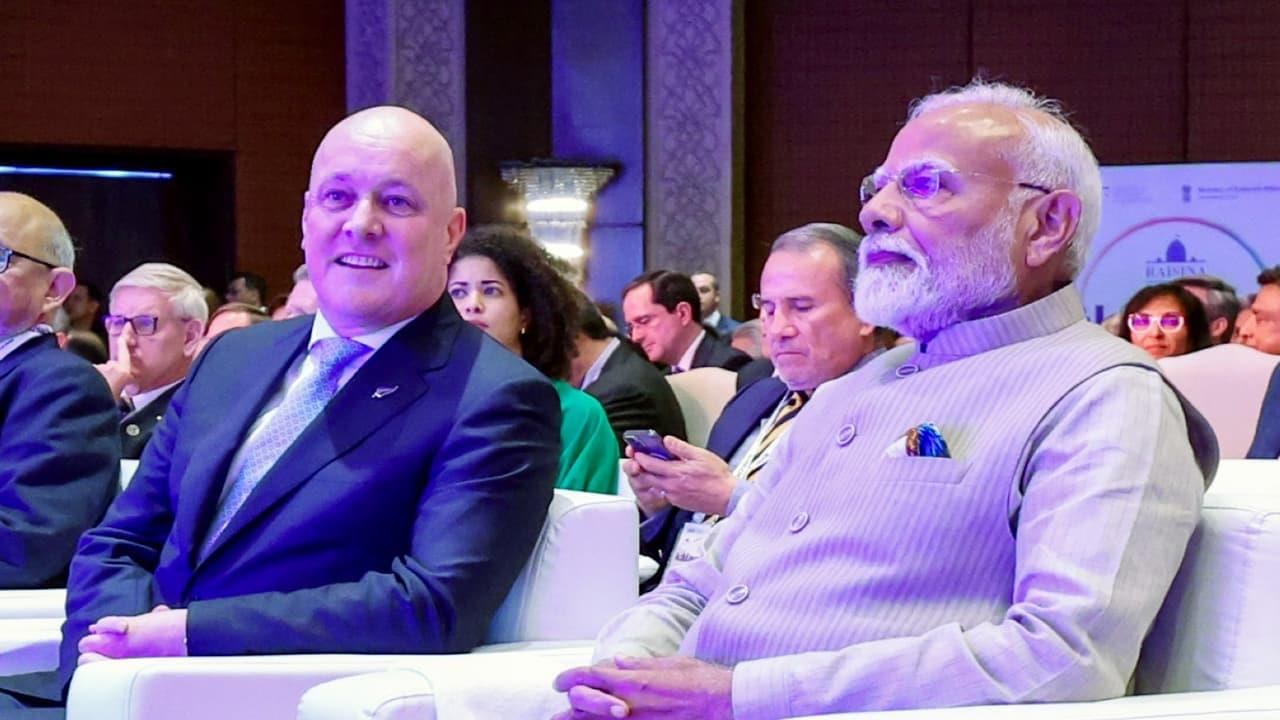
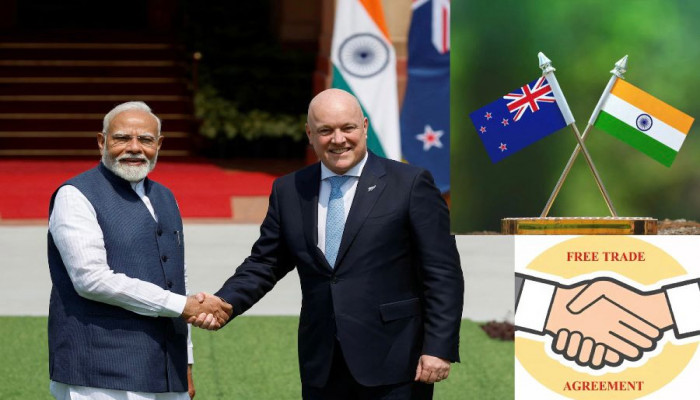
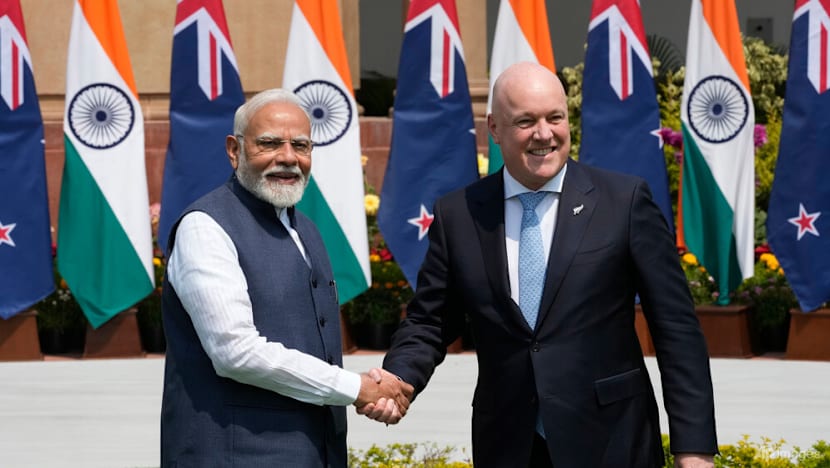
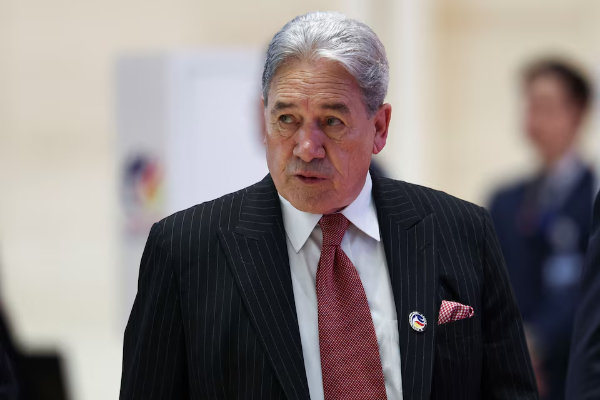
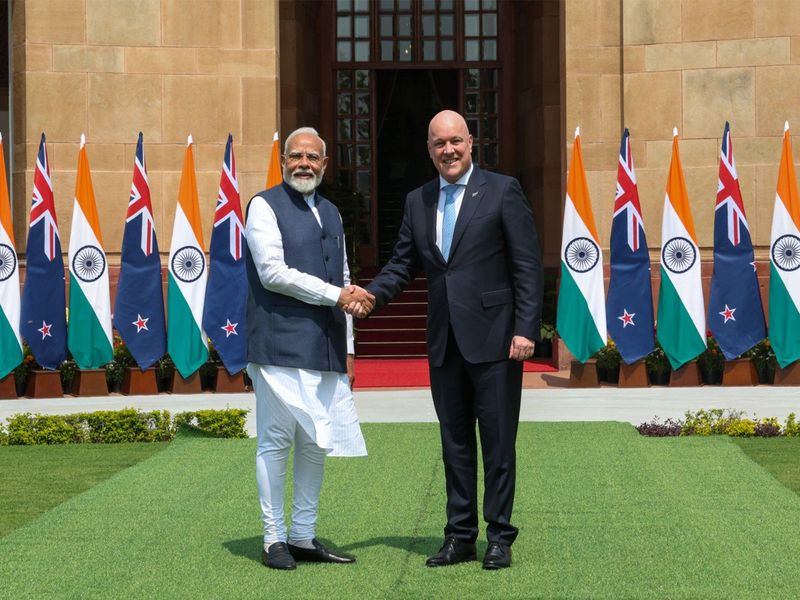
The recently announced India-New Zealand Free Trade Agreement represents a pivotal moment in bilateral economic relations, exposing the intricate challenges of modern international trade negotiations. At the core of this development lies a profound tension between strategic partnership and economic self-interest, with New Zealand's Foreign Minister Winston Peters dramatically labeling the agreement a "bad deal" that fundamentally disadvantages his country's economic prospects.
Strategic Misalignment in Trade Negotiations: The agreement highlights a critical disconnect between national economic priorities. New Zealand, despite offering significant labor market access to India, finds itself unable to secure meaningful benefits for its crucial dairy export sector. With dairy exports representing nearly 30% of the country's total goods exports (approximately 13.94 billion in value), the failure to address tariff barriers represents a substantial strategic miscalculation.
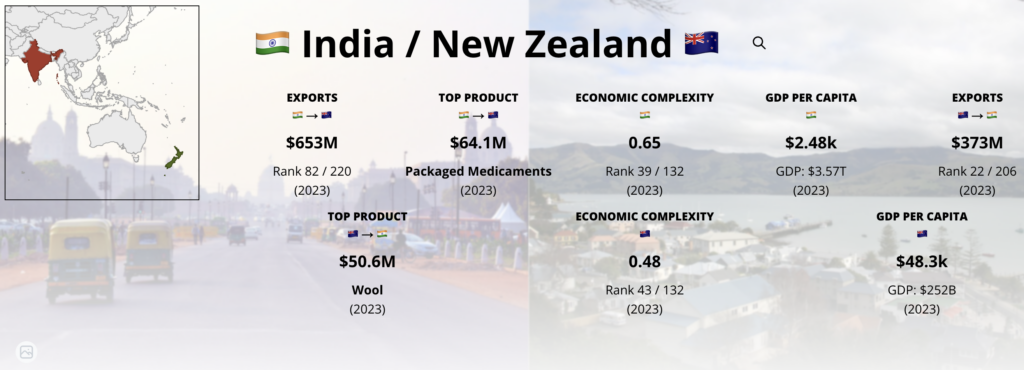
The nuanced dynamics reveal multiple layers of complexity. While the trade deal represents India's third free trade agreement this year, suggesting an aggressive international economic expansion strategy, New Zealand's internal political landscape adds another dimension of complexity. The New Zealand First party's explicit opposition – invoking an "agree to disagree" provision within the coalition government – demonstrates how domestic political considerations can dramatically impact international economic negotiations.
Interestingly, the agreement simultaneously signals opportunities and risks. For cross-border e-commerce sellers and investors, the deal suggests potential new market entry points, reduced trade barriers, and more streamlined import-export processes. However, the mixed reactions, particularly from major players like Fonterra, underscore the sector-specific challenges in such comprehensive trade agreements.
The broader implication extends beyond this specific bilateral relationship. This negotiation represents a microcosm of emerging market economic diplomacy, where countries must balance strategic geopolitical positioning with granular economic interests. The ability to navigate these complex trade-offs will increasingly define national economic competitiveness in the evolving global landscape.
Questions 3
How does this trade deal reflect broader trends in international economic diplomacy?
The agreement demonstrates the complex balancing act of modern trade negotiations, where countries must simultaneously manage geopolitical relationships, domestic political considerations, and sector-specific economic interests. It represents a microcosm of emerging market economic strategies in an increasingly interconnected global landscape.
What are the potential opportunities in this trade agreement for businesses?
Despite the criticisms, the agreement suggests potential new market entry points for cross-border e-commerce sellers, reduced trade barriers, and more streamlined import-export processes between New Zealand and India. Businesses should carefully analyze sector-specific opportunities, particularly in technology and services sectors.