


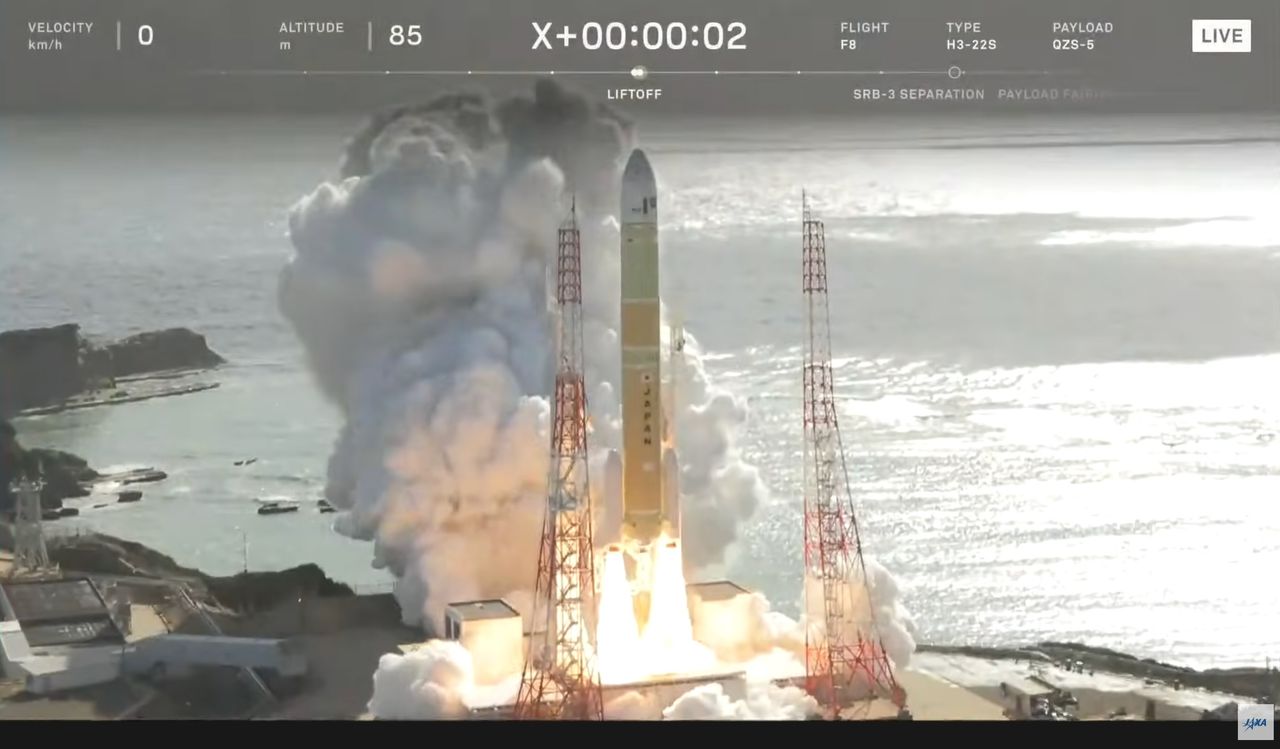

Japan's Space Ambitions Derailed: The H3 Rocket's Systemic Launch Failures Expose Critical Technology Gaps
- Persistent second-stage engine anomalies threaten Japan's satellite deployment and space technology credibility


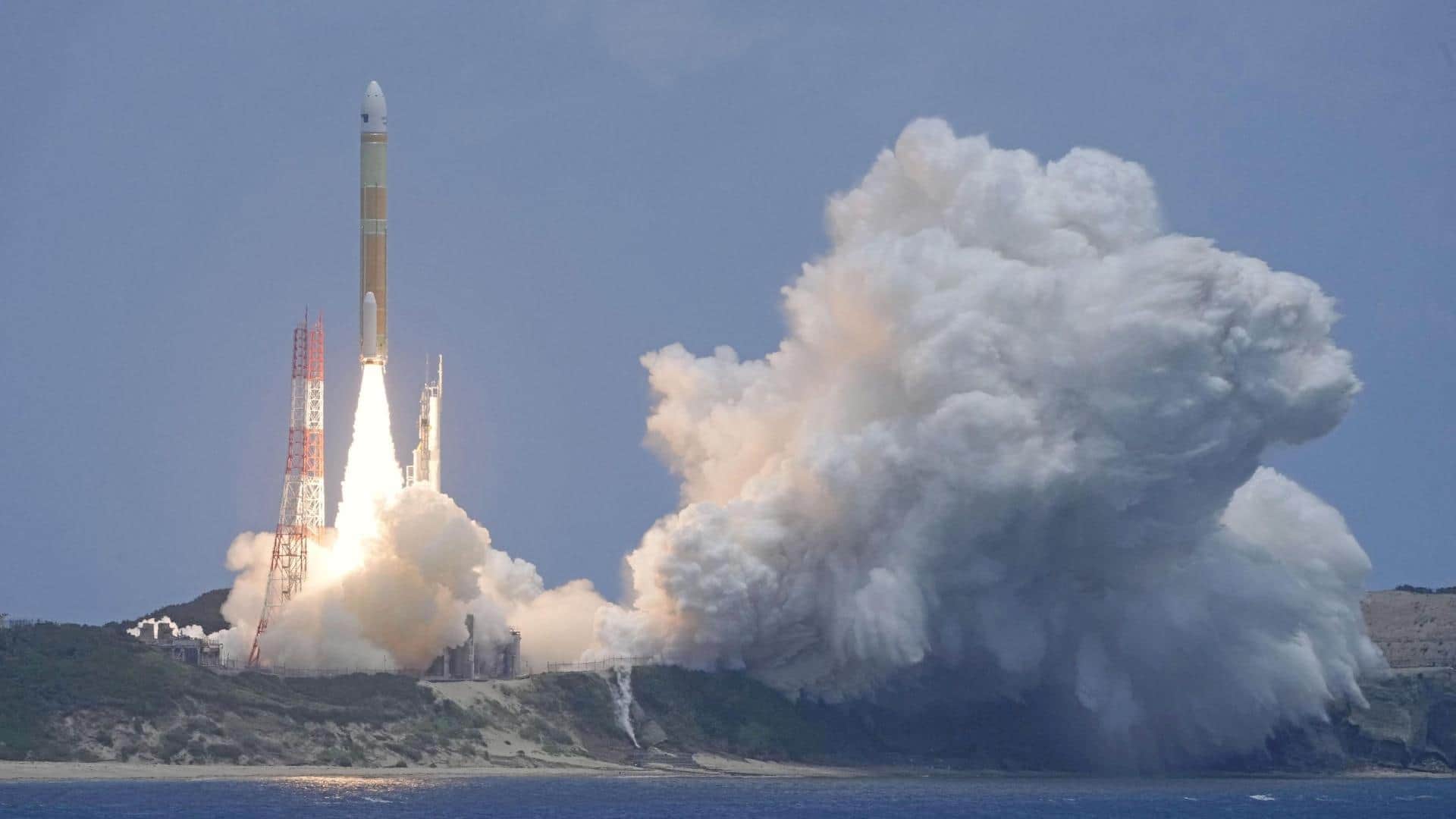
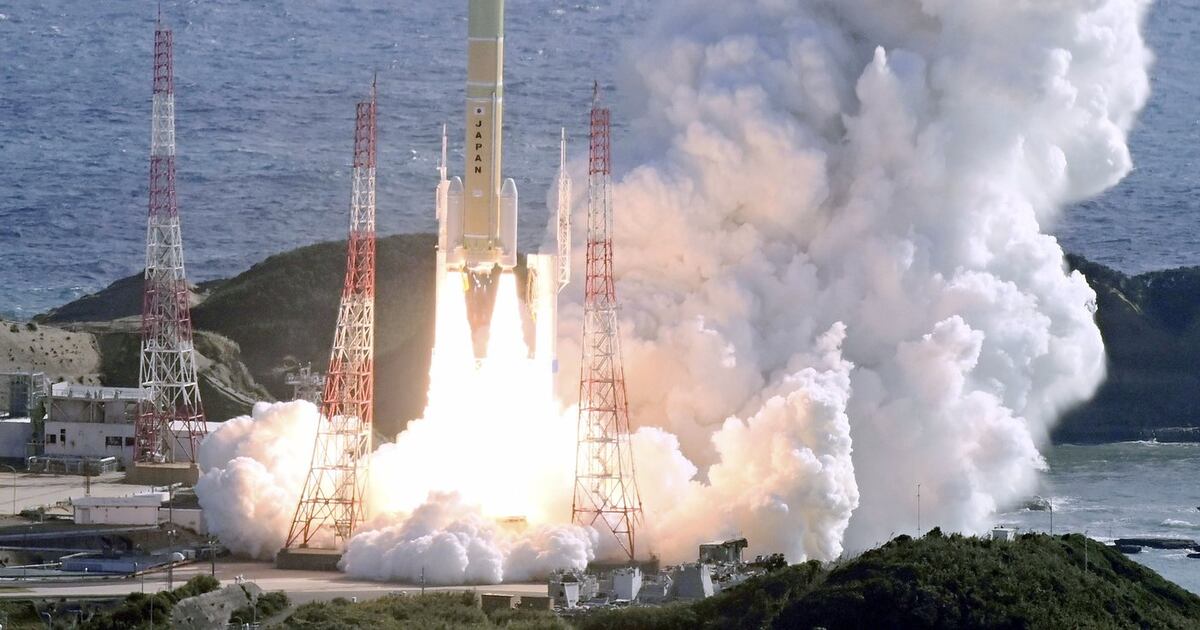

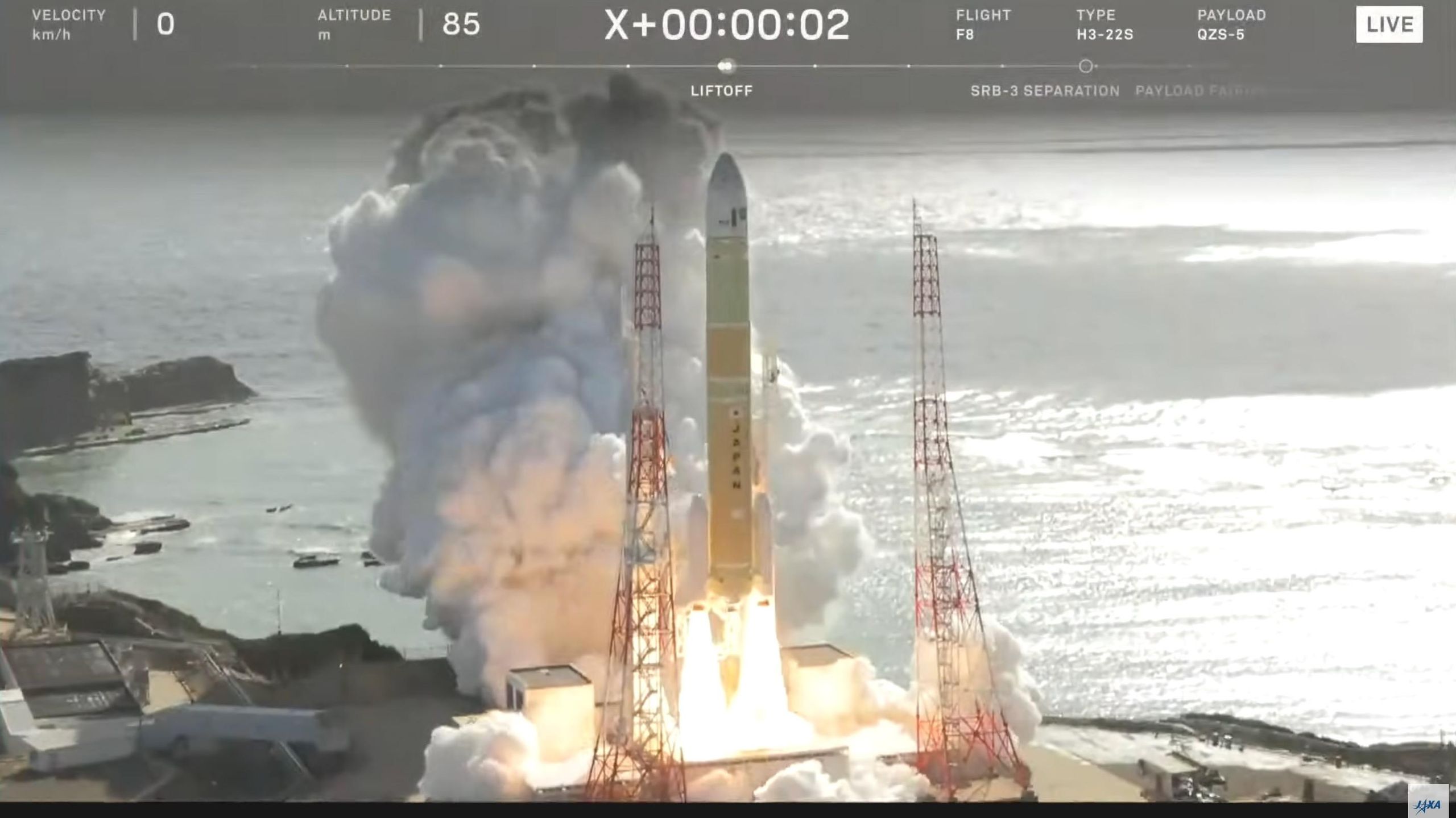










Overview
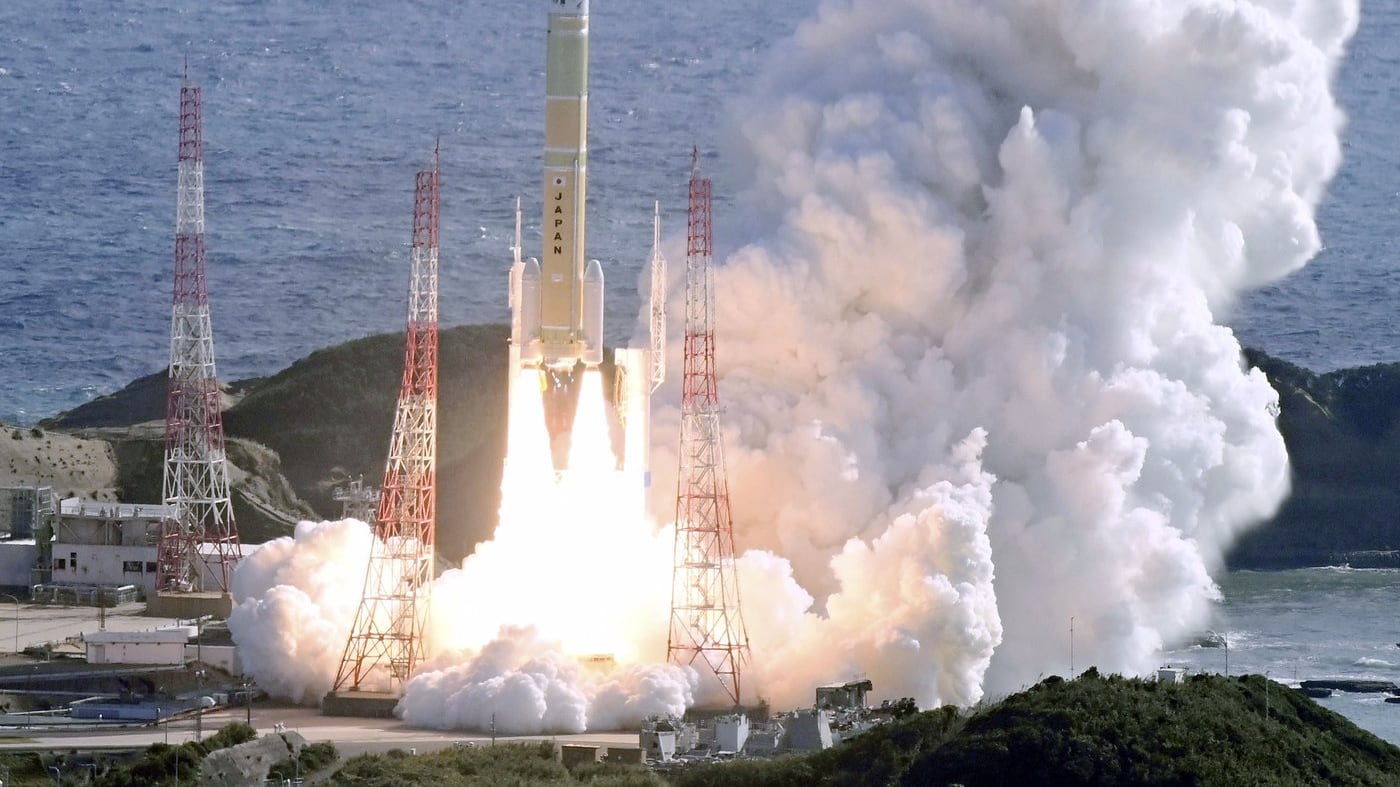
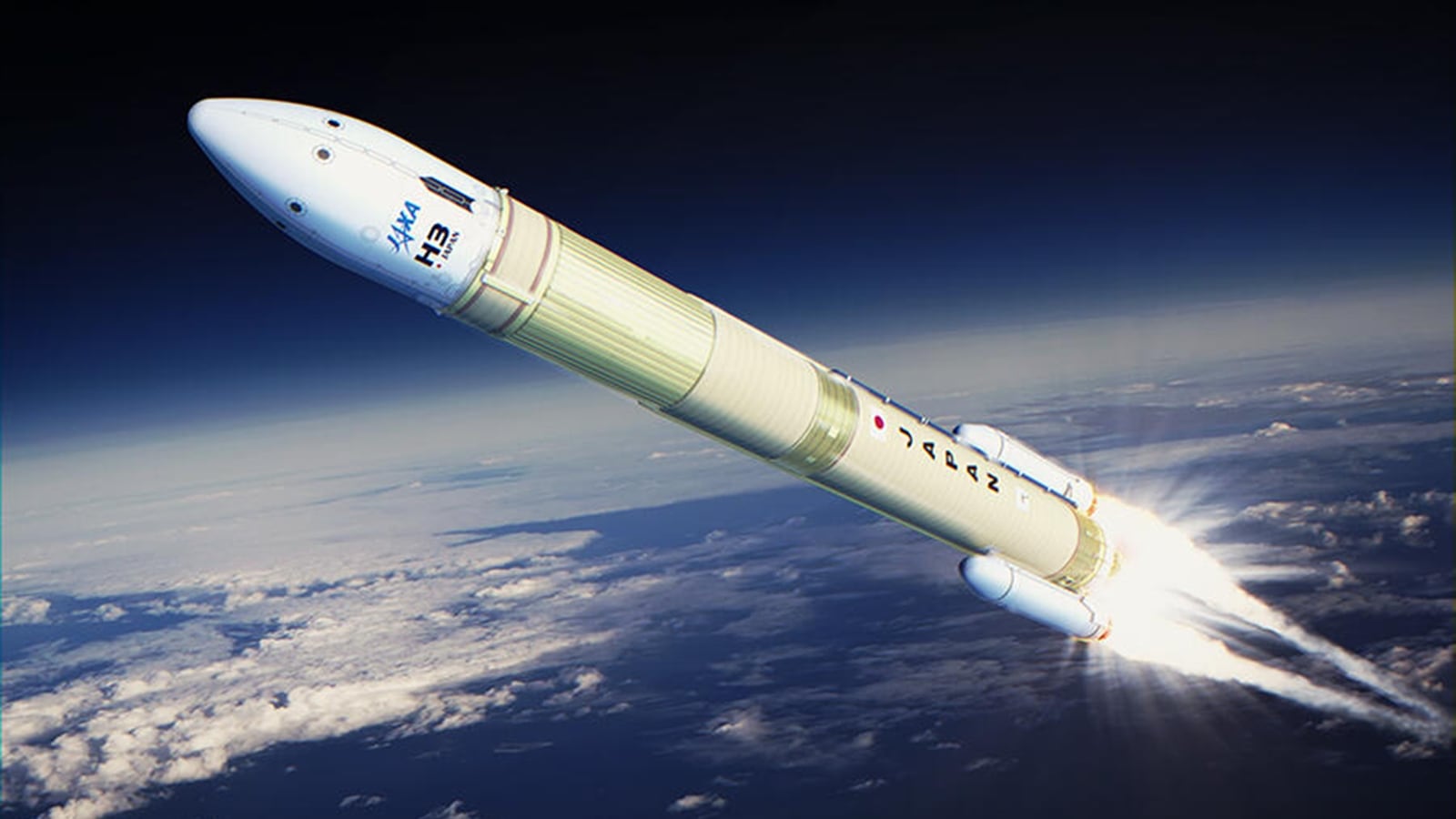
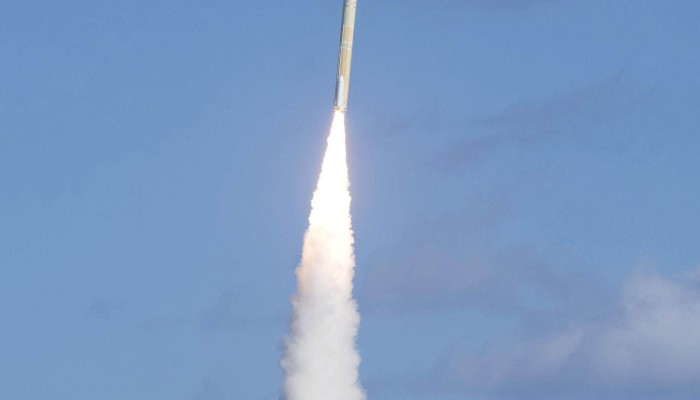
Japan's space technology sector is facing a profound crisis of confidence as the H3 rocket program experiences repeated, catastrophic launch failures that fundamentally challenge the nation's technological capabilities. The eighth consecutive launch failure of the H3 rocket represents more than a technical setback—it signals a systemic engineering challenge that could dramatically reshape Japan's strategic positioning in global space infrastructure.
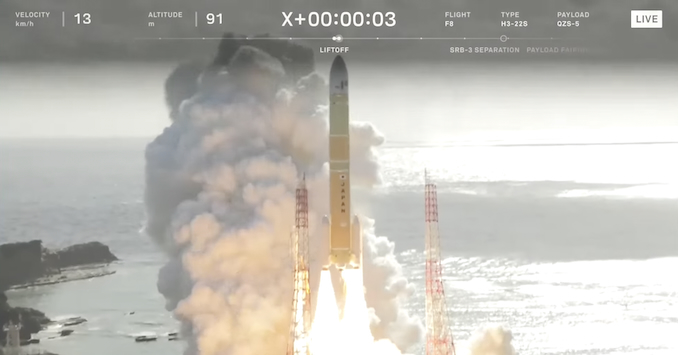
The core issue lies in the rocket's second-stage engine performance, with multiple missions experiencing critical anomalies during the crucial orbital insertion phase. These failures are not isolated incidents but reveal a deeper pattern of technological vulnerability. The Michibiki No. 5 satellite mission exemplifies this challenge, where a premature engine shutdown prevented the navigation satellite from reaching its intended geosynchronous transfer orbit.
What makes these failures particularly concerning is their recurring nature. Since the inaugural launch in March 2023, the H3 rocket has consistently struggled with second-stage engine ignition and burn processes. The technical complexity is underscored by specific challenges like unexpected hydrogen tank pressure drops and engine restart failures. These are not mere mechanical glitches but fundamental design and engineering problems that strike at the heart of Japan's space technology ambitions.
The implications extend far beyond a single rocket program. Critical missions like the Martian Moons eXploration (MMX) and planned satellite deployments for the Quasi-Zenith Satellite System (QZSS) now face significant uncertainty. Each failure erodes international confidence in Japan's space capabilities, potentially undermining future commercial and scientific collaboration opportunities.
For Japan's aerospace sector, this represents a critical inflection point. The continued challenges suggest the need for a comprehensive technological reset—not just incremental fixes, but a fundamental re-examination of rocket design, testing protocols, and engineering approaches. The stakes are high: maintaining technological credibility, preserving national strategic capabilities, and sustaining Japan's position in the increasingly competitive global space technology landscape.
Questions 3
Why are the H3 rocket's second-stage engine failures so significant?
The repeated second-stage engine failures represent a critical technical vulnerability that undermines Japan's entire satellite deployment strategy. These issues prevent navigation satellites from reaching their intended orbits, potentially compromising national positioning and timing infrastructure for Japan and the Asia-Pacific region.
How might JAXA address these persistent rocket launch challenges?
JAXA will likely need to conduct a comprehensive engineering review, potentially involving a complete redesign of the second-stage engine system. This may include enhanced testing protocols, bringing in external expertise, and potentially collaborating with international aerospace partners to diagnose and resolve the underlying technological issues.