




The Sudden Loss of a Video Game Visionary Who Reshaped Interactive Entertainment
- A pivotal moment marking the end of an era for game development innovation














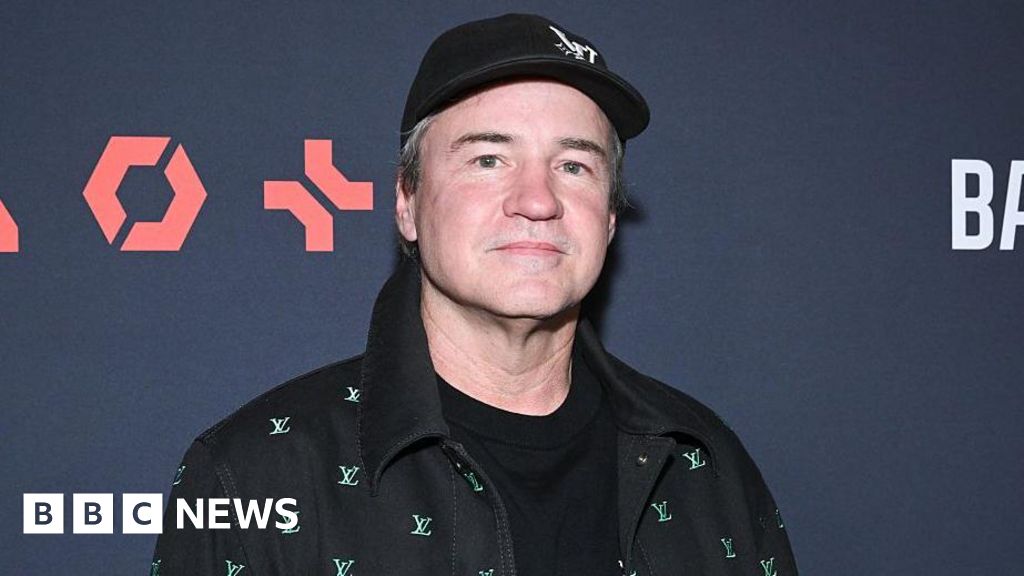











.jpg)














Overview
The unexpected death of Vince Zampella represents more than a personal tragedy—it signals a profound transition in the video game industry's creative leadership. At 55, Zampella was a transformative figure who fundamentally reimagined interactive entertainment, leaving an indelible mark across multiple gaming franchises that collectively shaped an entire generation of digital experiences.
Call of Duty, Zampella's most iconic creation, exemplifies his strategic genius. The franchise has sold over 500 million copies, becoming a cornerstone of modern gaming that transcended traditional shooter mechanics. His approach wasn't just about creating games, but about crafting immersive narrative experiences that connected deeply with players. From Infinity Ward to Respawn Entertainment, Zampella consistently demonstrated an uncanny ability to identify emerging talent and provide creative teams the autonomy to innovate.
The circumstances of his death—a fatal crash in a high-performance 2026 Ferrari 296 GTS on Angeles Crest Highway—add a layer of tragic irony to his legacy. A developer known for pushing technological boundaries met an abrupt end in a vehicle representing cutting-edge engineering. His sudden loss creates a significant leadership vacuum in an industry he helped transform, particularly for Electronic Arts and the broader game development ecosystem.
Beyond Call of Duty, Zampella's portfolio includes groundbreaking franchises like Titanfall, Apex Legends, and Star Wars Jedi series, showcasing his versatility across different gaming genres. His career trajectory—from co-founding Infinity Ward to leading Respawn Entertainment—illustrates a consistent pattern of creative disruption and strategic reinvention.
The gaming community's response underscores Zampella's unique position: he was simultaneously a business leader and a creative visionary. Geoff Keighley's observation that Zampella seemed to have "even greater potential" suggests his most innovative work might have been yet to come—a haunting reminder of potential unrealized.
Questions 3
What are the most significant game franchises Zampella created?
Beyond the massively successful Call of Duty (500 million copies sold), Zampella was instrumental in creating Titanfall, Apex Legends, and critically acclaimed Star Wars games like Jedi: Fallen Order. Each franchise demonstrated his versatility in creating compelling interactive experiences across different genres.
What made Vince Zampella unique in the video game industry?
Zampella was exceptional in his ability to create genre-defining franchises like Call of Duty while consistently nurturing creative talent. He understood that great games emerge from empowering developers and maintaining a vision that goes beyond technical mechanics to create emotionally engaging experiences.