




UK's Climate Crisis Unfolds: 2025 Signals Unprecedented Warming Trajectory
- Extreme Temperature Trends Expose Urgent Environmental Challenges for Global Climate Policy




















)

)
















Overview
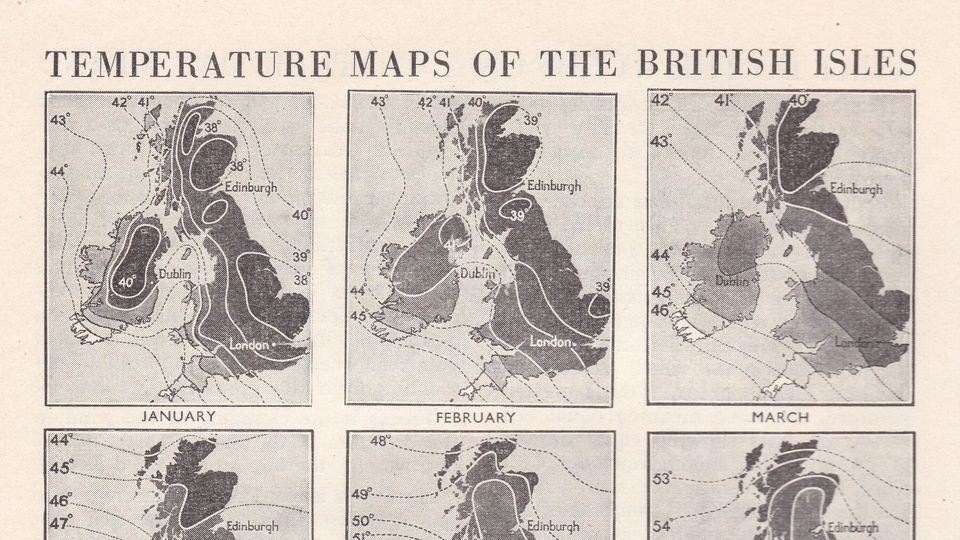
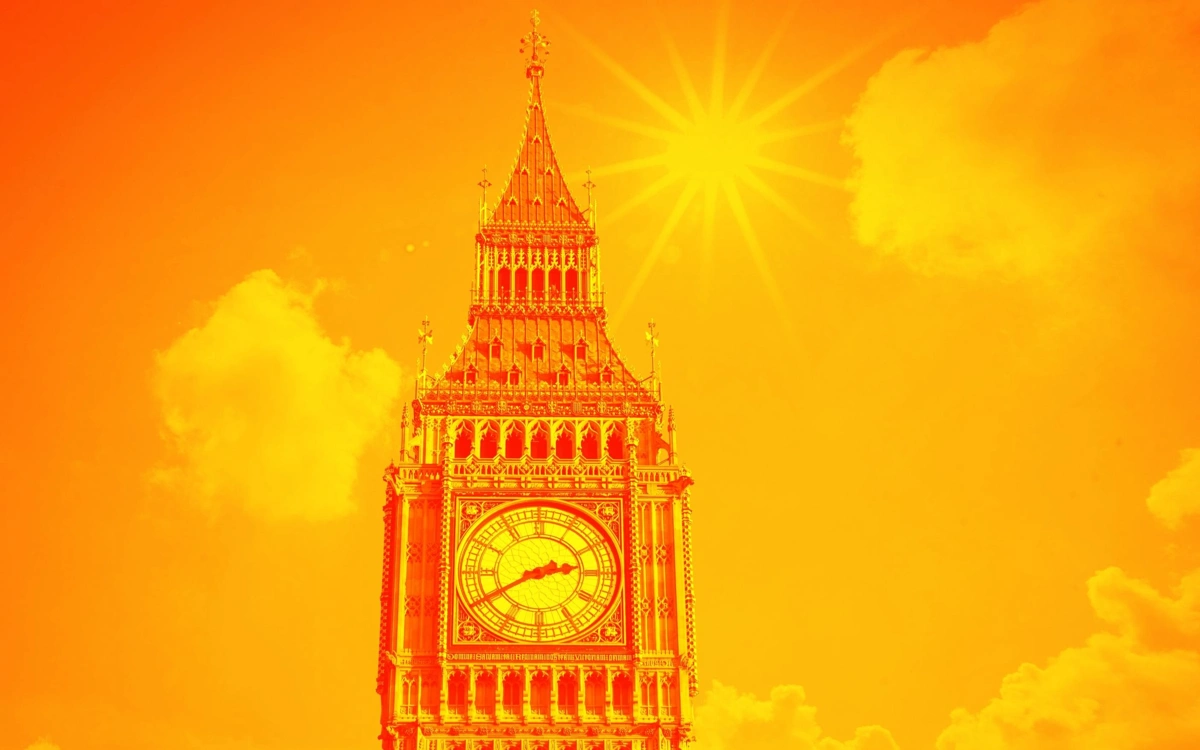
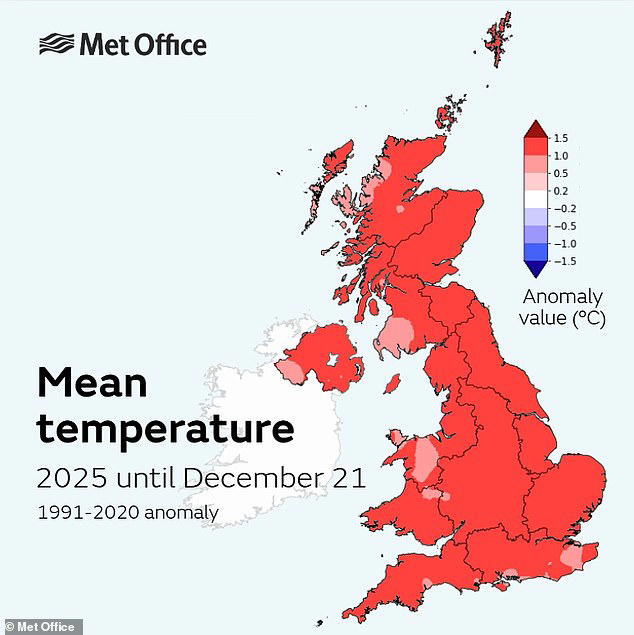
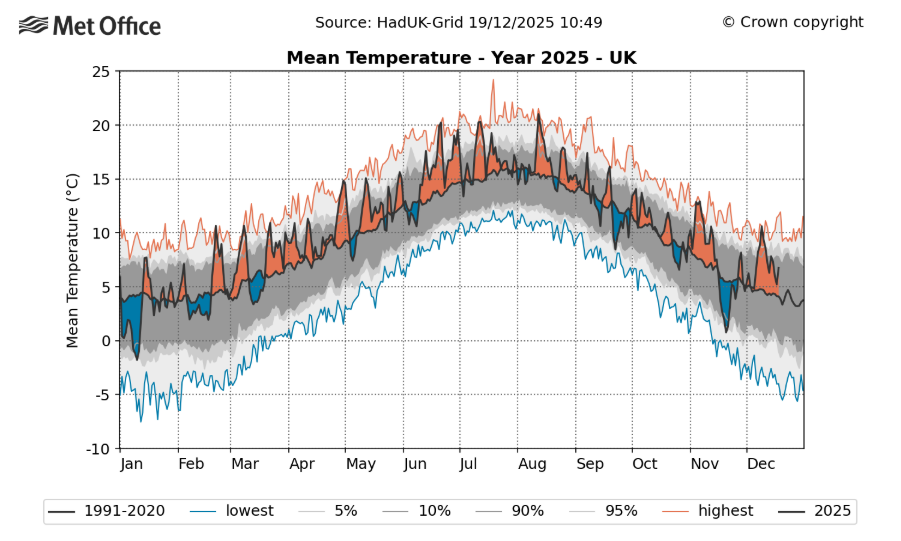
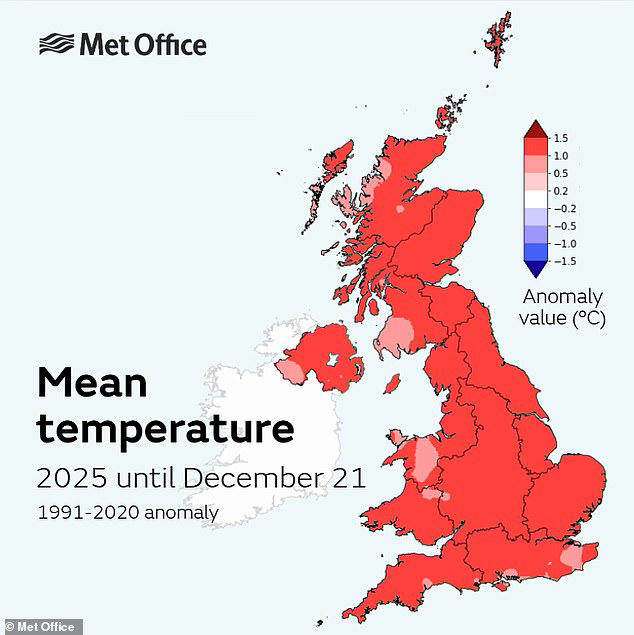
The United Kingdom stands at the forefront of a climate transformation that demands immediate global attention. The Met Office's projection for 2025 reveals a stark reality: the nation is poised to experience its hottest year on record, with an average temperature of 10.05°C—a marginal but significant increase from the previous record of 10.03°C in 2022.
Unprecedented Warming Patterns characterize this emerging climate scenario. Four of the last five years will rank among the top five warmest since records began in 1884, with all top 10 warmest years occurring within the last two decades. This isn't just a statistical anomaly—it's a systemic shift. Extreme Weather Indicators paint a troubling picture: spring and summer temperatures consistently exceeded 2°C above the long-term average, creating a cascade of environmental challenges.
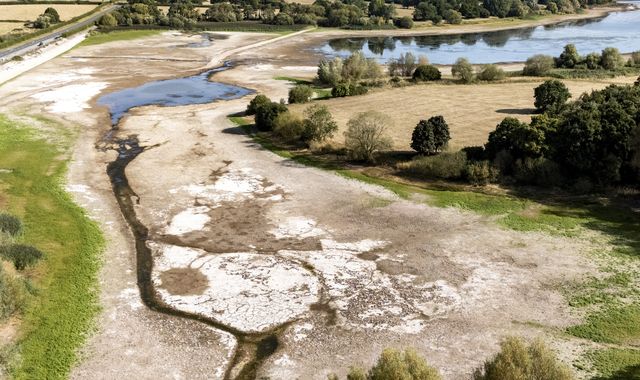
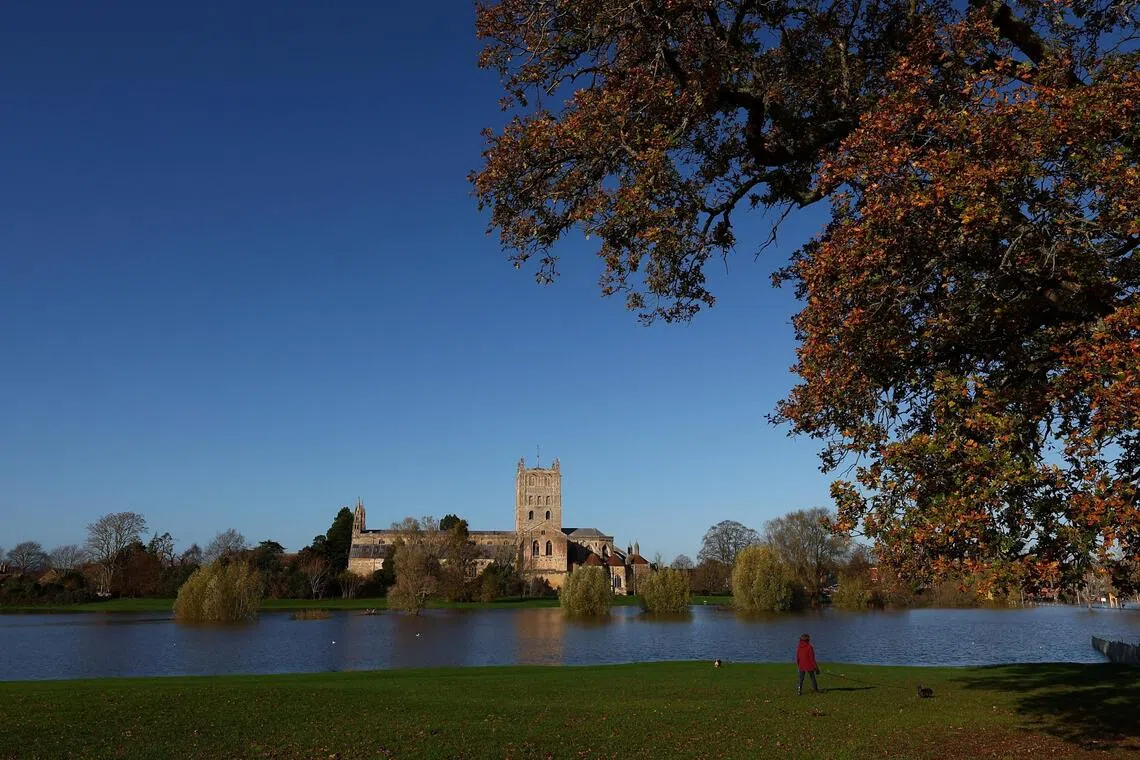
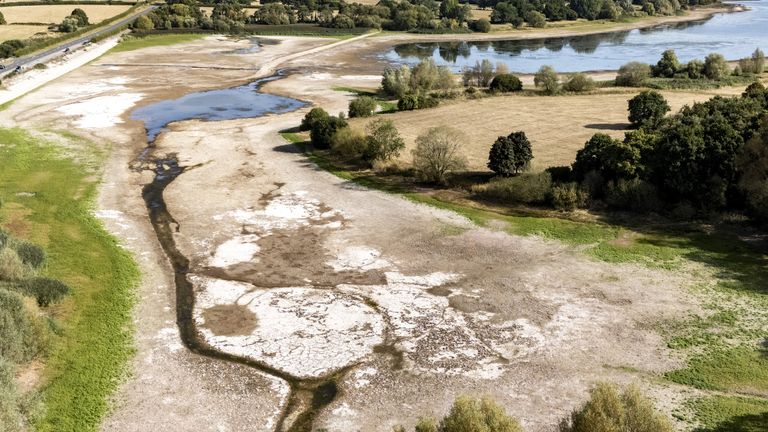
The implications extend far beyond temperature readings. By late April 2025, the UK had already burned 47,100 hectares—dramatically surpassing the previous annual wildfire record of 28,100 hectares in 2019. Climate Scientists' Warnings from experts like Amy Doherty and Professor Friederike Otto underscore the devastating trajectory, describing these changes as "extraordinary" and "devastating". The persistent heat, combined with low rainfall, has created a perfect storm of environmental risks: widespread drought, increased wildfire potential, and more intense rainfall during winter months.
Critically, this is not a localized phenomenon. The global context reveals the world is on track for its second or third warmest year ever, even as some fossil fuel producers retreat from net-zero commitments. Bob Ward from the Grantham Research Institute emphasizes the urgent need to reach net-zero greenhouse gas emissions, highlighting that the 10°C average represents a tipping point with far-reaching consequences.
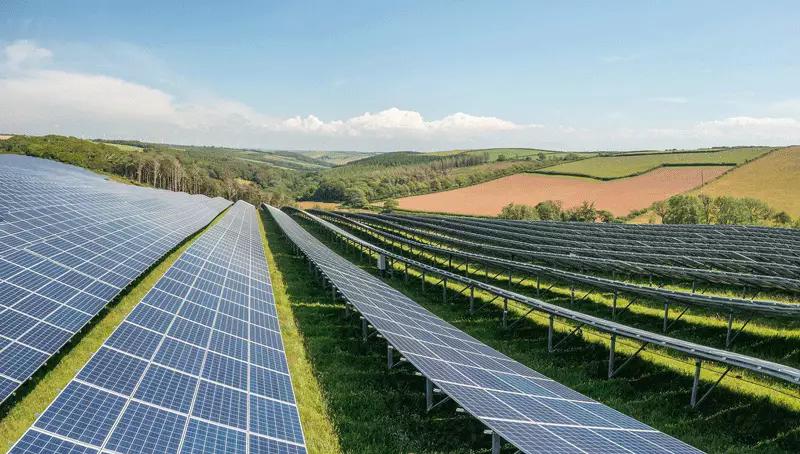
Strategic Implications: Policymakers, businesses, and communities must recognize that these are not isolated events but systemic transformations. Immediate, comprehensive environmental strategies are no longer optional—they are existential necessities. Adapt infrastructure, reimagine agricultural practices, and accelerate decarbonization efforts to mitigate the most severe potential outcomes.
Questions 3
How significant is the temperature increase in the UK's 2025 projection?
The projected 10.05°C average represents a marginal but critical increase from the previous record of 10.03°C in 2022. While seemingly small, this rise indicates systemic warming, with temperatures consistently 2°C above long-term averages, creating substantial environmental stress.
What are the most immediate environmental risks from these temperature trends?
The primary risks include increased wildfire potential (with 47,100 hectares already burned by late April 2025), widespread drought conditions, more intense winter rainfall, and potential agricultural disruptions. These extreme weather patterns threaten ecosystem stability and human infrastructure.