


Free Speech Under Siege: NSW's Controversial Move to Criminalize Political Language
- Emerging legal battleground reveals complex tensions between community safety and expressive rights








Overview
The proposed ban on the phrase "globalise the intifada" in New South Wales represents a critical inflection point in the delicate balance between free speech and community safety. At its core, this legislative effort exposes the profound challenges of regulating politically charged language in a multicultural society.
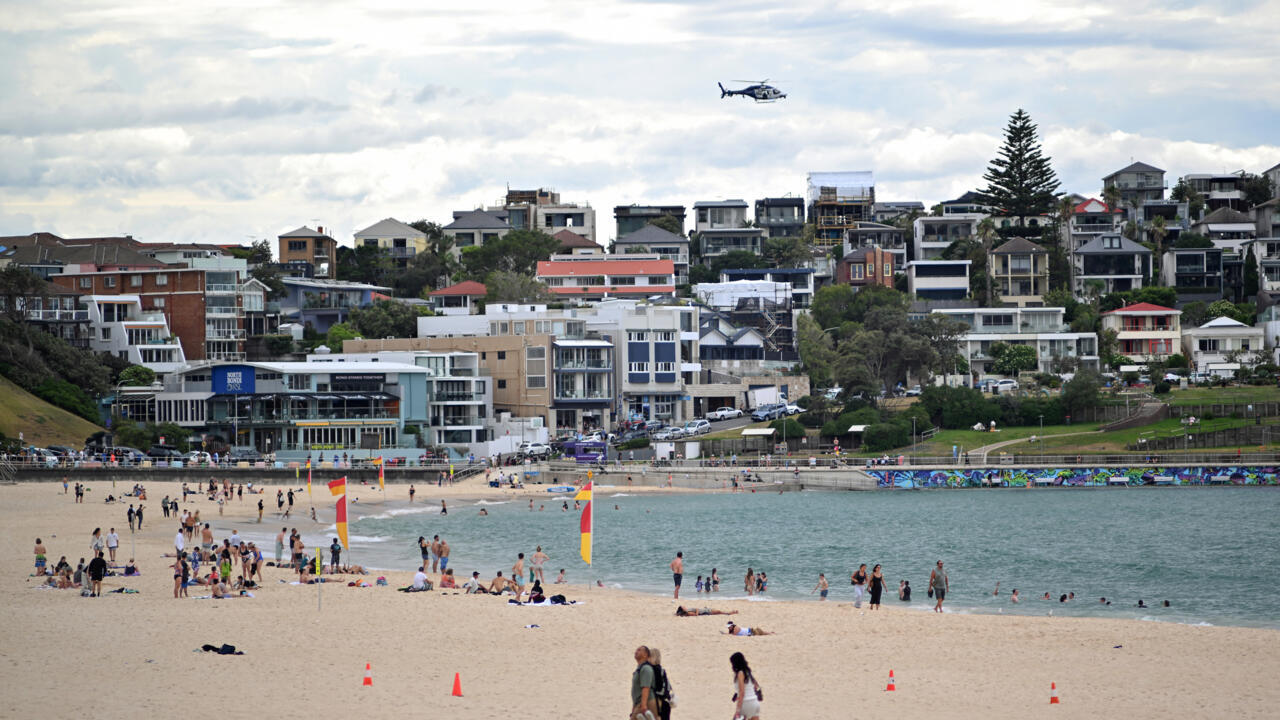
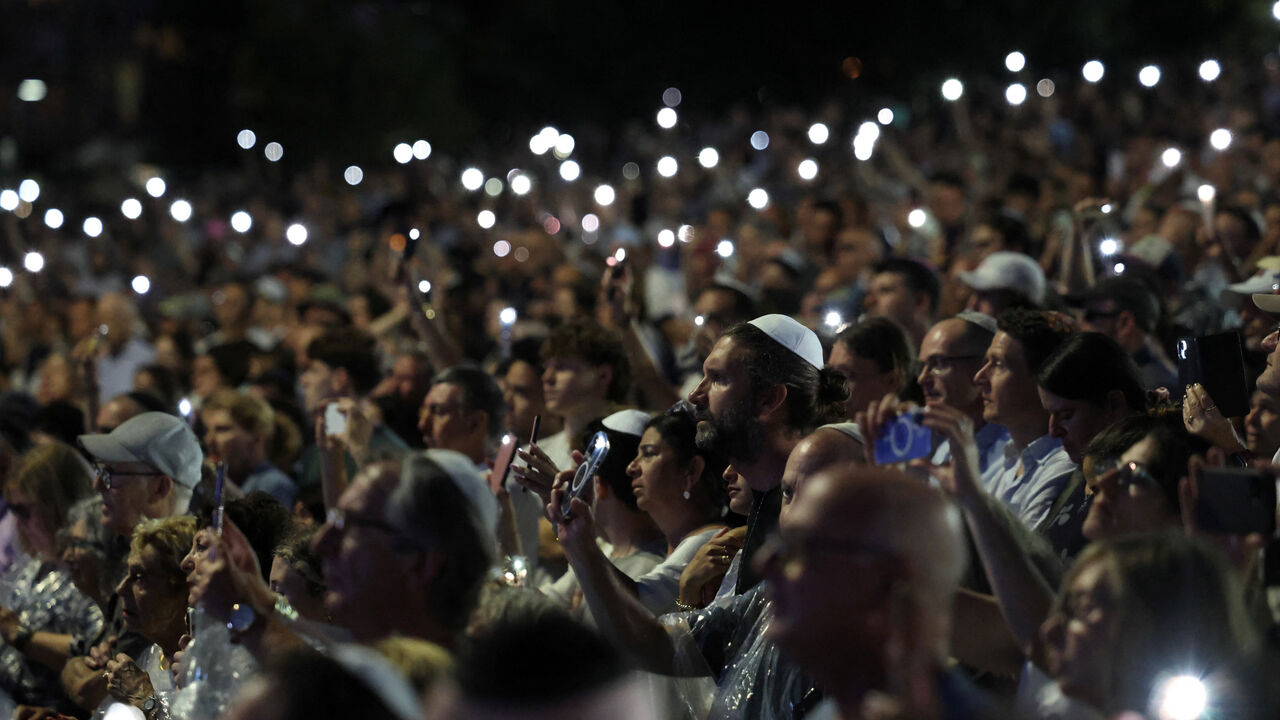
Regulatory Complexity in Linguistic Boundaries emerges as the central narrative. The NSW government's move, triggered by the Bondi mass shooting, seeks to criminalize a phrase with deeply contested meanings. Pro-Palestine supporters view "intifada" as a legitimate expression of solidarity, while many in the Jewish community interpret it as a threatening reference to violent resistance. This linguistic battleground highlights the nuanced challenges of defining hate speech in a context of ongoing geopolitical tensions.
Legal and Social Implications run deep. Experts like Luke McNamara warn that banning phrases with contested meanings could lead to complex legal challenges. The proposed parliamentary investigation signals a broader trend of increasing governmental intervention in political discourse. By targeting specific linguistic expressions, the NSW government is essentially attempting to regulate the boundaries of acceptable political communication—a strategy fraught with potential unintended consequences.
The historical context is crucial. The term "intifada" references two significant Palestinian uprisings (1987-1993 and 2000-2005), periods marked by intense conflict resulting in over 4,300 Palestinian and 1,100 Israeli casualties. This historical weight makes the linguistic debate far more than a simple semantic exercise—it represents a complex negotiation of collective memory, resistance, and interpretation.
Middle Eastern studies expert Liyana Kayali argues that such legislative moves risk further social disunity, potentially being perceived as attacks on community language and historical struggle. The specific mechanism for banning the phrase remains deliberately unclear, which itself suggests the profound legal and social challenges of regulating controversial political speech.
Ultimately, this case represents a critical test of democratic societies' ability to balance legitimate security concerns with fundamental expressive rights. The outcome could set significant precedents for how multicultural communities navigate deeply sensitive political and linguistic boundaries.
Questions 3
What specific phrase is the NSW government seeking to ban?
The phrase 'globalise the intifada' is the target of the proposed ban. It emerged in the context of the Bondi mass shooting and is viewed differently by various community groups—as either a solidarity expression or a potential incitement to violence.
Why is this proposed ban controversial?
The ban is controversial because it involves regulating a politically charged phrase with complex historical and cultural meanings. Experts argue that criminalizing such language could lead to legal challenges and potentially infringe on free speech rights while attempting to manage community tensions.