


Bethlehem's Silent Cry: Christian Resilience Amid Gaza's Humanitarian Crisis
- Exploring the Fragile Survival of Palestinian Christian Communities Under Unprecedented Regional Tensions





)








Overview
The ongoing Israeli-Palestinian conflict has reached a critical inflection point, revealing the profound vulnerability of Palestinian Christian communities caught in a complex geopolitical crucible. Between November 25 and December 1, the stark reality of the region's tensions emerged through devastating statistics: Israeli security forces killed four Palestinians, including a child, bringing the total West Bank Palestinian deaths in 2023 to 227—a number that represents more than mere data, but a systematic erosion of community stability.
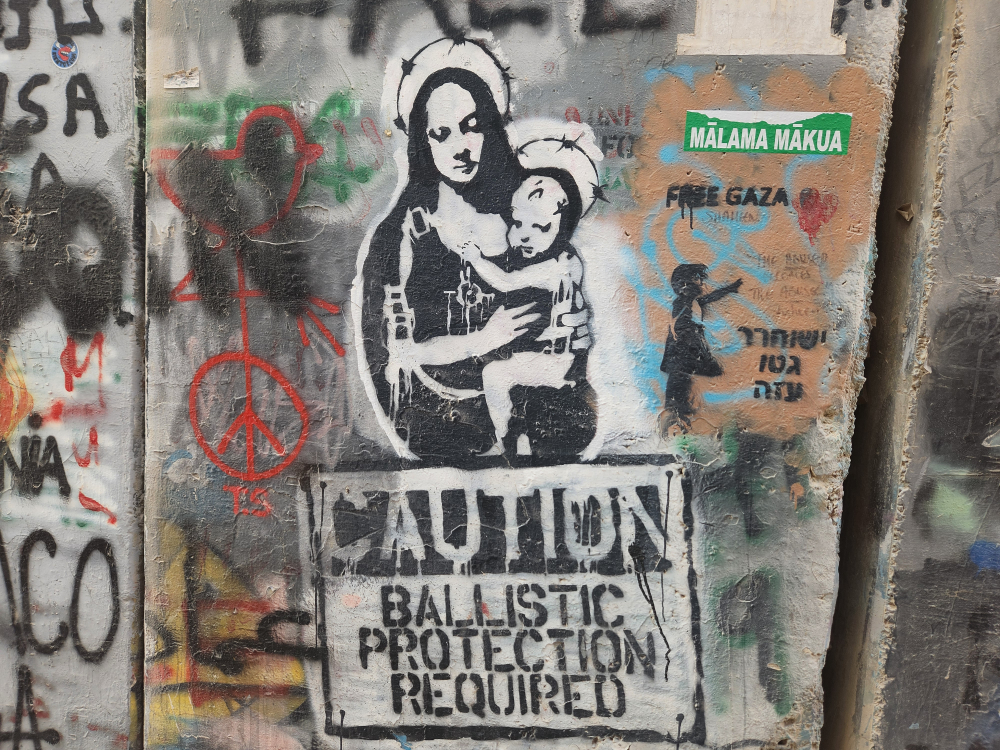
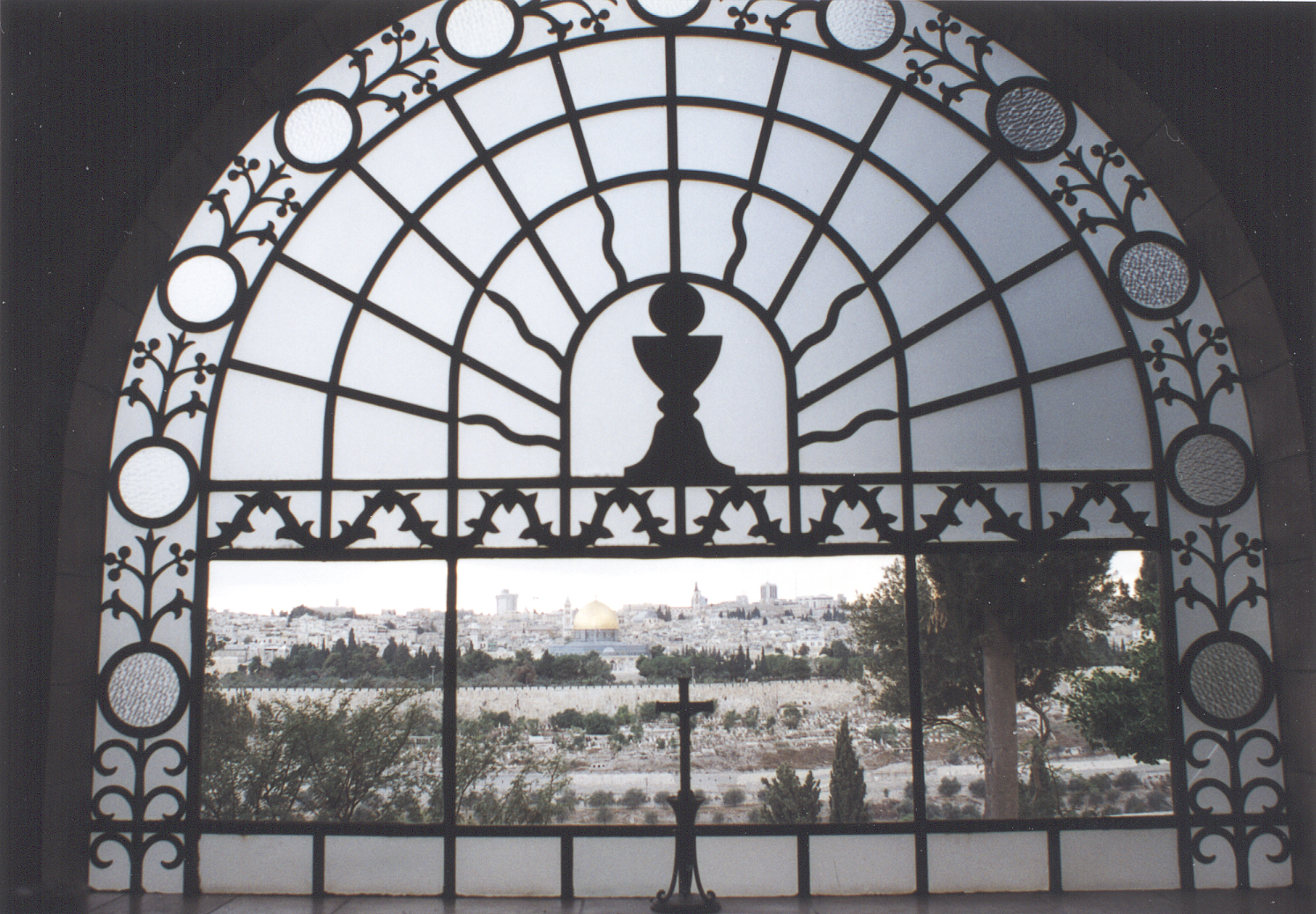
Christian leaders like Rev. Munther Isaac and Mitri Raheb are sounding an urgent alarm about the potential extinction of a once-thriving Christian presence in the region. Their narrative goes beyond religious persecution, exposing systemic issues of occupation and unequal treatment that threaten the very fabric of Palestinian Christian society. The conflict has transformed Bethlehem, traditionally a symbol of hope and peace, into a microcosm of broader regional tensions.
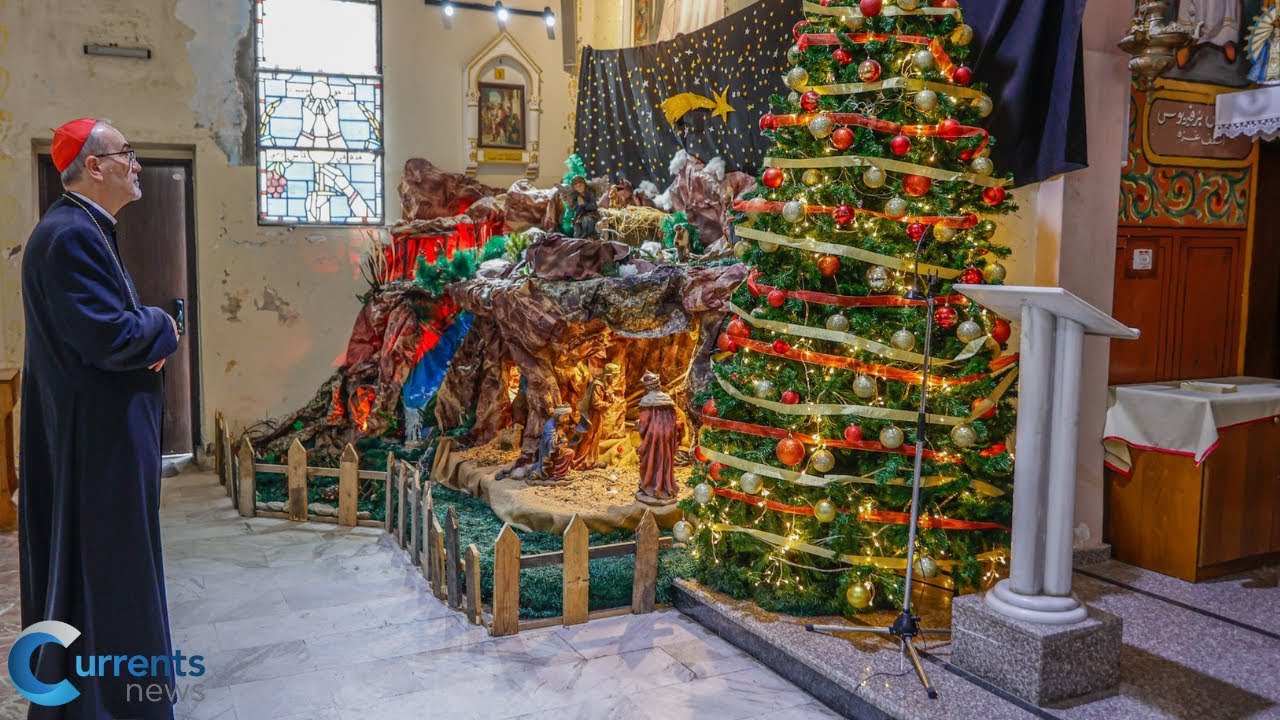
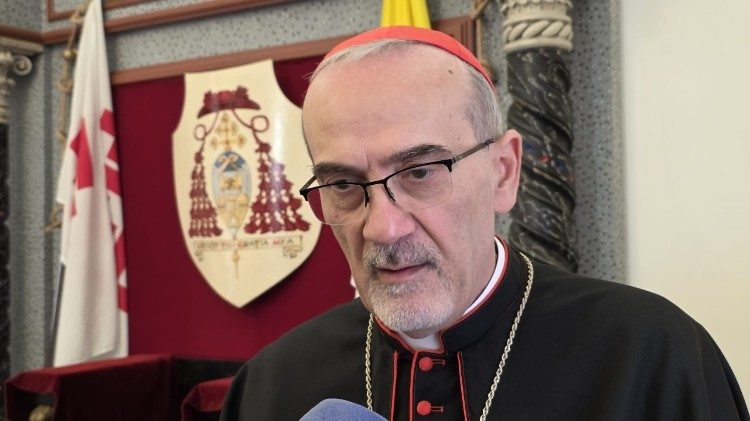
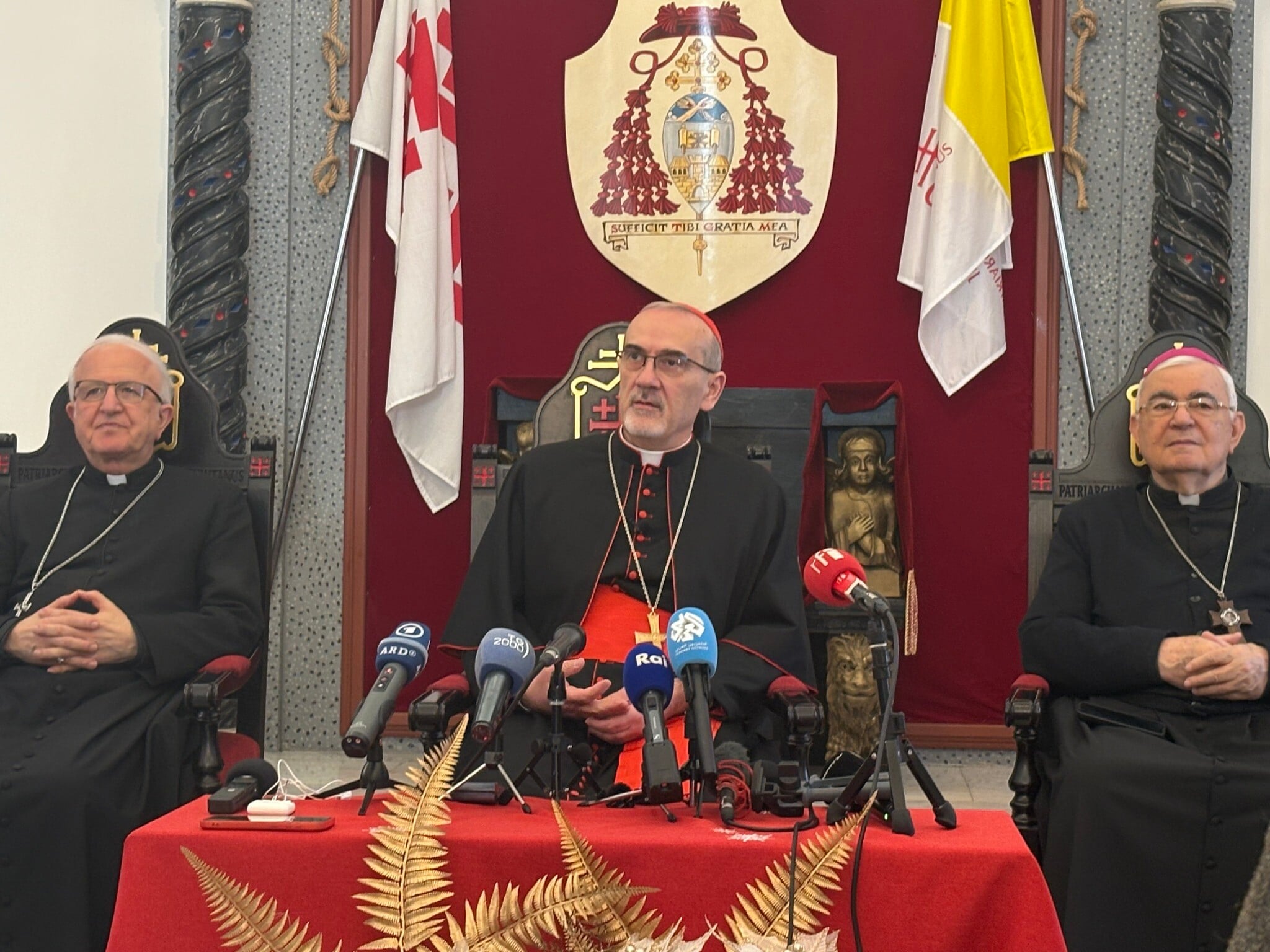
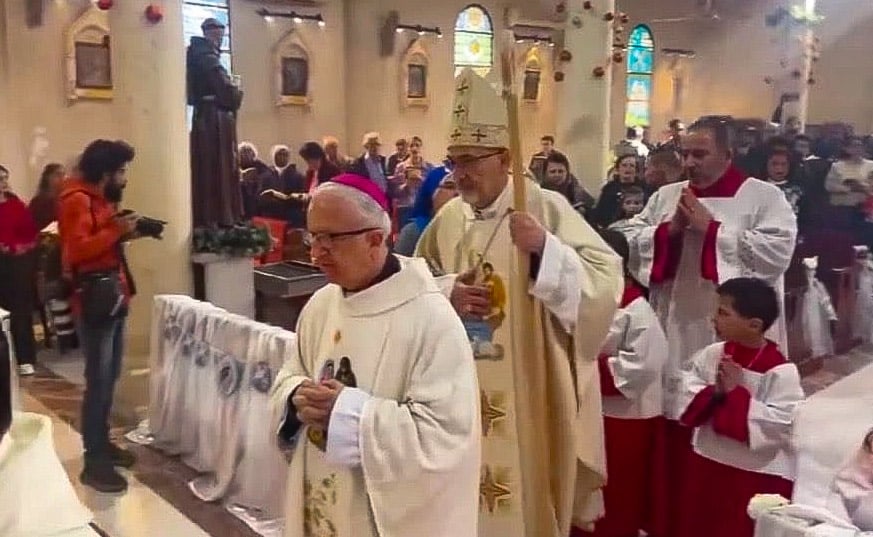
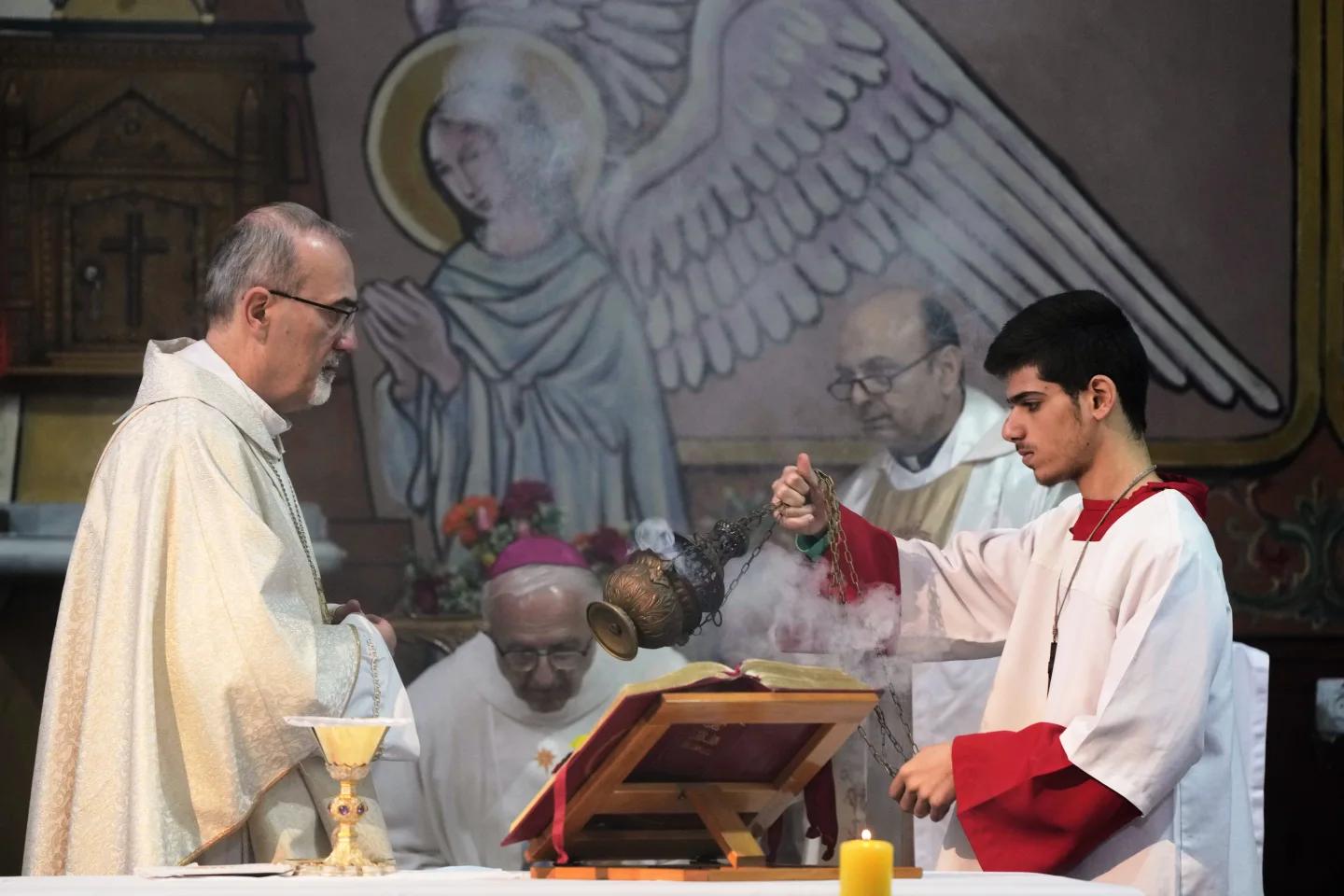
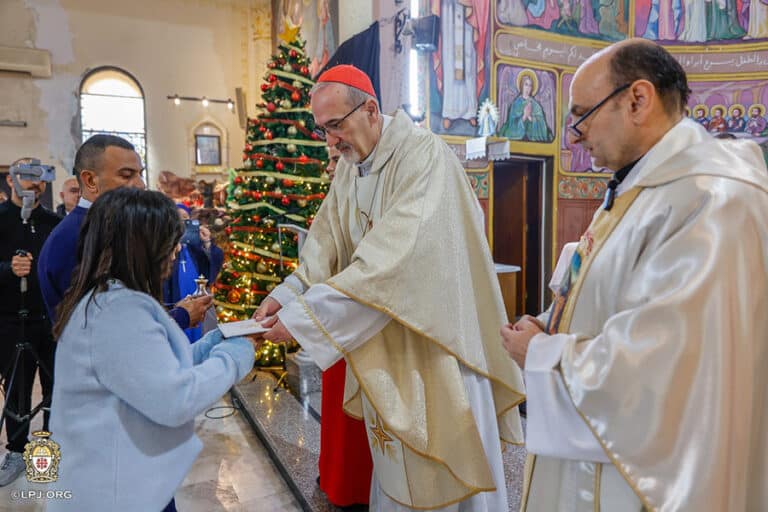
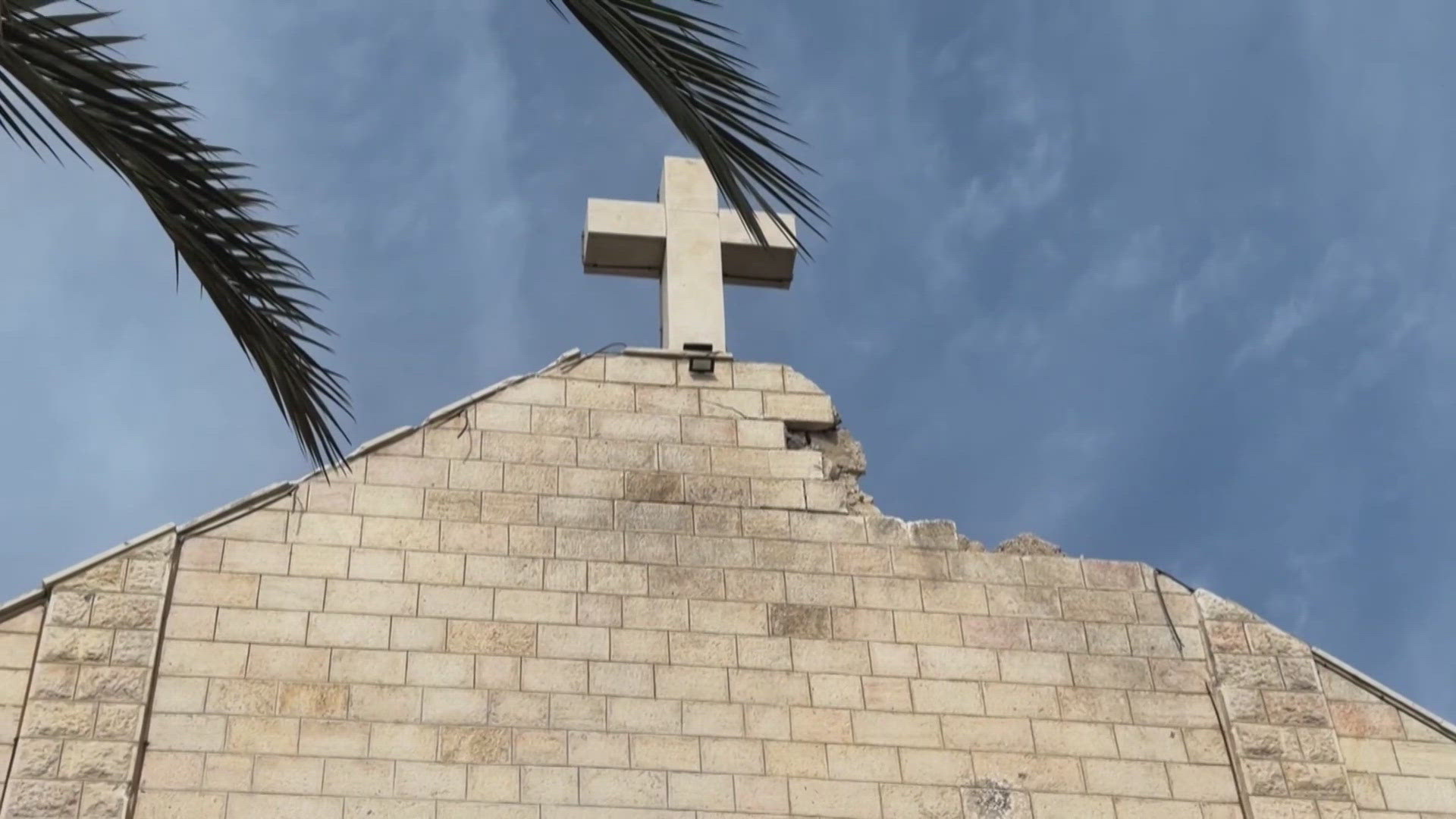
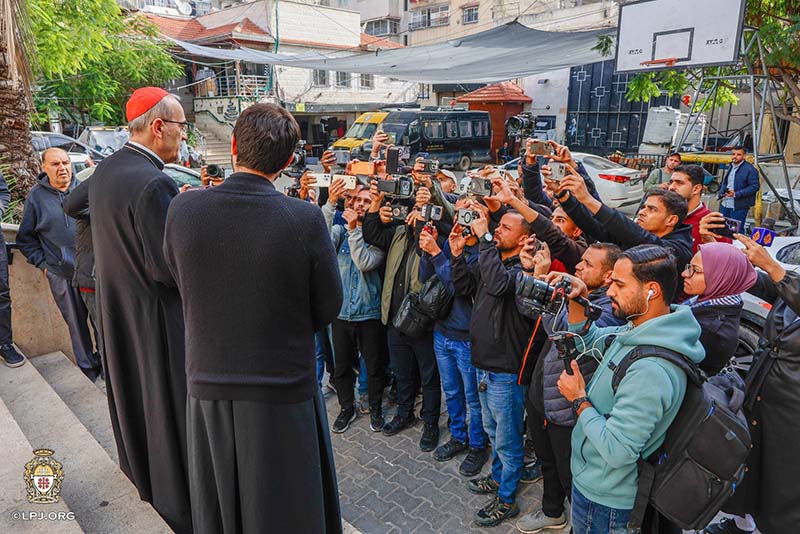
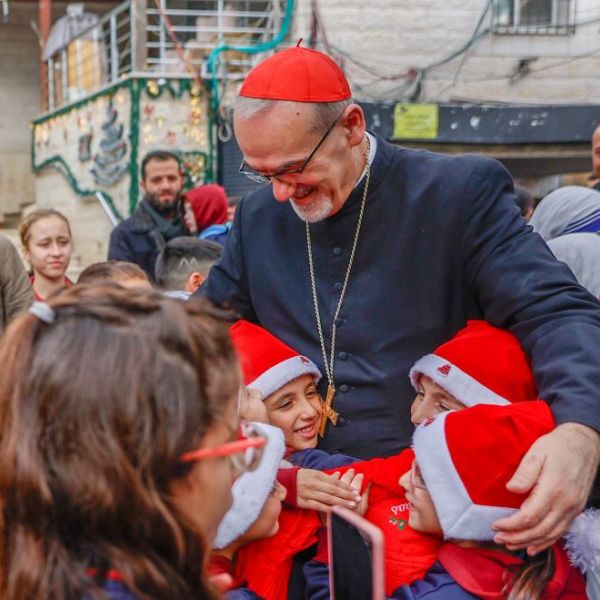
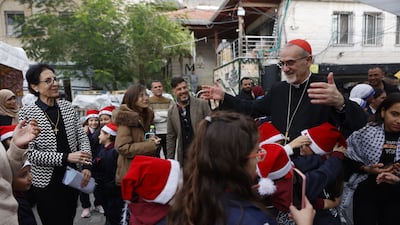
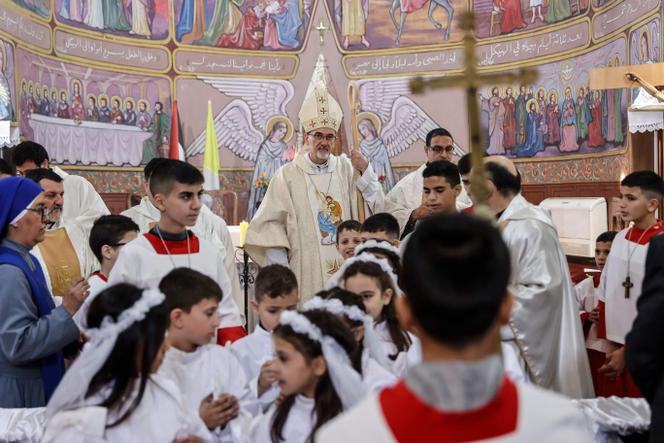
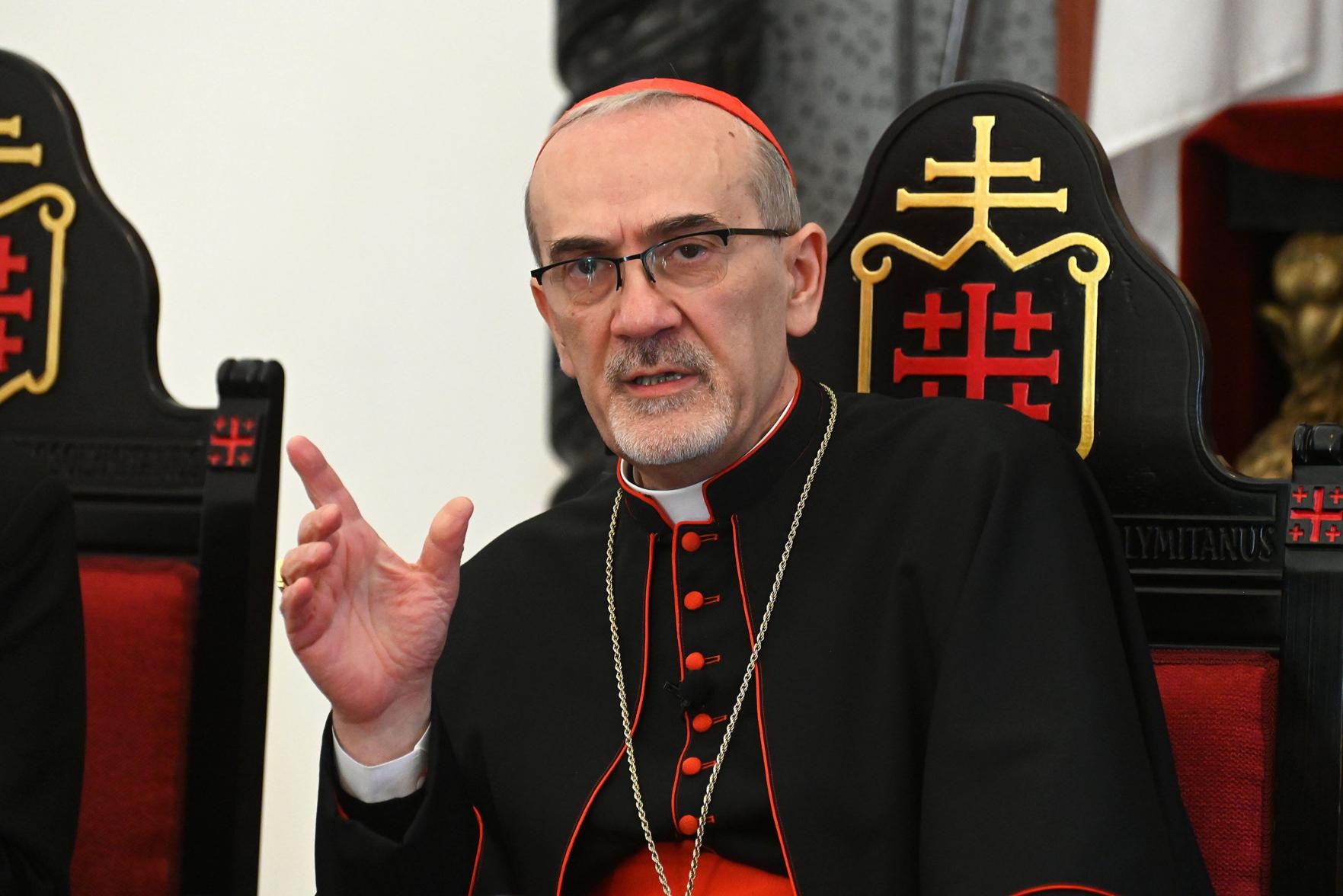
Cardinal Pierbattista Pizzaballa's recent visit to Gaza provides a devastating snapshot of the humanitarian landscape. With approximately 80% of structures severely damaged or uninhabitable, the region faces a catastrophic reconstruction challenge. Four hundred people remain sheltered at the Holy Family parish, symbolizing the Church's commitment to resilience amid overwhelming destruction. Economic activity has completely halted, creating a humanitarian emergency that extends far beyond immediate military conflict.
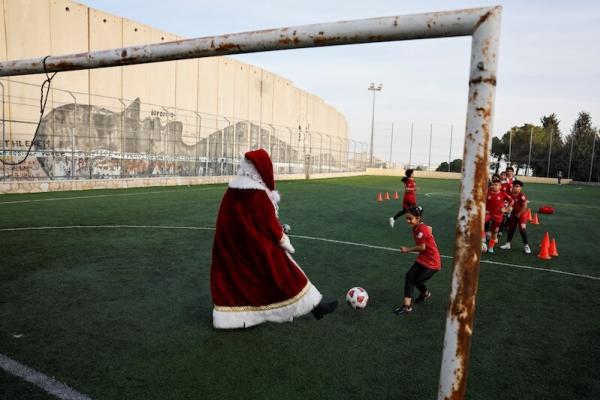
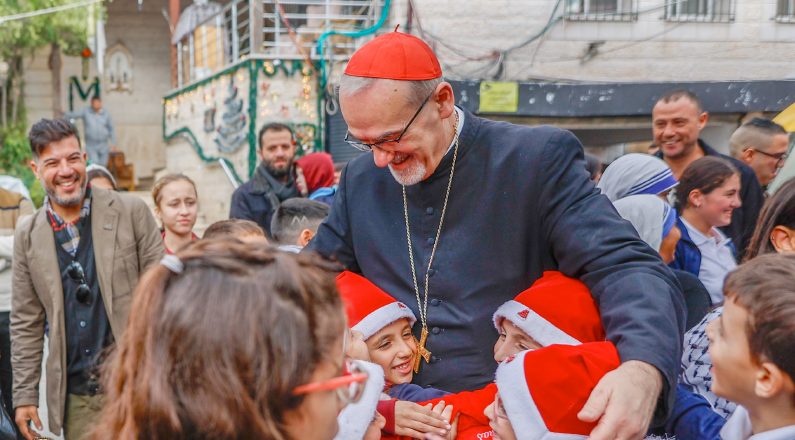
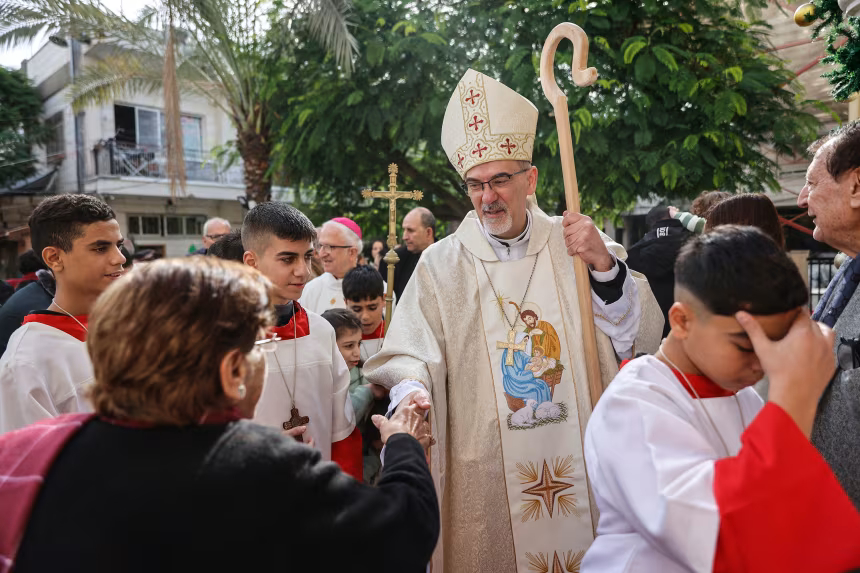
The most profound insight emerges not from the statistics of destruction, but from the remarkable human spirit observed by Cardinal Pizzaballa—particularly among children who demonstrate an extraordinary "enthusiasm for life" despite overwhelming adversity. This resilience suggests that beyond the immediate humanitarian crisis, there exists a deeper narrative of hope and potential renewal.
Strategic implications are clear: the region requires a fundamental transition from opposition to constructive engagement. The Church's commitment to supporting Gaza's recovery—focusing on educational services, spiritual support, and infrastructure rebuilding—represents a potential pathway toward healing and reconciliation.
Questions 3
What role is the Church playing in supporting Gaza's recovery?
The Church, represented by leaders like Cardinal Pizzaballa, is committed to supporting Gaza's recovery through strategic interventions. Key priorities include resuming educational services for children, providing spiritual and material support, and working towards infrastructure reconstruction, emphasizing a transition from opposition to constructive engagement.
How are Palestinian Christian communities surviving amid the current conflict?
Palestinian Christian communities are experiencing unprecedented challenges, with leaders like Rev. Munther Isaac warning about potential community extinction. Despite facing increased settler violence and military raids, they are demonstrating remarkable resilience, maintaining cultural and spiritual practices while navigating complex geopolitical tensions.