


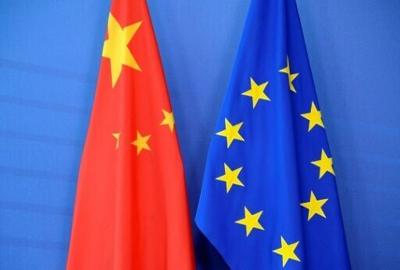


Trade War Escalates: China's Strategic Dairy Market Protectionism Challenges EU Exports
- Provisional Anti-Subsidy Duties Signal Intensifying Geopolitical Tensions in Agricultural Trade





Overview
International trade dynamics are experiencing a critical inflection point as China's recent imposition of provisional anti-subsidy duties on European dairy products reveals a sophisticated geopolitical chess move in agricultural markets. The December 2025 announcement represents more than a simple trade barrier—it's a calculated strategic intervention designed to reshape cross-border dairy market competitiveness.
China's calculated protectionism emerges from a systematic investigation launched in August 2025, targeting what the Chinese Commerce Ministry perceives as artificially subsidized European dairy imports. By implementing these provisional duties, Beijing is sending a clear, multilayered message: domestic producers require protection, and international trade practices must align with China's economic sovereignty.
The implications extend far beyond immediate tariff impacts. European dairy exporters face a dramatically transformed competitive landscape, with potential long-term market access challenges. Cross-border e-commerce sellers in the dairy sector must now navigate a significantly more complex regulatory environment. The duties could disrupt existing supply chains, forcing sellers to reassess pricing strategies and potentially explore alternative market entry approaches.
What makes this development particularly noteworthy is its broader geopolitical signaling. These anti-subsidy measures are not merely an economic tool but a diplomatic instrument. By targeting a strategically sensitive agricultural sector, China is demonstrating its willingness to challenge established trade norms and leverage market access as a geopolitical lever.
The European Commission's immediate contestation of these duties suggests an impending diplomatic and legal confrontation. This signals that the dairy trade dispute could become a microcosm of larger tensions between China and the European Union, potentially setting precedents for future agricultural and trade negotiations.
For international traders and policymakers, this represents a critical moment of strategic recalibration. Adaptability will be the key competitive advantage, with successful market participants rapidly developing flexible sourcing, compliance, and market entry strategies that can withstand increasingly complex geopolitical trade dynamics.
Questions 3
How might cross-border e-commerce sellers in the dairy sector respond?
Successful sellers will need to develop flexible compliance strategies, potentially diversifying their market portfolio, reassessing pricing models, and exploring alternative sourcing or market entry approaches. Rapid adaptability and sophisticated regulatory navigation will be critical competitive advantages.
Why is China implementing these anti-subsidy duties now?
China's move reflects a strategic approach to protecting domestic dairy producers and signaling its stance on international trade practices. The timing suggests a calculated geopolitical intervention, using trade policy as a diplomatic instrument to challenge perceived unfair subsidization and assert economic sovereignty.