



Geopolitical Tremors: How China-Japan Tensions Reshape Regional Trade Dynamics
- Escalating diplomatic confrontation threatens cross-border e-commerce and regional economic stability


)

























Overview
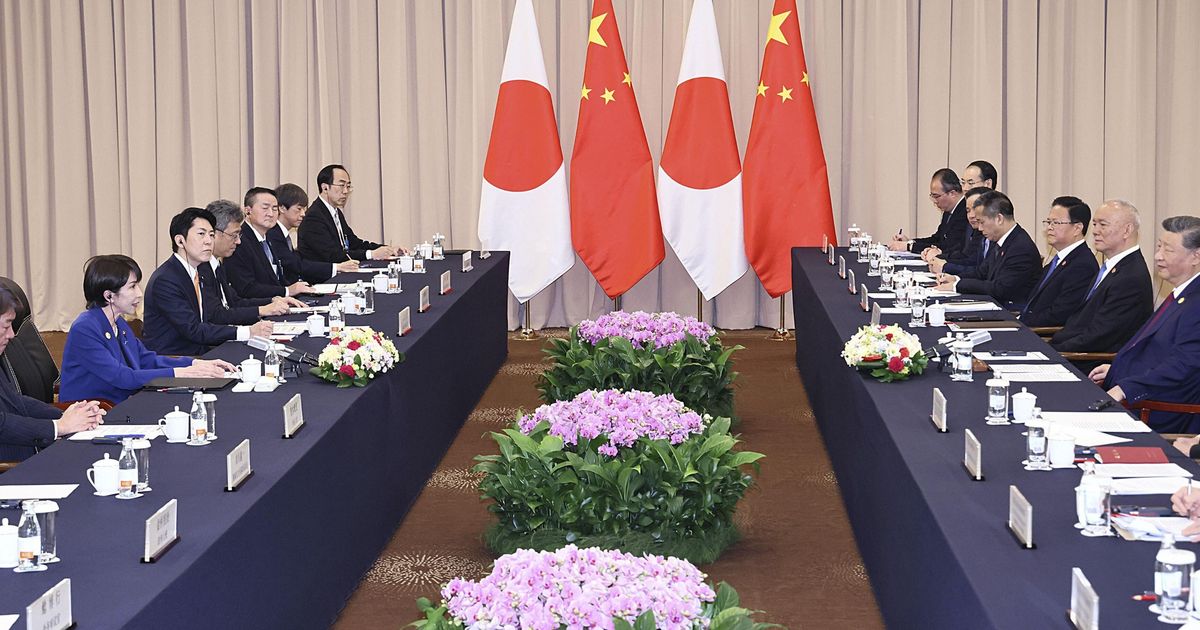
The emerging geopolitical landscape between China and Japan reveals a complex strategic chess match with profound implications for regional trade and cross-border commerce. At the epicenter of this tension lies the Taiwan contingency, where provocative military rhetoric and symbolic communication are transforming diplomatic interactions into potential economic warfare.
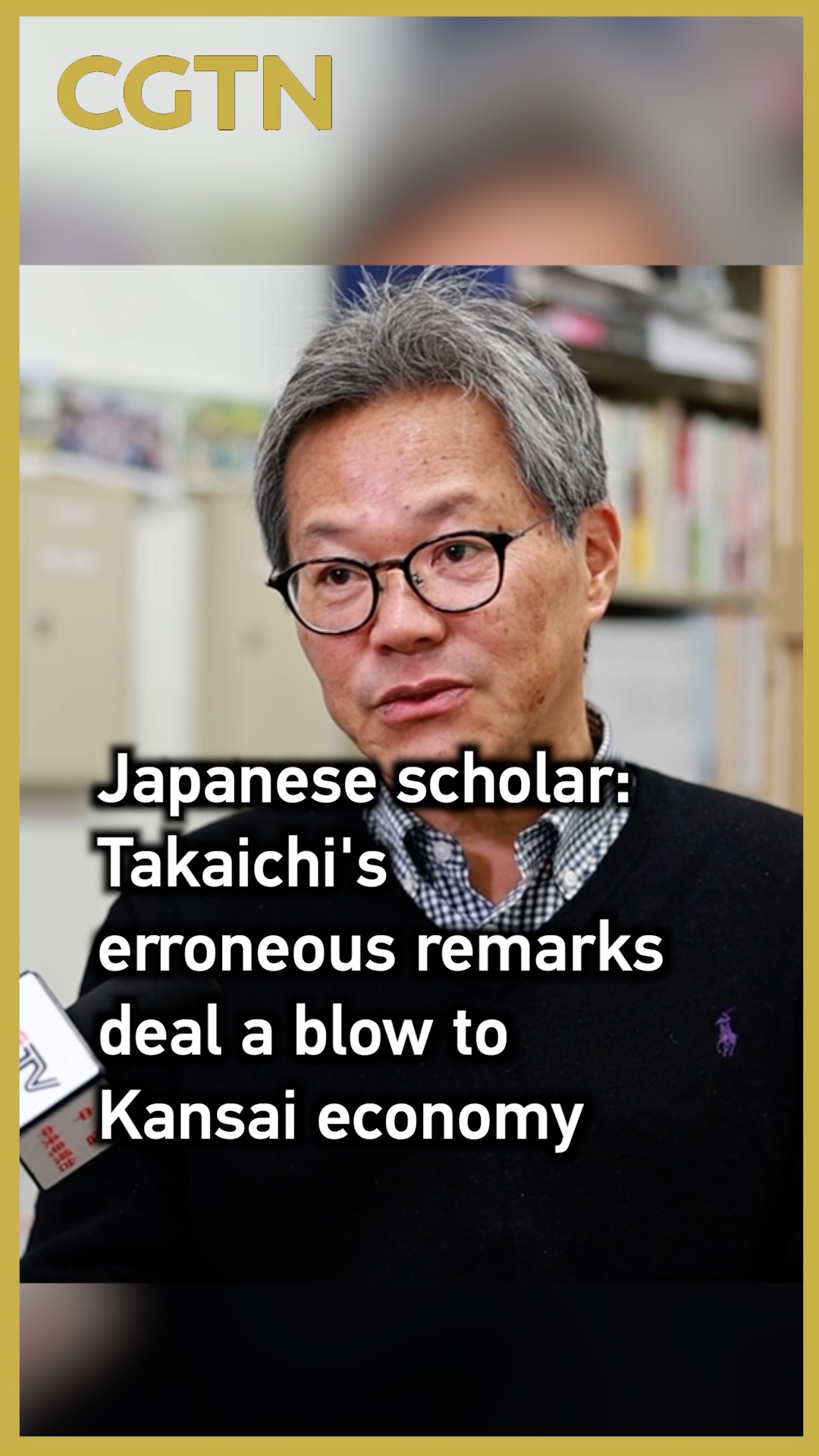
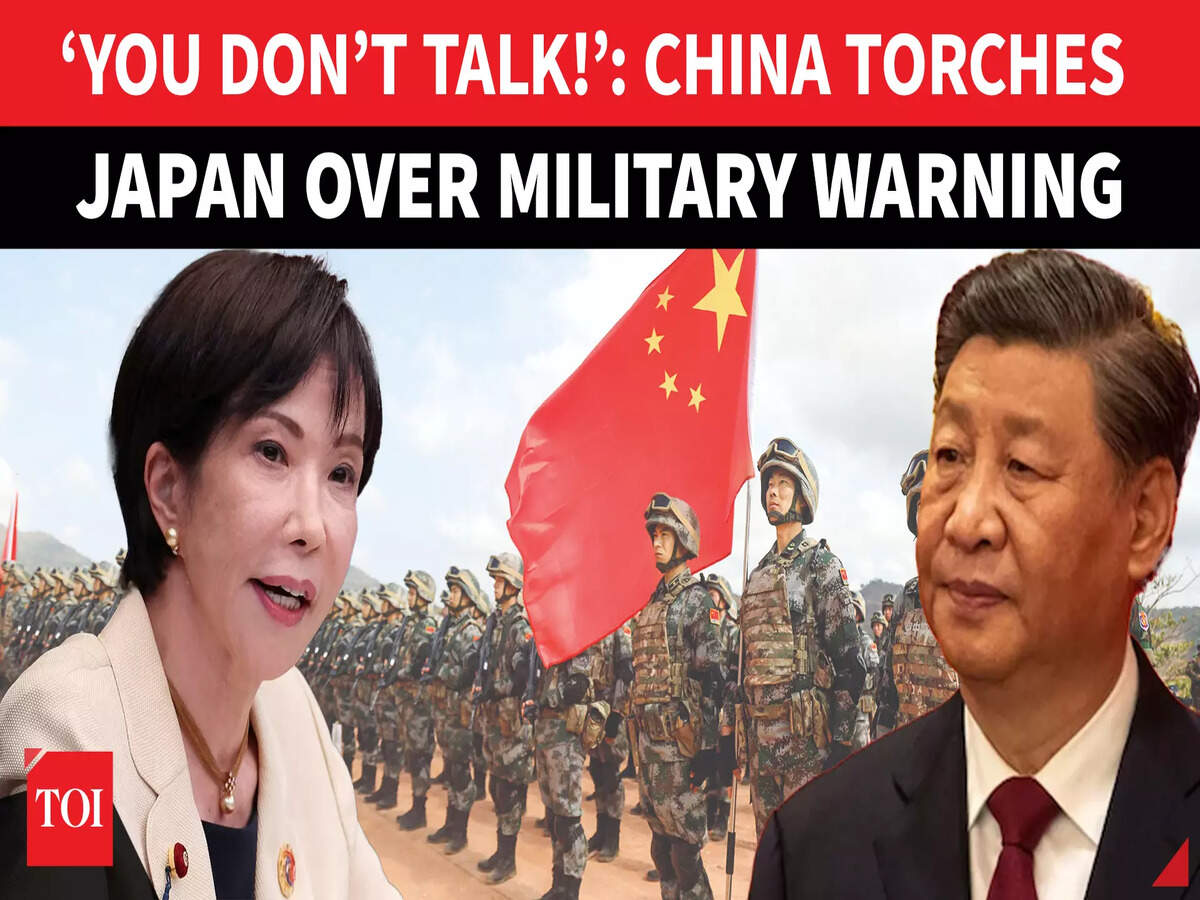
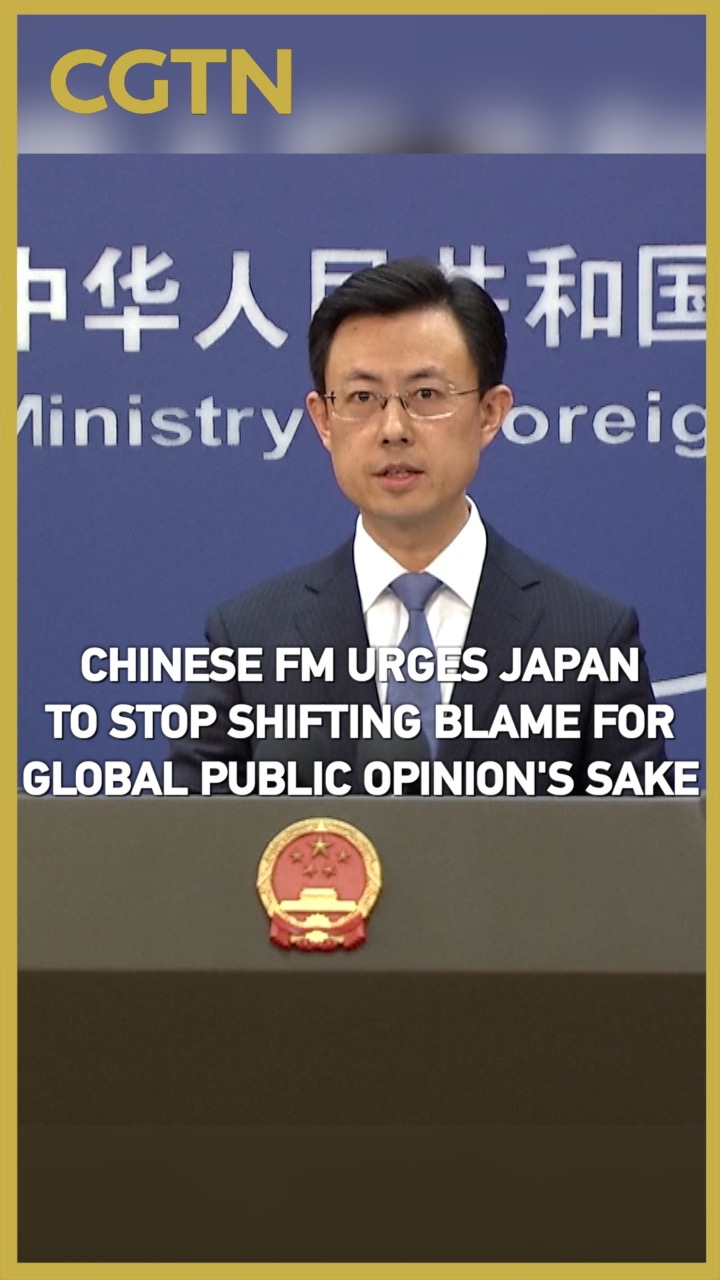
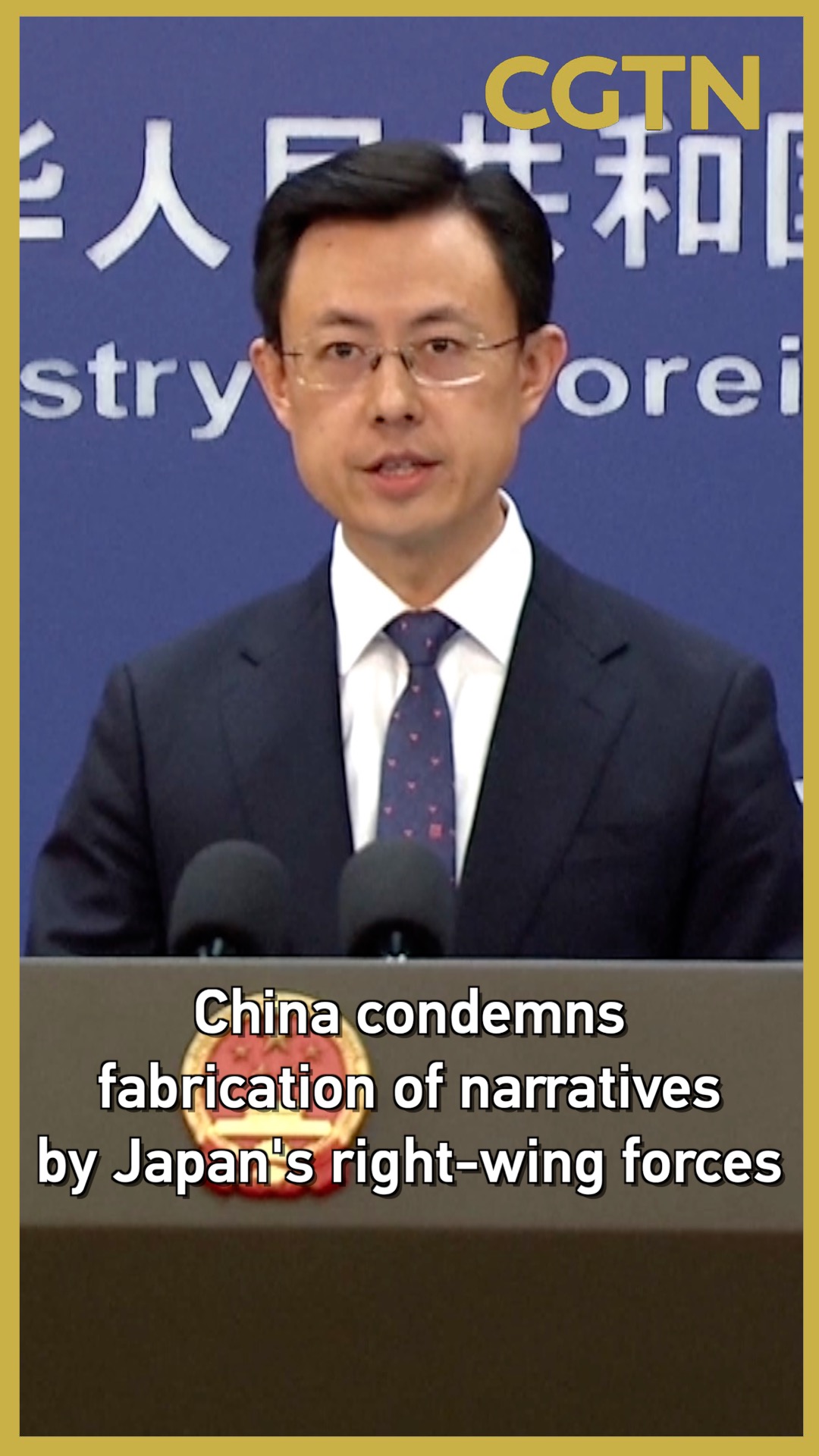
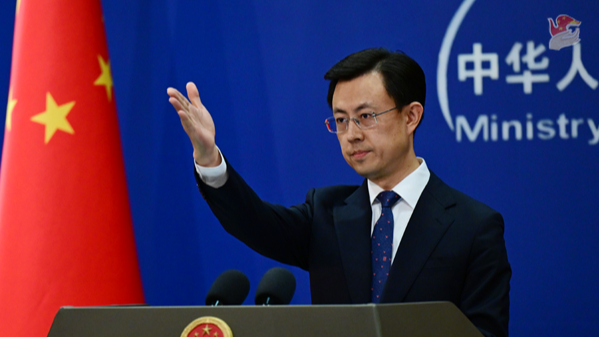
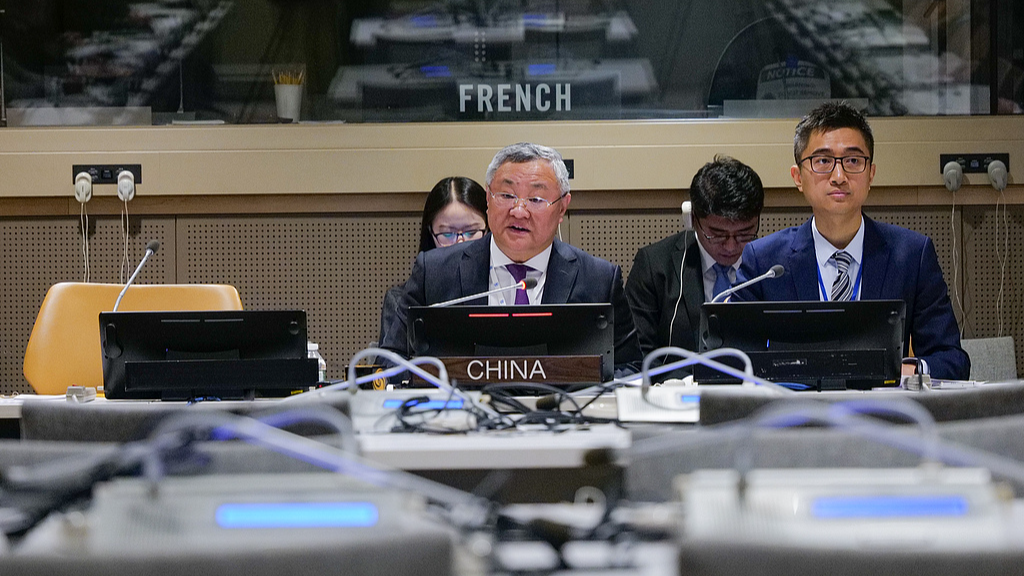
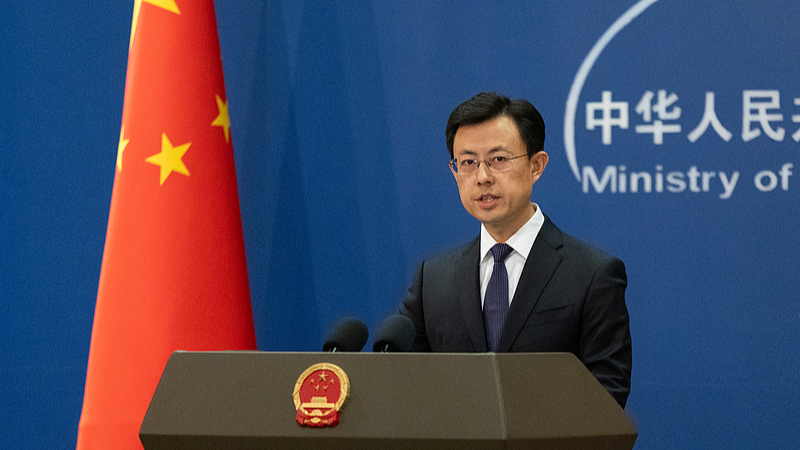
China's aggressive response to Japanese Prime Minister Takaichi Sanaes' comments about a potential Taiwan naval blockade demonstrates a multi-layered coercion strategy. By implementing targeted economic pressures—cancelling approximately 500,000 airline tickets, halting seafood imports, and discouraging Chinese tourism to Japan—Beijing is weaponizing economic interdependence. These tactics go beyond traditional diplomatic pushback, representing a sophisticated approach to geopolitical pressure that directly impacts cross-border business environments.
The strategic implications are particularly acute for cross-border e-commerce sellers in sectors like tourism, cultural exports, and seafood. With China implementing swift economic restrictions, businesses must rapidly develop resilient market diversification strategies. The 500,000 cancelled airline tickets symbolize more than travel disruption—they represent a calculated economic signal designed to inflict tangible commercial pain on Japanese economic interests.
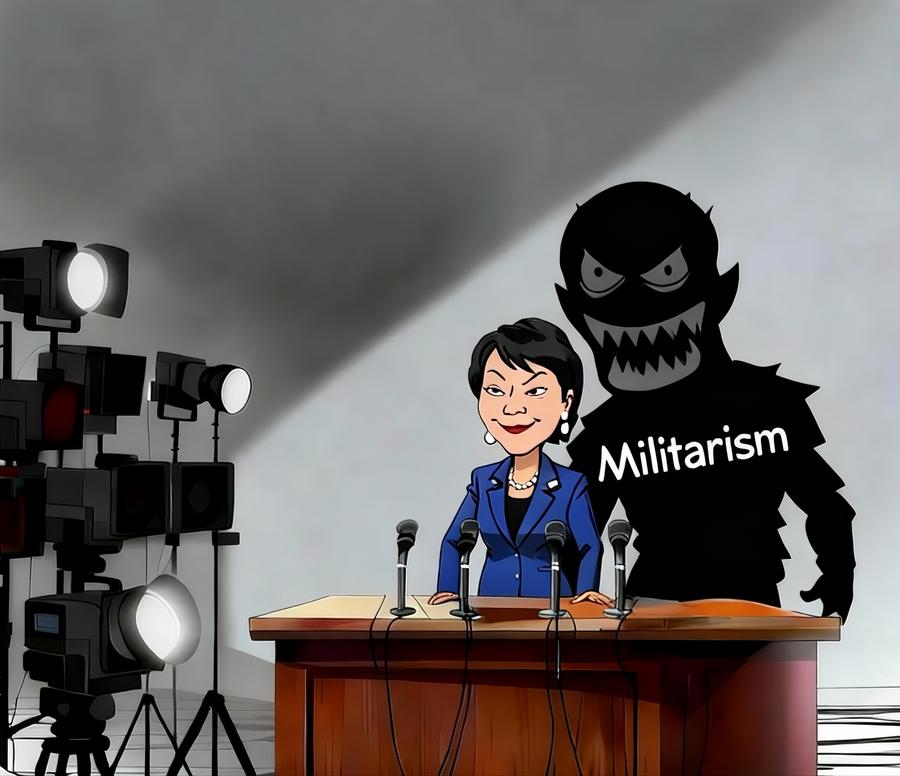
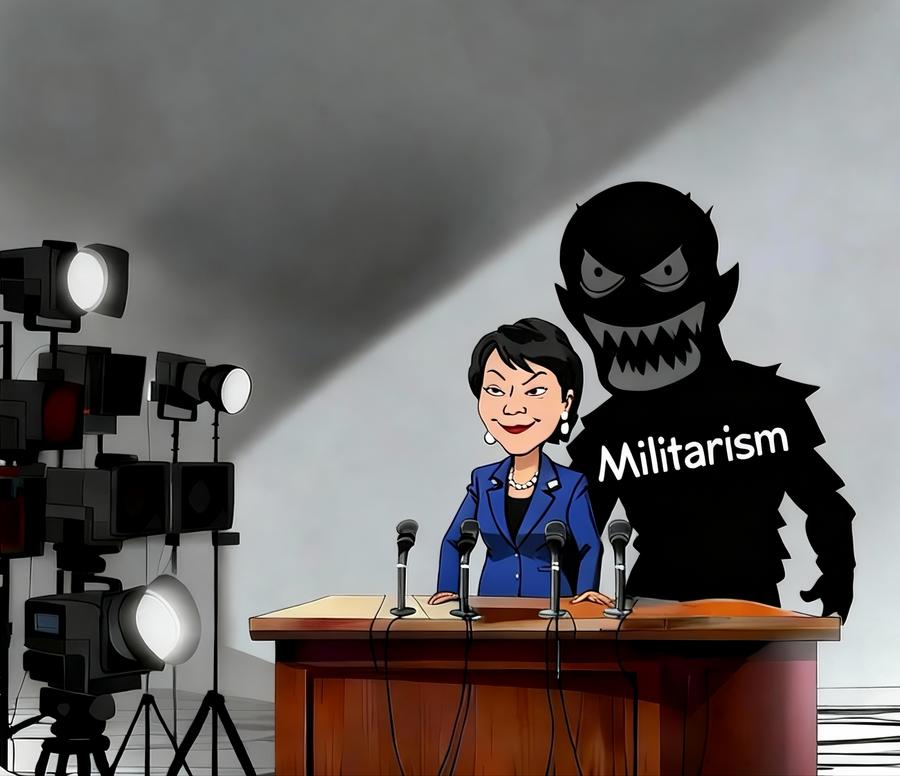
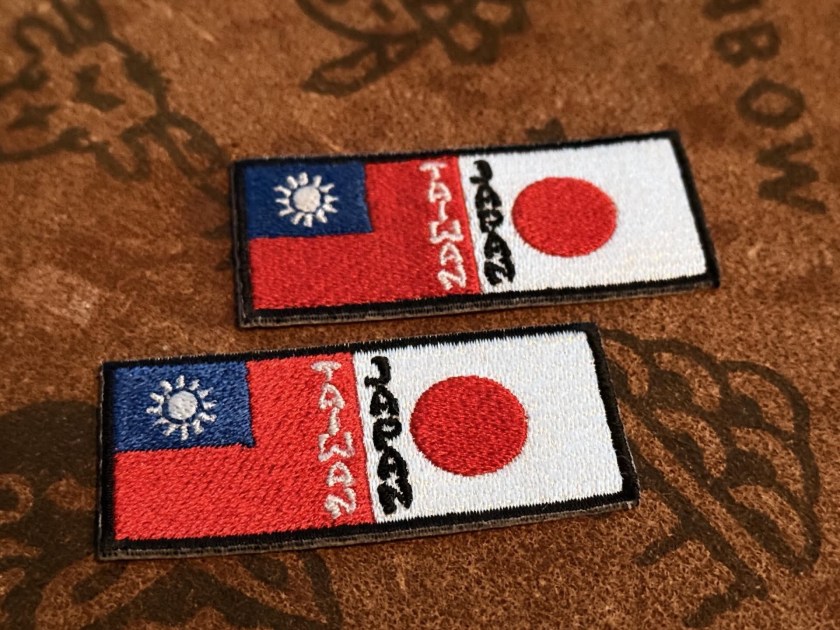
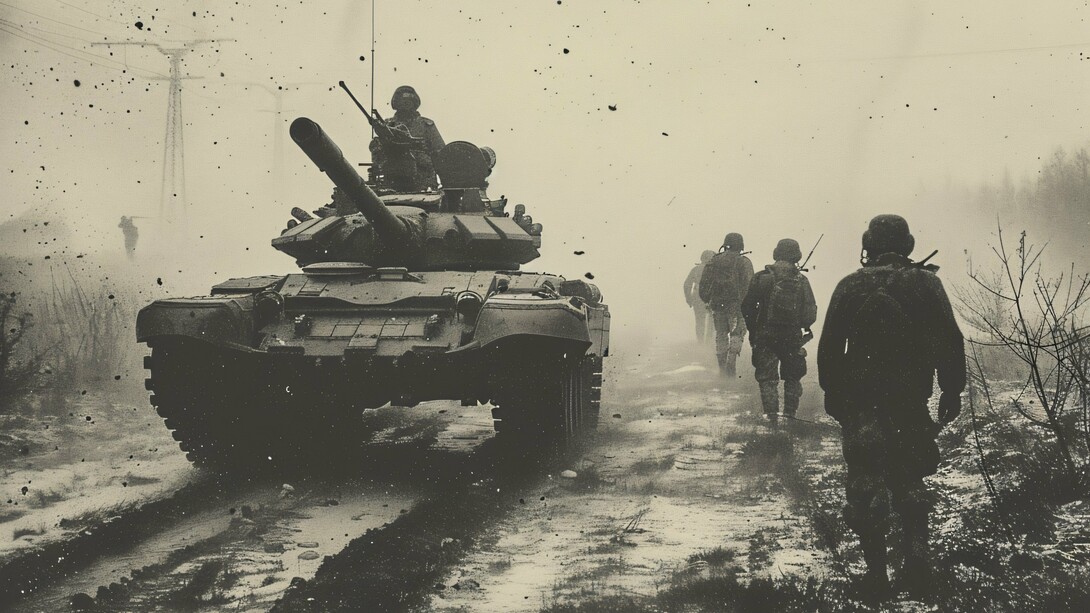
Critically, this confrontation occurs against a backdrop of complex historical tensions and emerging regional power dynamics. The Chinese military's provocative social media communications, including poetic language and symbolic imagery depicting territorial claims, suggest a deliberate psychological warfare strategy. By leveraging historical narratives and graphic visual metaphors, China is signaling its geopolitical intentions through sophisticated communication channels that extend beyond traditional diplomatic discourse.
For international businesses, the key takeaway is clear: geopolitical tensions are no longer abstract diplomatic discussions but direct operational risks. Sellers must develop agile contingency plans, diversify market exposure, and maintain granular awareness of regional political developments that can instantaneously transform economic landscapes.
Questions 3
What are the key strategic communication tactics being employed?
China is using sophisticated psychological warfare strategies, including provocative social media posts with poetic language and symbolic imagery. These communications go beyond traditional diplomacy, using historical narratives and graphic metaphors to signal geopolitical intentions and apply economic pressure on Japan.
How might these China-Japan tensions impact cross-border e-commerce sellers?
Sellers in tourism, cultural exports, and seafood industries face significant disruption risks. The economic coercion tactics, like cancelling 500,000 airline tickets and halting seafood imports, demonstrate how geopolitical tensions can instantly transform market access. Businesses must develop diversification strategies and maintain agile contingency plans to mitigate potential economic restrictions.