




Automotive Emissions Compliance: The $149.6 Million Mercedes Reckoning
- Regulatory Enforcement Signals Systemic Transformation in Automotive Environmental Standards
























Overview
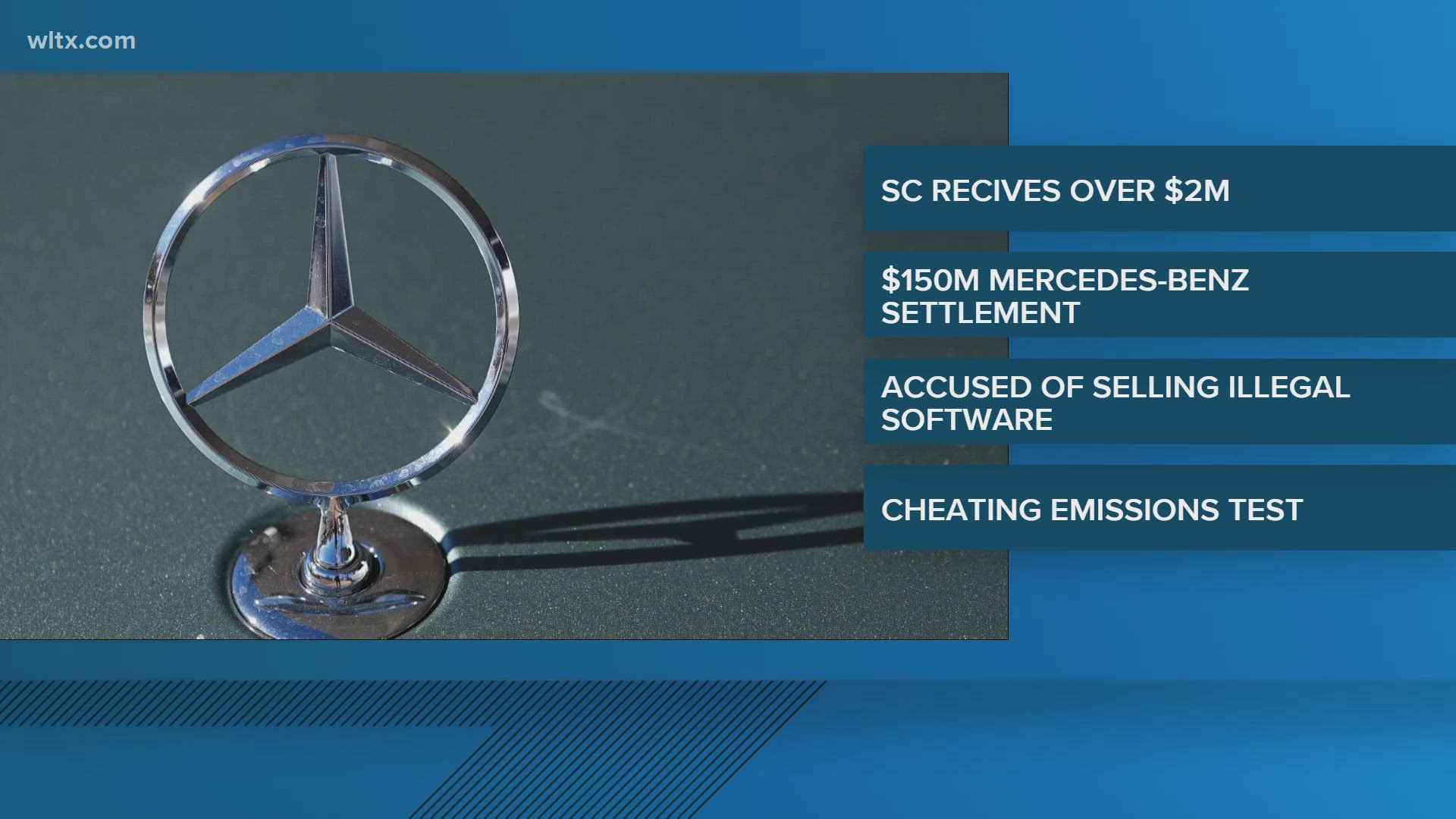
The automotive emissions compliance landscape is undergoing a profound transformation, with Mercedes-Benz's $149.6 million settlement revealing the escalating financial and regulatory risks of environmental manipulation. Between 2008 and 2016, Mercedes systematically deployed software optimization techniques that deliberately circumvented emissions testing protocols, enabling vehicles to exceed legal nitrogen oxide limits while marketing them as environmentally responsible.
Regulatory Pressure as a Competitive Barrier emerges as the critical insight from this settlement. The coalition of 50 attorneys general has demonstrated an unprecedented coordinated approach to holding automotive manufacturers accountable. By mandating not just financial penalties but also requiring approved emissions software updates and extended warranties, regulators are creating substantial compliance barriers that fundamentally reshape competitive dynamics.
The settlement's structure is particularly noteworthy. Mercedes must pay $120 million immediately, with an additional $29.6 million suspended contingent on completing a consumer relief program. This approach transforms a punitive measure into a strategic compliance mechanism, affecting approximately 39,565 vehicles. The $2,000 per vehicle compensation and mandatory software modifications represent a systemic approach to rectifying environmental misconduct.
Critically, this case is not an isolated incident but part of a broader regulatory trend. Similar actions against Volkswagen, Fiat Chrysler, and Robert Bosch GmbH signal a comprehensive automotive environmental enforcement strategy. Manufacturers are now facing not just financial penalties, but reputational damage and mandatory operational transformations that will reshape product development, testing protocols, and marketing practices.
For industry stakeholders, the message is clear: environmental compliance is no longer a optional consideration but a fundamental competitive requirement. Companies must proactively integrate robust emissions control mechanisms, transparent testing protocols, and genuine environmental commitment into their core strategic planning.
Questions 3
What broader implications does this settlement have for the automotive industry?
This settlement signals a systemic shift towards stringent environmental compliance. Automotive manufacturers must now integrate robust emissions control mechanisms into product development, anticipate comprehensive regulatory scrutiny, and view environmental standards as a core competitive requirement rather than an optional consideration.
How significant are the financial consequences for Mercedes-Benz?
The $149.6 million settlement is part of a larger pattern of financial penalties, following a previous $1.5 billion payment to U.S. government and California regulators in 2020. Beyond direct monetary costs, the settlement includes mandatory software updates, extended warranties, and potential long-term reputational damage.