



Media Titans Clash: How Paramount's Bold Acquisition Strategy Rewrites Corporate Playbooks
- Billionaire Dealmaking Transforms Streaming Platform Competitive Landscape









Overview
The media industry is witnessing a seismic strategic realignment driven by unprecedented corporate maneuvering. At the epicenter of this transformation stands Paramount's audacious bid to acquire Warner Bros. Discovery, a move that transcends traditional acquisition strategies and reveals the emerging power dynamics of digital content platforms.
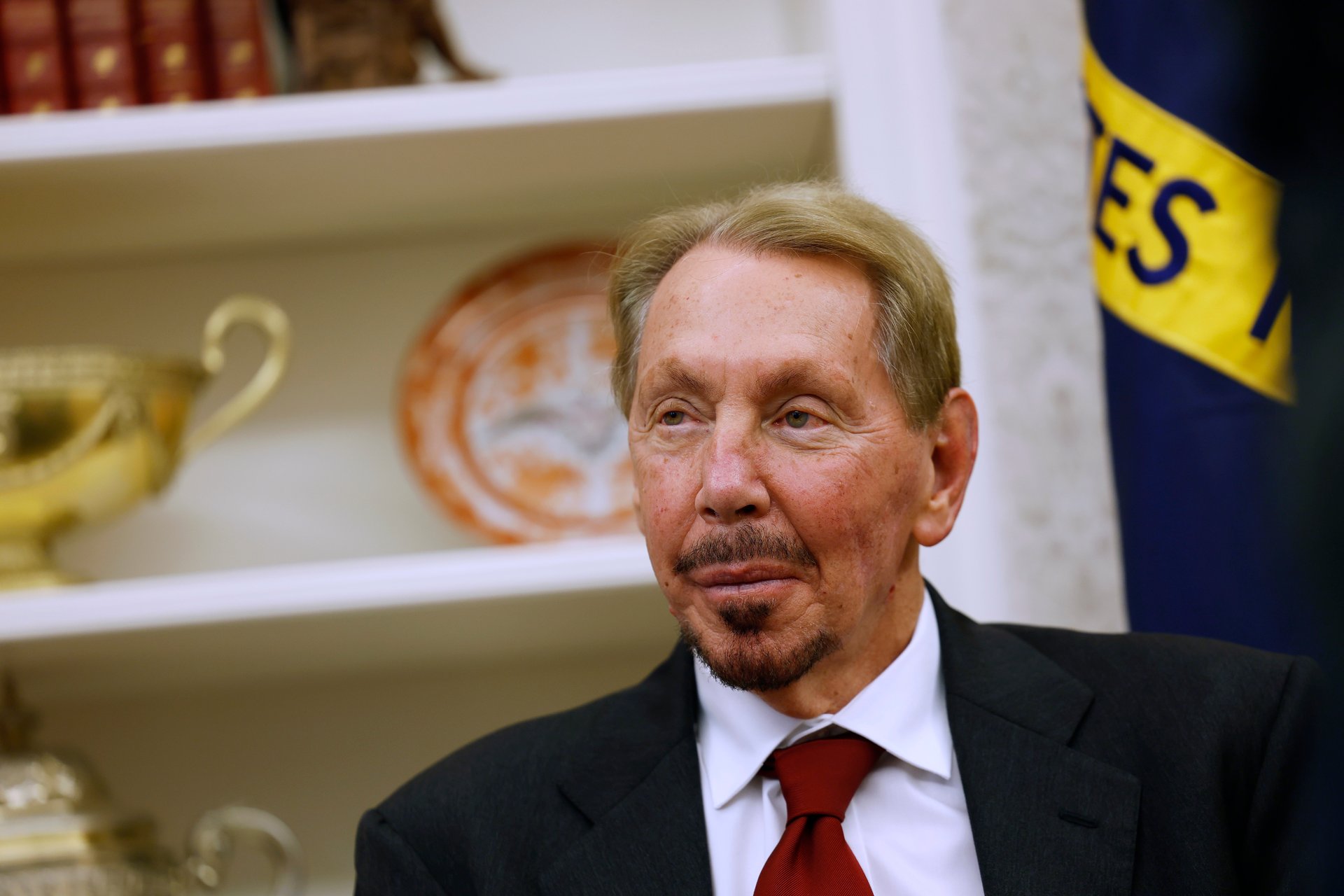
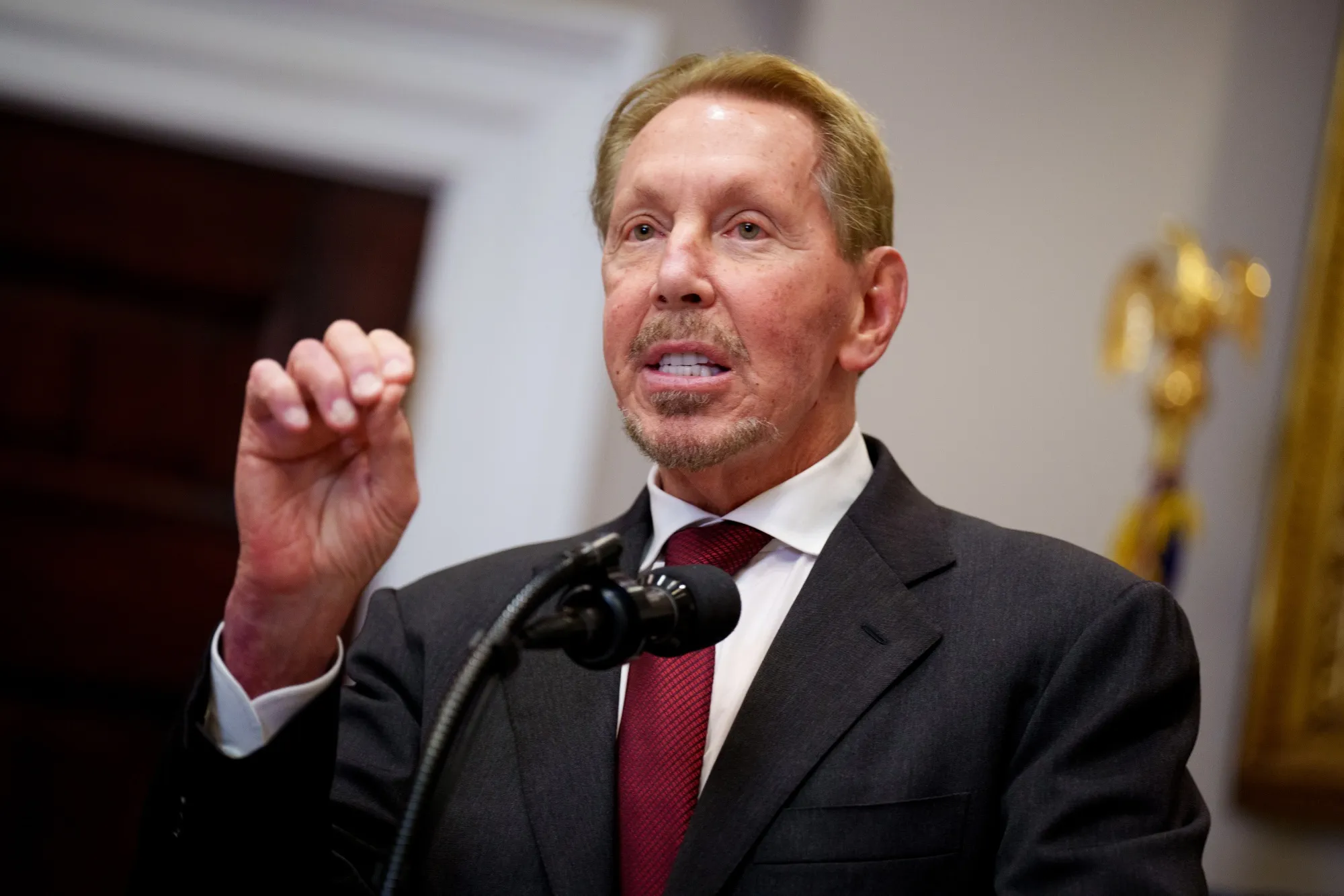
Larry Ellison's unprecedented personal financial guarantee of $40.4 billion represents more than a mere transaction—it signals a fundamental shift in how billionaire investors approach media investments. By personally backstopping Paramount's bid, Ellison is challenging conventional wisdom about corporate risk and family-led business strategies. This isn't just a financial bet; it's a strategic repositioning that suggests tech billionaires now view media platforms as critical infrastructure rather than simple entertainment assets.
The strategic masterstroke emerges through Makan Delrahim's pivotal role. A former antitrust regulator who previously blocked media deals, Delrahim has transformed from government enforcer to corporate architect. His transition from the Justice Department to Paramount's legal team epitomizes the blurring lines between regulatory oversight and corporate strategy. By leveraging his deep regulatory knowledge, Delrahim provides Paramount with a unique competitive advantage in navigating complex legal landscapes.
Paramount's $108.4 billion bid directly challenges Netflix's existing acquisition agreement, revealing a high-stakes competitive battlefield. The offer's structure—$30 per share, all cash, with robust financial backing—demonstrates a calculated approach to disrupting existing market dynamics. This isn't just about acquiring assets; it's about reshaping the entire streaming ecosystem's competitive architecture.
The broader implications are profound. We're witnessing a strategic inflection point where traditional tech boundaries dissolve, regulatory expertise becomes a corporate asset, and personal wealth transforms into geopolitical economic leverage. For industry observers, this represents more than a media acquisition—it's a blueprint for how strategic innovation will be conducted in the digital age.
Questions 3
How does Makan Delrahim's background provide Paramount a competitive advantage?
As a former Justice Department antitrust chief, Delrahim brings deep regulatory insights. His experience blocking previous media deals now helps Paramount craft a legally sophisticated acquisition strategy, effectively turning potential regulatory obstacles into strategic opportunities.
What makes Larry Ellison's financial guarantee unique in this media acquisition?
Ellison is personally guaranteeing $40.4 billion, which is unprecedented. Unlike typical corporate acquisitions, he's risking personal wealth and potentially selling Oracle stock, signaling extraordinary confidence in Paramount's strategy and the media sector's future potential.