

Tiny Japanese Kei Cars: A Niche Revolution Challenging American Automotive Paradigms
- Exploring the Potential Disruption of Ultracompact Vehicles in the U.S. Automotive Market





Overview
The emergence of kei cars represents a fascinating microcosm of automotive innovation and cultural collision, challenging deeply entrenched American vehicle preferences. These ultracompact Japanese vehicles, priced under $15,000 and engineered for maximum utility in minimal space, are sparking an intriguing debate about transportation design, safety regulations, and consumer mobility expectations.
Market Resistance and Enthusiast Potential: Despite President Trump's unexpected endorsement, kei cars face substantial barriers in the U.S. automotive landscape. The subcompact segment represents less than 1% of the market, with previous attempts like the Smart fortwo failing to gain meaningful traction. However, a growing community of automotive enthusiasts sees these vehicles as more than just transportation—they represent a radical reimagining of personal mobility.
Regulatory and Cultural Challenges: The primary obstacles are not just market preferences but stringent U.S. safety standards. Kei cars currently cannot be imported new, with only vehicles over 25 years old legally permitted. Their tiny size raises significant safety concerns, lacking comprehensive crumple zones and presenting direct knee impact risks in potential accidents. Groups like the Capital Kei Car Club argue that these vehicles offer unique advantages such as excellent visibility and potential pedestrian safety benefits.
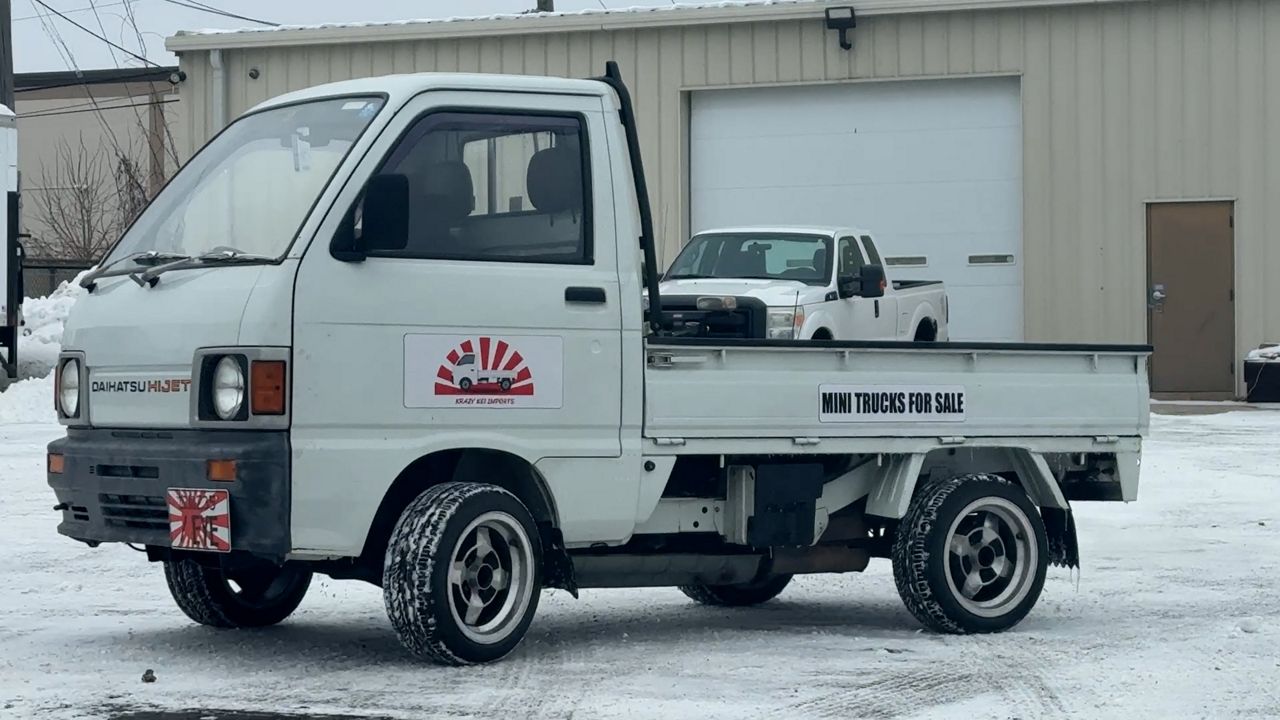
Innovative Design Meets Practical Utility: Remarkably, these miniature vehicles demonstrate surprising versatility. Take Ryan Douglass's experience: he replaced a midsize American pickup with a compact Japanese truck that still accommodates a full 6-foot bed. This challenges conventional assumptions about vehicle size and functionality, suggesting that compact design does not necessarily mean compromised utility.
The kei car phenomenon illuminates broader questions about automotive innovation, regulatory frameworks, and the evolving definition of personal transportation. While widespread adoption remains unlikely without substantial shifts in consumer preferences and industry strategies, these vehicles represent a provocative alternative to the dominant large-vehicle paradigm in American automotive culture.
Questions 3
Could regulatory changes improve kei cars' market potential?
Potential regulatory modifications could open doors for kei cars, but this would require substantial shifts in safety standards and significant changes in both automotive industry strategies and consumer preferences. Any successful integration would need to address current safety concerns while demonstrating the practical benefits of these ultracompact vehicles.
Why are kei cars struggling to enter the U.S. market?
Kei cars face multiple barriers including strict U.S. safety regulations, consumer preference for larger vehicles, and the subcompact segment representing less than 1% of the market. Current import restrictions mean only vehicles over 25 years old can be legally brought into the country, significantly limiting market access.