


Tech Cold War Escalates: US Drone Policy Reshapes Global Technology Battleground
- Geopolitical technology restrictions create massive market disruption for cross-border drone manufacturers


























Overview
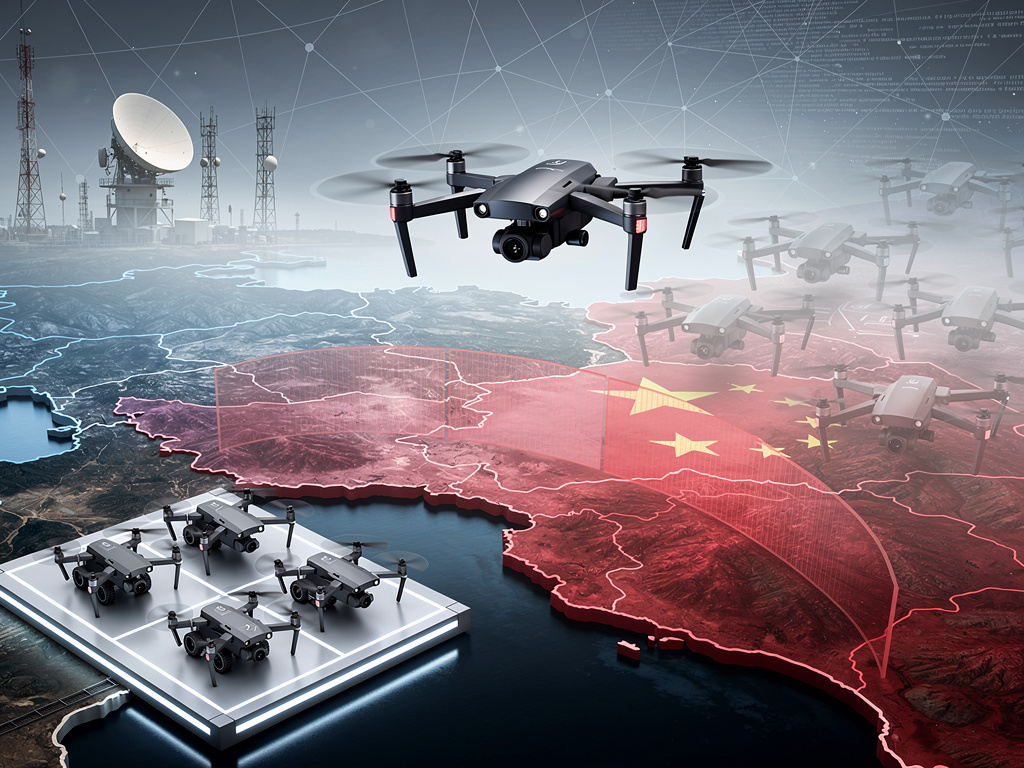
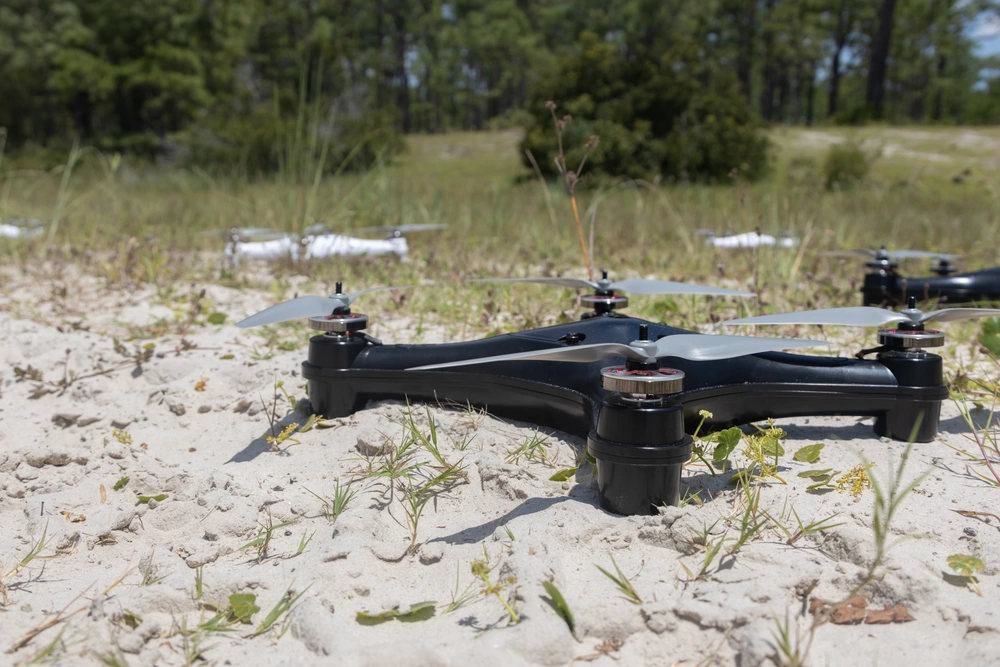
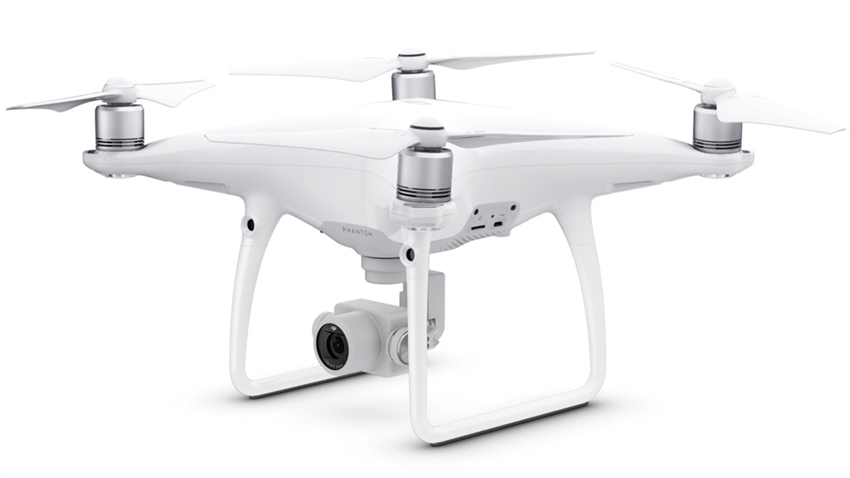
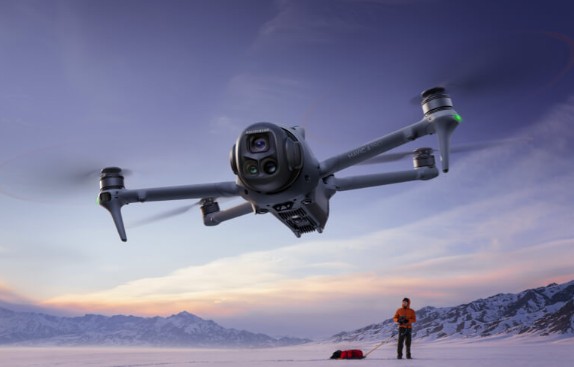
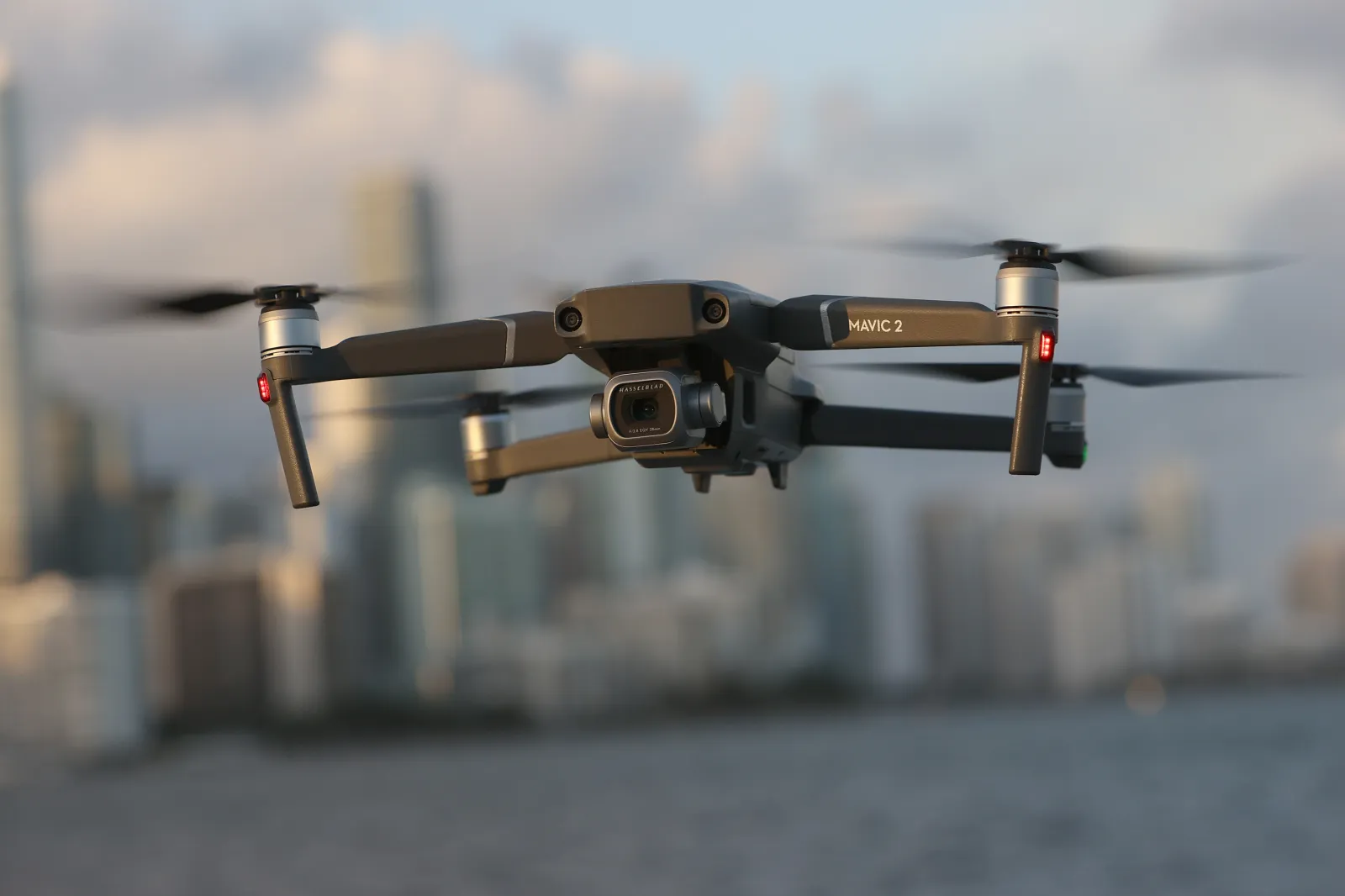
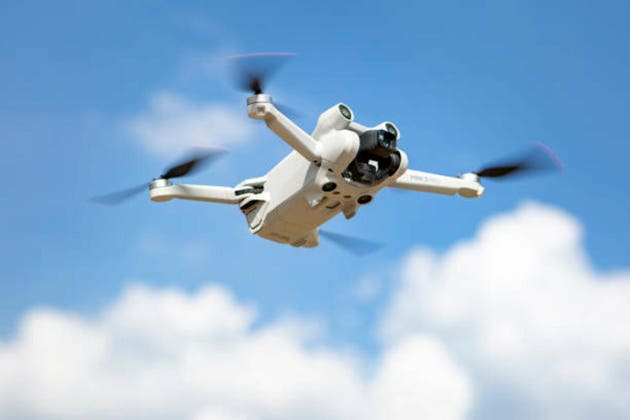
The United States has unleashed a strategic technological blockade against Chinese drone manufacturers, particularly DJI, that signals a profound shift in international technology competition. By effectively banning new foreign drone models through the Federal Communications Commission (FCC), the U.S. government is weaponizing regulatory policy to reshape the global technology landscape.
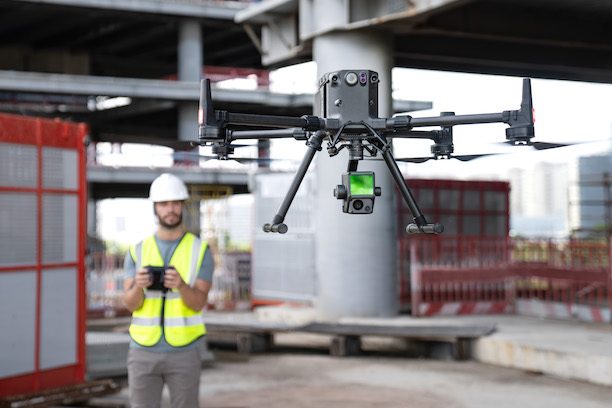
The ban targets critical national security vulnerabilities, with the FCC adding foreign drone manufacturers to a "Covered List" that essentially freezes out Chinese technological innovation from the U.S. market. Critically, the policy demonstrates surgical precision—existing drone models remain operational, preventing immediate disruption to half a million registered drone pilots across critical sectors like agriculture, law enforcement, and infrastructure monitoring.
This move represents more than a simple trade restriction; it's a calculated geopolitical strategy to accelerate domestic technological sovereignty. By creating market barriers, the U.S. is compelling domestic manufacturers to rapidly develop competitive drone technologies. The policy follows a consistent pattern of technological decoupling, mirroring previous actions against companies like Huawei and ZTE.
For cross-border technology sellers, the implications are seismic. Market access is no longer guaranteed by technological superiority but increasingly determined by geopolitical alignment. Chinese manufacturers like DJI, which currently dominate approximately 70% of the global drone market, must now navigate an increasingly fragmented technological ecosystem where national security concerns trump market efficiency.
The strategic calculus is clear: by constraining foreign technological access, the United States aims to create a protective environment for domestic innovation. This approach transforms technological competition from a purely market-driven domain into a geopolitical chess match, where regulatory frameworks become as crucial as engineering capabilities.
Questions 3
What are the broader implications for cross-border technology trade?
The ban signals a significant shift towards technology nationalism, where national security concerns override traditional market dynamics. Technology companies must now consider geopolitical risks alongside traditional business strategies, potentially fragmenting global technology ecosystems.
How might U.S. domestic drone manufacturers benefit from this policy?
The regulatory environment creates a protected market for U.S. drone manufacturers, offering them a significant competitive advantage. With reduced foreign competition, these companies can attract investment, accelerate innovation, and potentially capture market share previously dominated by international players.