





Regulatory Squeeze Tightens: How Apple's App Tracking Policy Triggers Massive Compliance Crackdown
- European Regulators Expose Critical Vulnerabilities in Tech Giants' Data Consent Mechanisms
























Overview
Regulatory compliance has emerged as a critical battleground for tech platforms, with Apple facing a landmark €115.8 million fine that exposes fundamental weaknesses in its data tracking approach. The Italian competition authority (AGCM) has effectively weaponized privacy regulations to challenge Apple's market dominance, signaling a profound shift in how digital platforms must navigate user consent mechanisms.
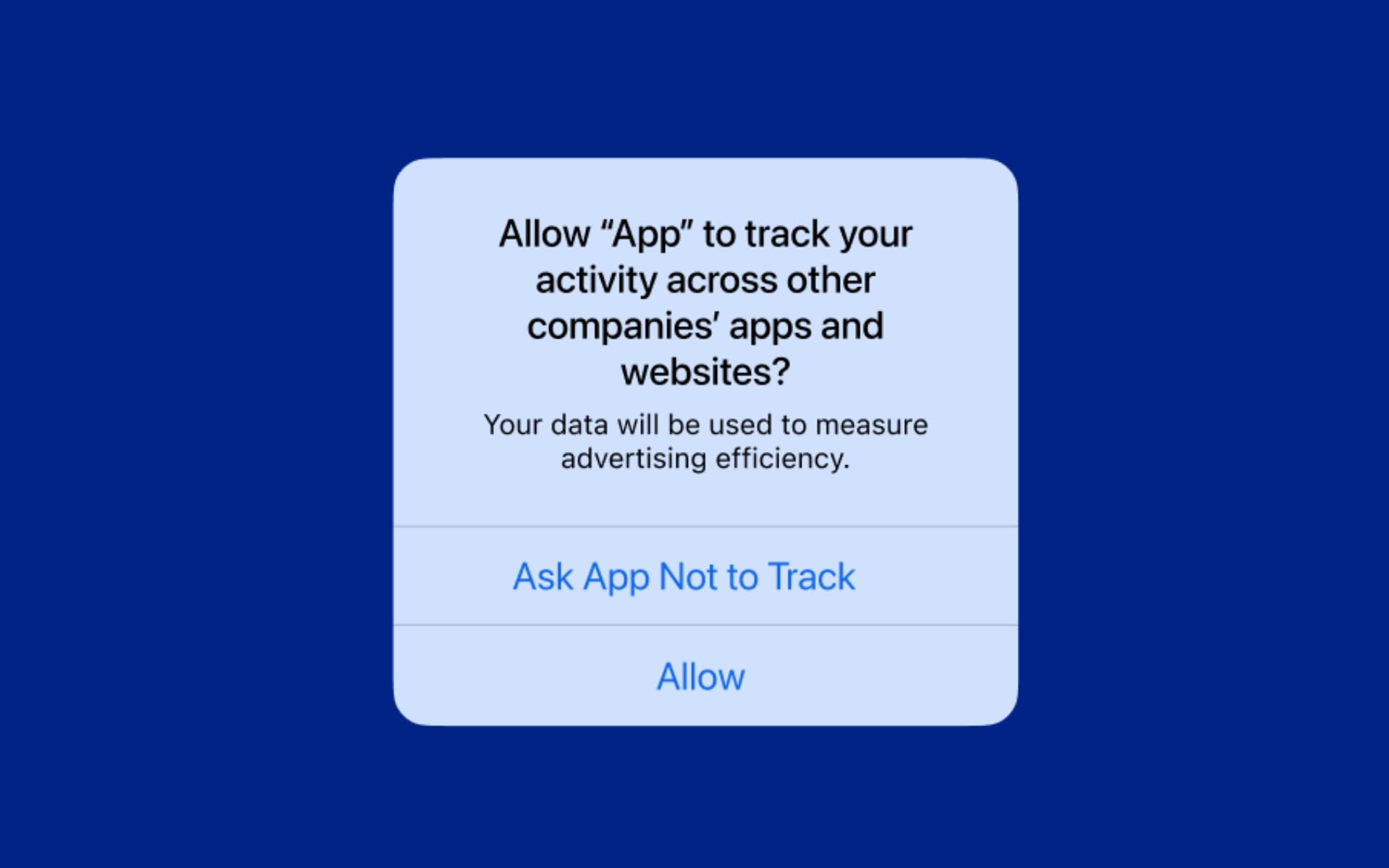
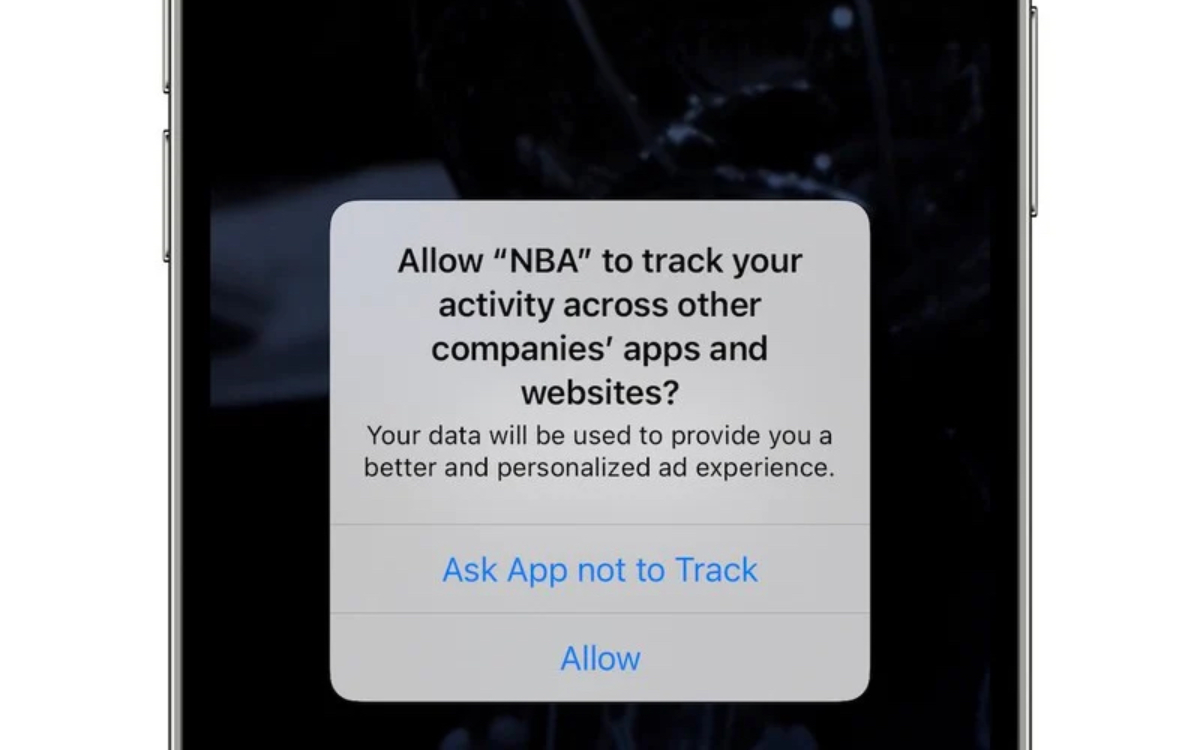
The core of this regulatory assault lies in Apple's app-tracking transparency policy, which the AGCM argues creates an unnecessarily complex and potentially anti-competitive consent process. By requiring developers to obtain user consent twice for essentially the same data collection purpose, Apple has inadvertently created a regulatory vulnerability that European watchdogs are now exploiting.
Compliance barriers are rapidly transforming from administrative hurdles into strategic weapons. This fine represents more than a monetary penalty—it's a strategic intervention that could force fundamental redesigns of data collection practices across the digital ecosystem. For app developers and cross-border e-commerce sellers, the implications are profound. The ruling suggests that data consent mechanisms are no longer just a privacy concern, but a critical competitive differentiator.
The most significant impact may be the market winnowing effect. Smaller developers lacking sophisticated legal and compliance resources will find it increasingly challenging to navigate these complex regulatory landscapes. Large platforms like Apple are being forced to either simplify their consent processes or risk continuous regulatory challenges. This creates a potential compliance moat that could systematically eliminate less-resourced market participants.
Critically, this action is part of a broader European trend of aggressive tech regulation. The AGCM's approach signals that privacy is no longer just a user protection issue, but a fundamental competitive and market structure concern. Companies must now view their data consent strategies as core strategic assets, not merely technical implementations.
Questions 4
What specific compliance challenge does Apple face with its current app tracking policy?
Apple's policy requires developers to obtain user consent twice for data collection, which the Italian regulator (AGCM) considers an anti-competitive practice. This creates a complex consent mechanism that potentially undermines app developers' interests and exposes Apple to significant regulatory risks.
How might this regulatory action impact app developers and e-commerce sellers?
Developers will need to carefully redesign their data consent strategies, potentially facing increased compliance costs. Smaller companies might struggle to meet these complex requirements, potentially creating a market advantage for larger, more resourced platforms with sophisticated compliance teams.