



Gold's Geopolitical Surge: How Precious Metals Are Rewriting Global Financial Strategies
- Unprecedented market dynamics reshape investment approaches for cross-border financial professionals













Overview
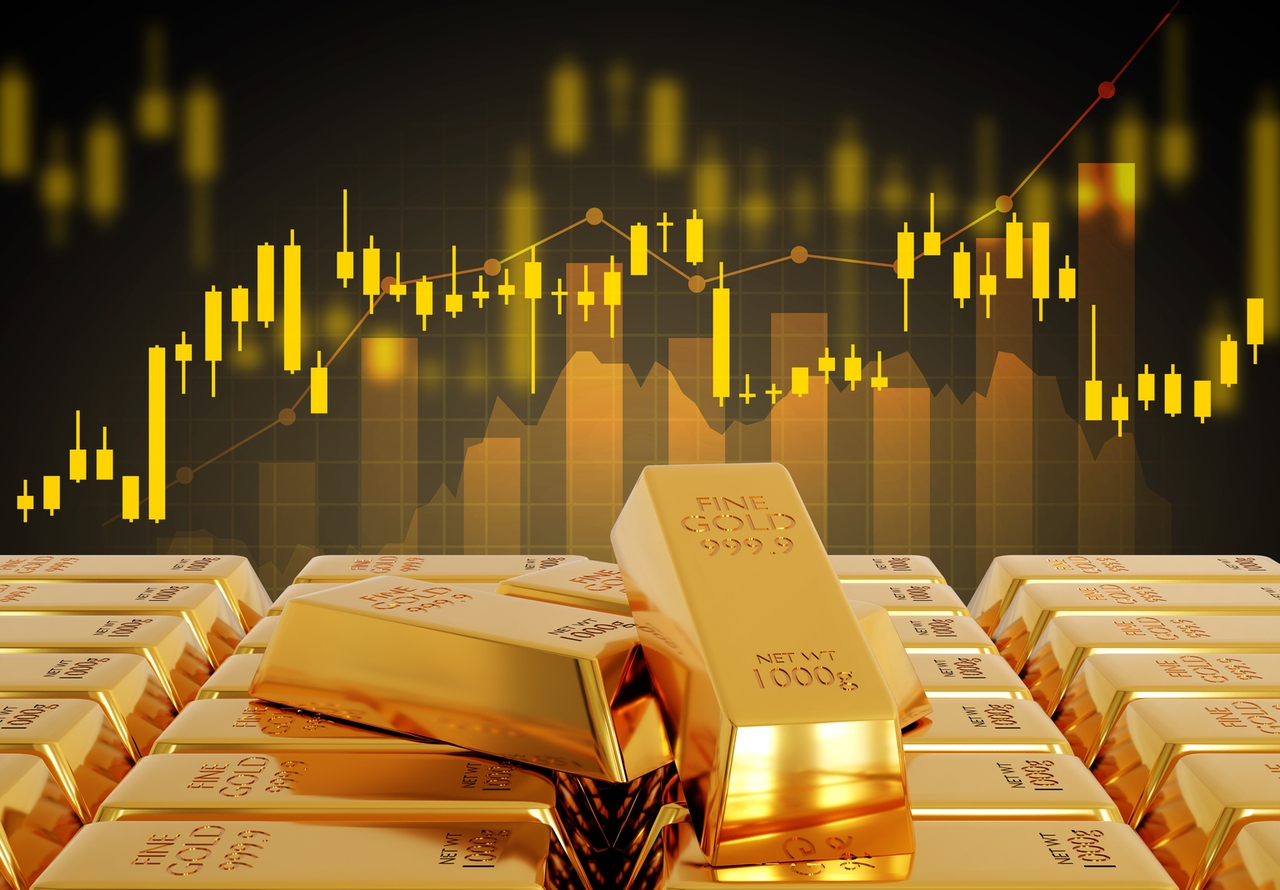
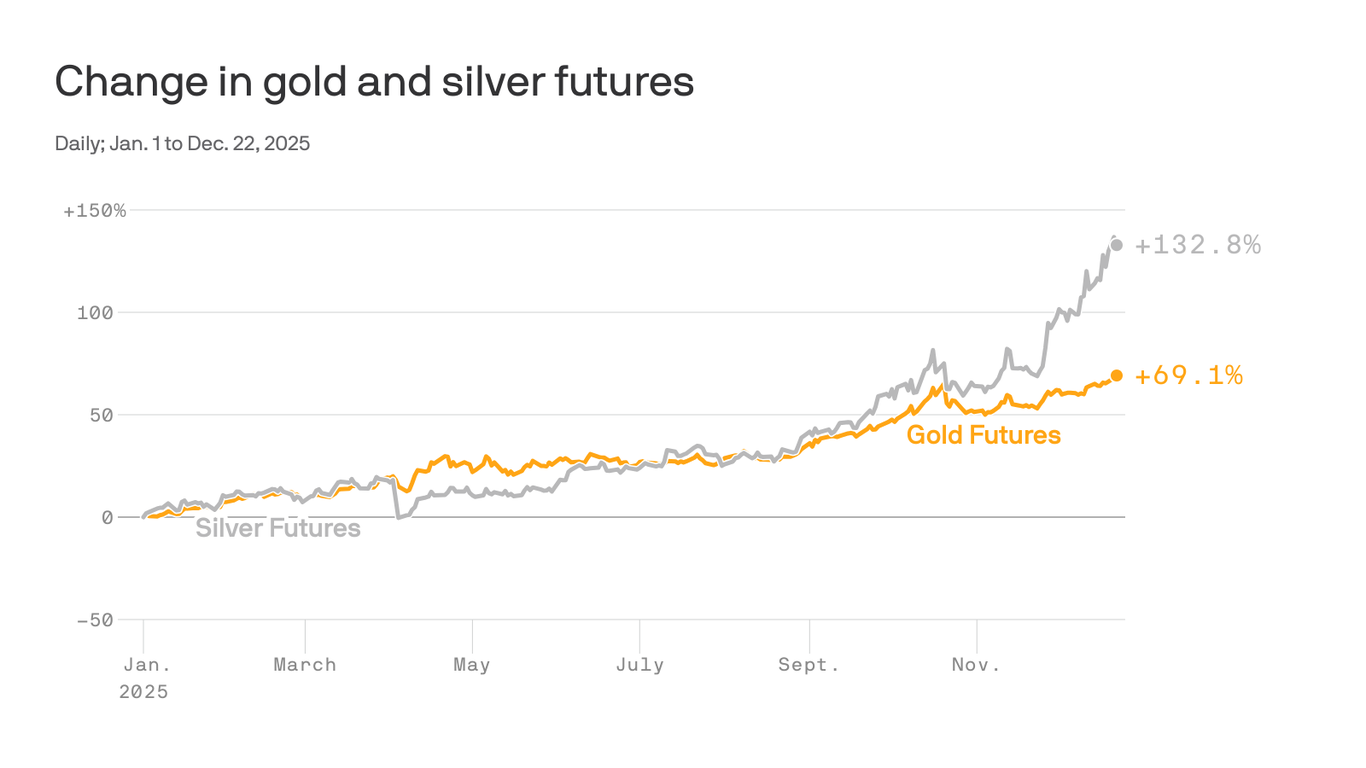
The global financial landscape is experiencing a transformative moment, with precious metals emerging as a critical strategic asset amid complex geopolitical tensions and monetary policy shifts. Gold has reached an extraordinary milestone, surging nearly 70% this year and hitting an all-time high of $4,477.70 per troy ounce, driven by a perfect storm of economic uncertainties and strategic investor repositioning.
The current gold rally is not merely a price movement but a sophisticated financial signal. Institutional investors are increasingly viewing gold as a superior store of value, outperforming digital assets like Bitcoin and providing a robust hedge against currency fluctuations. The underlying drivers are multifaceted: expectations of Federal Reserve interest rate cuts, substantial central bank purchases, and heightened geopolitical tensions—particularly surrounding U.S.-Venezuela dynamics—are creating a compelling narrative for precious metal investments.
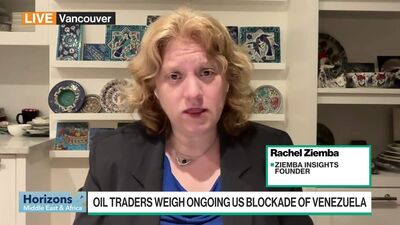
Financial expert Ziemba's analysis highlights a critical perspective: the U.S. dollar's weakening is fundamentally reshaping investment strategies. With anticipated softer economic conditions in 2026 and potential currency appreciation of the Chinese yuan, gold represents more than a traditional safe-haven asset—it's becoming a strategic financial instrument for navigating global economic complexity.
For cross-border financial professionals, this surge presents nuanced opportunities. The precious metals market demonstrates remarkable sensitivity to global economic shifts, offering potential hedging strategies, diversification opportunities, and risk management tools. The parallel price increases in platinum and palladium further underscore the broader commodity market's interconnected dynamics.
Critically, while the current gold surge appears robust, experts like Robert Yawger from Mizuho Securities caution against assuming these trends are indefinitely sustainable. The market remains highly responsive to monetary policy expectations, geopolitical tensions, and subtle economic indicators.
Questions 3
What are the potential risks in the current precious metals market?
While the gold market shows strong performance, experts caution against assuming indefinite growth. Risks include potential volatility from geopolitical tensions, shifts in monetary policy, and the possibility that current safe-haven flows might not be sustainable in the long term.
Why are institutional investors increasingly interested in gold?
Institutional investors view gold as a superior store of value due to its performance against digital assets, ability to hedge against currency fluctuations, and resilience during economic uncertainties. The current market conditions, including expected Federal Reserve interest rate cuts and geopolitical tensions, make gold an attractive strategic asset.