




College Football's Strategic Quarterback Commitment Signals Stability in Uncertain Athletic Landscape
- Emerging talent Nico Iamaleava's decision highlights program continuity amid transfer portal dynamics















Overview
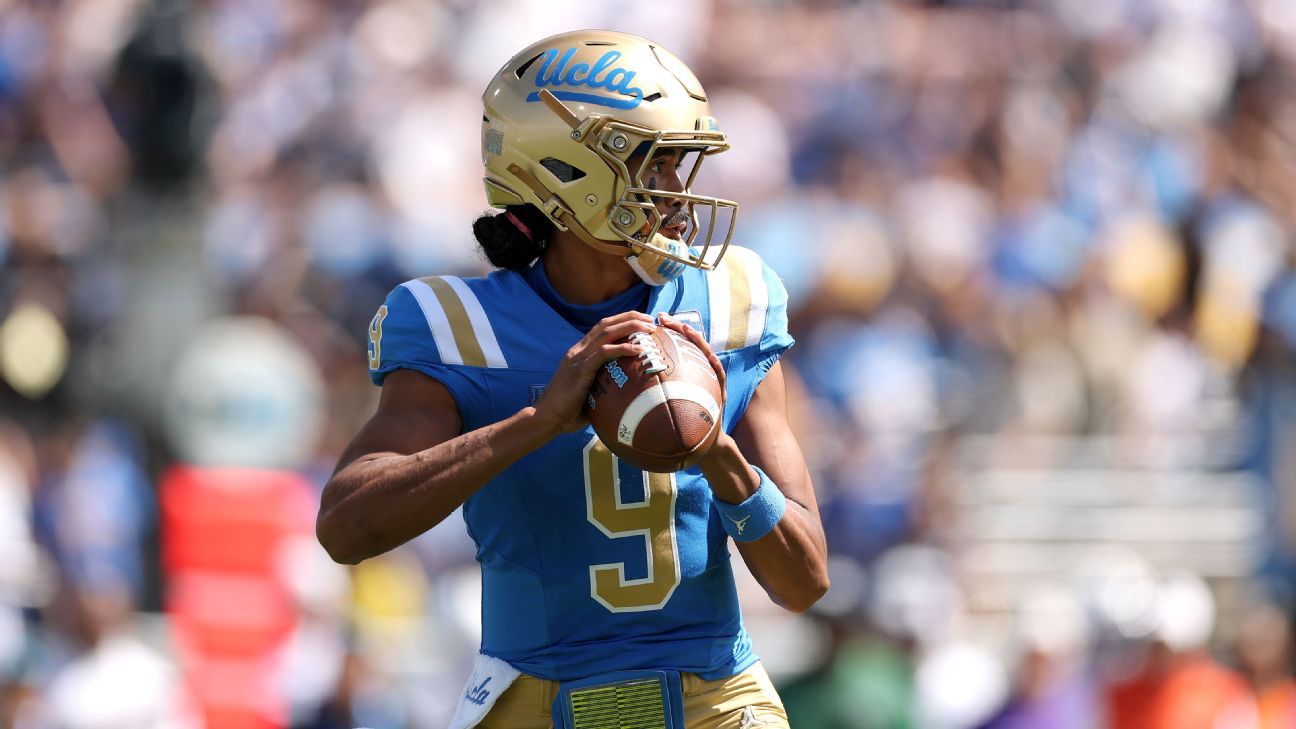
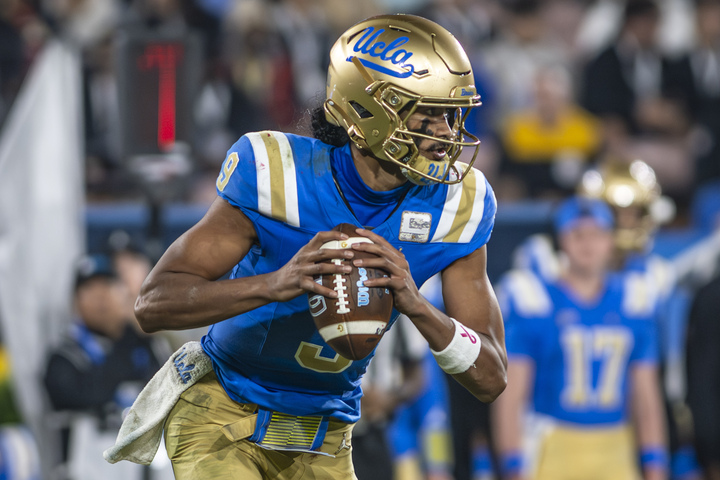
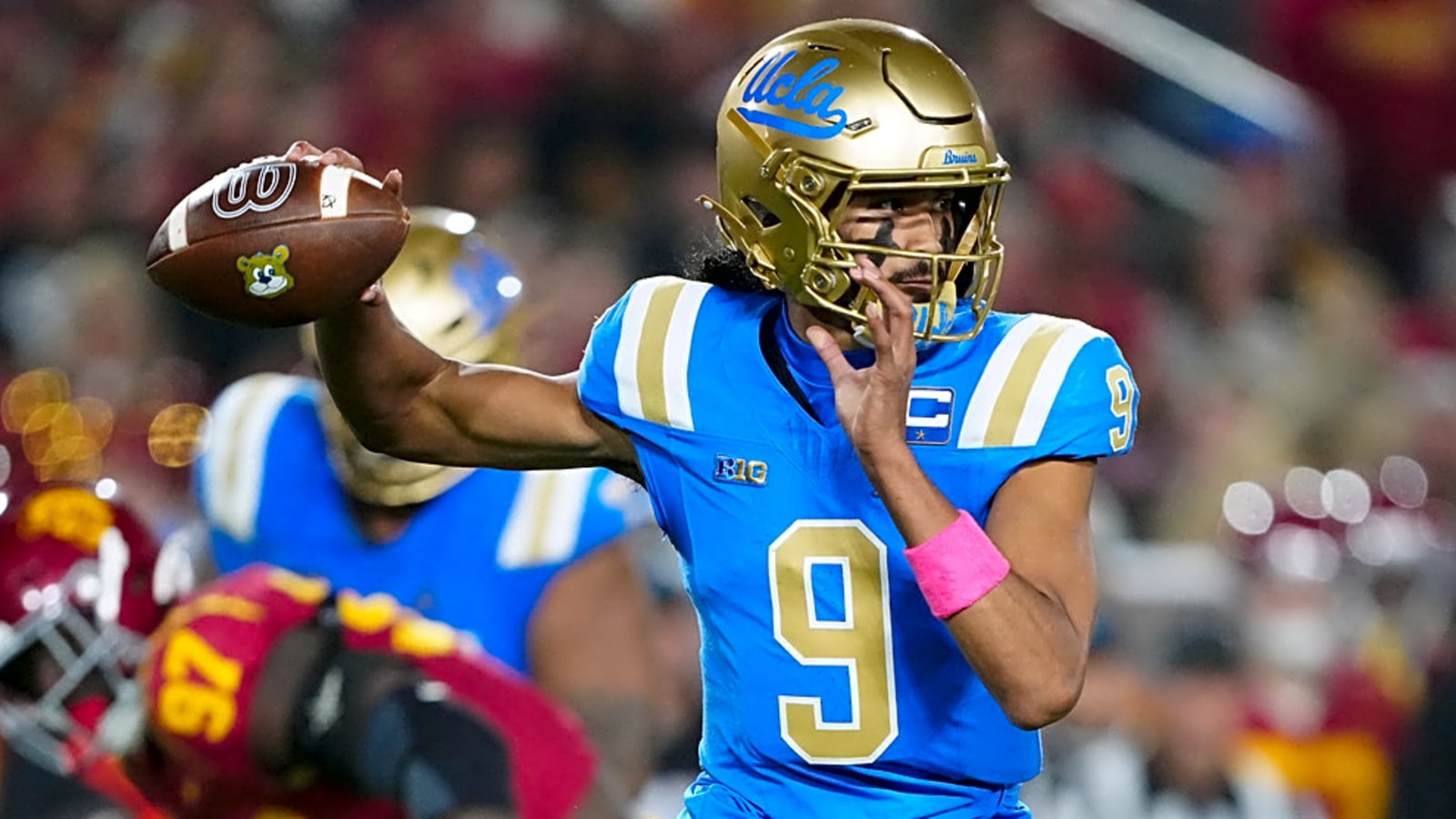
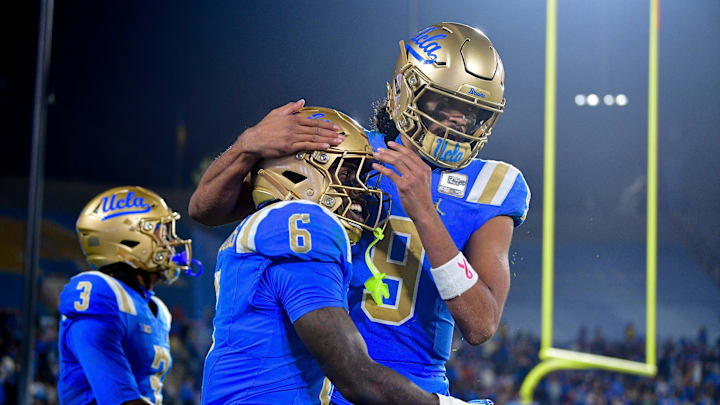
In the rapidly evolving world of collegiate athletics, quarterback stability has emerged as a critical strategic asset, exemplified by Nico Iamaleava's commitment to UCLA for the 2026 season. This decision represents more than a personal career choice—it signals a broader trend of program-building and strategic athlete retention in an era of unprecedented collegiate athletic mobility.
Quarterback Commitment as Organizational Strategy The news of Iamaleava remaining with UCLA, particularly alongside the arrival of a new coach Bob Chesney, underscores the delicate ecosystem of collegiate sports management. In an environment characterized by frequent player transfers and coaching changes, Iamaleava's decision to stay provides a rare moment of programmatic continuity. This commitment is particularly noteworthy given the intense transfer portal buzz surrounding his potential movement, suggesting a deliberate choice to invest in long-term team development.
Navigating Athletic Uncertainty The multiple news reports consistently highlighting Iamaleava's decision reveal the complex negotiation between individual athlete aspirations and institutional strategic interests. By choosing to remain with UCLA, Iamaleava is not just making a personal career decision but participating in a larger narrative of athletic program stability. The presence of a new coach, Bob Chesney, adds another layer of strategic complexity, indicating that institutional relationships and potential developmental opportunities likely played a significant role in his decision-making process.
The broader implications extend beyond a single player's choice. In an era where collegiate athletes have unprecedented mobility through transfer portals, commitments like Iamaleava's represent a countertrend to constant roster churn. They demonstrate that strategic alignment, developmental potential, and institutional trust can still be powerful motivators for emerging athletic talent.
Ultimately, this narrative is less about one quarterback and more about the evolving dynamics of collegiate sports—where loyalty, strategic vision, and institutional investment can still triumph over the allure of immediate change.
Questions 3
Why is Nico Iamaleava's decision to stay at UCLA significant?
Iamaleava's commitment represents stability in an era of high athlete mobility. By choosing to remain with UCLA for 2026, he demonstrates the potential value of institutional trust and long-term developmental opportunities over immediate transfer options.
How does the transfer portal impact collegiate football dynamics?
The transfer portal has fundamentally changed collegiate athletics by giving athletes more mobility and choice. However, cases like Iamaleava show that strategic program alignment and potential for growth can still motivate players to maintain their current institutional relationships.