

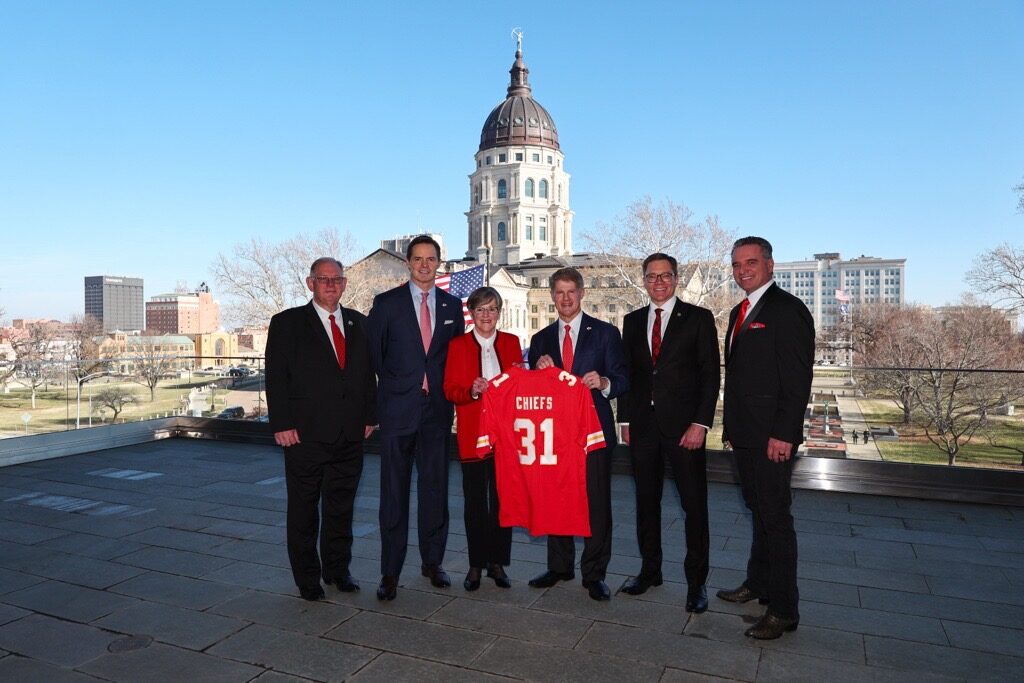
Strategic State Showdown: How Kansas Outmaneuvered Missouri to Win the Chiefs' Future
- A landmark economic development play reshaping interstate sports infrastructure competition















.jpg)






Overview
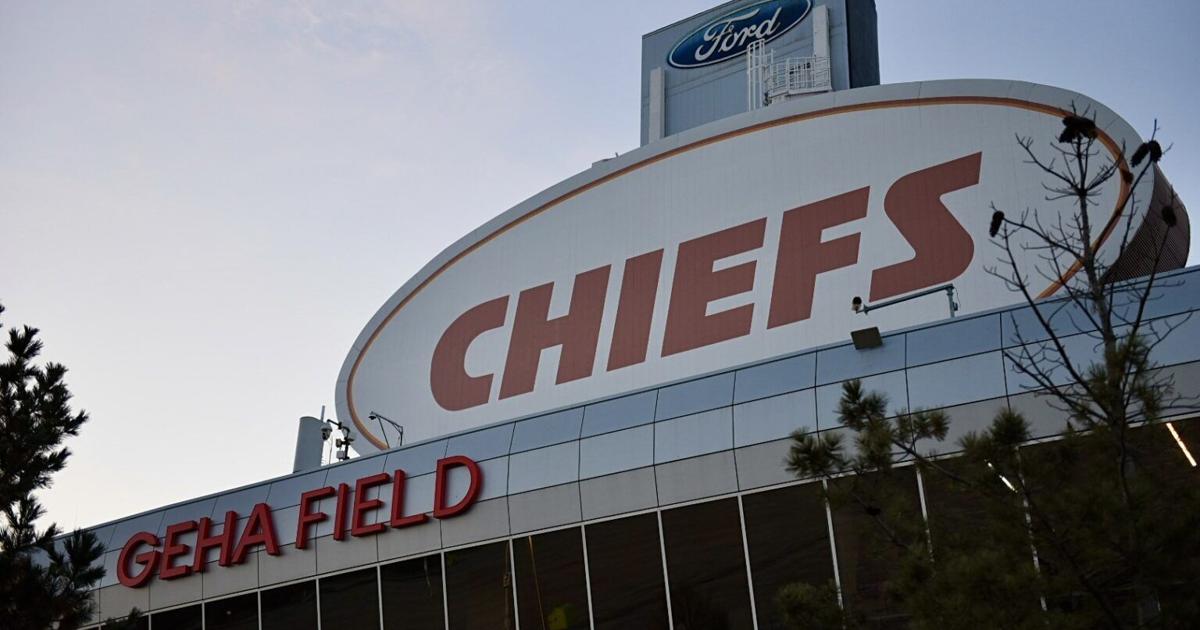
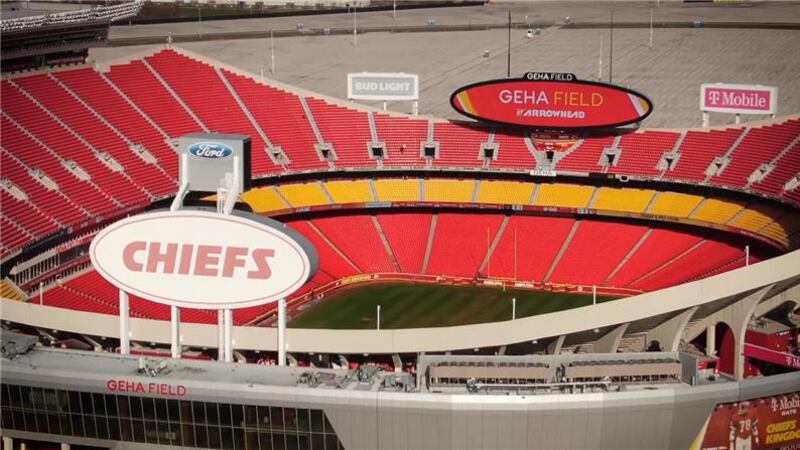
The Kansas City Chiefs' relocation represents far more than a simple stadium move—it's a masterclass in strategic economic development that exposes the critical importance of agile, business-friendly governance. At the heart of this $3.3 billion transformation lies a fundamental shift in how states compete for high-profile economic anchors.
Kansas's lightning-fast approval process stands in stark contrast to Missouri's bureaucratic gridlock. While Missouri's legislative negotiations dragged on for over 400 days, Kansas required less than 90 days to unanimously approve a comprehensive STAR bonds proposal. This speed signaled to the Chiefs that Kansas viewed the project not just as a sports venue, but as a generational economic opportunity.
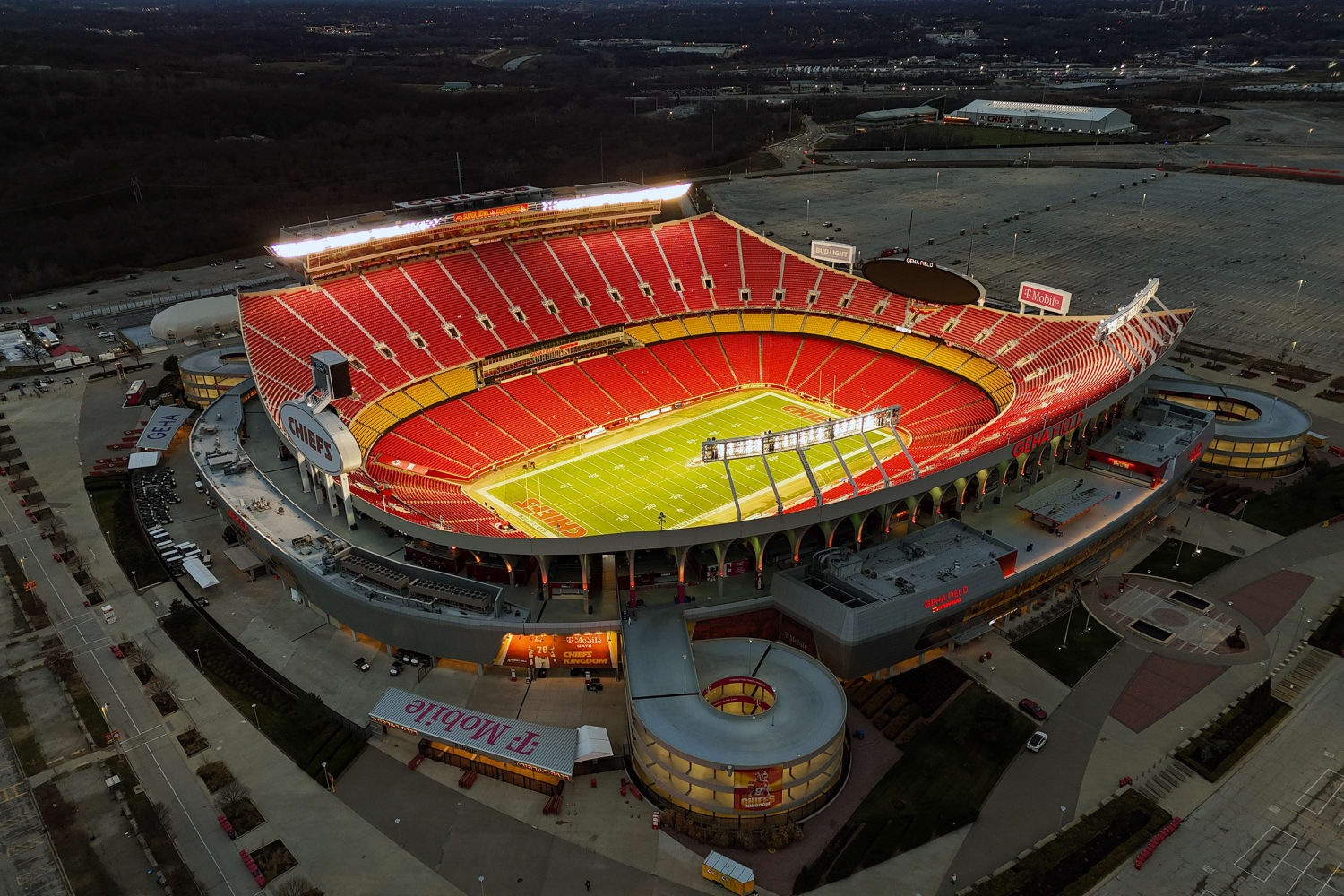
The project's financial architecture is equally sophisticated. With a 60-40 public-private funding split, approximately $1.3 billion will come from taxpayer funding through innovative financing mechanisms. The new stadium near Kansas Speedway isn't just a sports facility—it's a $3 billion infrastructure investment projected to generate over 20,000 jobs and $4 billion in economic activity. Clark Hunt's strategic vision goes beyond mere relocation; he's engineering a mixed-use district with at least $700 million in surrounding development.
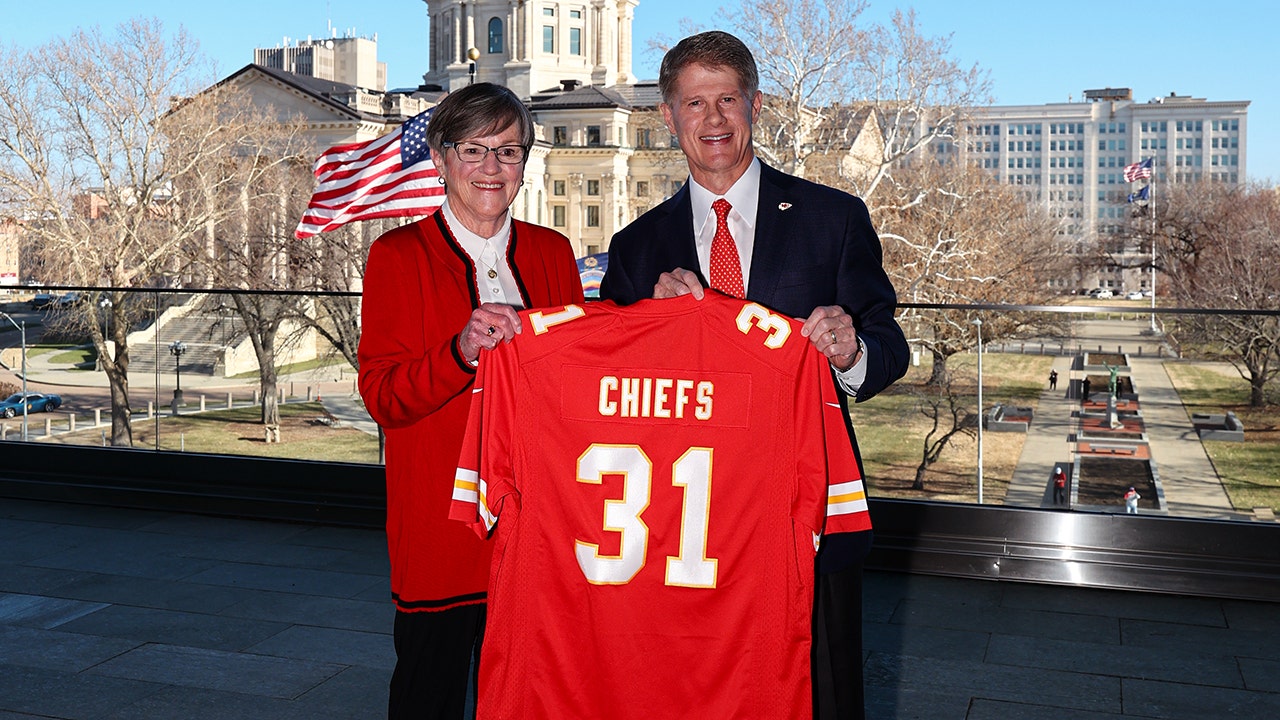
For Missouri, this represents a significant economic blow. The failure to secure a competitive funding package and the rejection of stadium renovation proposals by local voters created a vacuum that Kansas swiftly exploited. Kansas political leaders, particularly Governor Laura Kelly, positioned the state as a proactive destination, transforming what could have been a "flyover" perception into a strategic economic hub.
The Chiefs' move underscores a critical lesson in modern economic development: infrastructure investment, regulatory agility, and a forward-looking vision are more compelling than traditional incentive packages. By prioritizing speed, certainty, and a holistic development approach, Kansas has not just won a football team—it has potentially rewritten the playbook for interstate economic competition.
Questions 3
How does this move reflect broader trends in sports infrastructure?
The Chiefs' relocation highlights a shift towards seeing sports facilities as comprehensive economic development tools, not just athletic venues. The project's 60-40 public-private funding model, focus on mixed-use development, and strategic location demonstrate how municipalities are using sports infrastructure as catalysts for broader urban and economic transformation.
Why did the Chiefs choose Kansas over Missouri?
Kansas demonstrated a dramatically faster and more certain approval process, taking just 90 days compared to Missouri's 400-day negotiations. The state's unanimous legislative support, innovative STAR bonds financing, and vision for a comprehensive mixed-use development made Kansas a more attractive partner for the Chiefs' long-term strategic goals.