

UNC Basketball's Emerging Talent Signals Strategic Team Transformation
- Freshman-Junior Duo Redefines Performance Dynamics in College Basketball













Overview
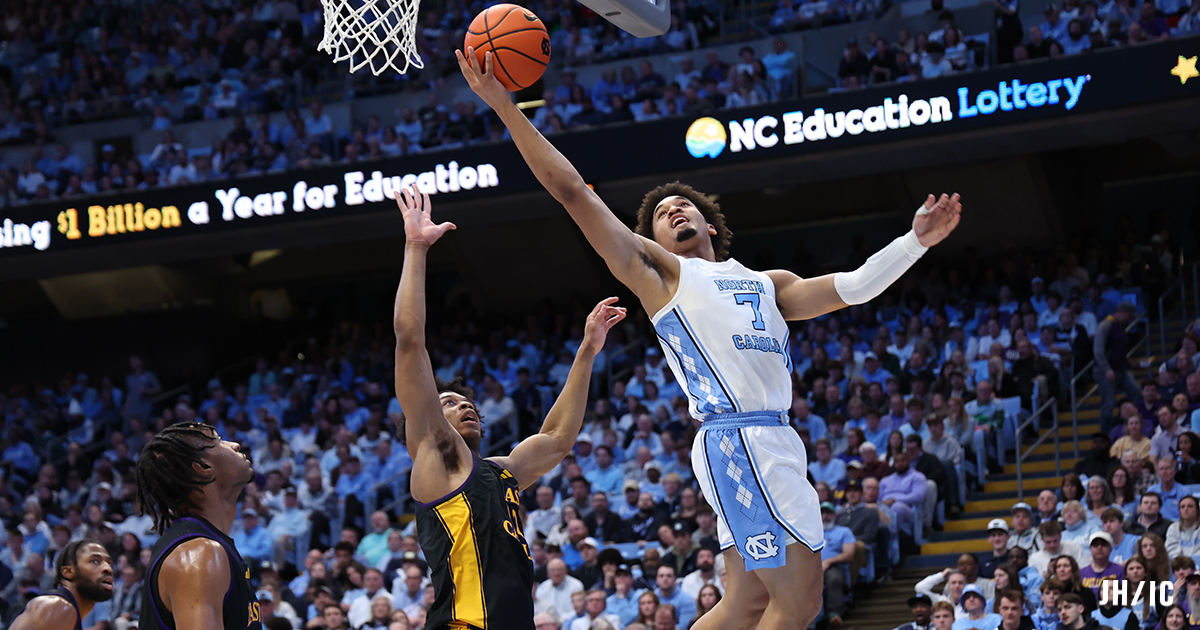
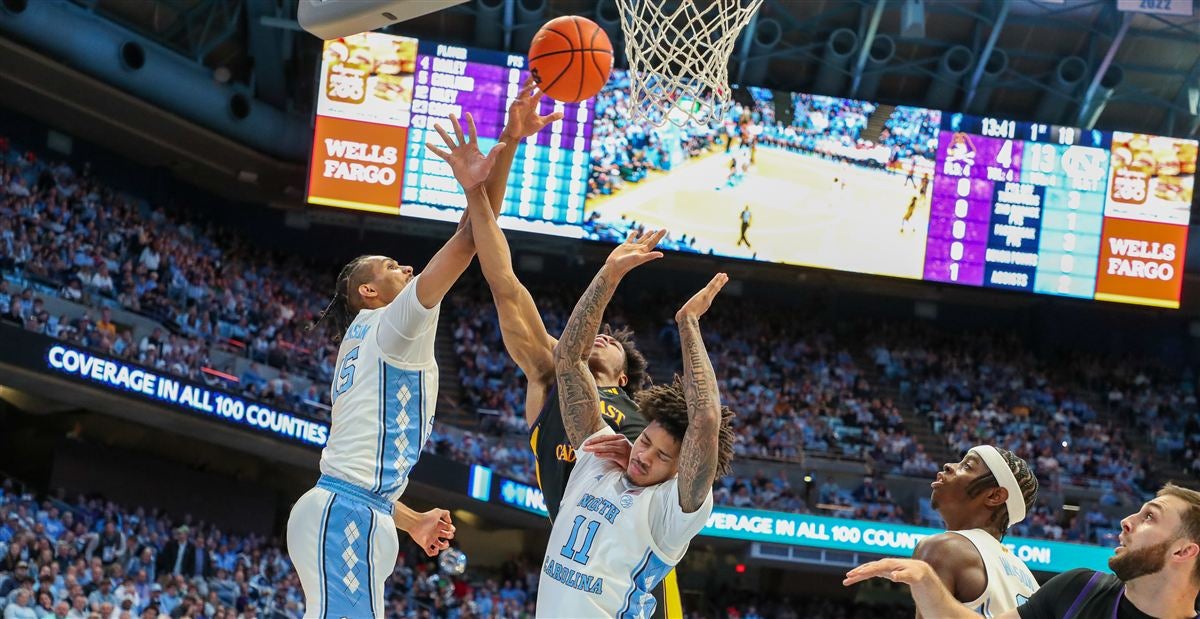
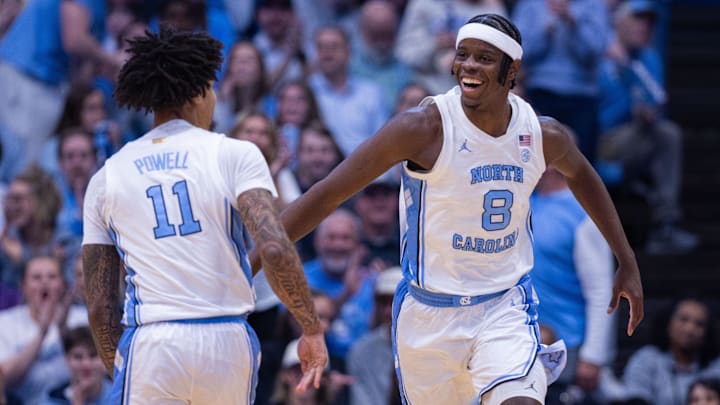
In the competitive landscape of college basketball, the University of North Carolina (UNC) is experiencing a remarkable transformation driven by an exceptional freshman-junior partnership that challenges traditional team development narratives. Caleb Wilson, a freshman sensation, and Henri Veesaar, a junior powerhouse, are rewriting performance expectations through their extraordinary statistical dominance.
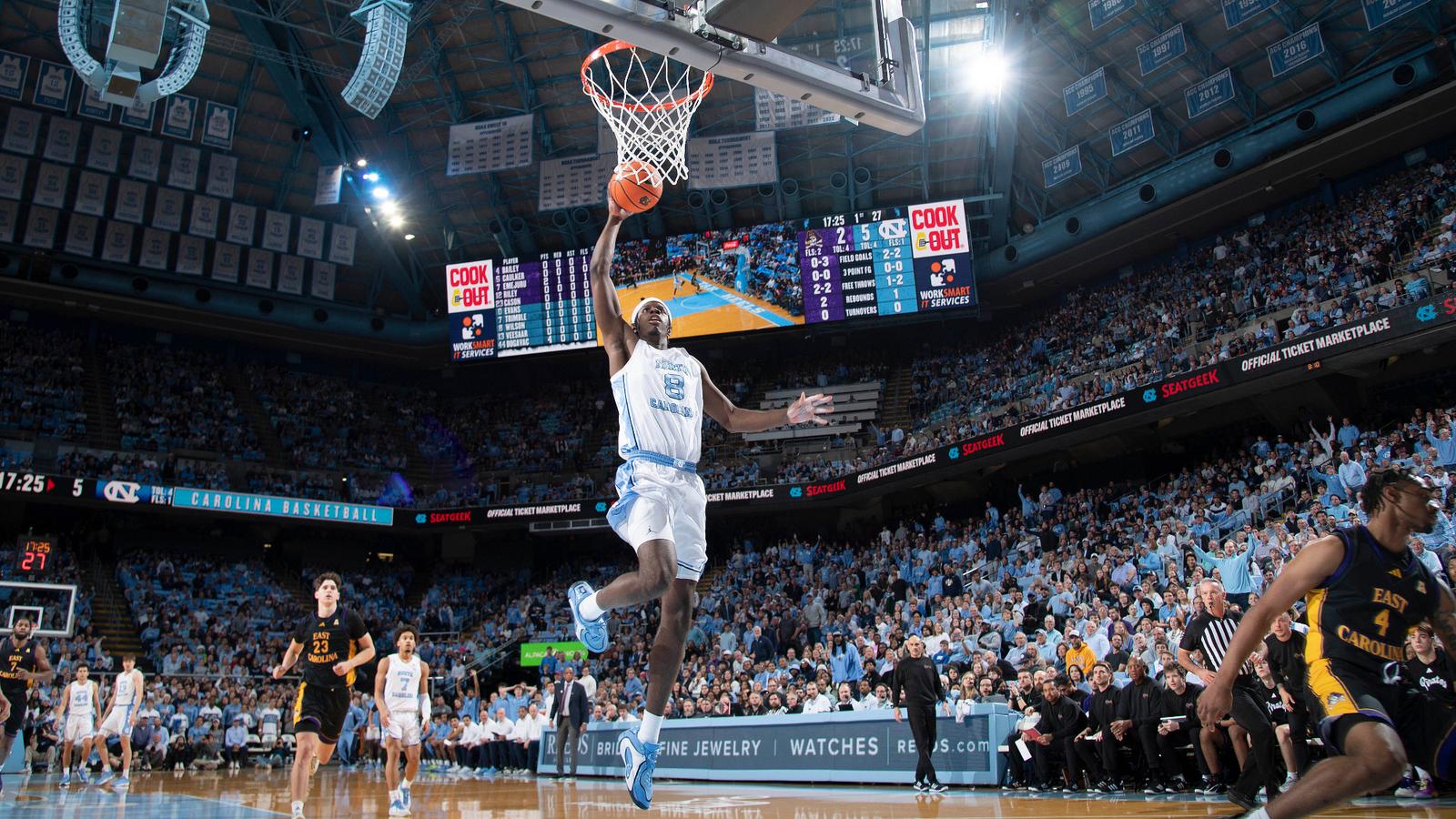
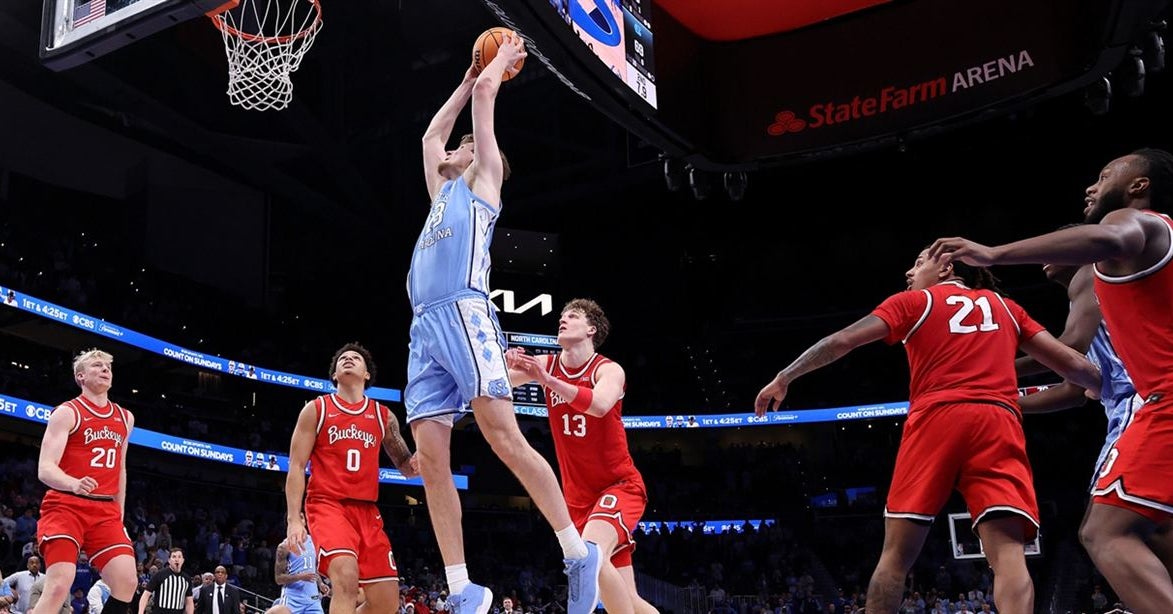
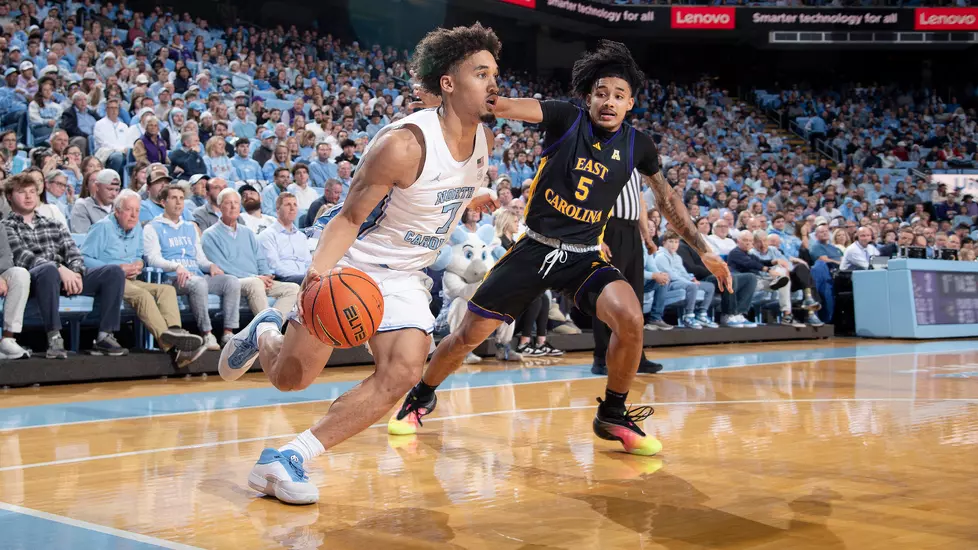
Wilson's breakthrough performance is particularly noteworthy. Leading the team in both scoring (19.5 points) and rebounding (10.8 rebounds), he has achieved a rare milestone not seen since Tyler Hansbrough's iconic 2005-06 season. With eight double-doubles and a nation-leading 36 dunks, Wilson represents a new archetype of versatile collegiate athletes who can immediately impact high-stakes competitive environments.
The team's statistical profile tells a compelling story of systematic excellence. Averaging 84.8 points per game and maintaining an undefeated 8-0 home record with an average margin of 22.7 points, UNC demonstrates a strategic approach to team building that prioritizes dynamic, multi-dimensional talent. The Wilson-Veesaar combination exemplifies this philosophy, collectively contributing 36.4 points and 20.0 rebounds per game—a testament to their complementary skills and strategic synergy.
Historically, such rapid integration of young talent signals potential long-term competitive advantages. By nurturing players who can immediately contribute at elite levels, UNC is not just winning games but potentially reshaping expectations for freshman performance in collegiate basketball. The team's approach suggests a forward-looking strategy that values individual potential and rapid skill development over traditional incremental progression.
The implications extend beyond immediate game outcomes. This performance model could influence recruiting strategies, player development programs, and broader conversations about talent identification in collegiate sports. UNC's success demonstrates that with the right combination of individual brilliance and systemic support, transformative athletic achievements are possible.
Questions 3
What makes Caleb Wilson's freshman performance so exceptional?
Wilson is leading UNC in both scoring and rebounding, a feat not seen since Tyler Hansbrough in 2005-06. He has eight double-doubles, leads the nation with 36 dunks, and is averaging 19.5 points and 10.8 rebounds per game, demonstrating rare versatility for a freshman.
How does the Wilson-Veesaar partnership impact UNC's team strategy?
Their combined performance of 36.4 points and 20.0 rebounds per game represents a strategic approach to team building that prioritizes multi-dimensional talent. Their complementary skills allow UNC to maintain an impressive 84.8 points per game average and an undefeated home record.