


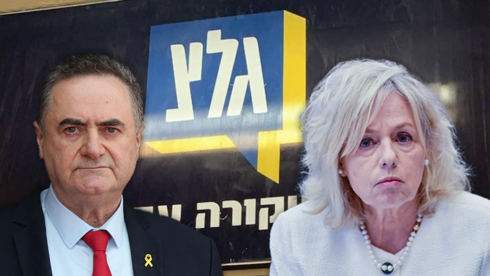
Media Control Showdown: Netanyahu's Strategic Assault on Press Independence
- Unprecedented government move threatens Israeli media landscape and democratic discourse
























Overview
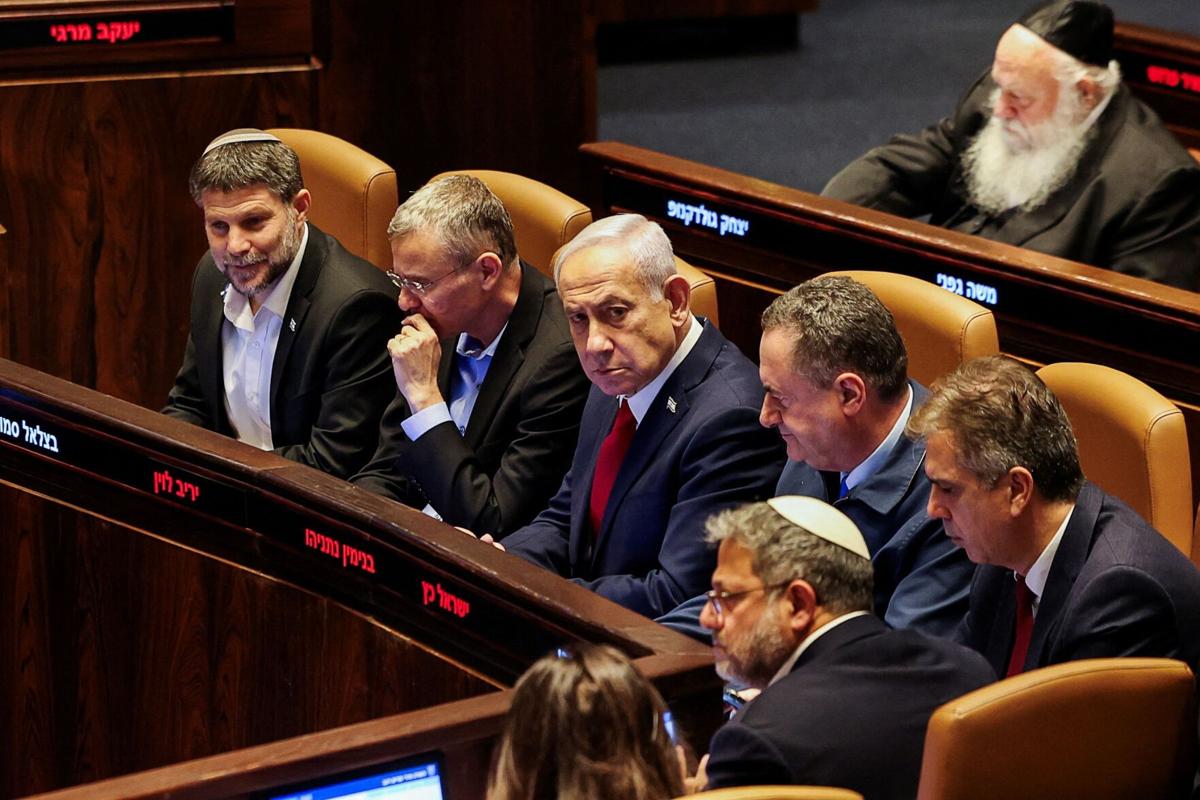
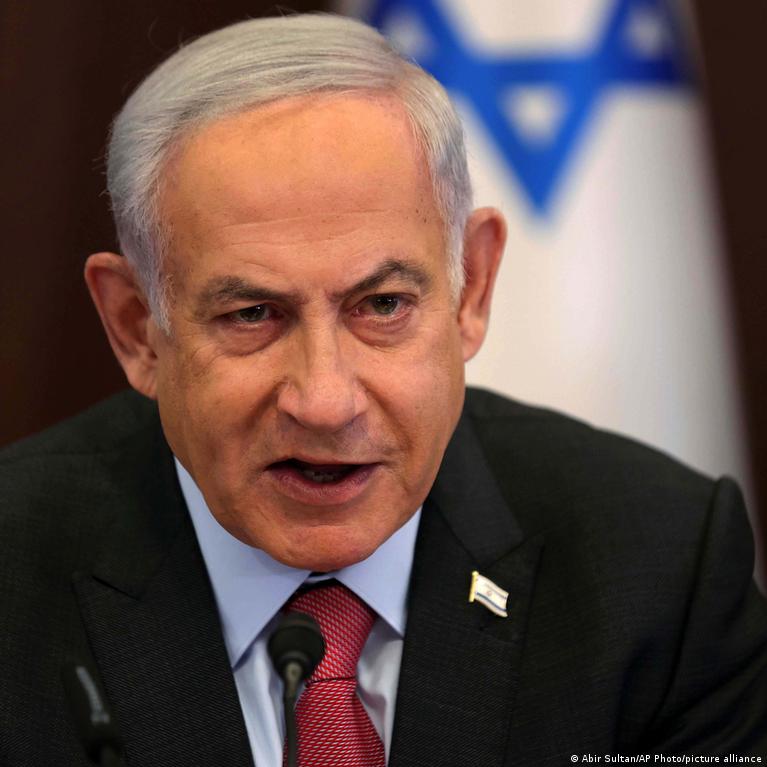
The Israeli government's calculated move to dismantle Army Radio represents a pivotal moment in the nation's media ecosystem, signaling a profound shift toward centralized information control. At the heart of this strategic maneuver lies a complex interplay of political power, media independence, and institutional transformation.
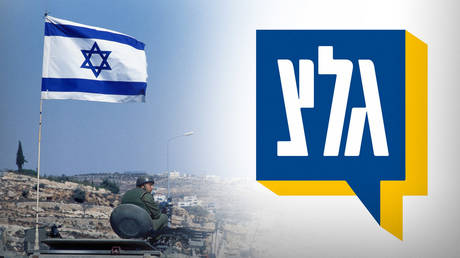
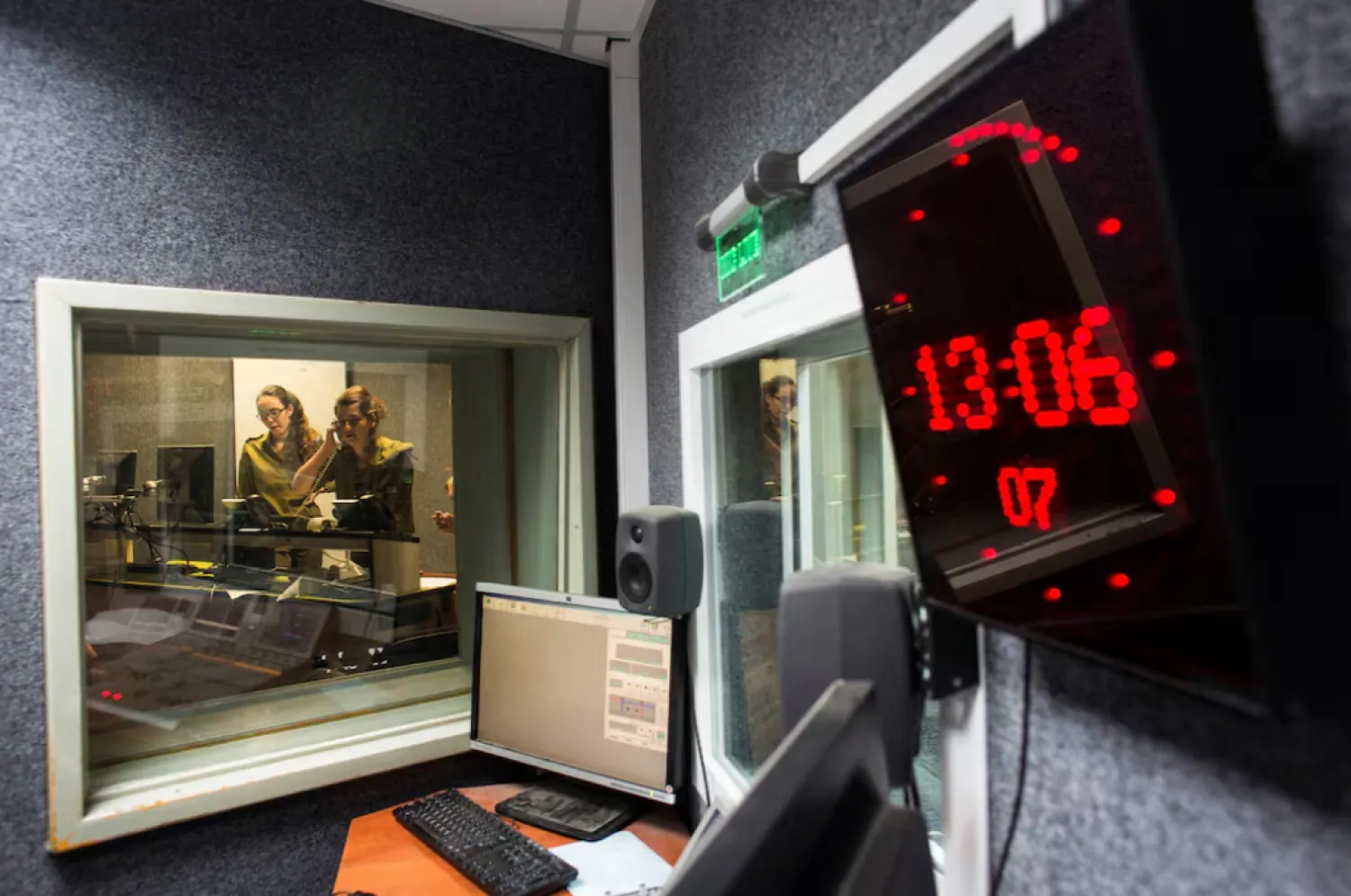
Prime Minister Netanyahu's administration is executing a calculated strategy to neutralize a long-standing journalistic institution that has historically provided critical, independent reporting. The proposed shutdown of Galei Tzahal (GLZ), a respected 75-year-old military radio station with an 18% market share, goes far beyond a simple administrative restructuring. It represents a deliberate attempt to reshape the narrative landscape by eliminating a platform known for impartial journalism and robust public debate.
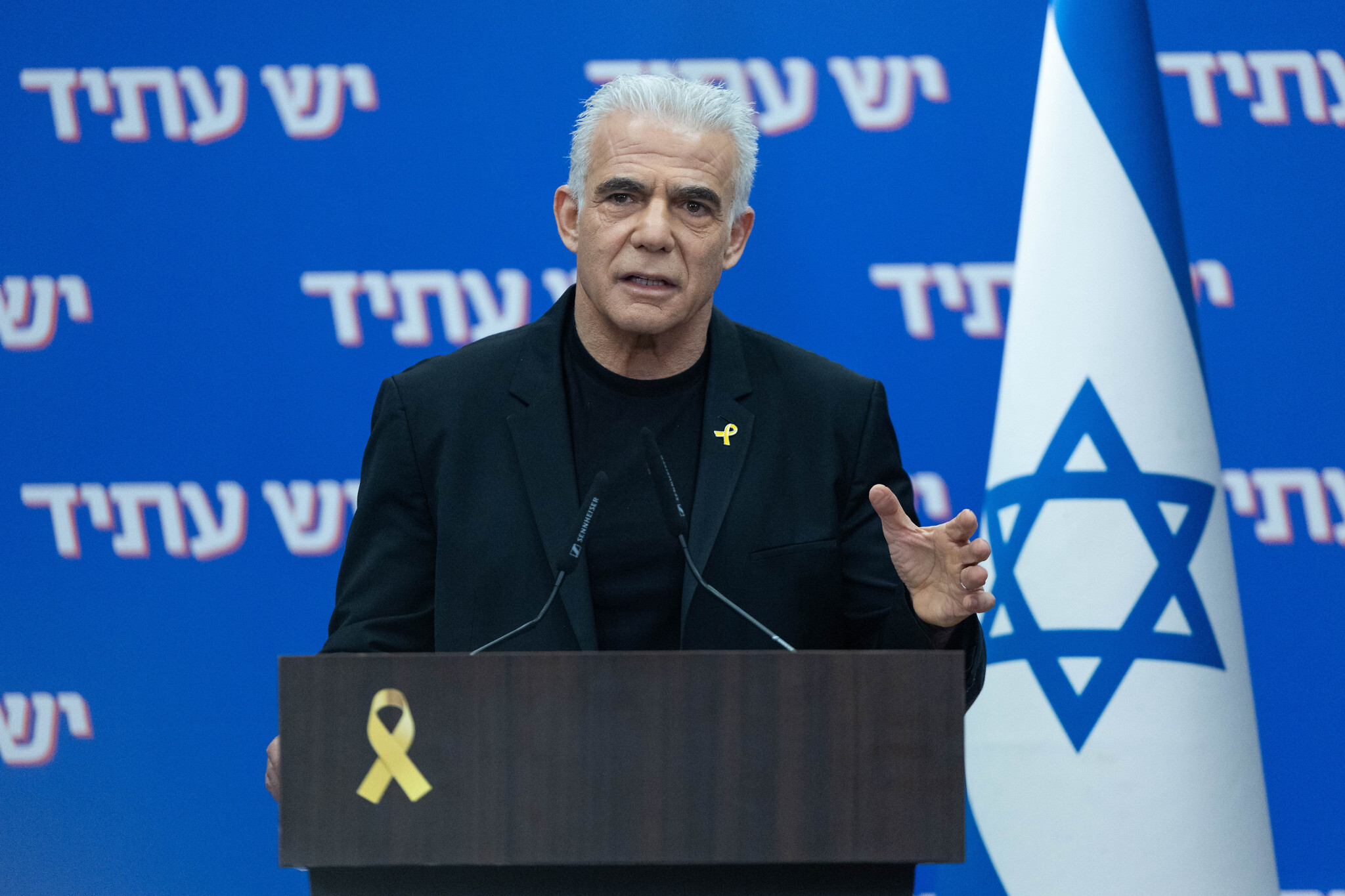
The government's justification—that the station undermines military morale and broadcasts divisive content—masks a deeper political calculus. Opposition Leader Yair Lapid's stark accusation that this is an effort to "control consciousness" reveals the underlying tension. By targeting a respected media outlet with a legacy of critical reporting, Netanyahu is strategically narrowing the channels of independent public discourse, particularly as the 2026 elections approach.
The broader context is even more revealing. Simultaneously with the Army Radio closure, the Knesset approved legislation extending the government's authority to shut down foreign media outlets, specifically targeting Al Jazeera. This coordinated approach suggests a systematic strategy of media consolidation and narrative control. The Attorney General's vocal opposition and the planned Supreme Court challenges underscore the unprecedented nature of these interventions.
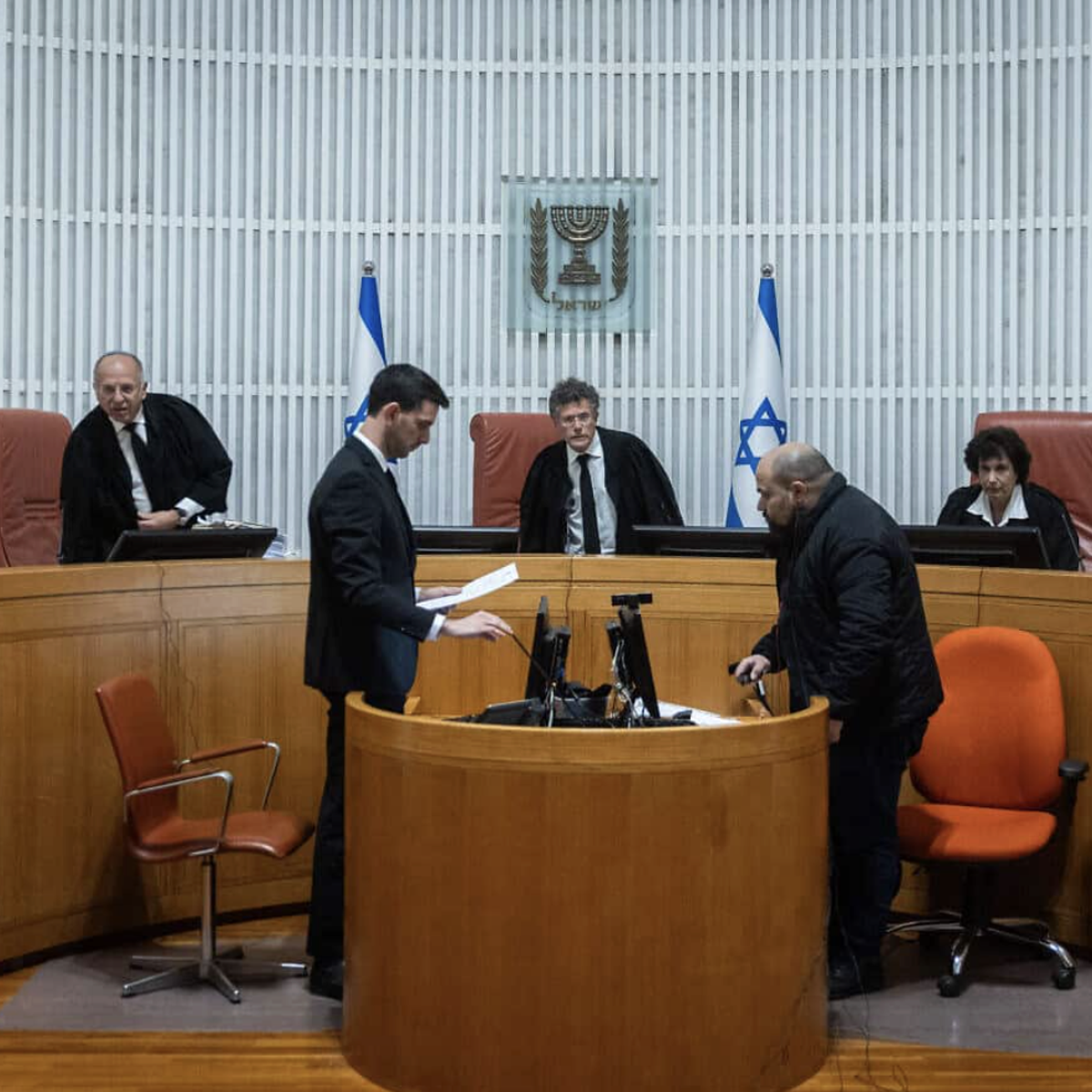
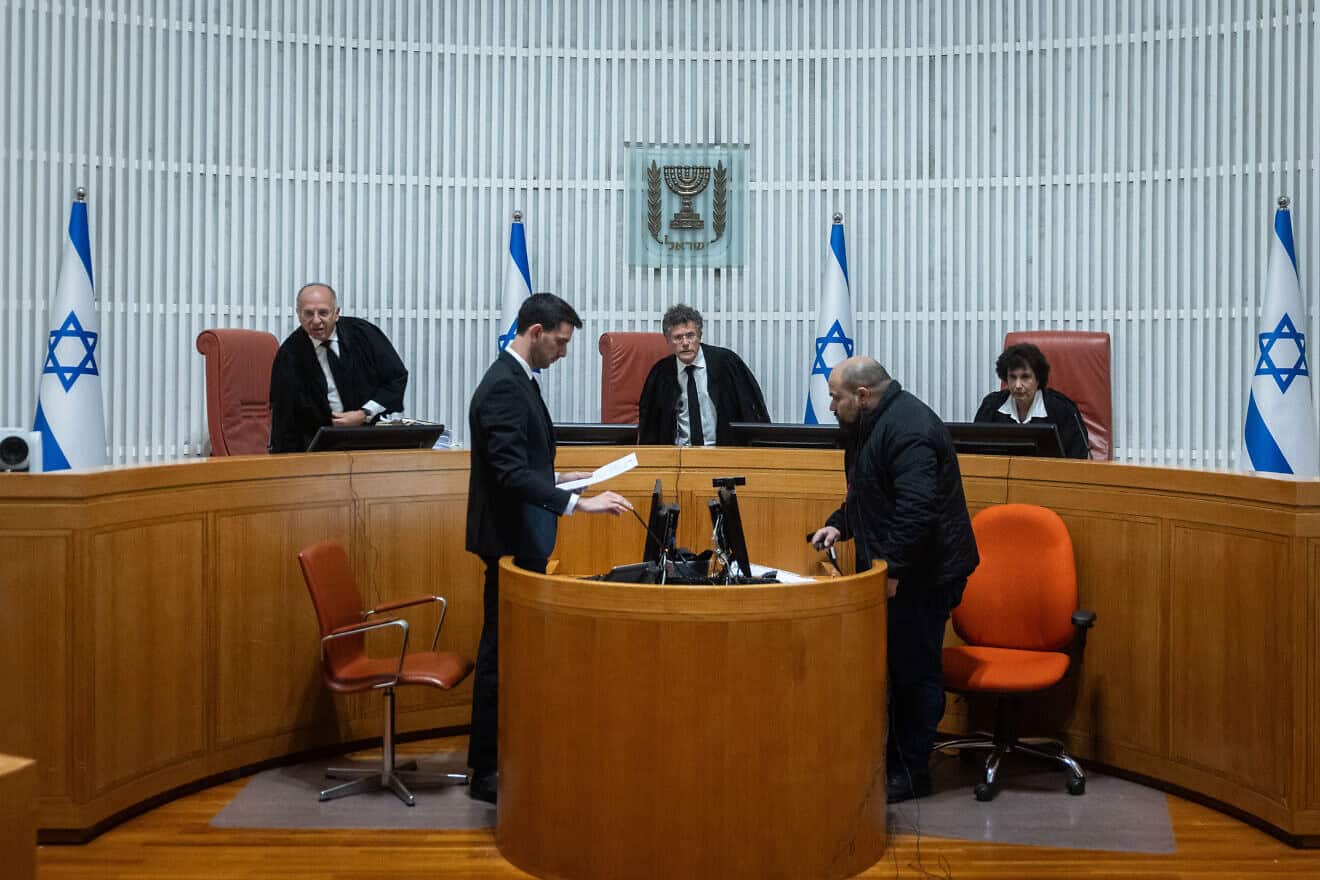
Critically, this is not just an Israeli domestic issue but a potential harbinger of democratic erosion. By drawing comparisons to media control practices in non-democratic regimes, Netanyahu is testing the boundaries of institutional resistance. The Supreme Court's upcoming hearing represents a crucial inflection point—a potential last line of defense for media pluralism.
For stakeholders and observers, this represents more than a media restructuring. It is a critical test of Israel's democratic institutions, press freedom, and the delicate balance between governmental power and independent journalism.
Questions 3
Why is the Israeli government shutting down Army Radio?
The government claims the station undermines military morale and broadcasts divisive content. However, critics argue this is a strategic move to control media narratives, especially approaching the 2026 elections, by eliminating a platform known for independent and critical reporting.
What are the potential consequences of closing Army Radio?
The closure threatens media pluralism in Israel, potentially setting a dangerous precedent for governmental control of information channels. It could weaken independent journalism, reduce diverse political discourse, and challenge the fundamental principles of press freedom.