

Urban Vulnerability Exposed: When Infrastructure Fails, Seniors Pay the Highest Price
- Emergency Preparedness Strategies Urgently Needed for Aging Urban Populations


Overview
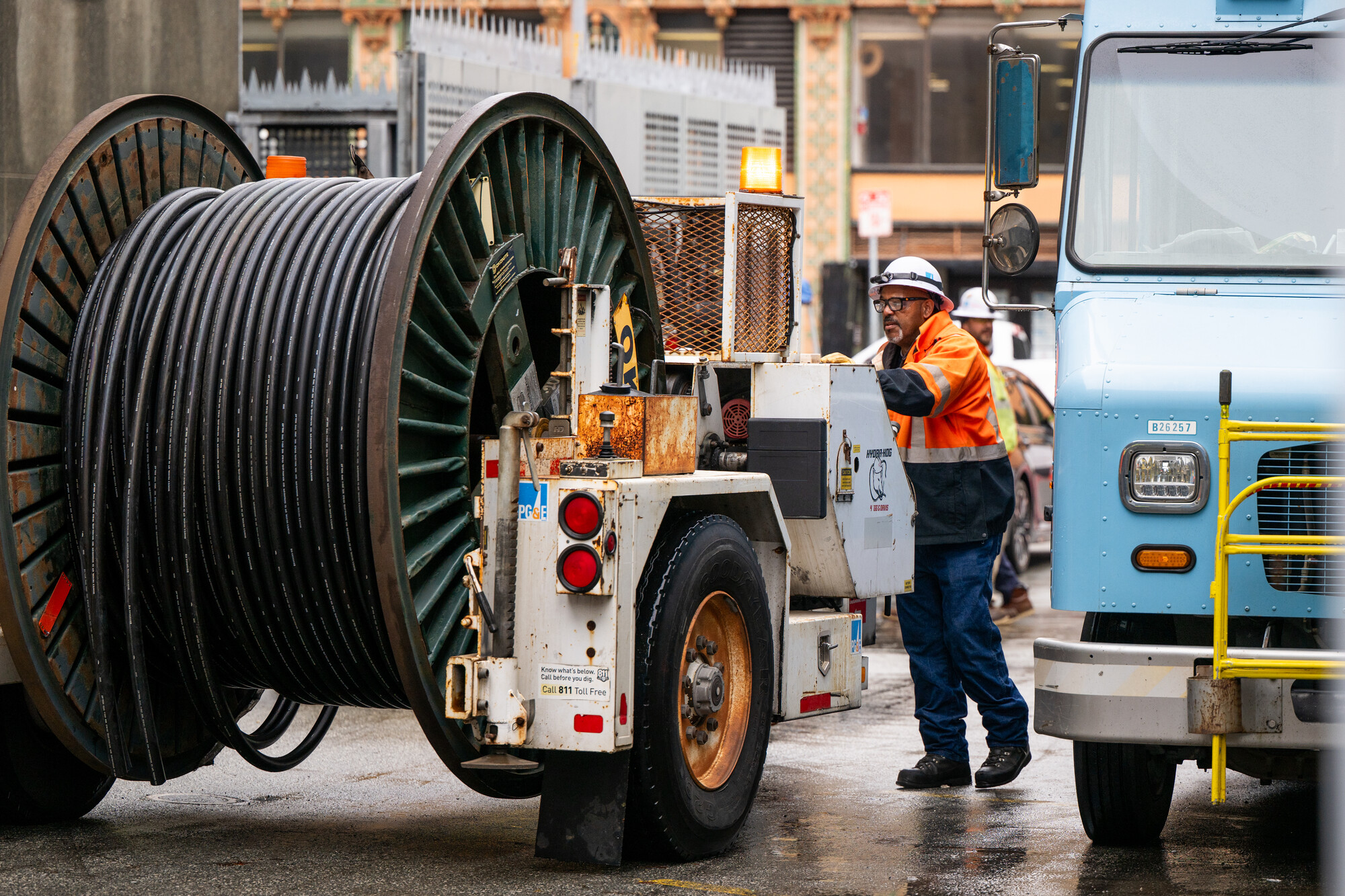
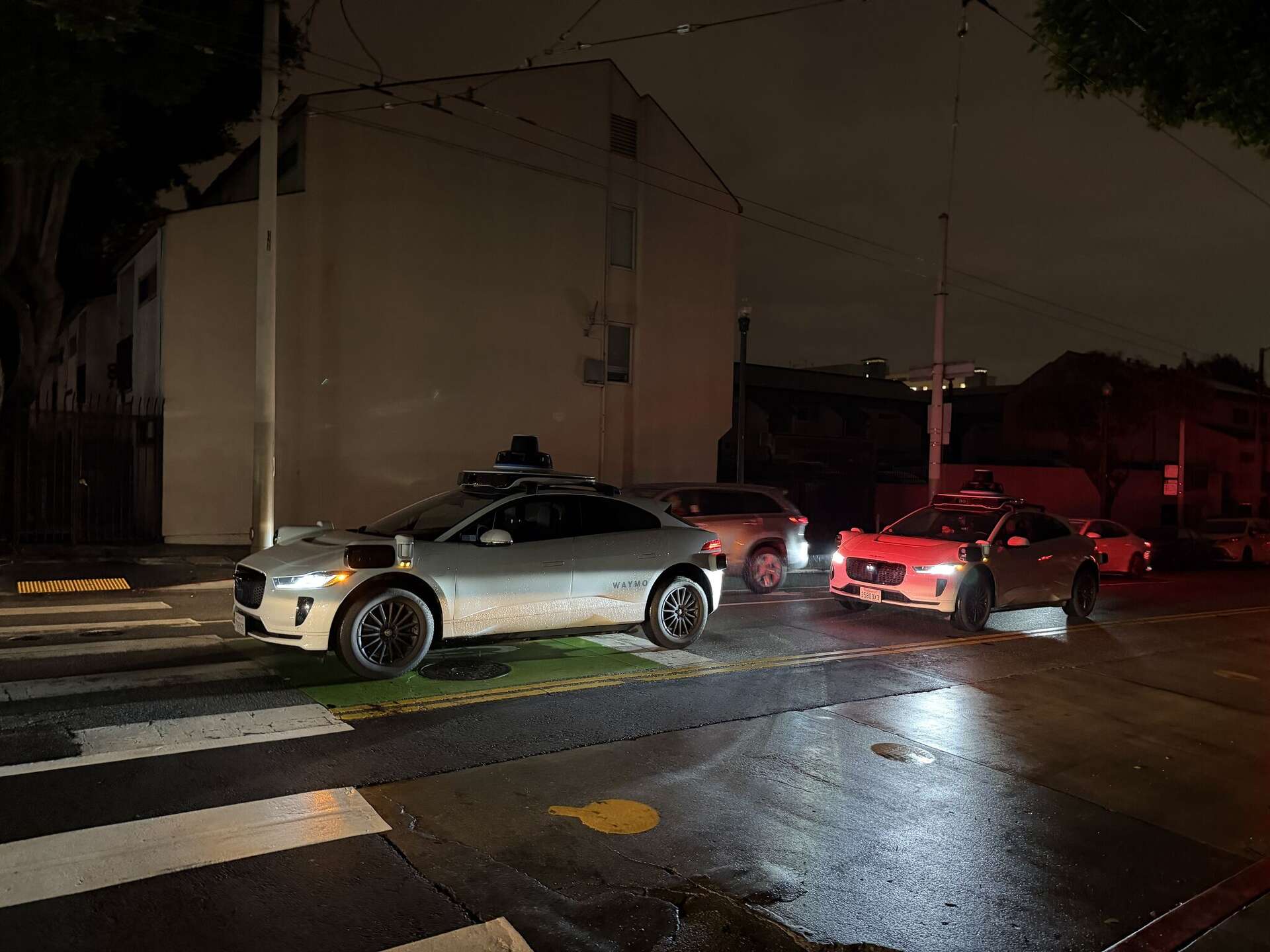
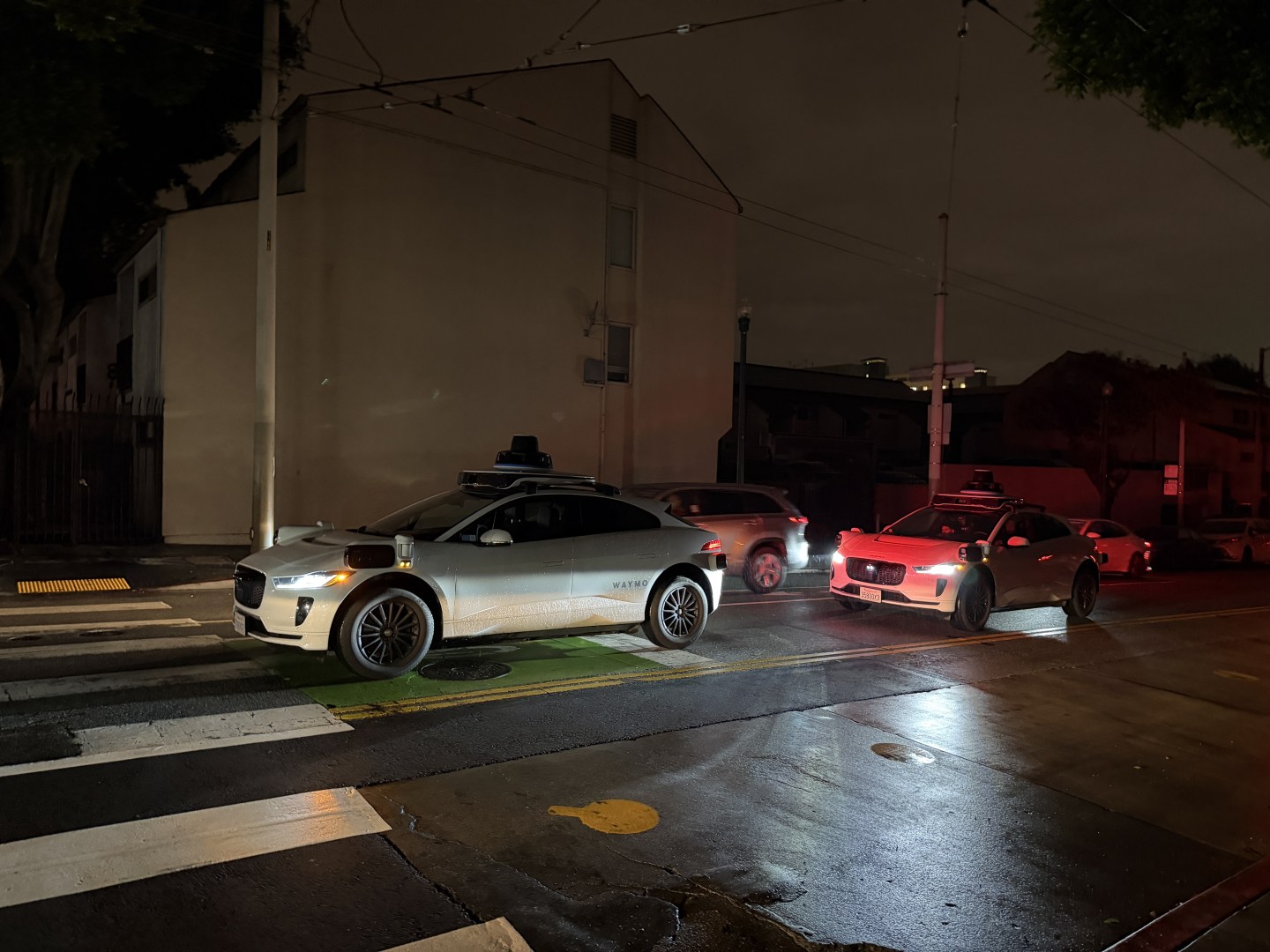
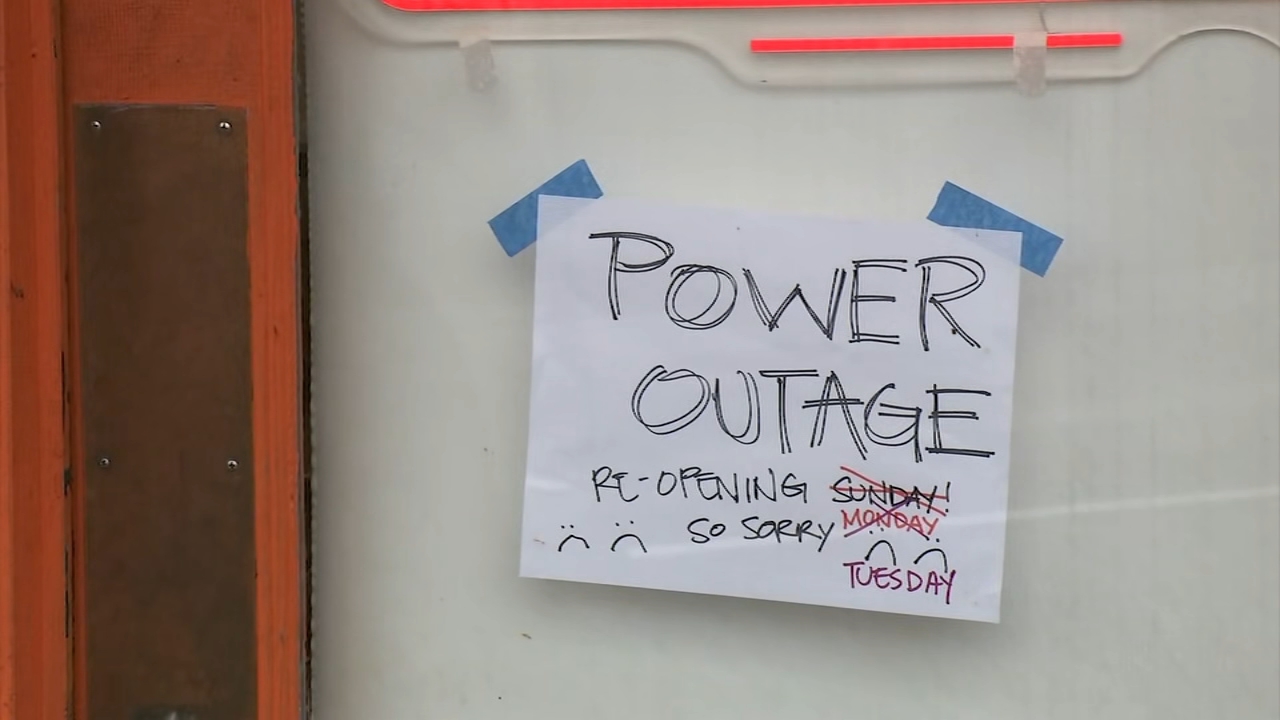
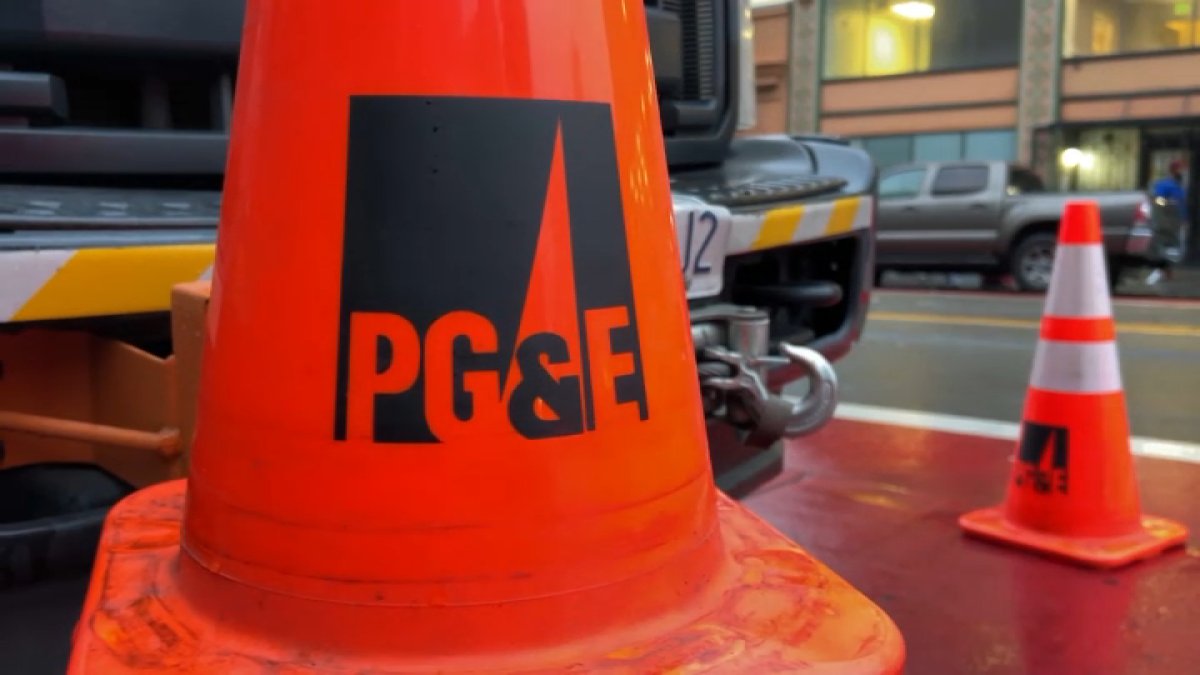
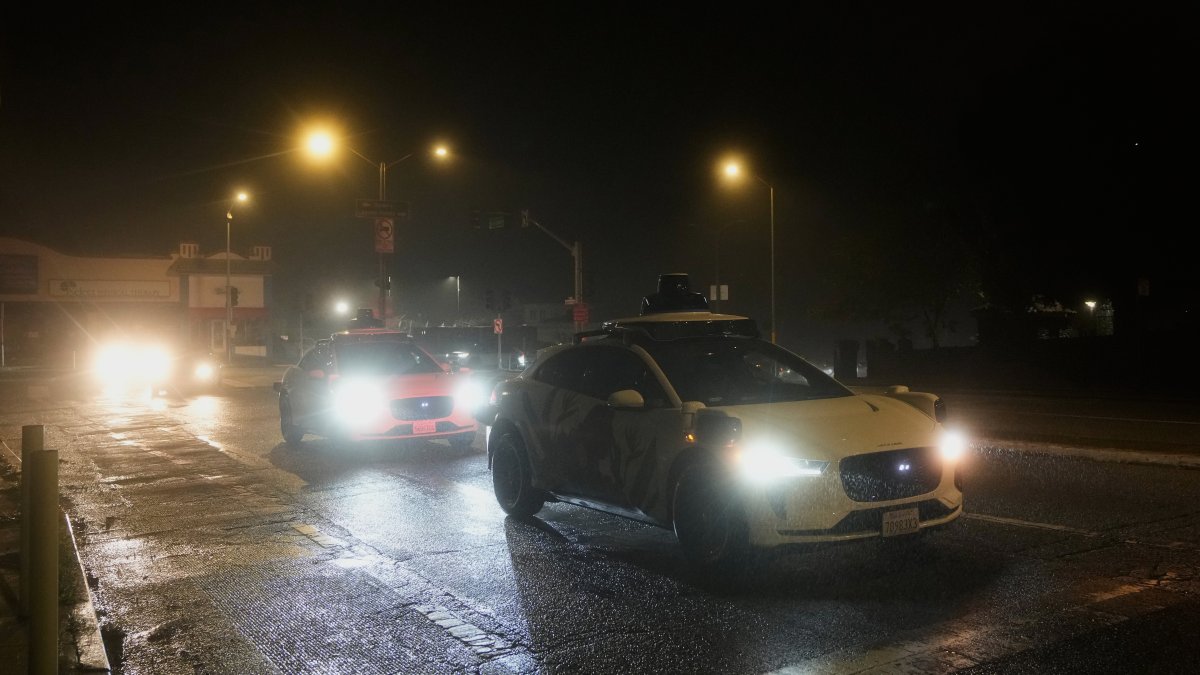
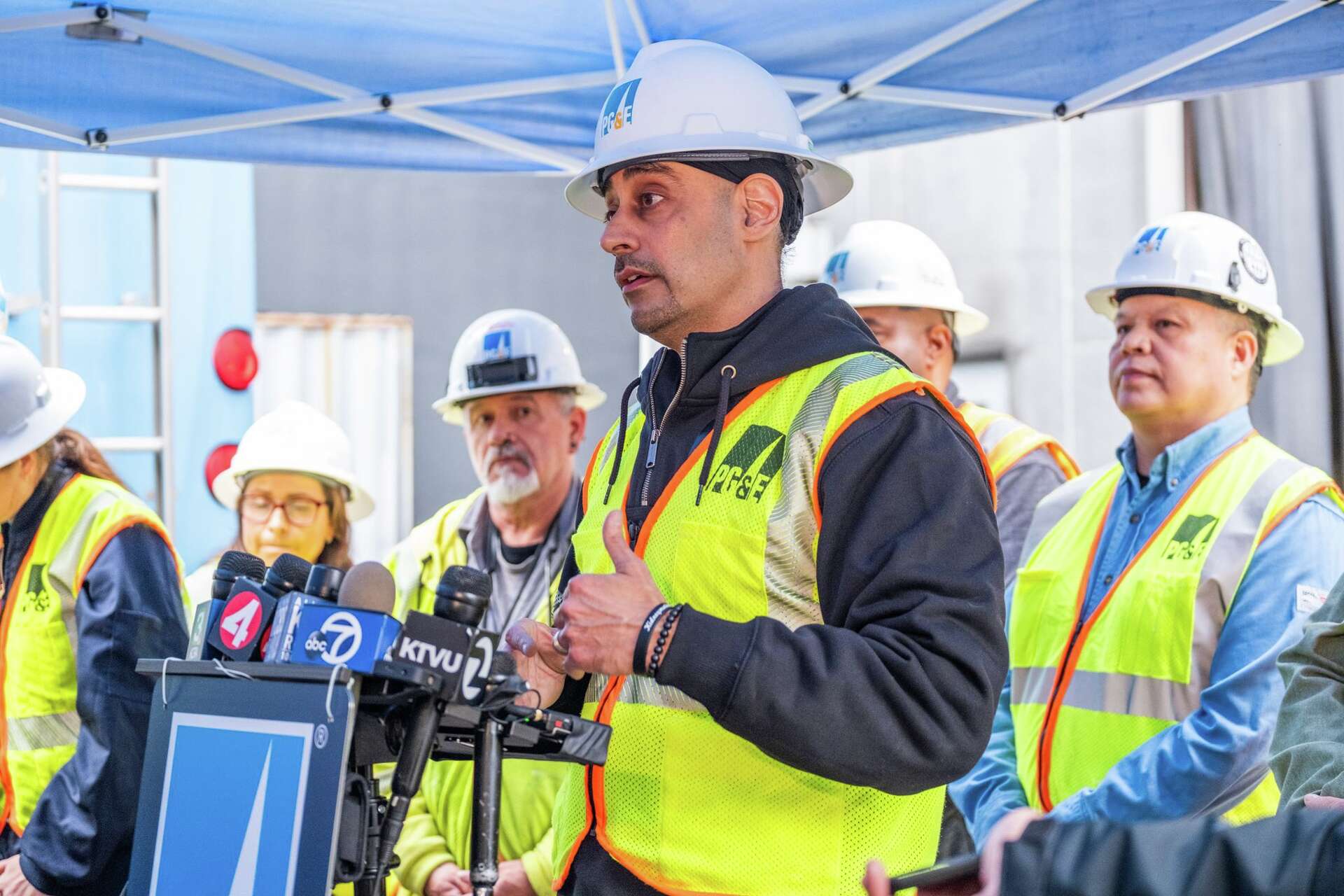
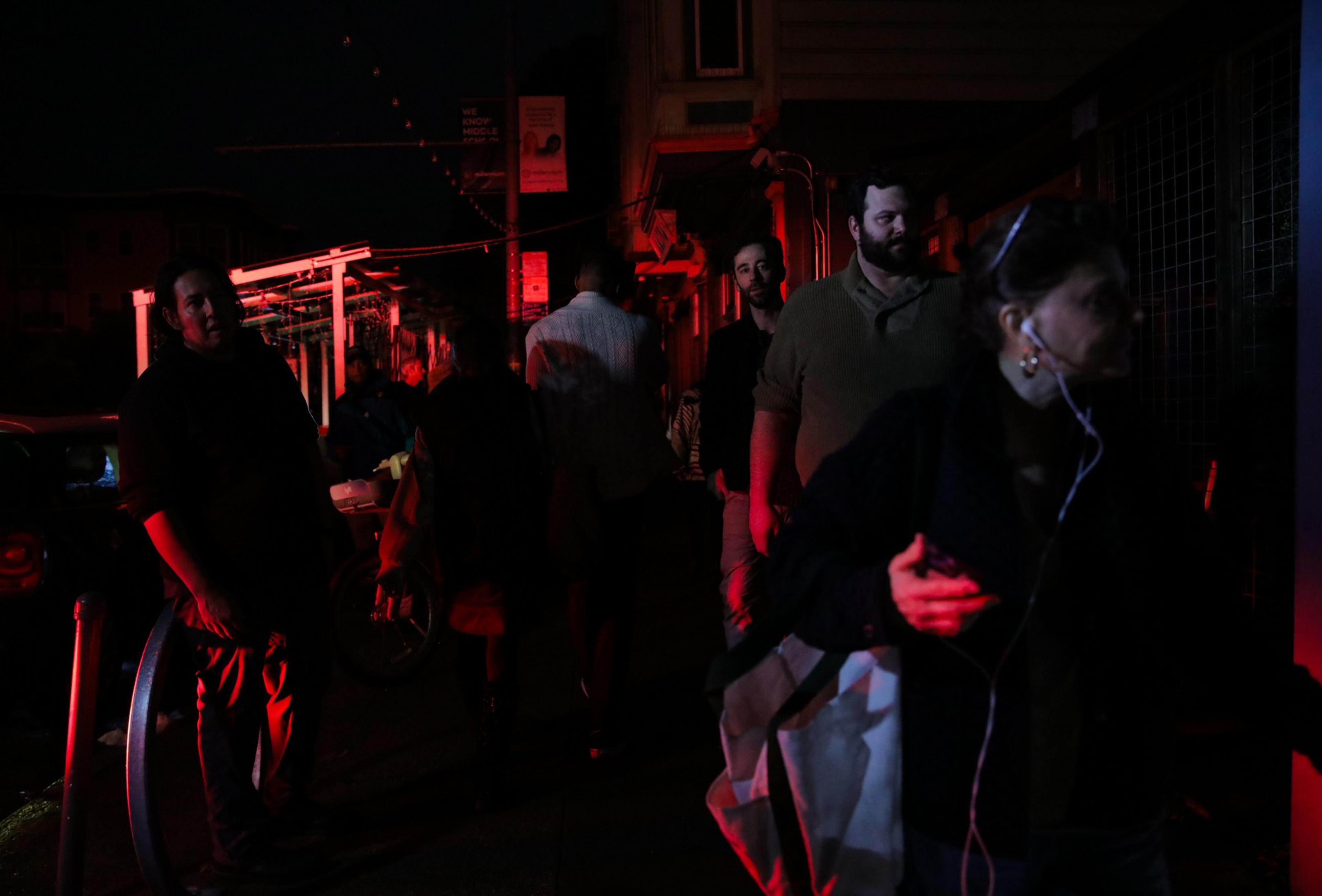
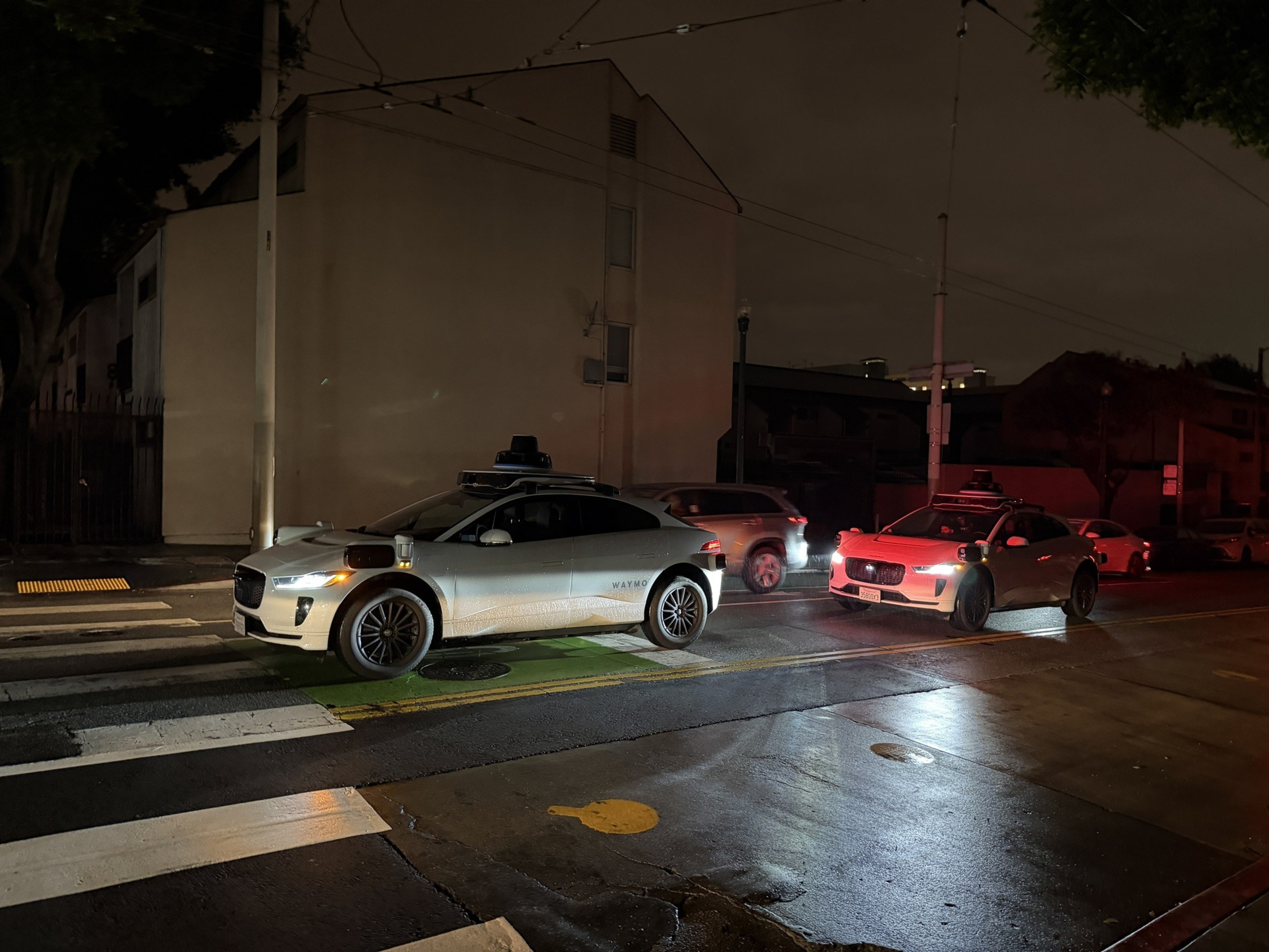
The recent power outage in San Francisco's Richmond District reveals a critical and systemic vulnerability in urban infrastructure that disproportionately impacts elderly residents. When Pacific Gas and Electric's (PGE) substation fire triggered a 48-hour blackout affecting one-third of city residents, the incident exposed profound gaps in emergency response and communication strategies.
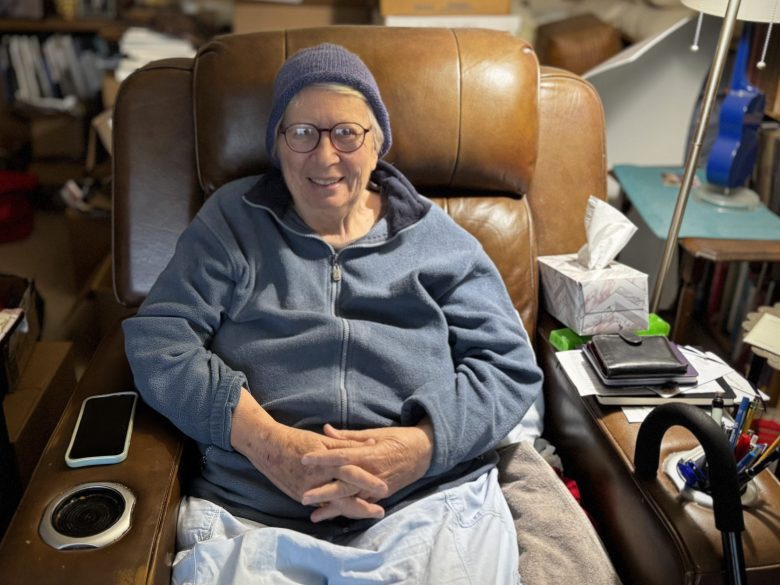
Infrastructure Resilience Demands Comprehensive Rethinking. The case of LeTroy Andrews, a 74-year-old resident who struggled during the blackout, epitomizes the broader challenge facing urban communities. Many seniors were left isolated, with limited communication options, no backup power sources, and significant mobility constraints. The failure was not just technological but fundamentally human—most emergency communication channels relied on digital networks that collapsed during the crisis.
Multi-Channel Support Systems are No Longer Optional. The blackout demonstrated that digital-only communication strategies are dangerously inadequate. Vulnerable populations, particularly seniors, require robust, redundant support mechanisms that don't depend solely on smartphones or internet connectivity. This means developing offline communication protocols, establishing neighborhood support networks, and creating targeted emergency resources for mobility-limited residents.
Retail and Service Providers Must Adapt. The incident signals an urgent need for businesses to integrate emergency preparedness into their community engagement strategies. This goes beyond traditional corporate social responsibility—it's about developing practical, actionable support systems that can be activated during infrastructure failures. Potential strategies include developing low-tech communication tools, creating senior-specific emergency kits, and establishing local support hubs that can provide immediate assistance.
The broader implication is clear: urban resilience cannot be an afterthought. As climate change and aging populations increase infrastructure stress, communities must proactively design multi-layered support systems that prioritize the most vulnerable. The Richmond District blackout is not just a local incident—it's a wake-up call for comprehensive urban emergency planning.
Questions 3
How can cities improve emergency preparedness for vulnerable populations?
Cities should develop multi-channel communication strategies that don't rely solely on digital networks. This includes creating offline communication protocols, establishing neighborhood support networks, developing senior-specific emergency kits, and designing local support hubs that can provide immediate assistance during infrastructure disruptions.
What specific challenges did seniors face during the San Francisco power outage?
Seniors experienced multiple critical challenges: inability to charge phones, lack of backup power sources, mobility limitations preventing elevator use, and isolation due to failed communication networks. The case of LeTroy Andrews, who struggled to call for help during a neurological episode, highlights the extreme vulnerability of elderly residents during infrastructure failures.