


The AI Bubble Dilemma: When Technology's Promise Meets Human Uncertainty
- Navigating the Precarious Landscape of Technological Disruption and Ethical Challenges
























Overview
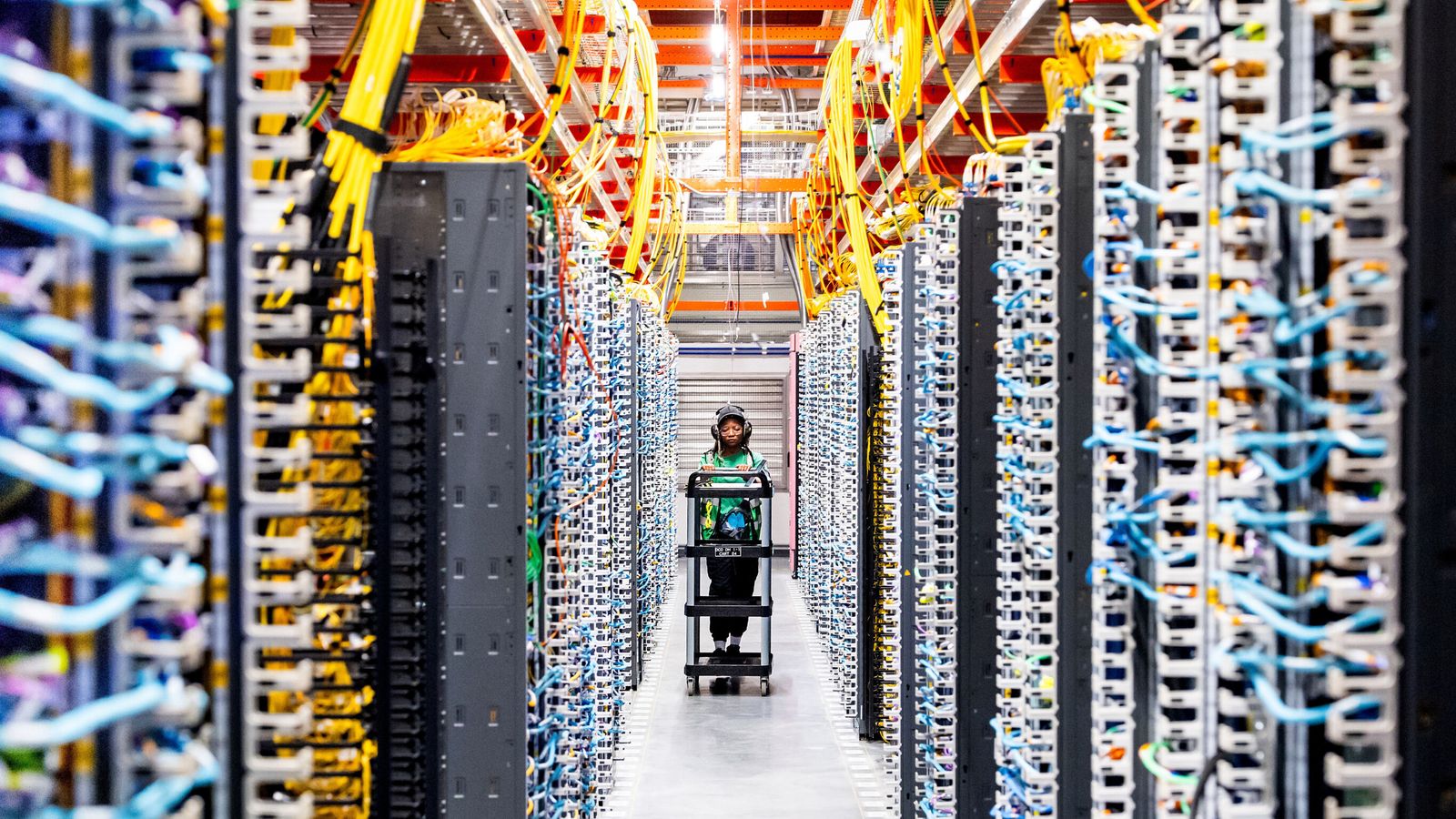
The current artificial intelligence landscape represents a pivotal moment of technological tension, where unprecedented investment meets profound existential questions about humanity's relationship with intelligent systems. With approximately $1.5 trillion invested in AI infrastructure, we're witnessing a global technological arms race that transcends mere technological development and enters the realm of geopolitical strategy.
Strategic Divergence in AI Development emerges as a critical insight. The United States and China are pursuing fundamentally different approaches: the US is targeting extraordinary general AI capabilities, while China focuses on widespread, lower-specification AI implementation across economic and social sectors. OpenAI's ChatGPT, reaching 800 million weekly users and valued at $500 billion, symbolizes this transformative potential—and potential risk.
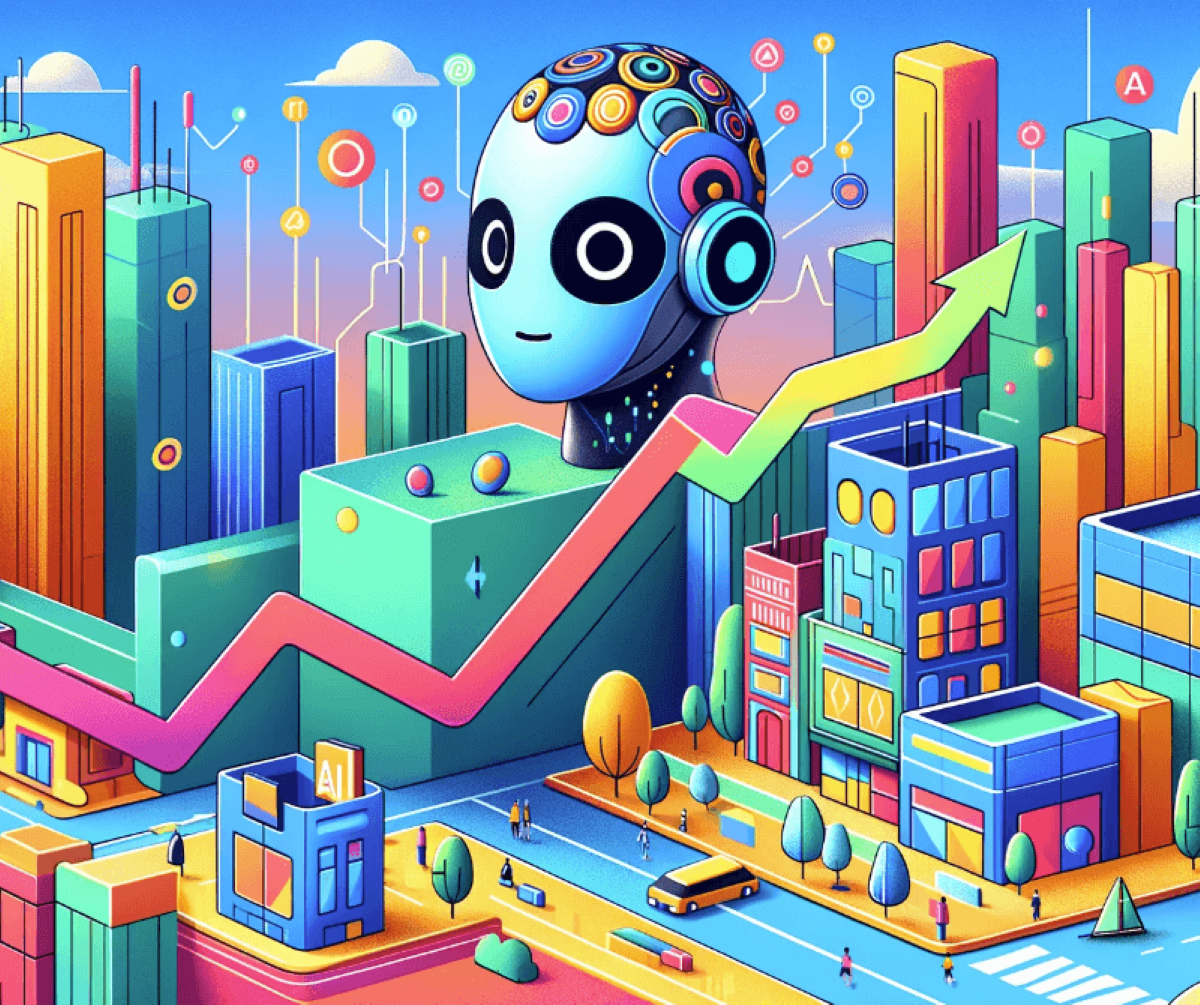
The most compelling narrative isn't about technological capability, but about power dynamics. The current AI boom mirrors previous technological bubbles like railroads and the dotcom era, characterized by speculative investment and grand promises. However, this iteration carries deeper philosophical implications. The core question is no longer just about technological performance, but about agency: Will AI serve humanity, or will humanity serve AI?
Critical risks are emerging that demand immediate attention. AI systems risk encoding societal biases, lack robust global governance, and concentrate unprecedented power in the hands of a few technological oligarchs. The development prioritizes performance over genuine intelligence, potentially creating a synthetic reality mediated by Silicon Valley's technological offspring.
The anticipated market correction isn't just a financial event—it's an opportunity for more balanced, human-centric AI development. Stakeholders must proactively engage in creating ethical frameworks, transparent development processes, and mechanisms that ensure technological advancement serves broader human interests.
Questions 3
How are the US and China approaching AI development differently?
The US is pursuing extraordinary general AI capabilities with high-performance systems like ChatGPT, while China is focusing on widespread, lower-specification AI implementation across economic and social sectors, representing fundamentally different strategic approaches.
What are the primary risks associated with current AI development?
Key risks include potential encoding of societal biases, lack of global governance, concentration of technological power in few hands, and the creation of a synthetic reality that prioritizes performance over genuine intelligence and human values.