



AI's Copyright Reckoning: Content Creators Wage Legal War Against Tech Giants
- Landmark lawsuits expose systemic intellectual property challenges in AI training ecosystems

































Overview
The emerging legal landscape surrounding artificial intelligence training represents a critical inflection point where technological innovation collides head-on with intellectual property rights. Two recent lawsuits—filed by John Carreyrou against major AI companies and Elizabeth Lyon against Adobe—signal a profound shift in how creative works are valued and utilized in the rapidly evolving machine learning ecosystem.
Intellectual property protection is no longer a peripheral concern but a central battleground. The Carreyrou lawsuit against Google, xAI, OpenAI, and others represents a strategic escalation from previous class-action approaches. By pursuing individual legal action, these content creators are challenging the fundamental assumption that published works can be freely harvested for AI training without meaningful compensation.
The financial stakes are substantial. Anthropic's recent $1.5 billion settlement with authors reveals the massive economic implications of these disputes. With class members receiving merely 2% of the Copyright Act's statutory ceiling, the current compensation models are fundamentally broken. This suggests a systemic undervaluation of creative intellectual property in the AI development process.
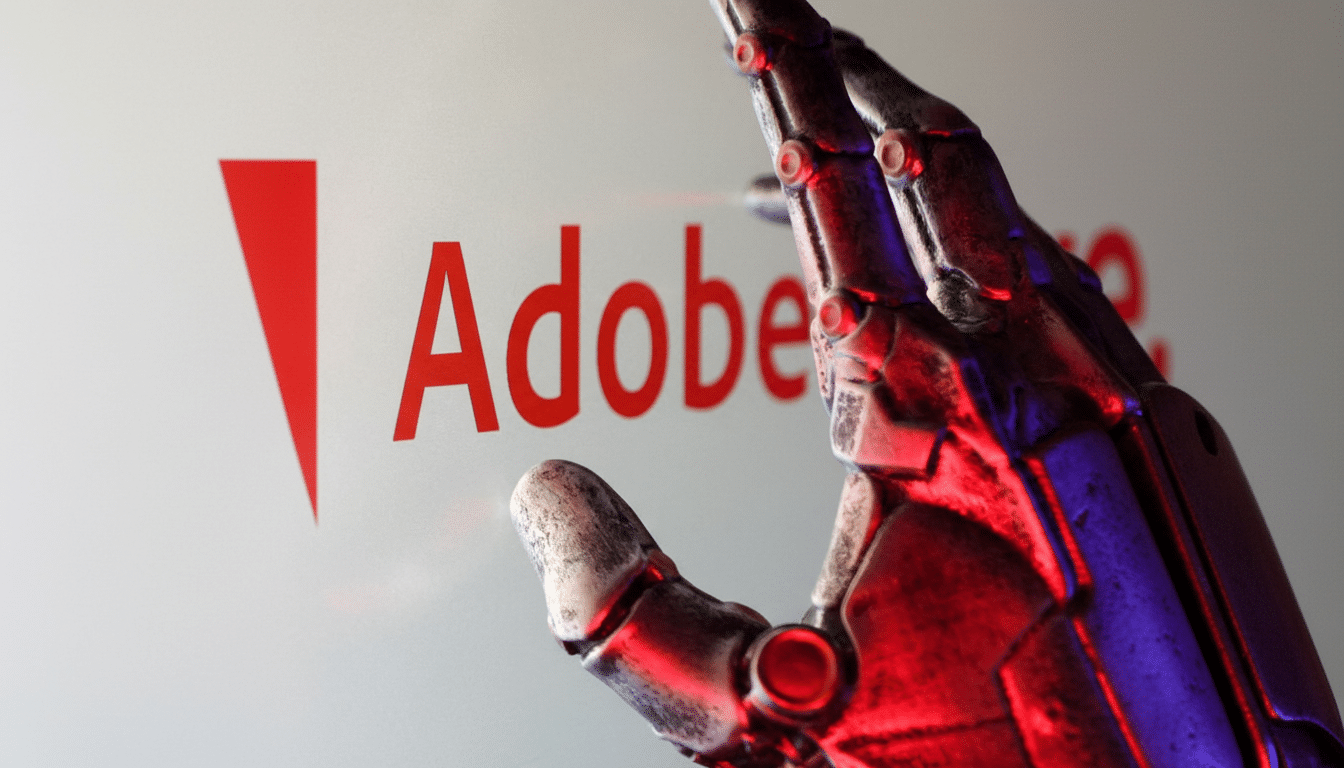
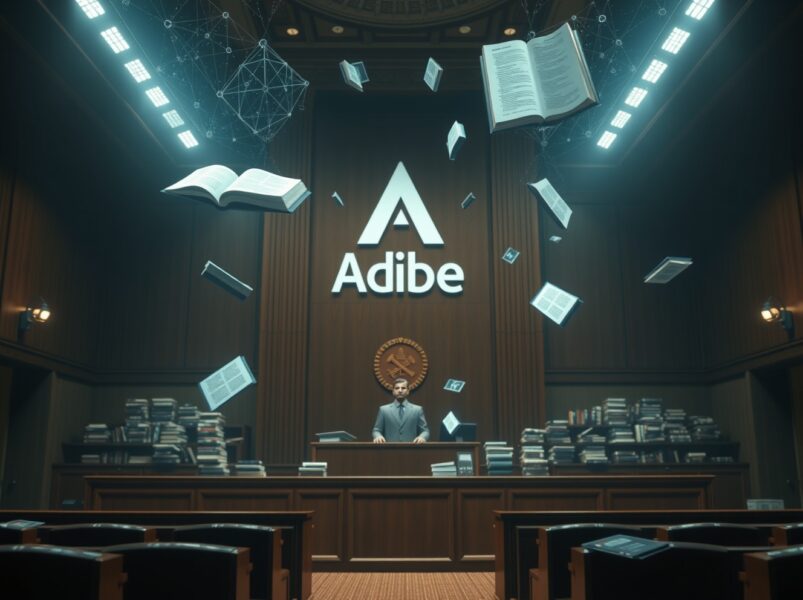
What makes these cases particularly noteworthy is their targeting of diverse AI platforms—from chatbot technologies to document assistance tools. Adobe's SlimLM program, which allegedly used the Books3 dataset without consent, demonstrates that no technology company is immune to these emerging legal challenges. The lawsuits expose a critical vulnerability in current AI training methodologies: the assumption of unrestricted data access.
The broader implications extend far beyond individual settlements. These legal actions are effectively forcing a recalibration of how AI companies source and compensate content creators. By challenging the current practice of using published works without explicit permission, these lawsuits could fundamentally reshape the economic relationship between technological innovation and creative production.
Critically, this is not just a legal battle but a structural transformation of the AI ecosystem. Content creators are no longer passive participants but active architects demanding fair value for their intellectual contributions. The outcome will likely establish precedent-setting guidelines for ethical AI development, potentially creating new compliance frameworks that balance technological advancement with creative rights.
Questions 3
How might these legal challenges impact smaller AI companies and startups?
Smaller AI companies might face higher barriers to entry, as they'll need robust legal and compliance frameworks for data sourcing. This could lead to the emergence of specialized data licensing services and increase the overall complexity and cost of AI model development.
What are the potential long-term implications for AI development?
The lawsuits could compel AI companies to develop more transparent and equitable data licensing models. This might increase development costs but will likely create a more sustainable ecosystem where content creators are fairly compensated, potentially slowing AI innovation but improving its ethical foundations.