



Nintendo's Strategic Pivot: How Limited Edition Bundles Reshape Gaming Retail Dynamics
- Revealing the calculated product lifecycle management transforming console and game marketing strategies








Overview
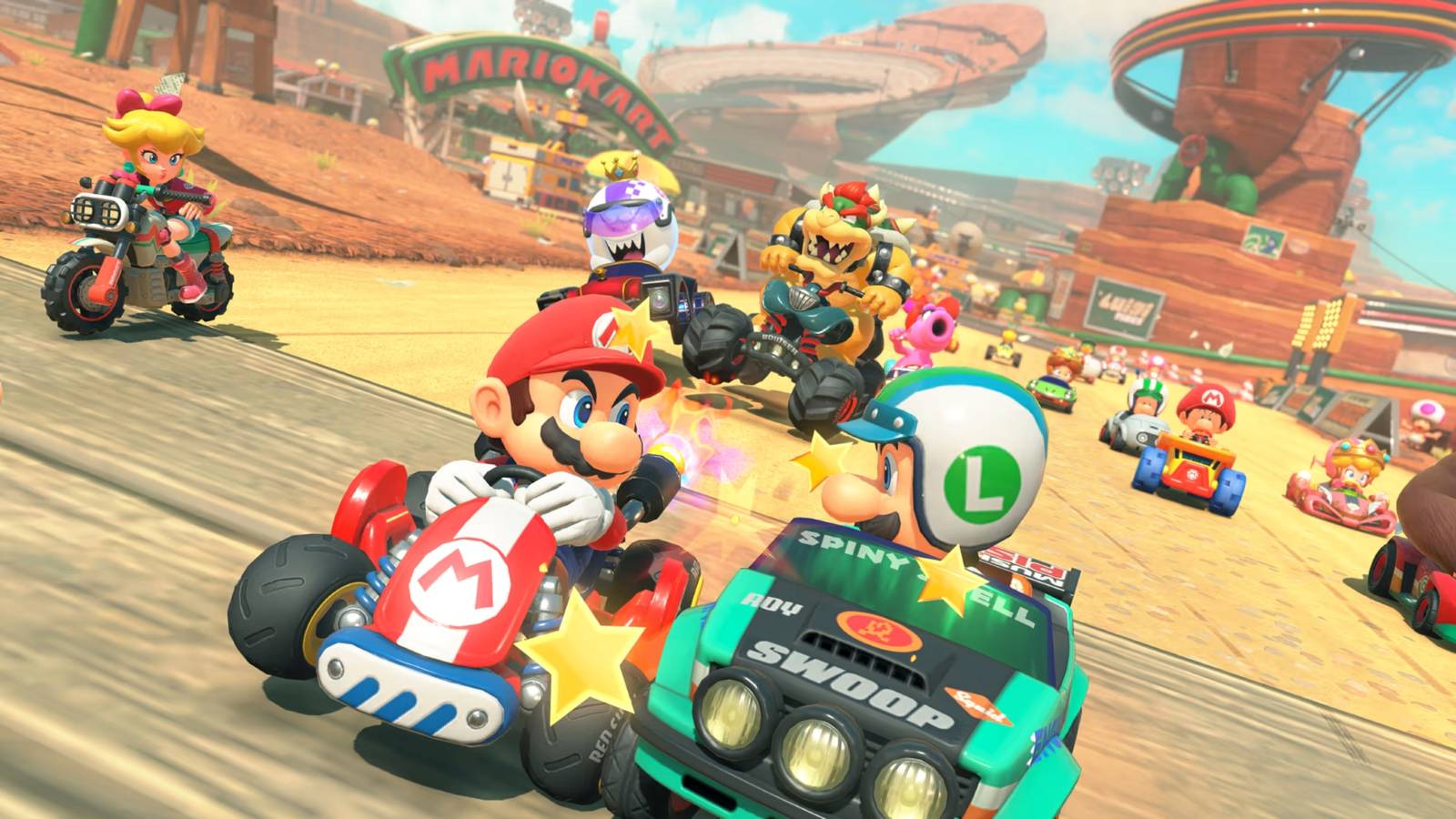
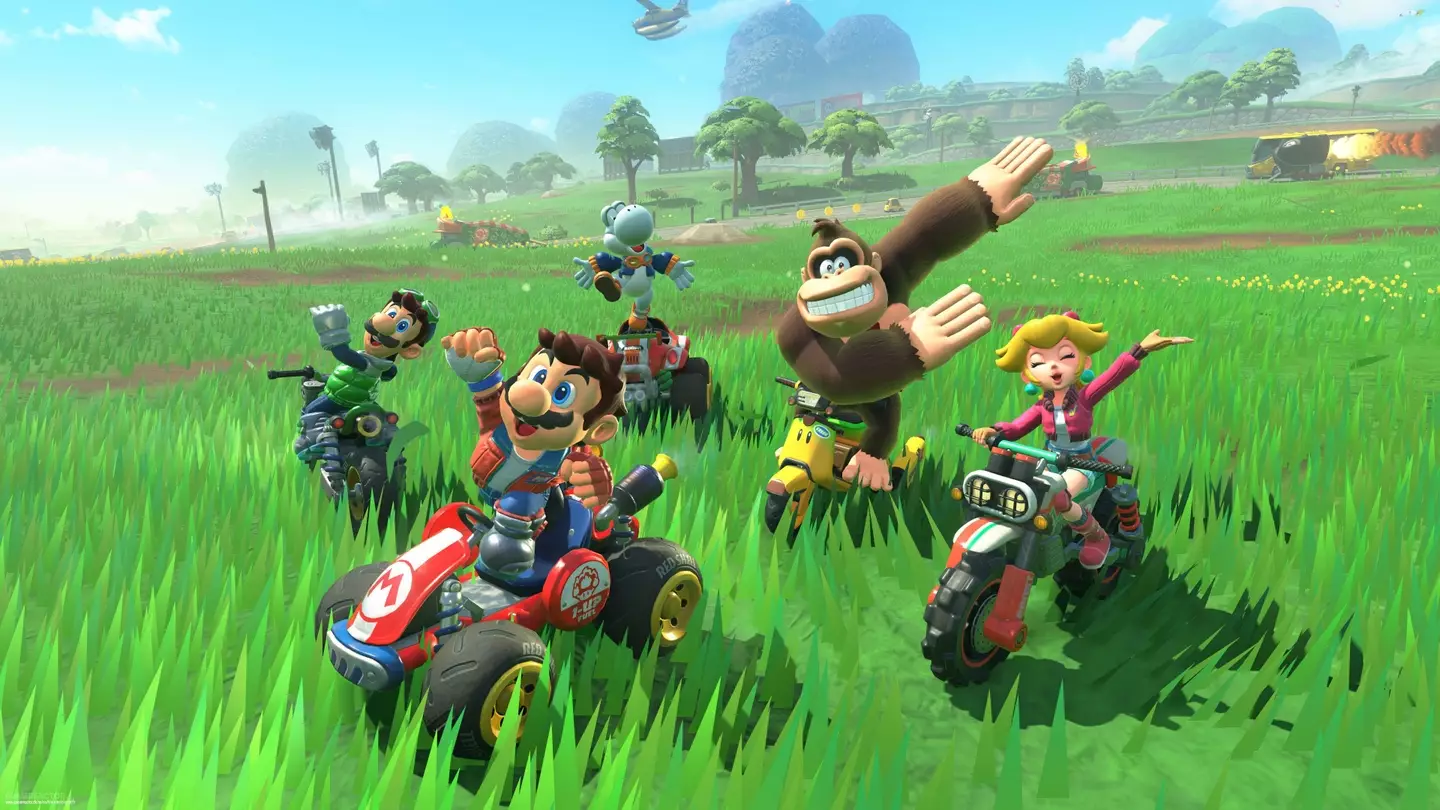
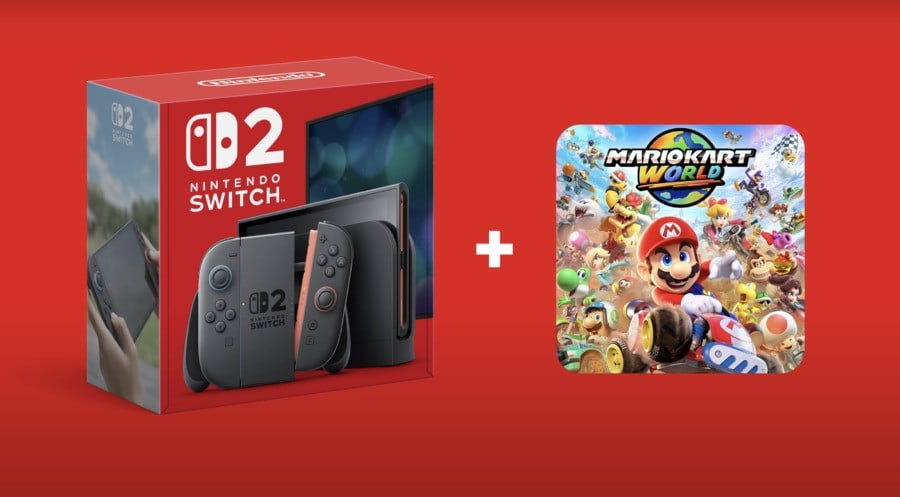
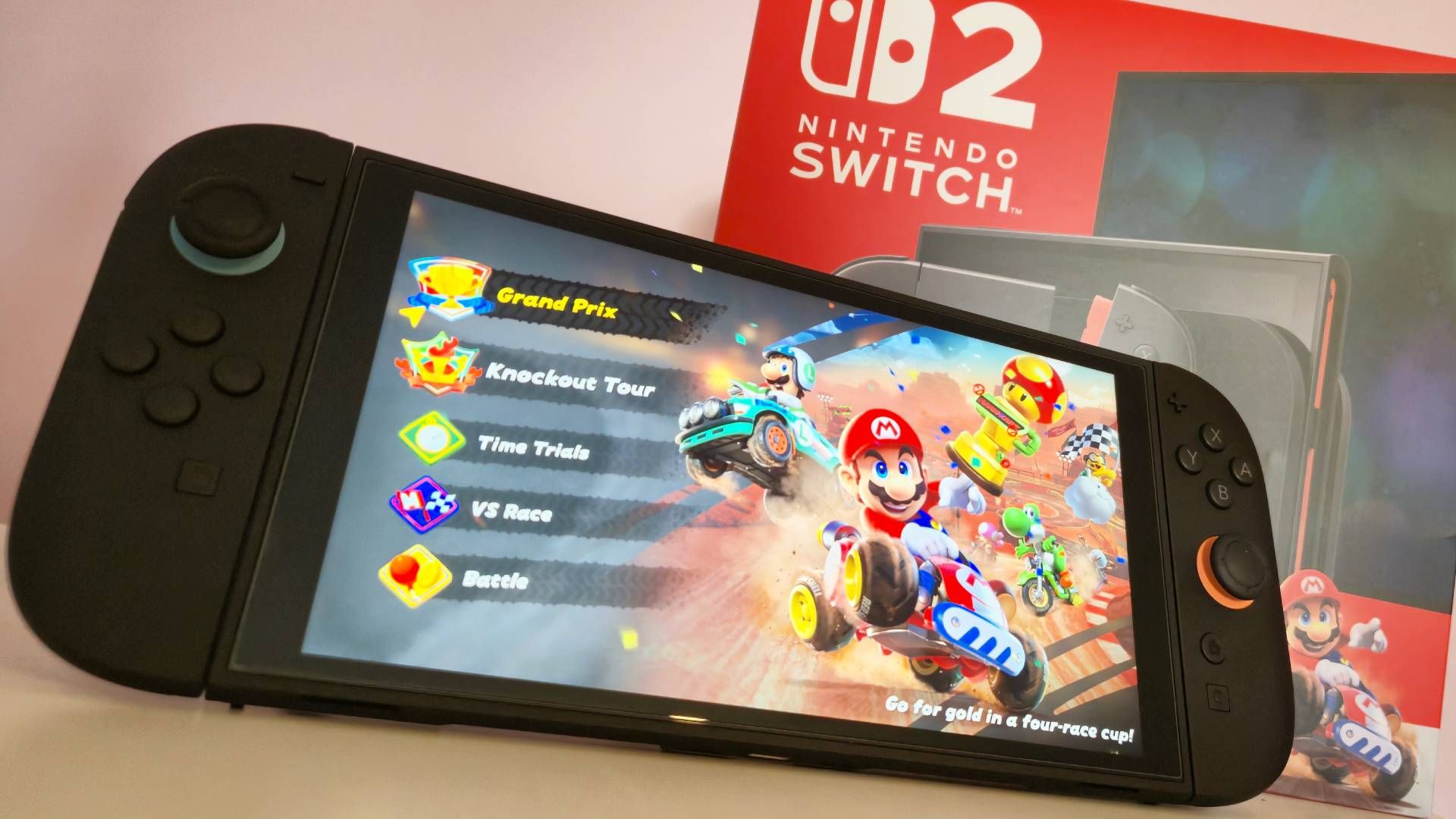
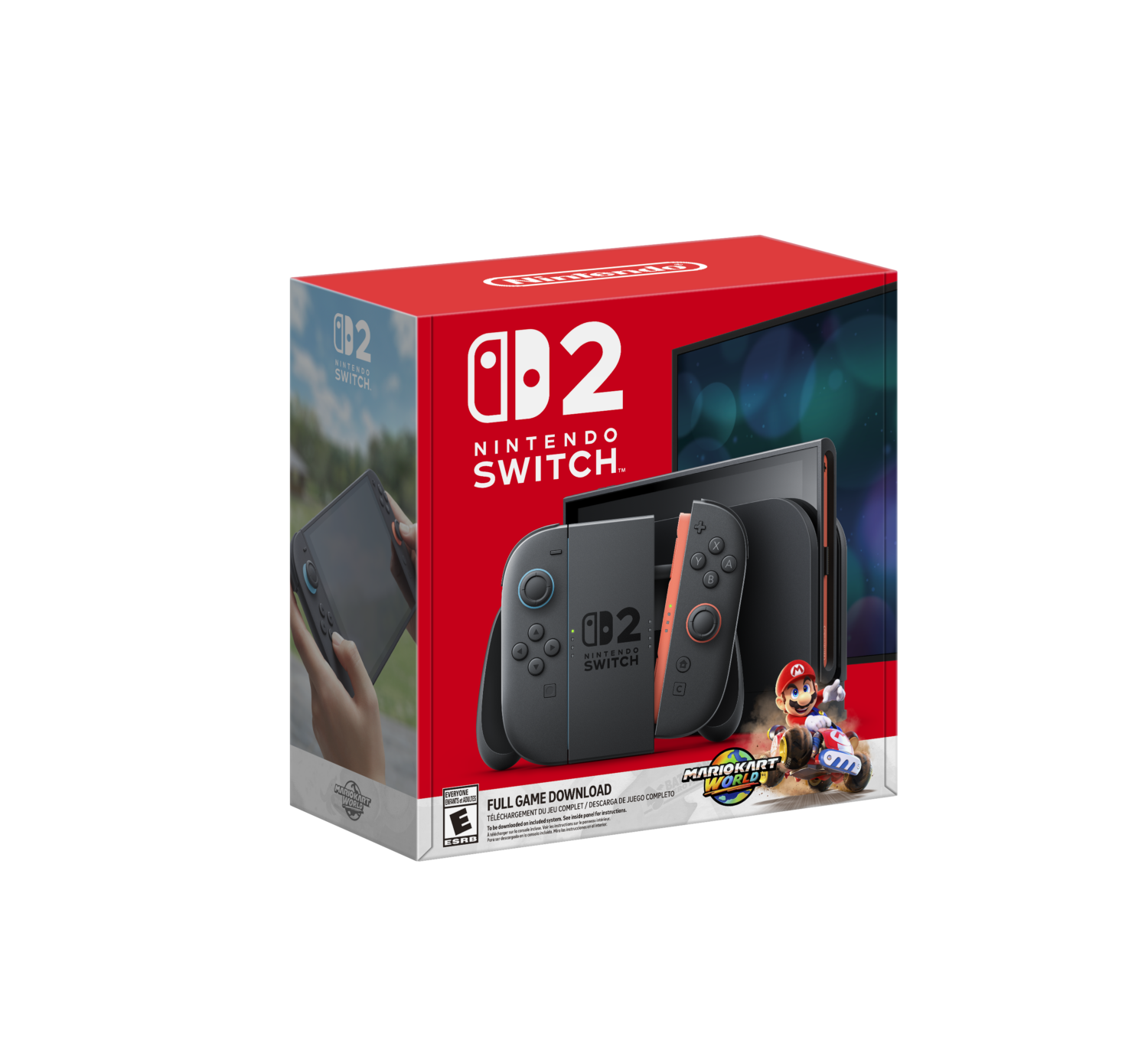
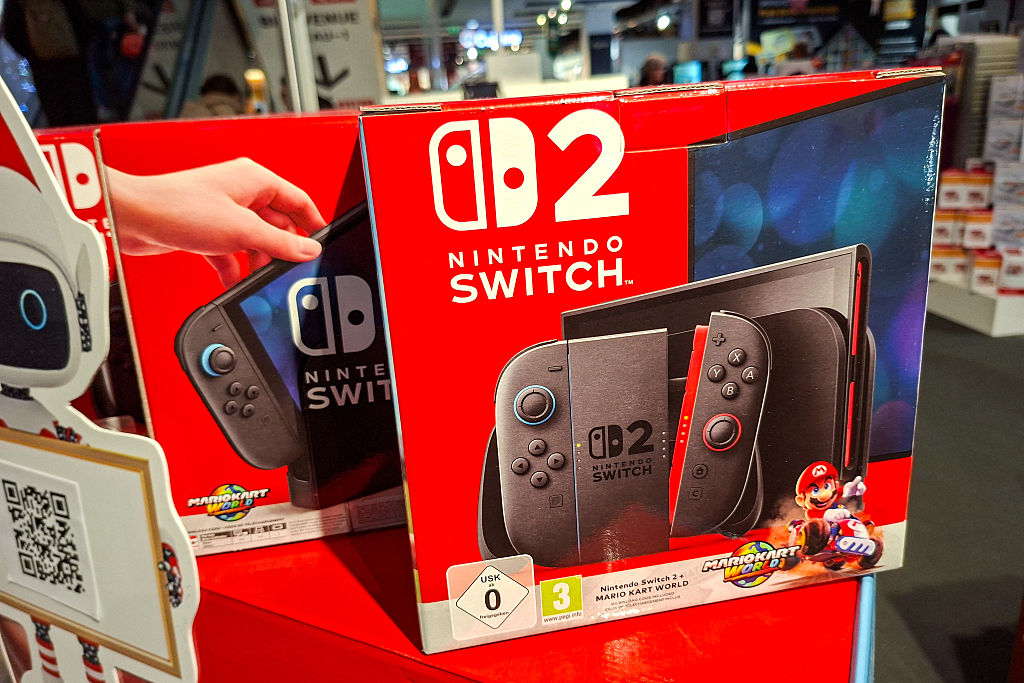
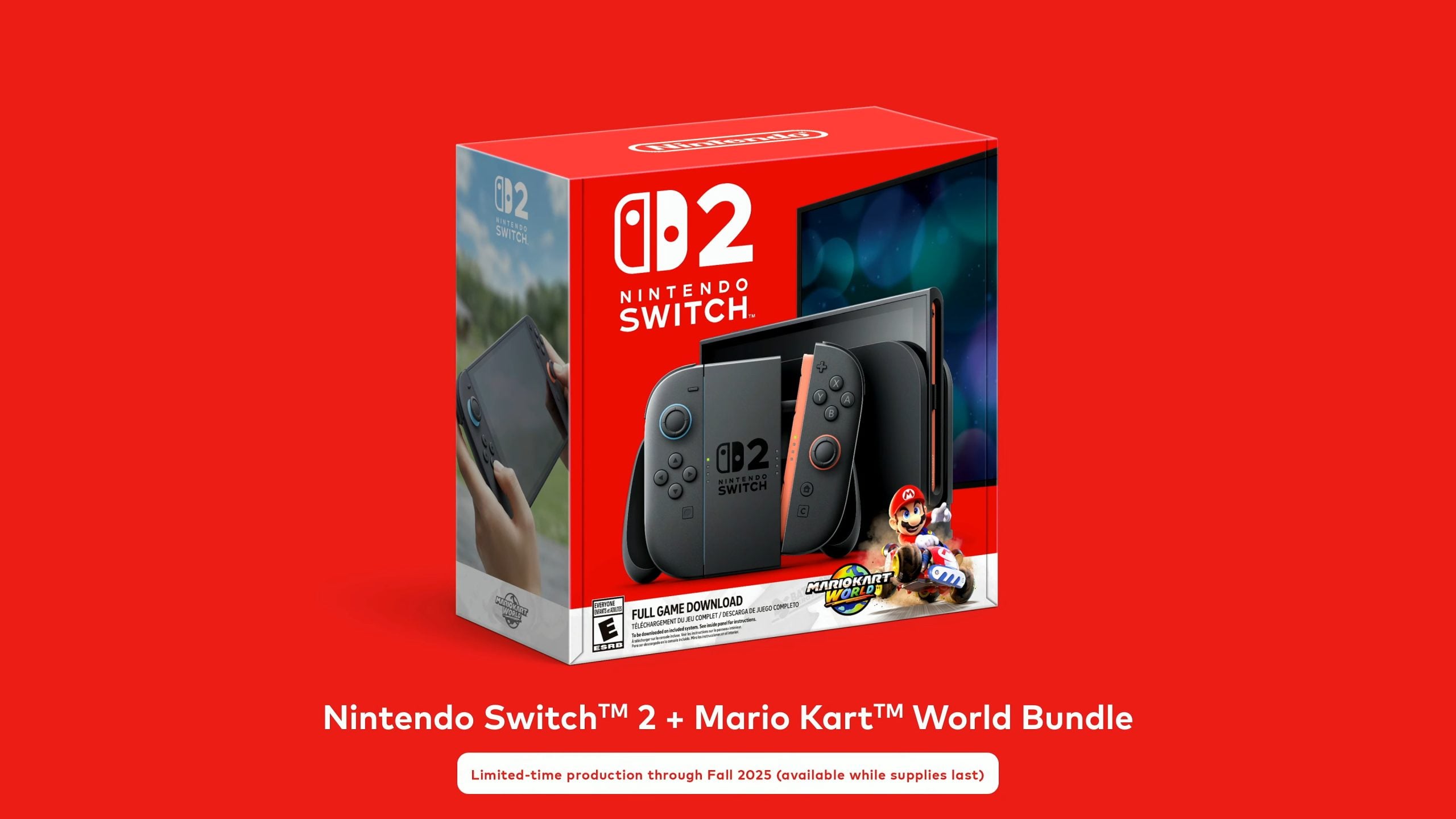
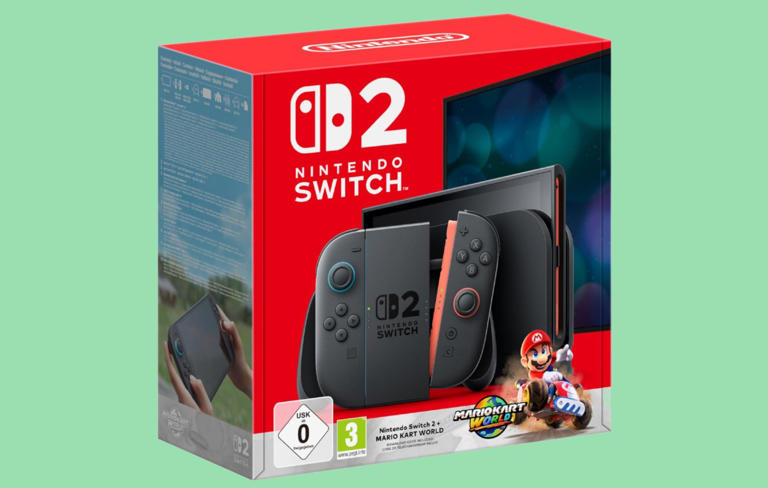
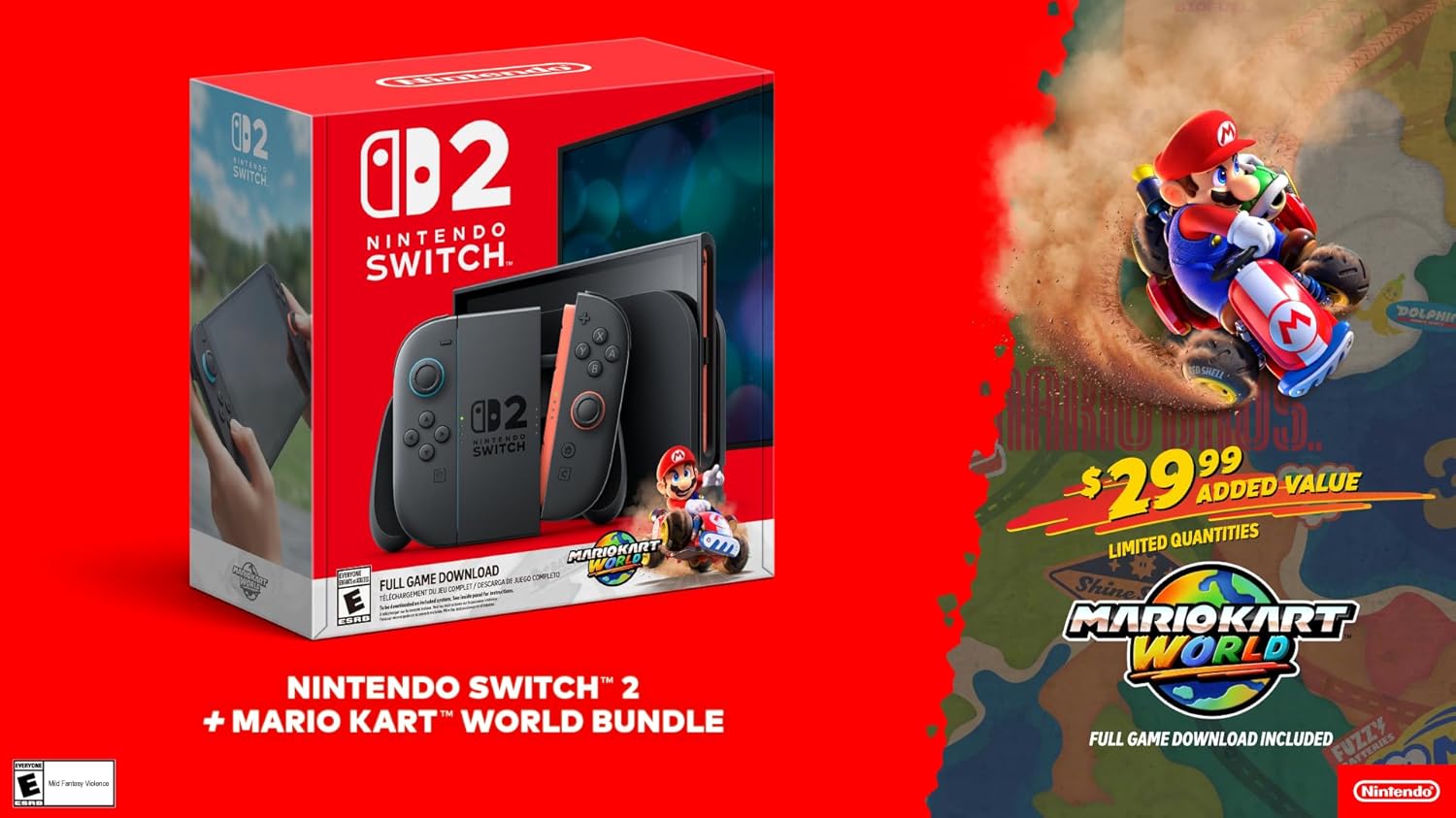
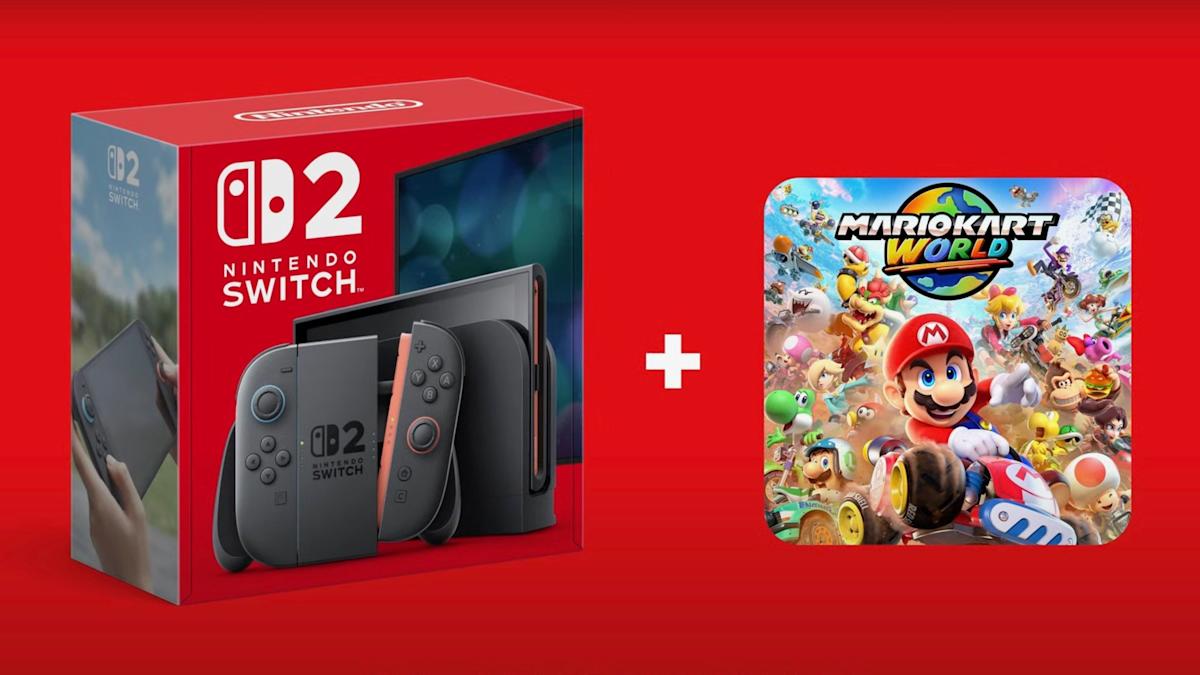
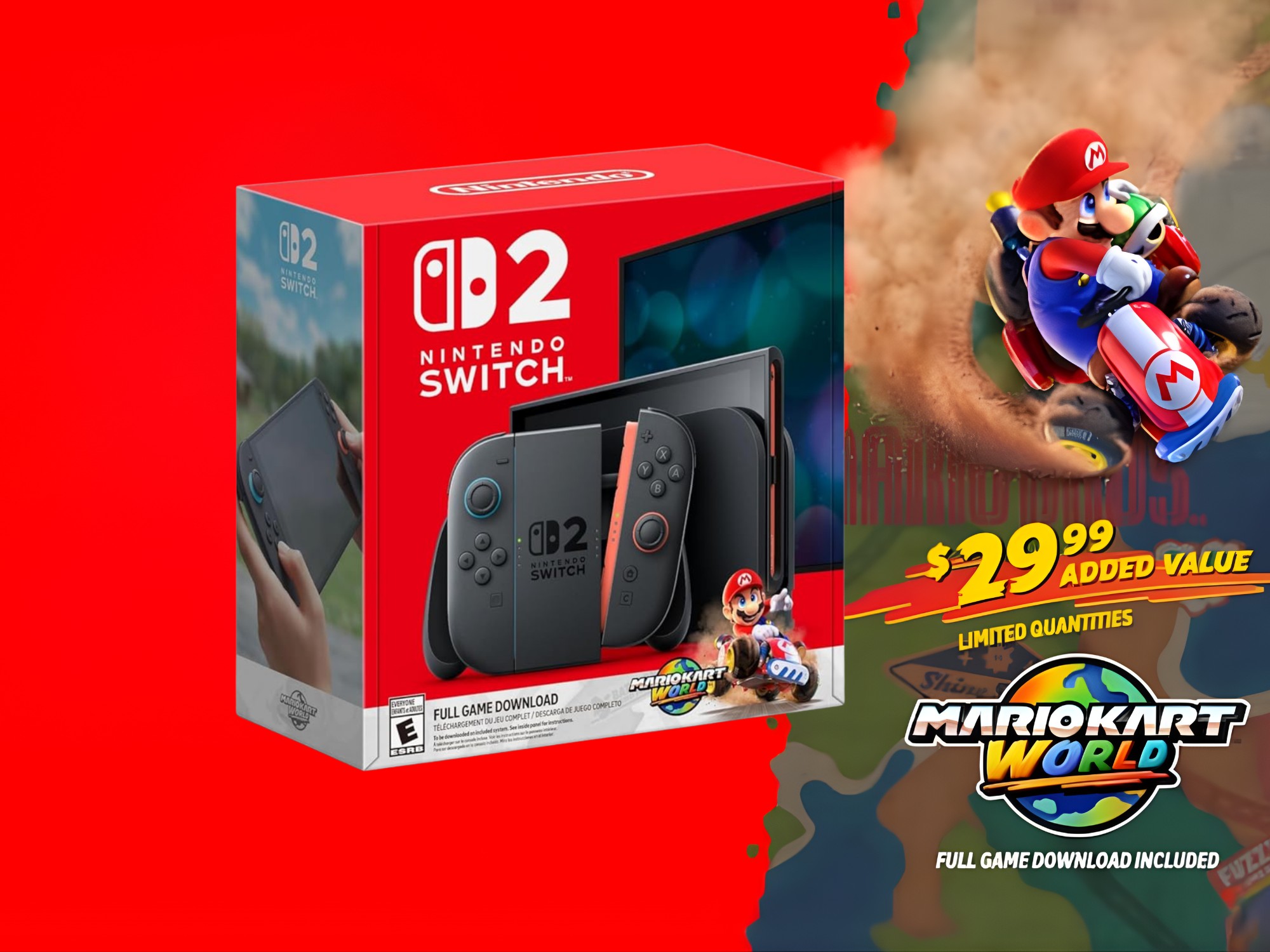
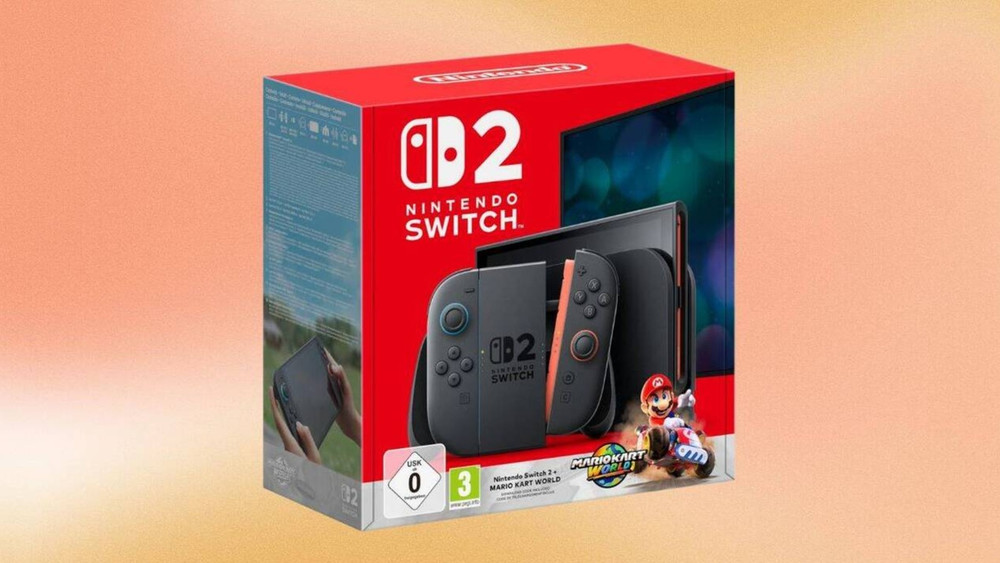
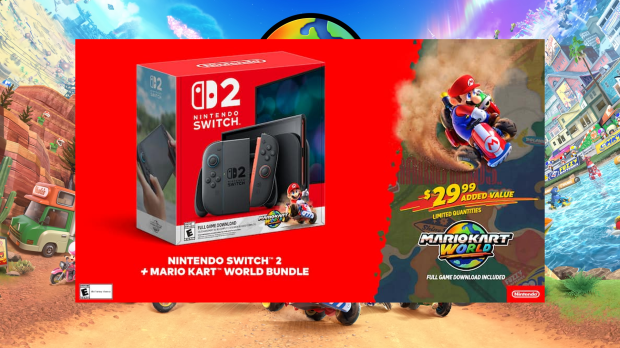
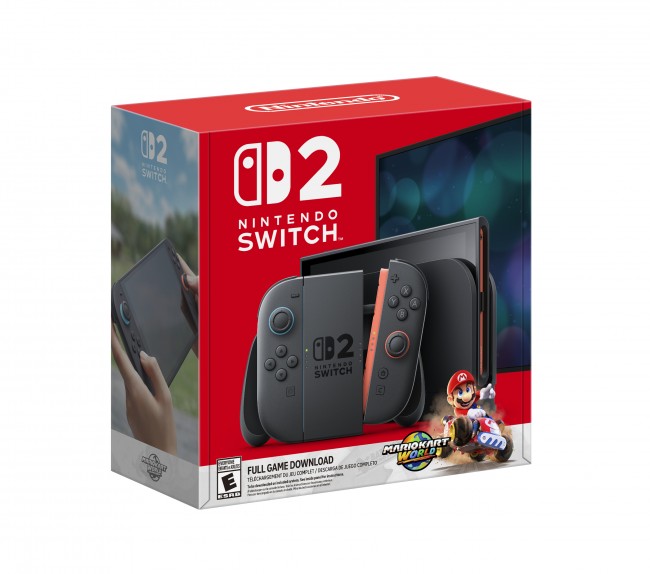
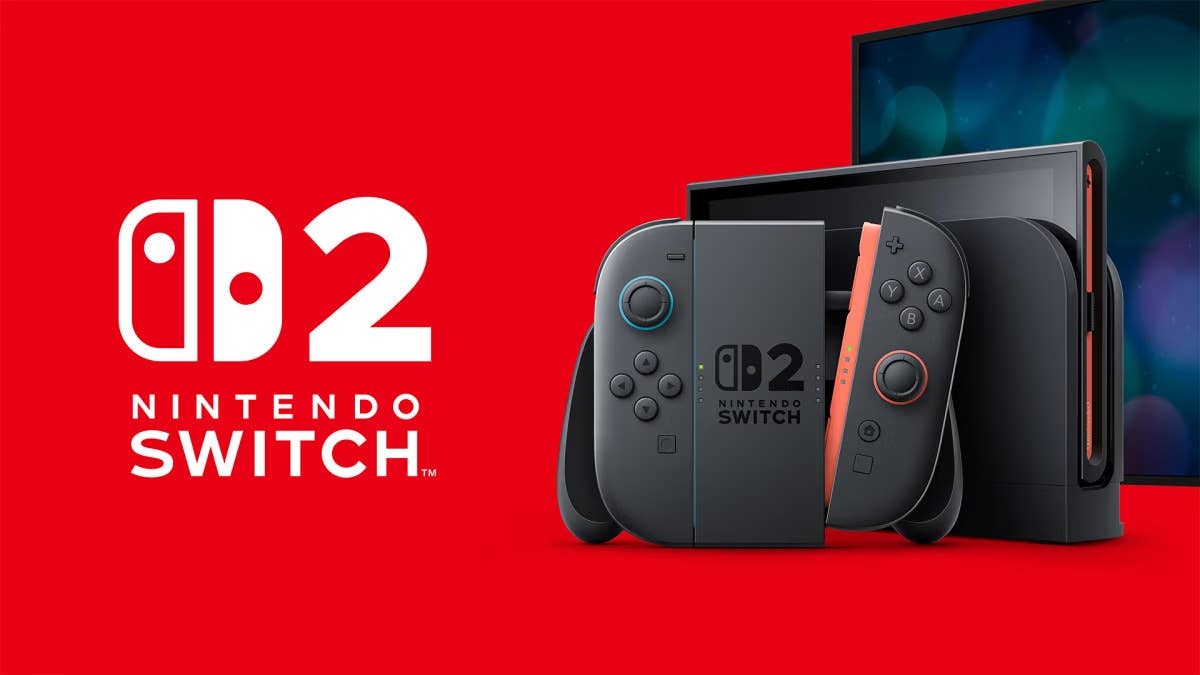
Nintendo's Switch 2 Mario Kart World bundle discontinuation reveals a sophisticated product strategy that goes far beyond simple inventory management. By deliberately creating a limited-time offering, the company has masterfully engineered a marketing approach that maximizes consumer excitement, drives initial sales, and sets the stage for future promotional configurations.
The bundle's strategic arc is remarkable: launched in June 2025 at $499.99, it represented more than just a product package—it was a calculated market entry mechanism. Nintendo sold an unprecedented 10.36 million Switch 2 units between June and September 2025, with 8.1 million units sold through the Mario Kart World bundle. This demonstrates the powerful draw of strategically designed limited-edition offerings.
What makes this strategy particularly compelling is Nintendo's pricing discipline. Unlike competitors Microsoft and Sony, Nintendo maintained its console pricing at $449.99, resisting inflationary pressures. Best Buy's current bundle offering, effectively providing Mario Kart World for free, further underscores the company's commitment to consumer value while maintaining strategic flexibility.
The bundle's discontinuation isn't a setback but a deliberate tactical move. By creating scarcity and a clear end-of-lifecycle narrative, Nintendo generates urgency among early adopters and gaming enthusiasts. The potential hint of an upcoming Animal Crossing: New Horizons Switch 2 edition suggests the company is already preparing its next targeted bundle strategy.
For cross-border e-commerce sellers and gaming market observers, this signals a critical evolution in hardware and software bundling. The key insight is the transformation of product bundles from simple sales tools to sophisticated market engagement mechanisms. Nintendo demonstrates that limited-time offerings can simultaneously drive sales, manage market perception, and create anticipation for future product iterations.
Questions 3
What implications does this have for cross-border e-commerce sellers?
This signals the importance of monitoring limited-edition product offerings and understanding how promotional bundles can impact sales strategies. Sellers should pay close attention to product lifecycle management, scarcity marketing techniques, and how major brands like Nintendo create value through strategic product packaging.
How successful was the Switch 2 Mario Kart World bundle?
Extremely successful. Nintendo sold 10.36 million Switch 2 units between June and September 2025, with 8.1 million units sold through the Mario Kart World bundle. This represents a record-breaking console launch and demonstrates the effectiveness of their strategic bundling approach.