

French Political Gridlock Threatens Economic Stability: Budget Crisis Exposes Governance Fragility
- Macron's Minority Government Faces Critical Budget Impasse with Potential €12 Billion Economic Ripple Effect






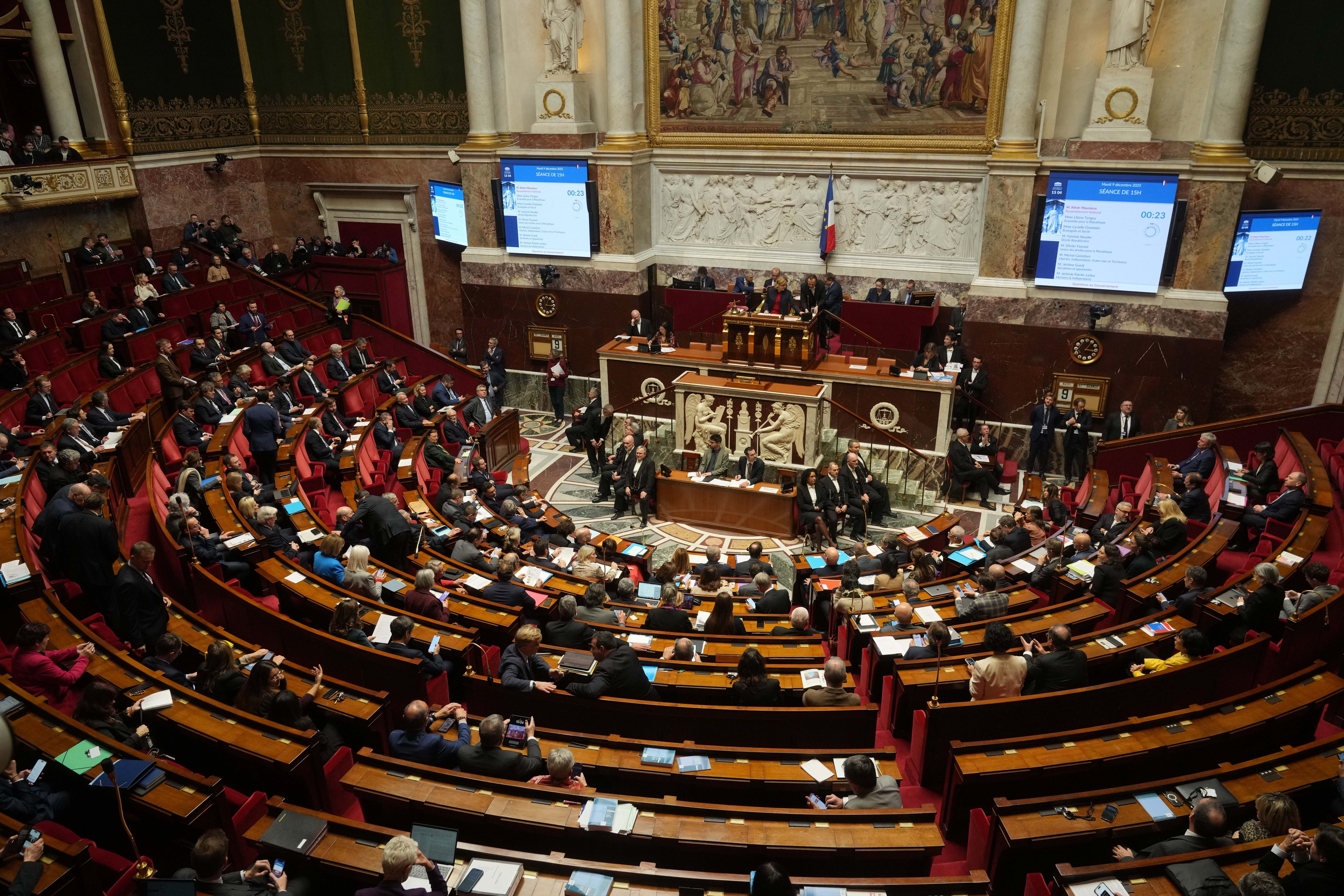



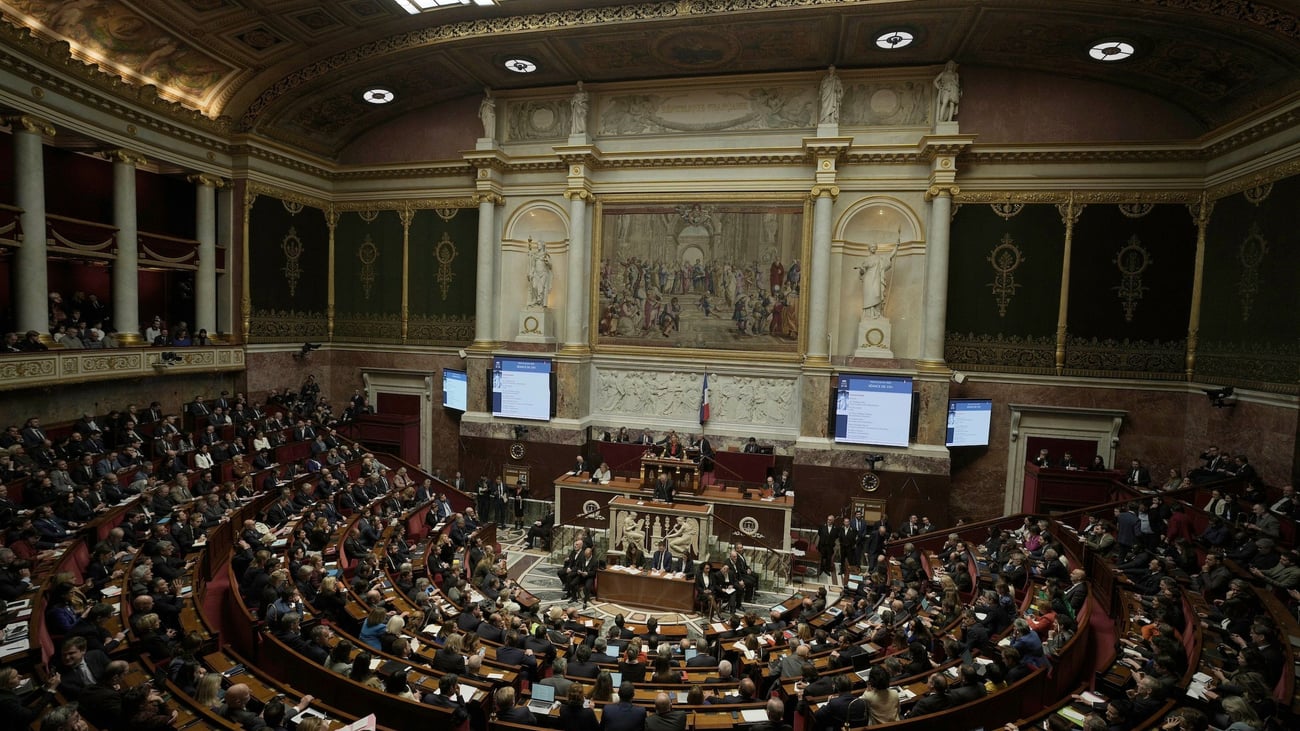




















Overview
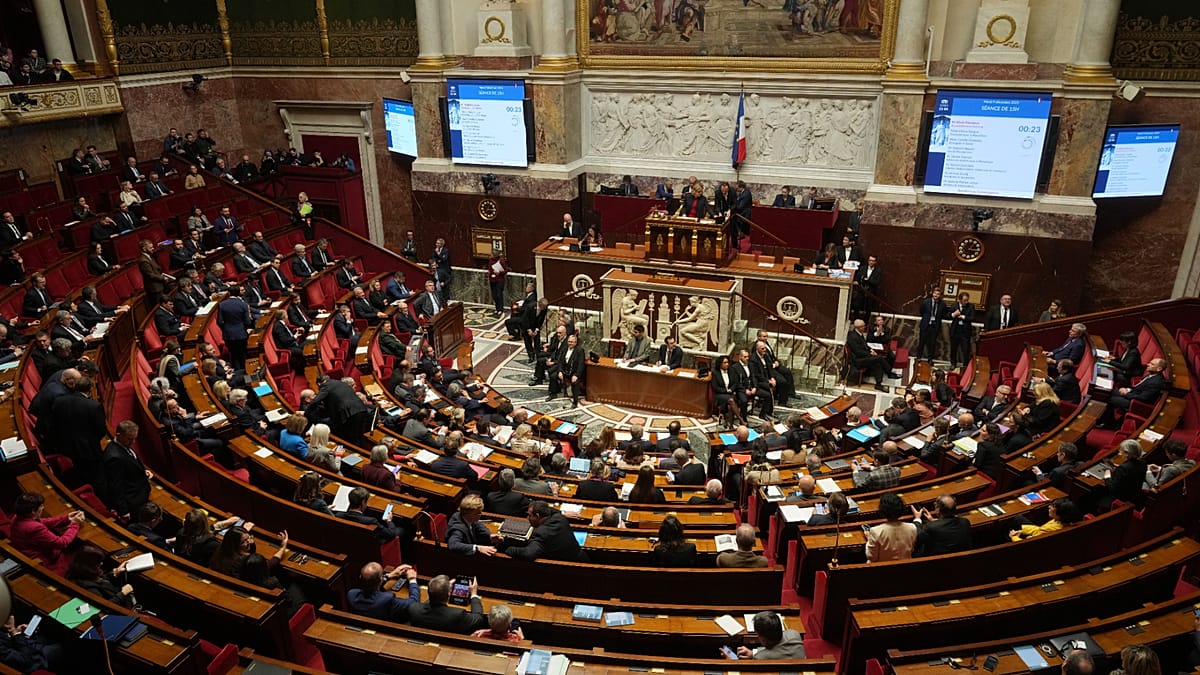
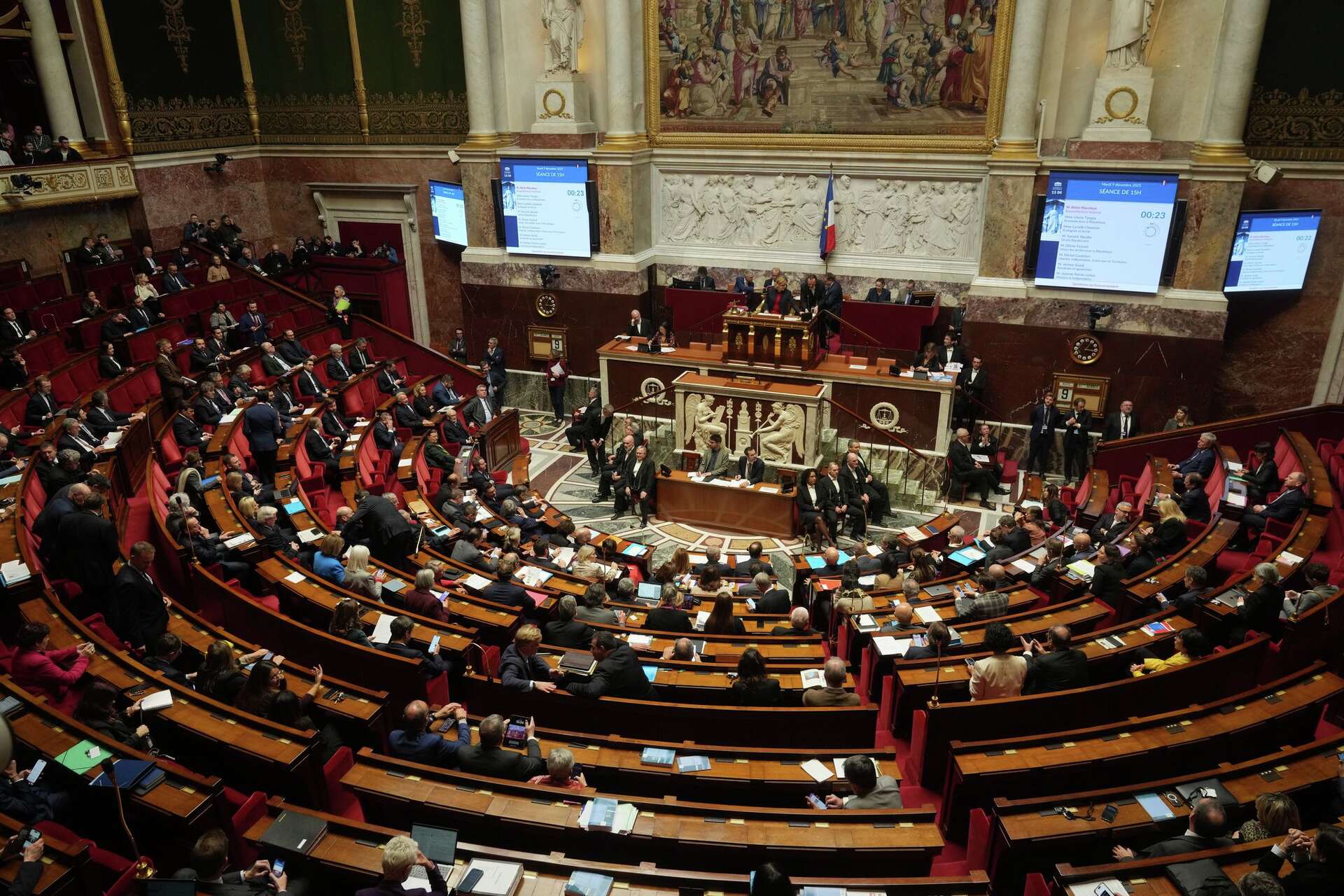
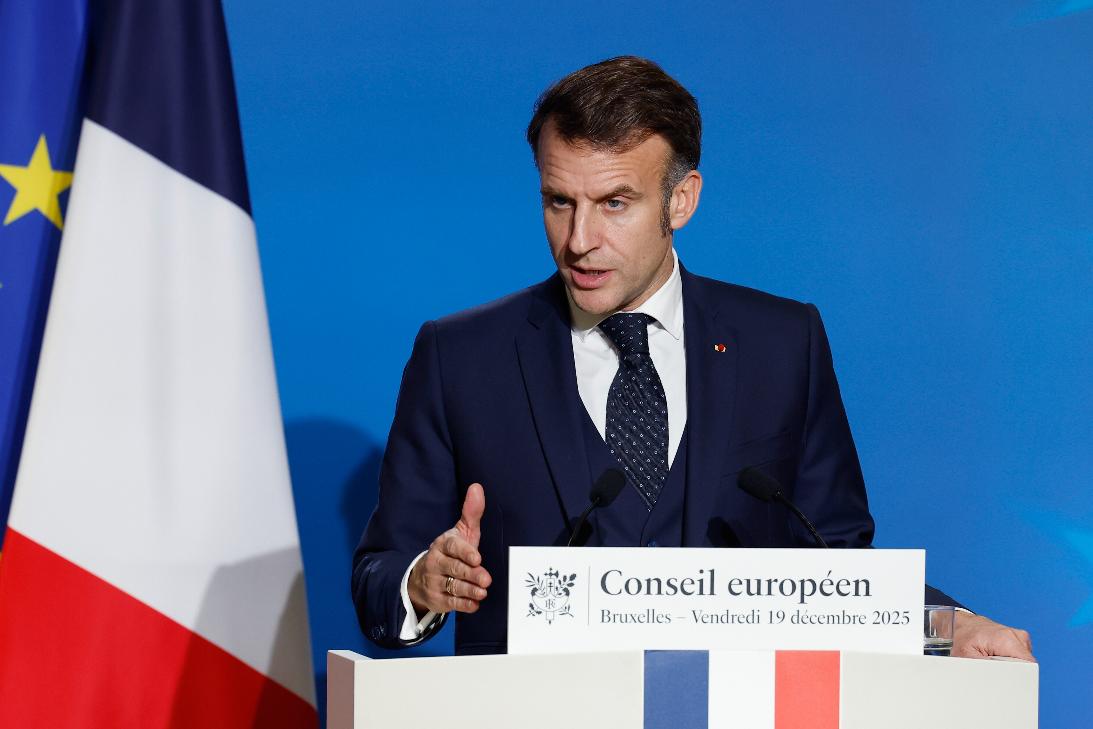
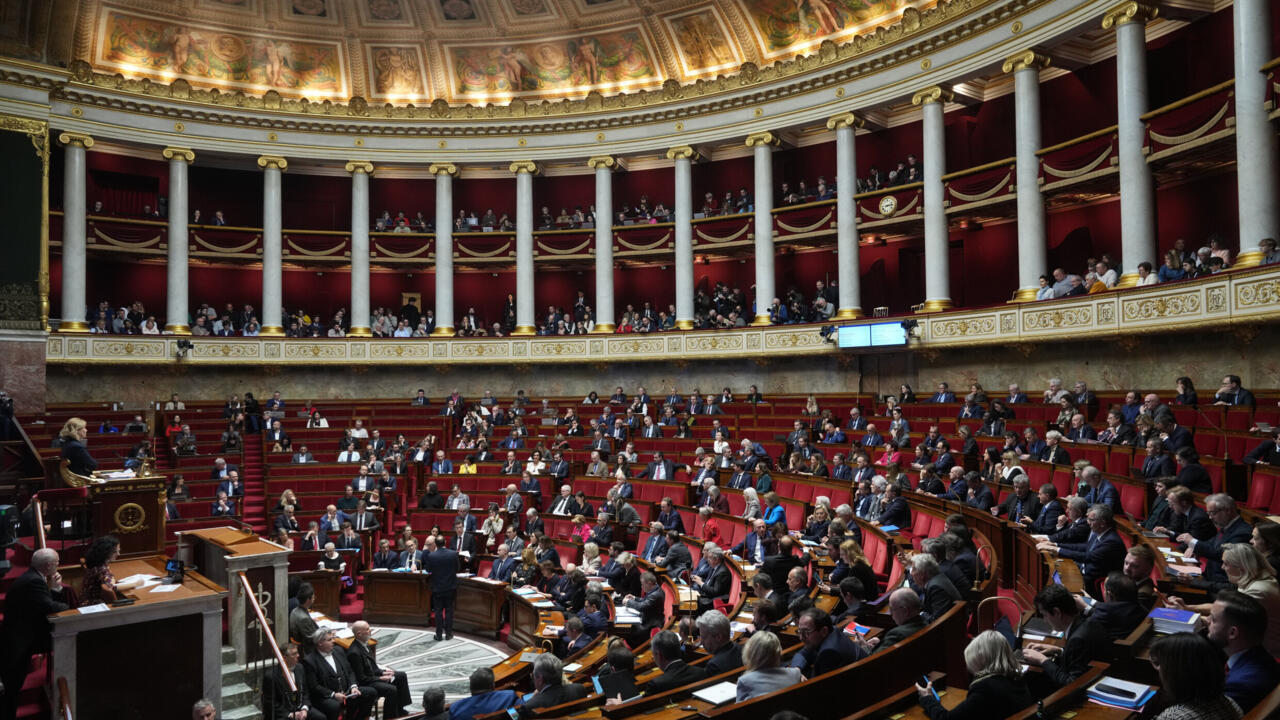
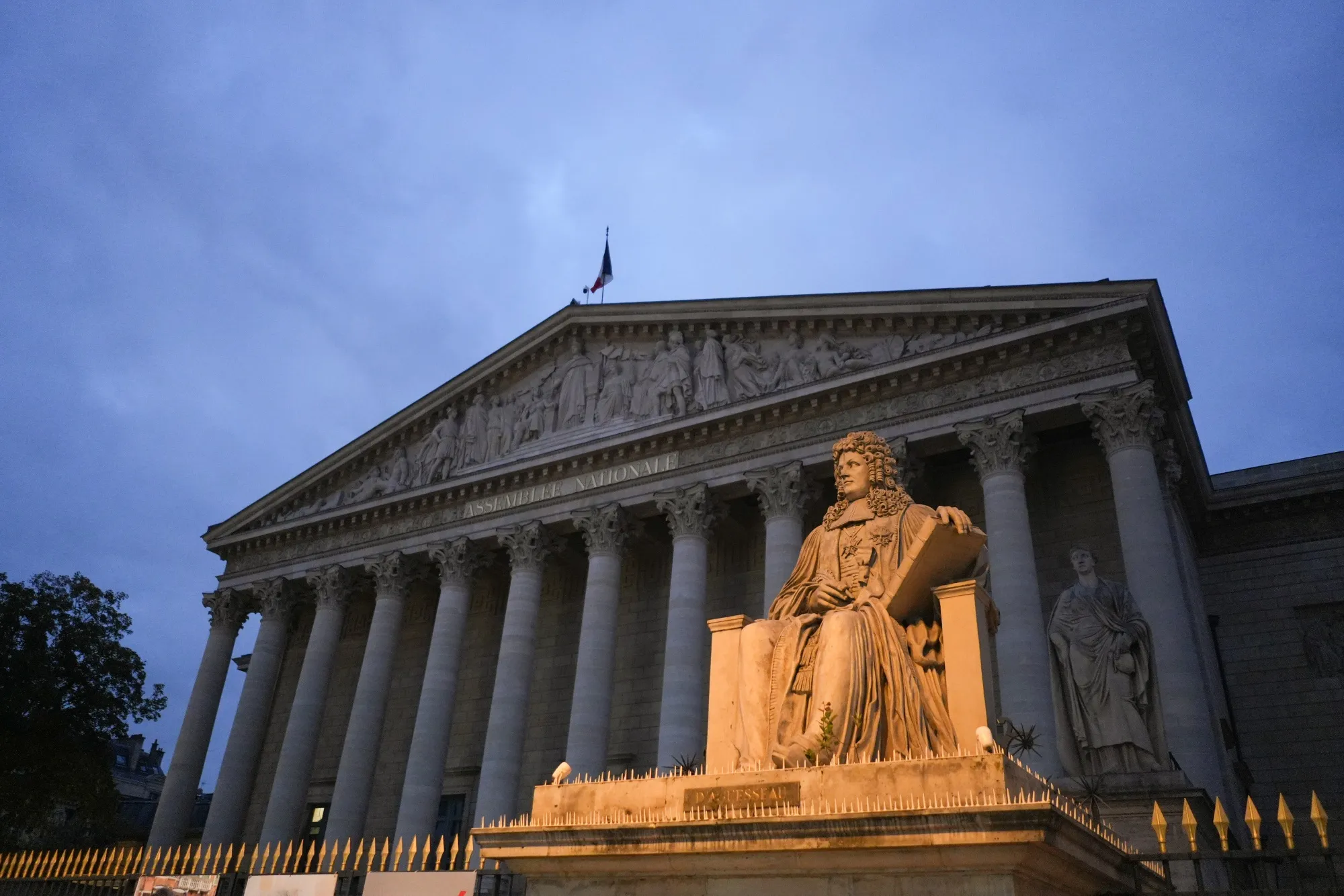
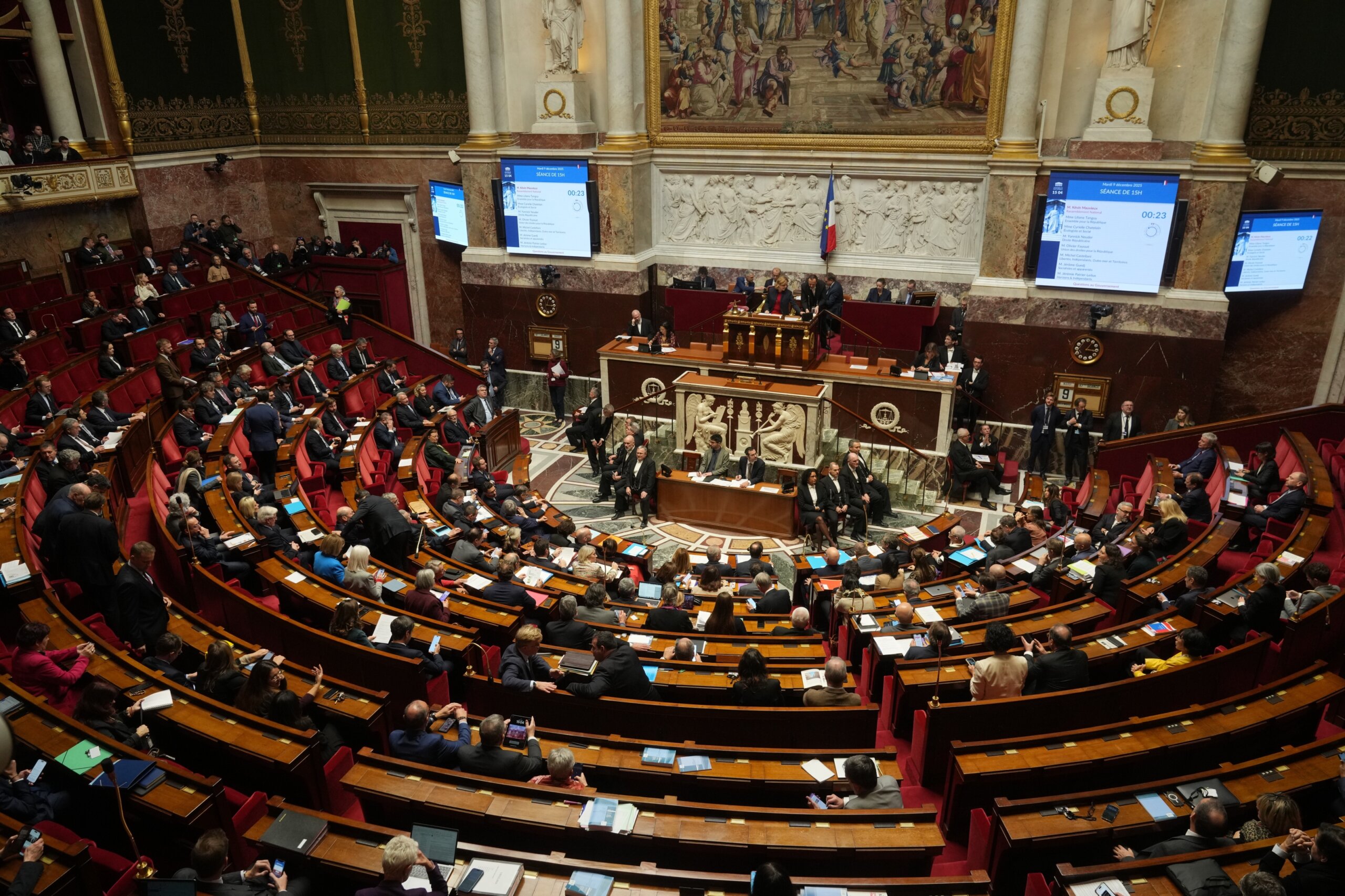
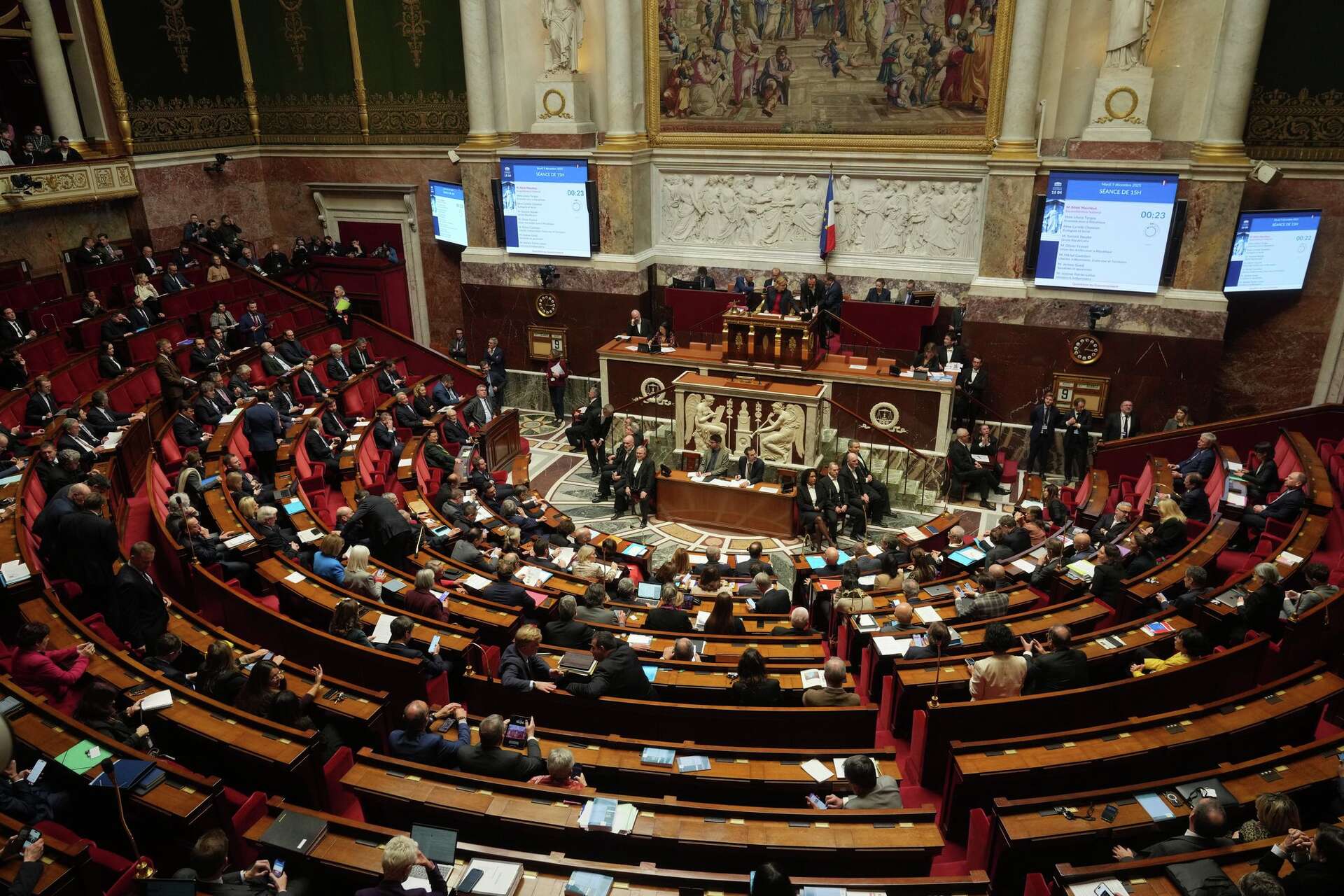
France stands at a critical political and economic crossroads, with its government teetering on the brink of a potentially destabilizing budget crisis that reveals deeper structural weaknesses in its political system. The current impasse stems from a fractured parliamentary landscape where President Emmanuel Macron's centrist government lacks a clear majority, creating unprecedented governance challenges.
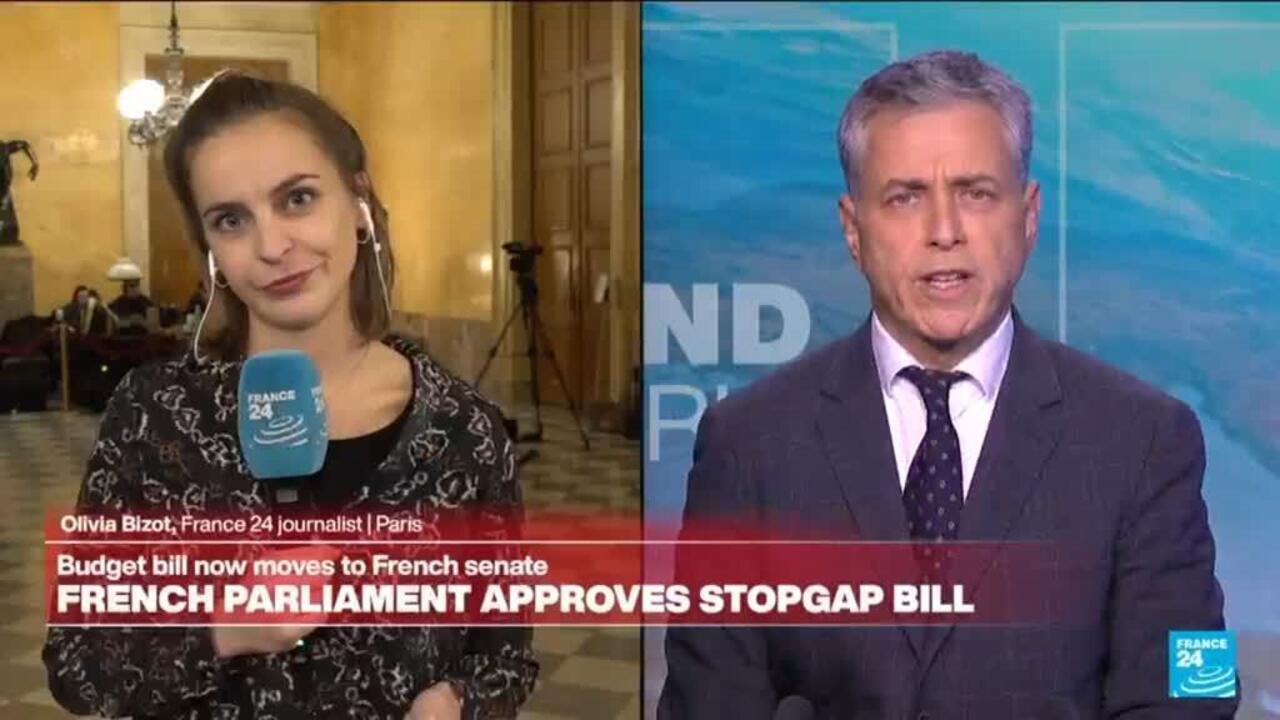
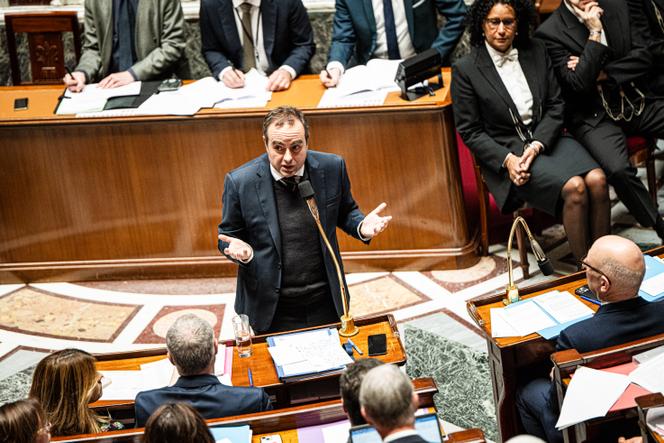
The budget negotiation breakdown represents more than a procedural hiccup—it signals a profound systemic dysfunction. With budget talks collapsing and an emergency bill proposed to extend 2025 budget levels, France is experiencing what amounts to a quasi-governmental shutdown. The €12 billion potential additional cost of this delayed budget resolution underscores the tangible economic risks of political gridlock.
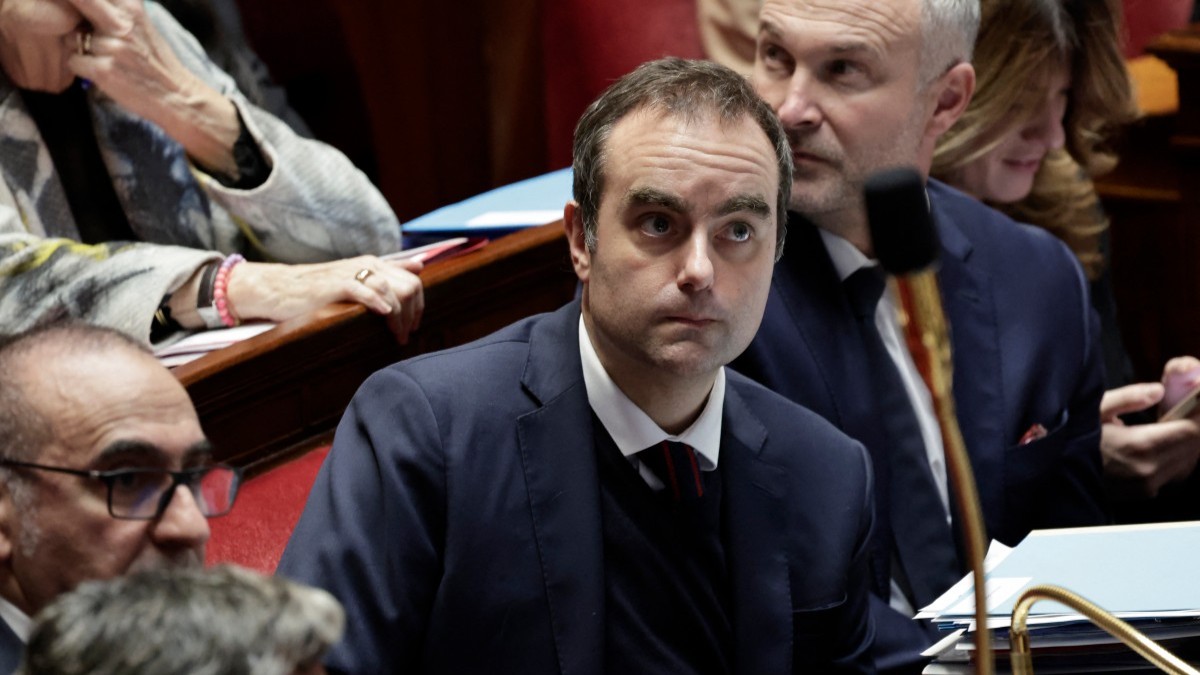
Political fragmentation has become the defining characteristic of France's current governance model. The political spectrum is now divided into three main camps: Marine Le Pen's far-right National Rally, left-wing forces, and Macron's centrist minority government. This tripartite division creates a complex negotiation environment where compromise becomes exceptionally challenging. Finance Minister Roland Lescure's urgent statement—"We need a budget as fast as possible"—reveals the mounting pressure to resolve this impasse.
For businesses and international investors, this situation presents a high-uncertainty economic environment. The potential for rapid regulatory shifts, unpredictable tax structures, and limited government maneuverability creates significant risk. E-commerce sellers and multinational corporations targeting the French market must develop adaptive strategies that can withstand rapid political and fiscal changes.
The broader implications extend beyond immediate budget concerns. This crisis reflects a fundamental transformation in French political governance, where traditional party structures are dissolving and new political alignments are emerging. The repeated budget battles that have already caused the collapse of three governments suggest a systemic challenge that goes far beyond a single legislative cycle.
Strategic actors must recognize that France is navigating a critical period of political recalibration, where institutional flexibility and rapid adaptation will be key to maintaining economic momentum.
Questions 3
How might this political gridlock impact international investment in France?
International investors are likely to adopt a cautious approach, demanding higher risk premiums. The lack of governmental stability and predictable fiscal policy could deter long-term investments, particularly in sectors dependent on consistent regulatory frameworks.
What are the immediate economic risks for businesses operating in France?
Businesses face potential short-term economic volatility due to budget uncertainty. The €12 billion potential additional cost of delayed budget resolution could create significant ripple effects across various economic sectors, impacting tax structures, public spending, and investor confidence.