
)


China's Military Buildup: A Strategic Countdown to Taiwan Confrontation
- Geopolitical Tensions Reshape Global Supply Chain and Strategic Preparedness















Overview
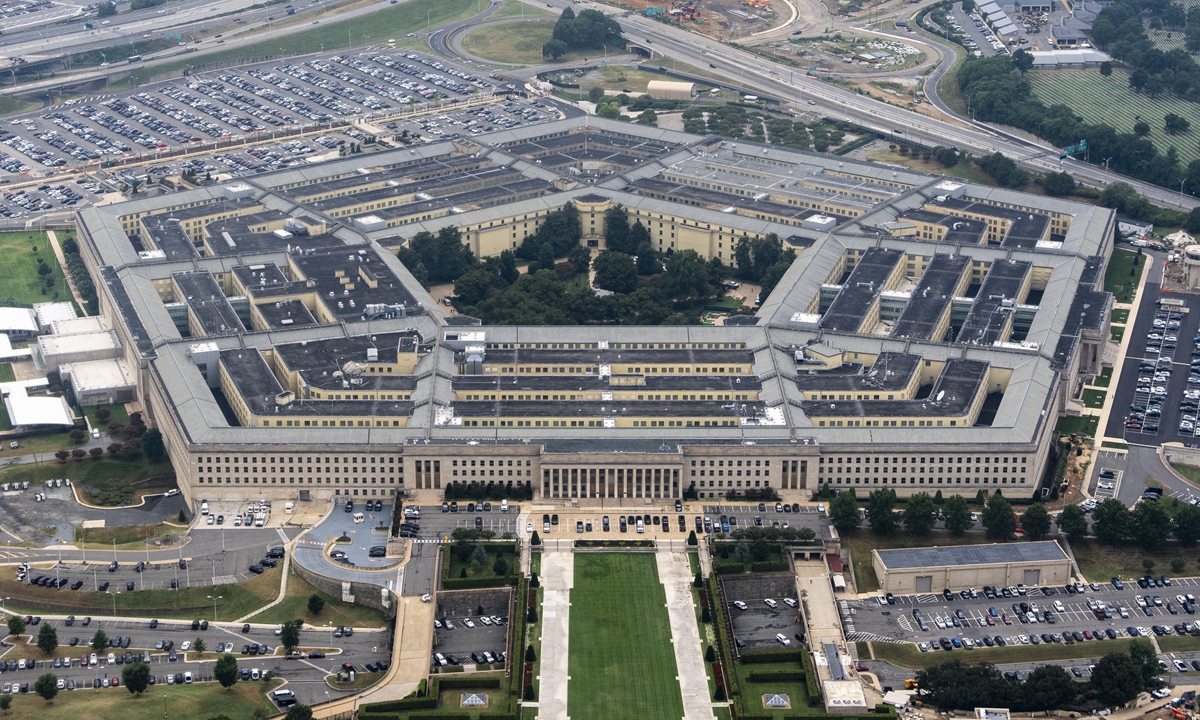
The geopolitical landscape is witnessing a critical inflection point as China accelerates its military preparedness, with a laser-focused timeline for potential Taiwan intervention by 2027. The Pentagon's latest intelligence reveals a systematic and calculated military expansion that goes far beyond traditional strategic posturing.
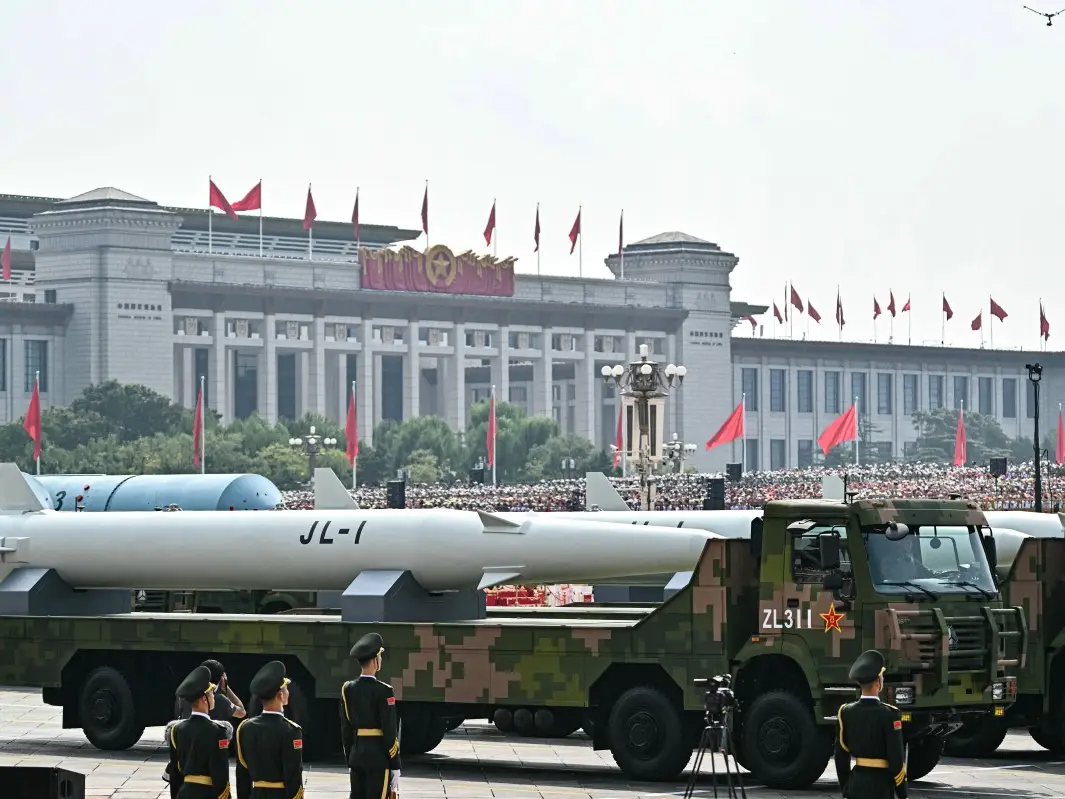
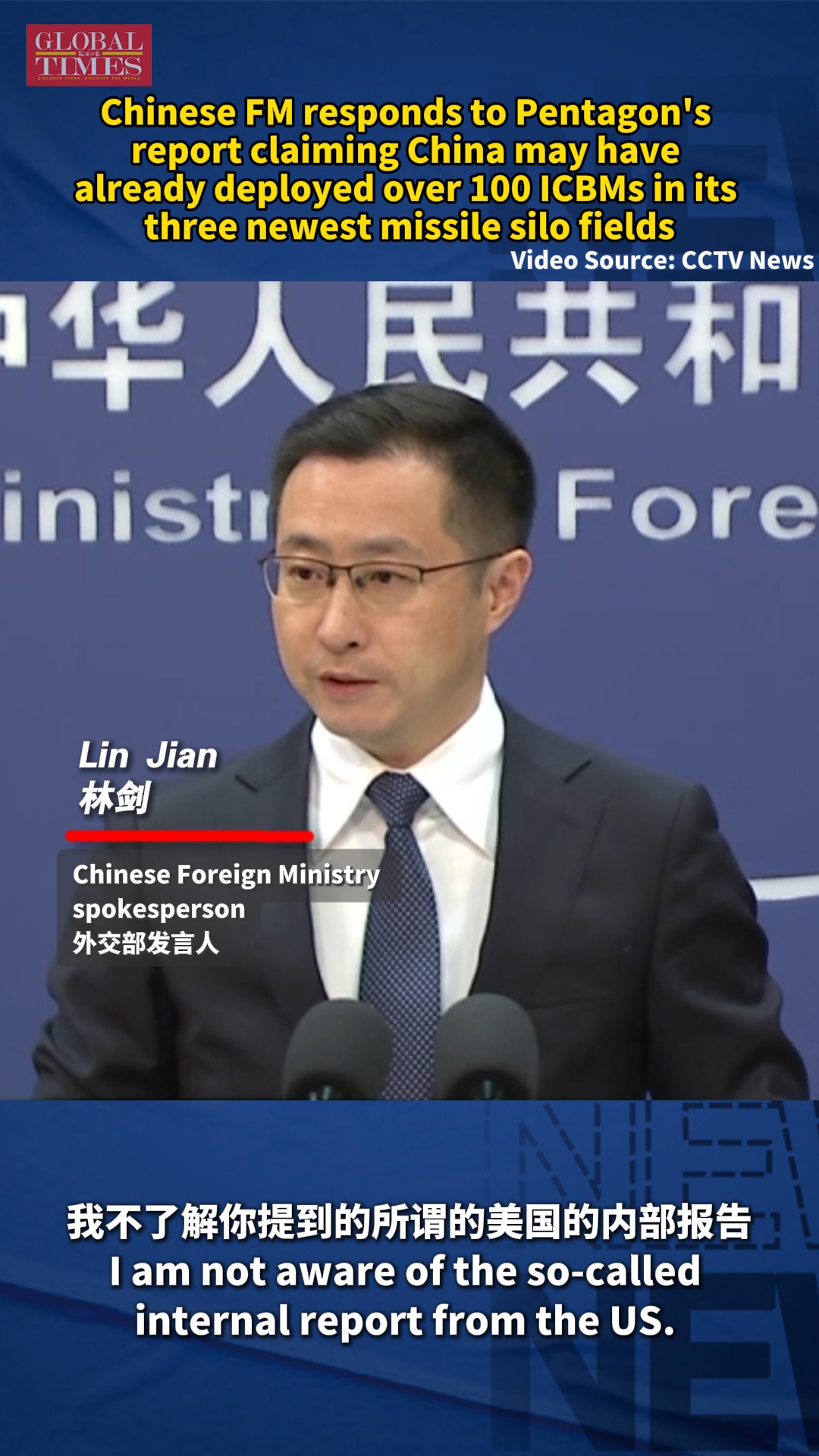
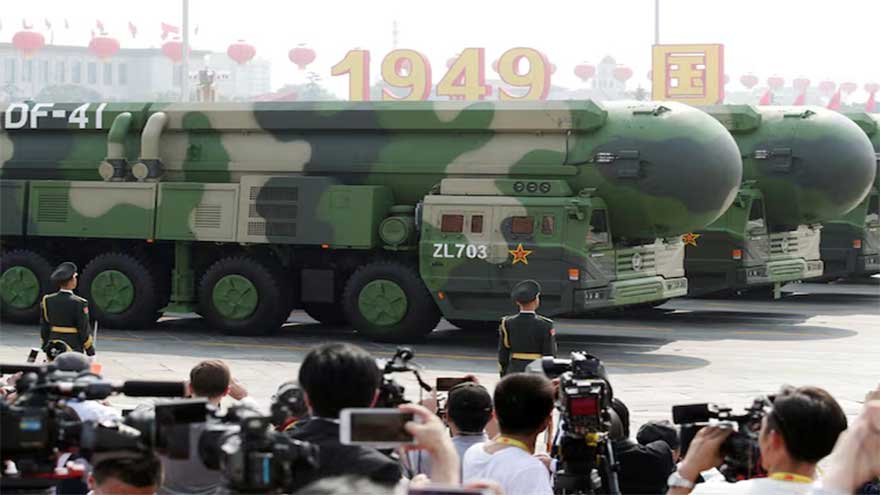
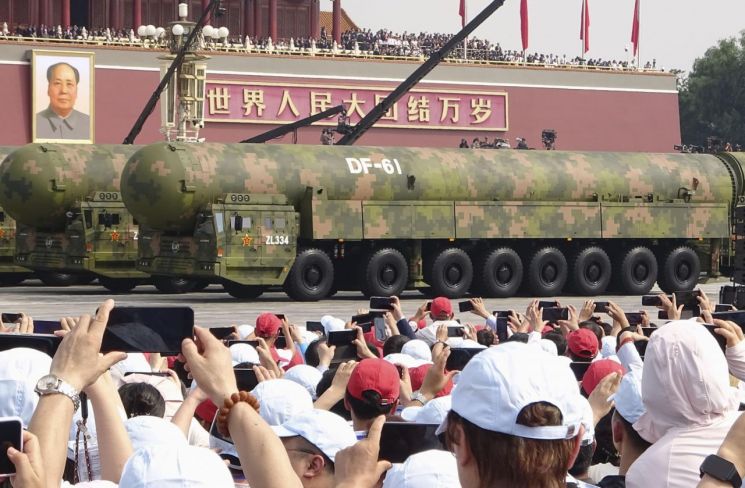
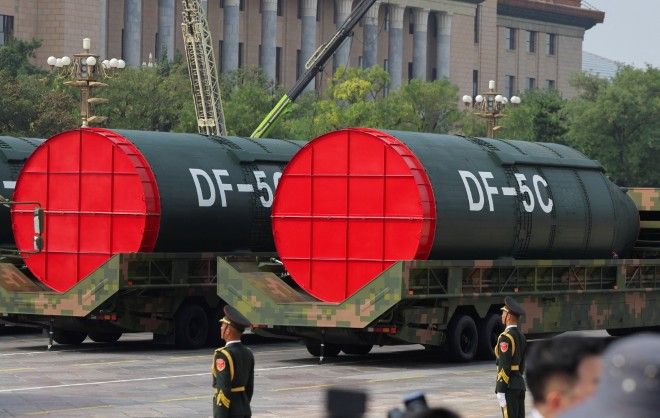
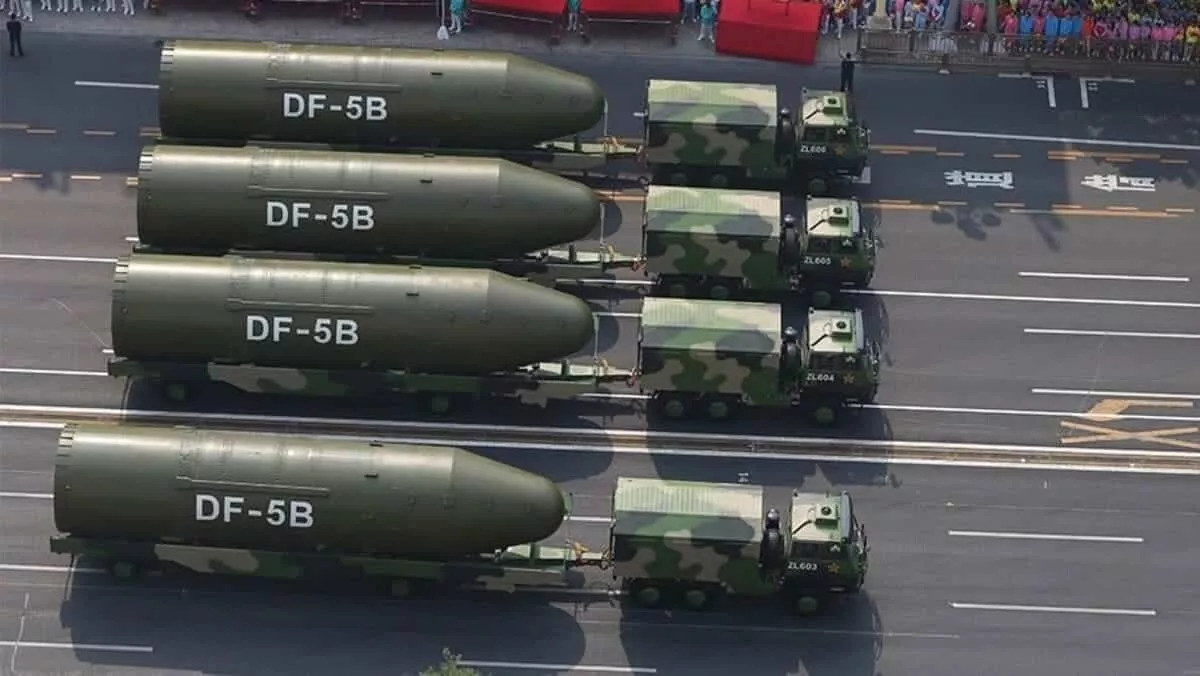
Nuclear Arsenal Acceleration stands at the heart of this transformation. China is developing nuclear capabilities at an unprecedented pace, with projections showing its warhead stockpile expanding from the current low 600s to over 1,000 by 2030. The strategic deployment of more than 100 intercontinental ballistic missiles (ICBMs) across newly constructed silo fields near Mongolia represents a significant technological and military leap.
The implications extend well beyond military strategy. Supply Chain Vulnerability emerges as a critical secondary impact. International businesses, particularly those with manufacturing or logistics dependencies in the Asia-Pacific region, face unprecedented risk exposure. The potential for rapid military escalation creates a complex risk environment where traditional sourcing and operational strategies may become obsolete overnight.
Strategic Positioning reveals a multifaceted approach. China's military modernization is not just about hardware—it's a comprehensive strategy involving internal anti-corruption purges, with 26 top managers in state-owned arms companies investigated in the past 18 months. This suggests a ruthless optimization of military-industrial capabilities, eliminating potential inefficiencies and aligning the entire defense ecosystem toward a singular objective.
The timeline is particularly noteworthy. By targeting 2027 as a potential intervention window for Taiwan, China is signaling a deliberate, calculated approach. The ability to launch strikes up to 2,000 nautical miles from its borders and potentially neutralize advanced US weapons demonstrates a sophisticated military doctrine that goes beyond traditional territorial ambitions.
For global businesses and policymakers, this represents more than a geopolitical tension—it's a fundamental restructuring of strategic risk. The convergence of military expansion, technological advancement, and geopolitical ambition creates a new paradigm of international engagement that demands proactive, adaptive strategies.
Questions 3
What distinguishes China's current military buildup from previous expansions?
Unlike previous military developments, China's current strategy involves a holistic approach—rapid nuclear arsenal expansion, internal anti-corruption purges in defense industries, and a clear technological modernization plan. The ability to potentially neutralize advanced US weapons within a 2,000 nautical mile radius represents a qualitative leap in military capabilities.
What makes 2027 a critical year in China's military strategy?
The Pentagon report indicates China is preparing to be capable of fighting and potentially defeating Taiwan by the end of 2027. This timeline suggests a deliberate strategic window where China believes it can successfully execute military intervention, backed by an expanded nuclear arsenal and advanced missile capabilities.