
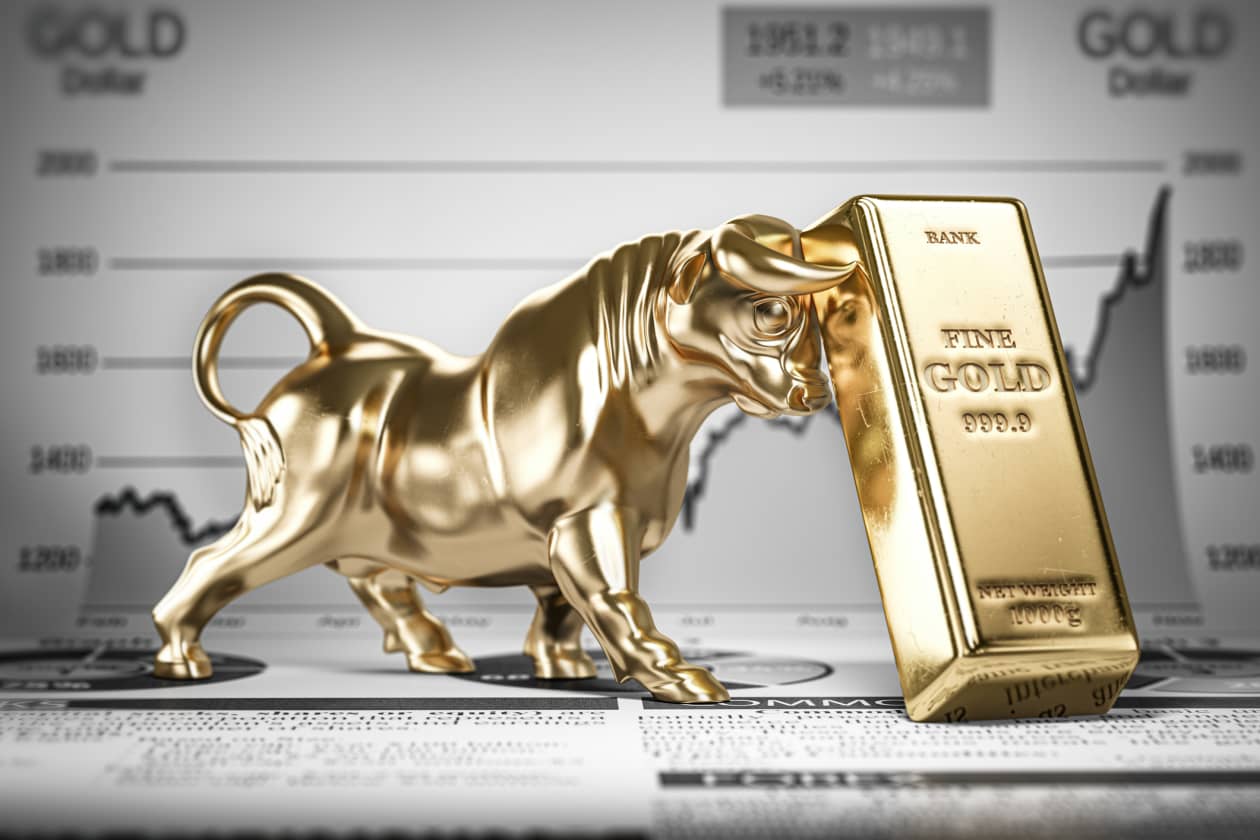





Global Gold Rush: Decoding the $4,500 Precious Metals Inflection Point
- Unprecedented Precious Metals Surge Signals Massive Geopolitical and Economic Realignment for Cross-Border Traders





Overview
The global financial landscape is experiencing a transformative moment, with precious metals emerging as a critical barometer of economic uncertainty and strategic repositioning. Gold futures have dramatically breached the $4,500 per troy ounce threshold, representing more than a price milestone—this is a profound signal of systemic economic recalibration.
The surge is driven by a complex interplay of geopolitical tensions, monetary policy expectations, and fundamental shifts in global investment strategies. Chinese commercial banks now hold approximately 12,000 tonnes of gold, over five times their central bank's official reserves, indicating a strategic pivot away from traditional dollar-denominated assets. This movement isn't just about asset allocation; it's a calculated response to emerging global economic fragmentation.
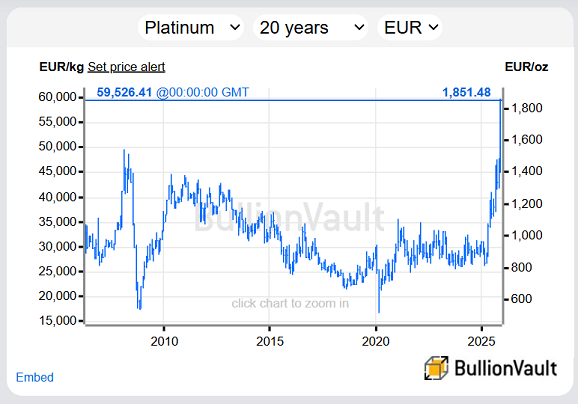
For cross-border traders and financial strategists, this precious metals surge presents a multifaceted opportunity landscape. The weakening US Dollar projections, combined with persistent geopolitical tensions in regions like the Middle East and Ukraine, are compelling investors to seek alternative stores of value. Silver's remarkable 142% year-to-date appreciation and platinum's record highs across multiple currencies further underscore this global recalibration.
The investment implications are profound. Traditional hedging strategies are being reimagined as investors transition from conventional asset classes to more resilient, geographically diversified portfolios. Chinese households, for instance, are rapidly moving from traditional jewelry to more liquid gold investment vehicles like digital accounts and small bars—a trend that signals deeper structural changes in global wealth management.
Critically, this isn't just a speculative bubble but a strategic realignment. The 70% climb in gold values reflects deep-seated investor sentiment about global economic uncertainties. Cross-border sellers must view this not as a temporary fluctuation but as a fundamental shift requiring adaptive financial strategies, including dynamic currency risk management and diversified revenue stream development.
Questions 3
How are cross-border sellers impacted by these precious metals trends?
Cross-border sellers must adapt to potential currency volatility, with the weakening US Dollar and gold's price surge signaling significant economic shifts. This requires dynamic pricing strategies, diversified revenue streams, and proactive currency risk management.
What strategic moves are global investors making in response to current market conditions?
Investors are rapidly diversifying portfolios, with Chinese commercial banks and households shifting towards more liquid gold investment vehicles. The trend indicates a strategic move away from traditional dollar-denominated assets towards more resilient, geographically diversified investments.