





China Military Purge 2024 | Cross-Border Sellers Face Supply Chain & Geopolitical Risk
- Xi consolidates control over 20+ military officials since 2023; Taiwan tensions escalate; manufacturing disruptions and export compliance risks emerge for sellers sourcing from China





















Overview
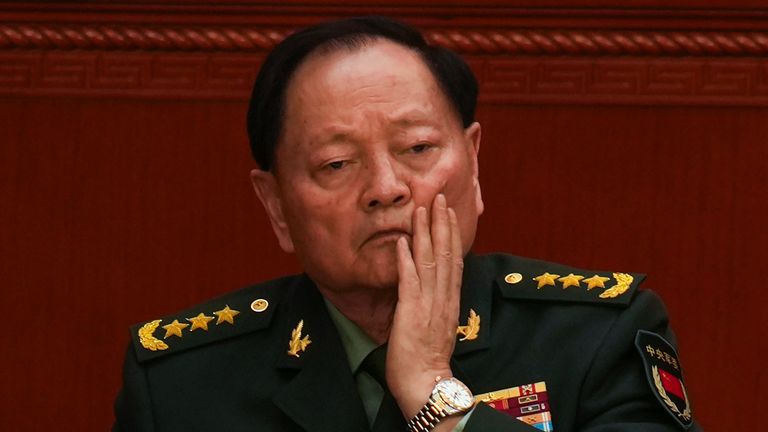
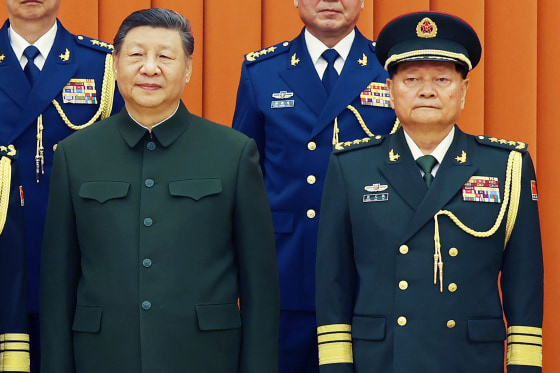
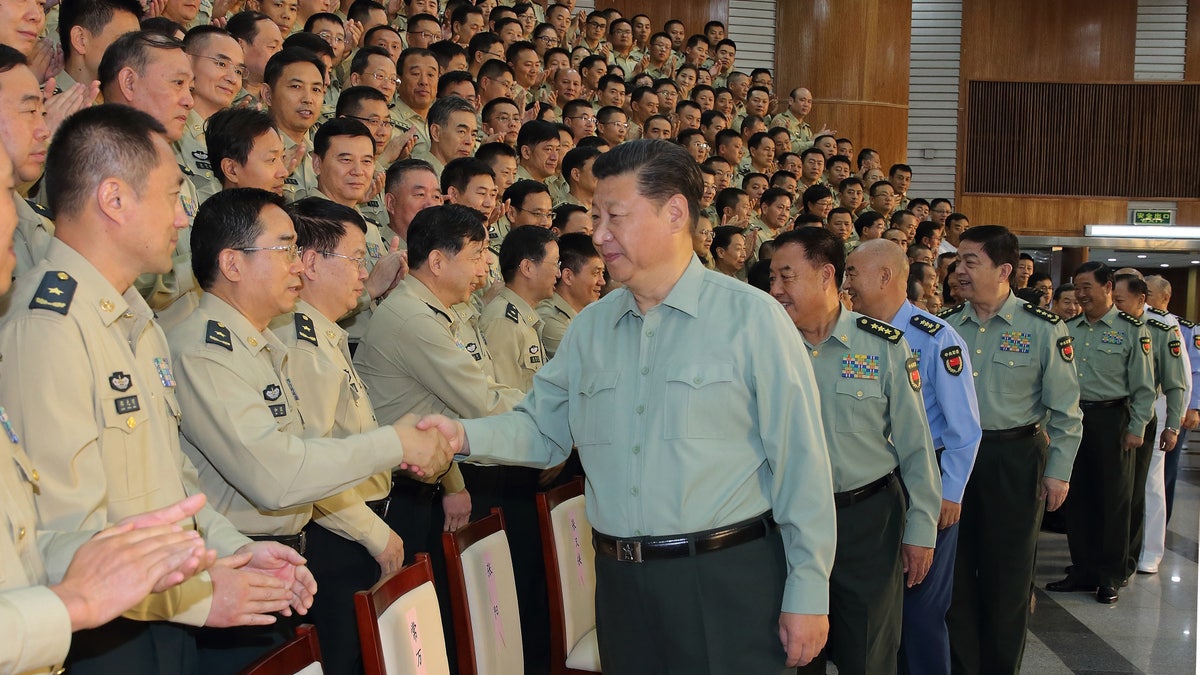
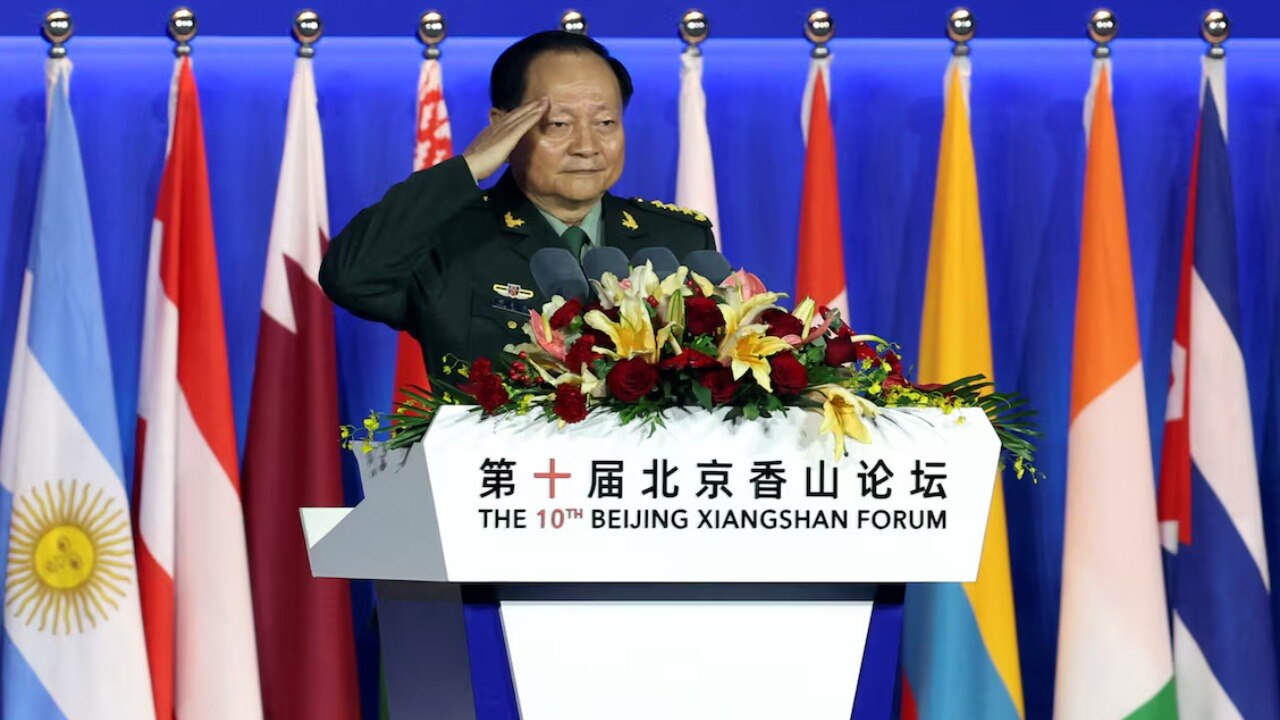
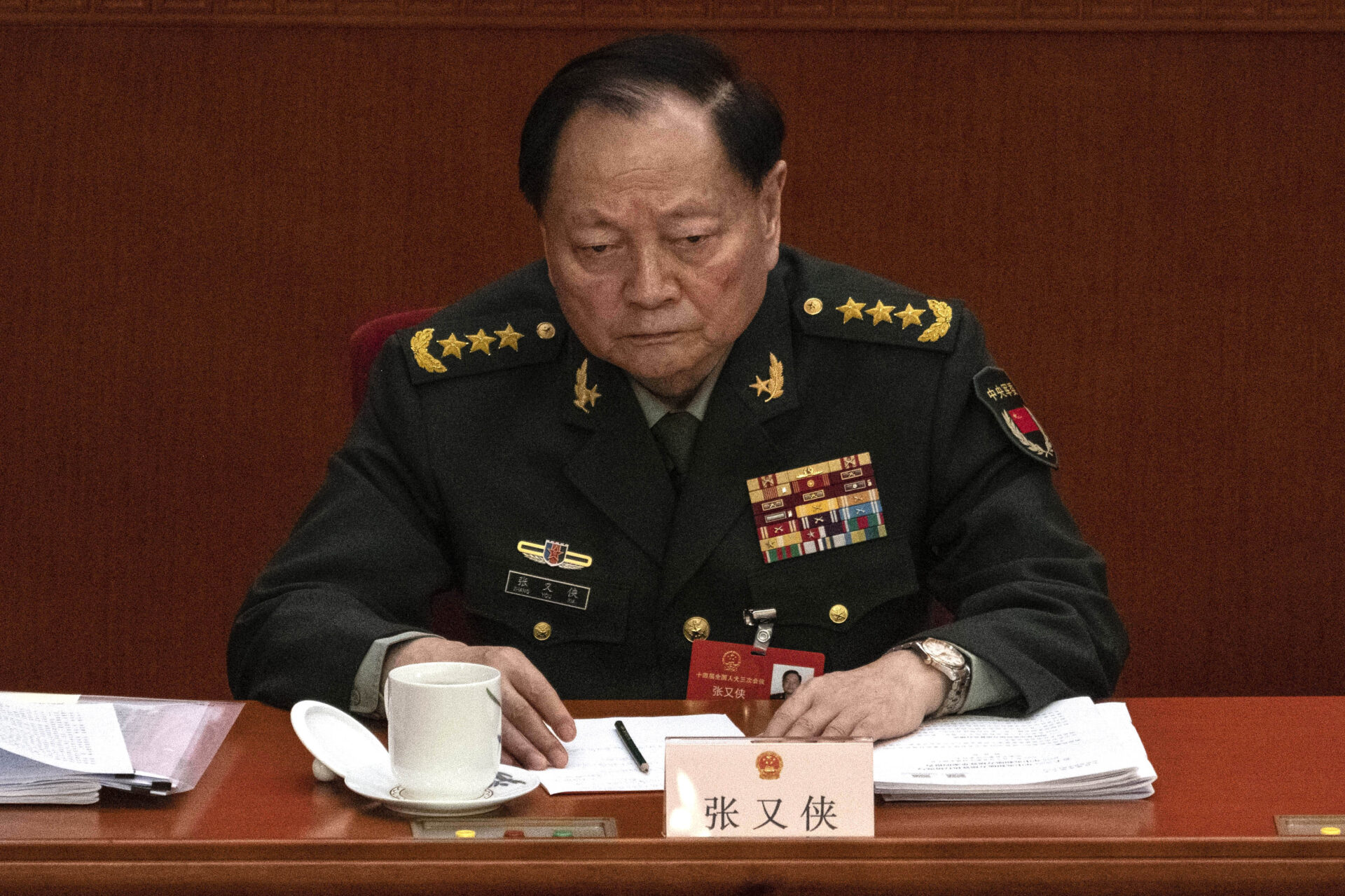
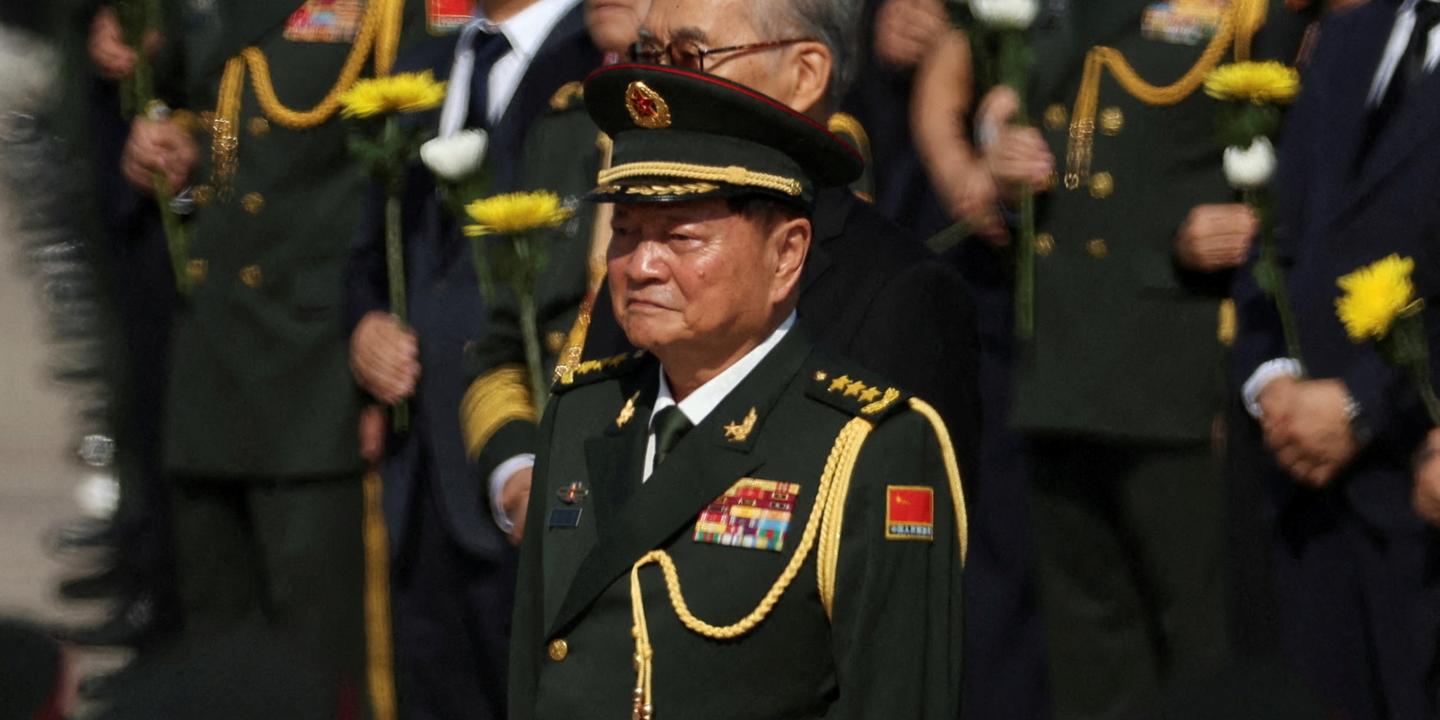
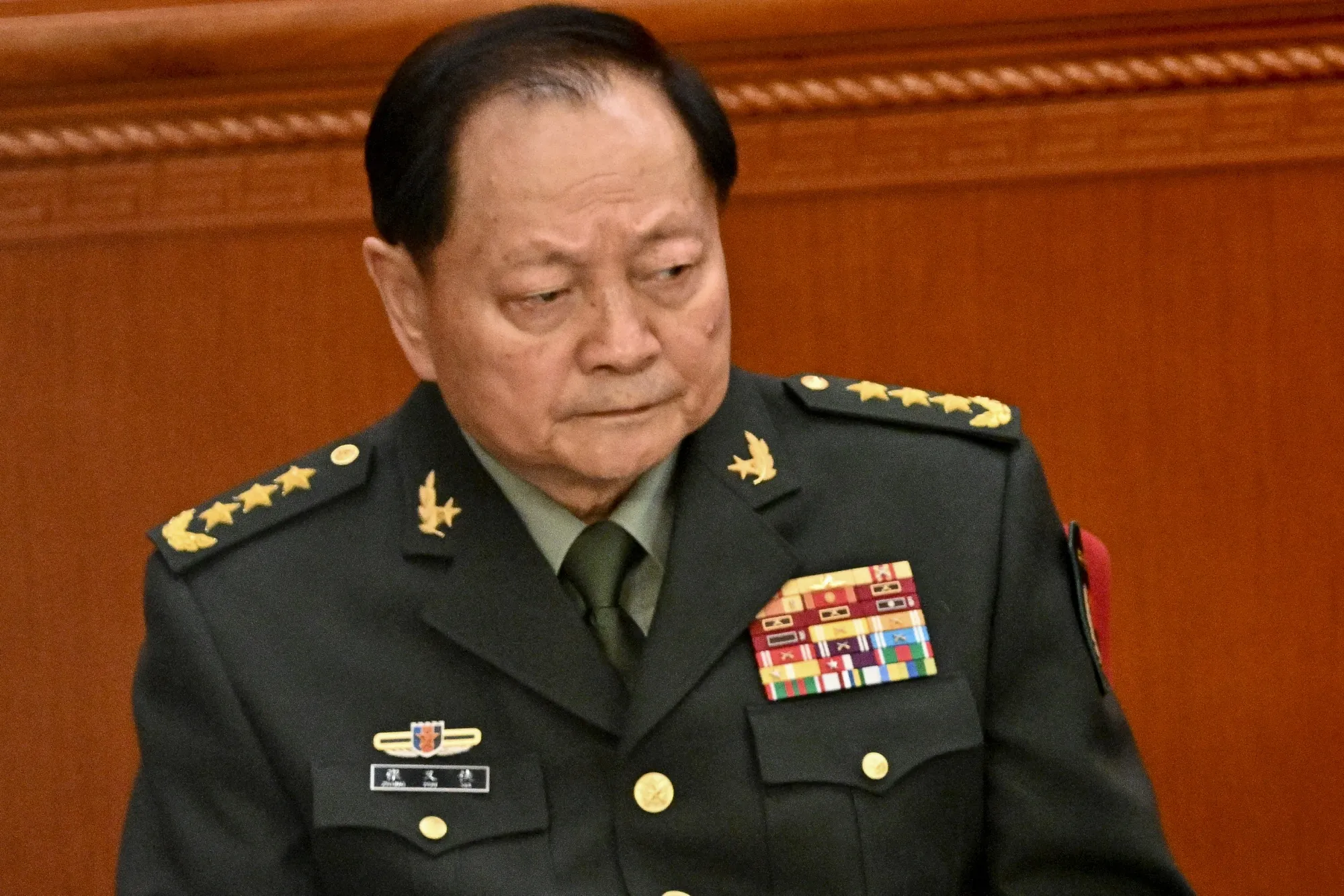
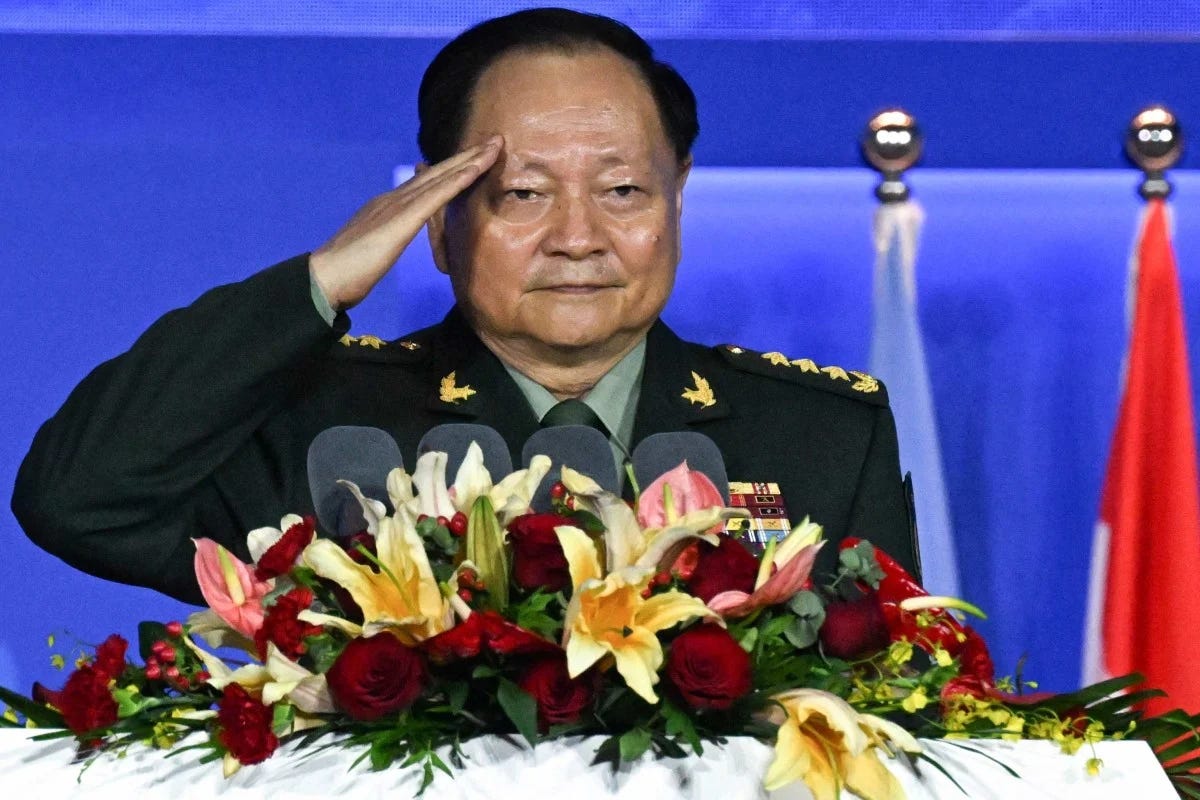
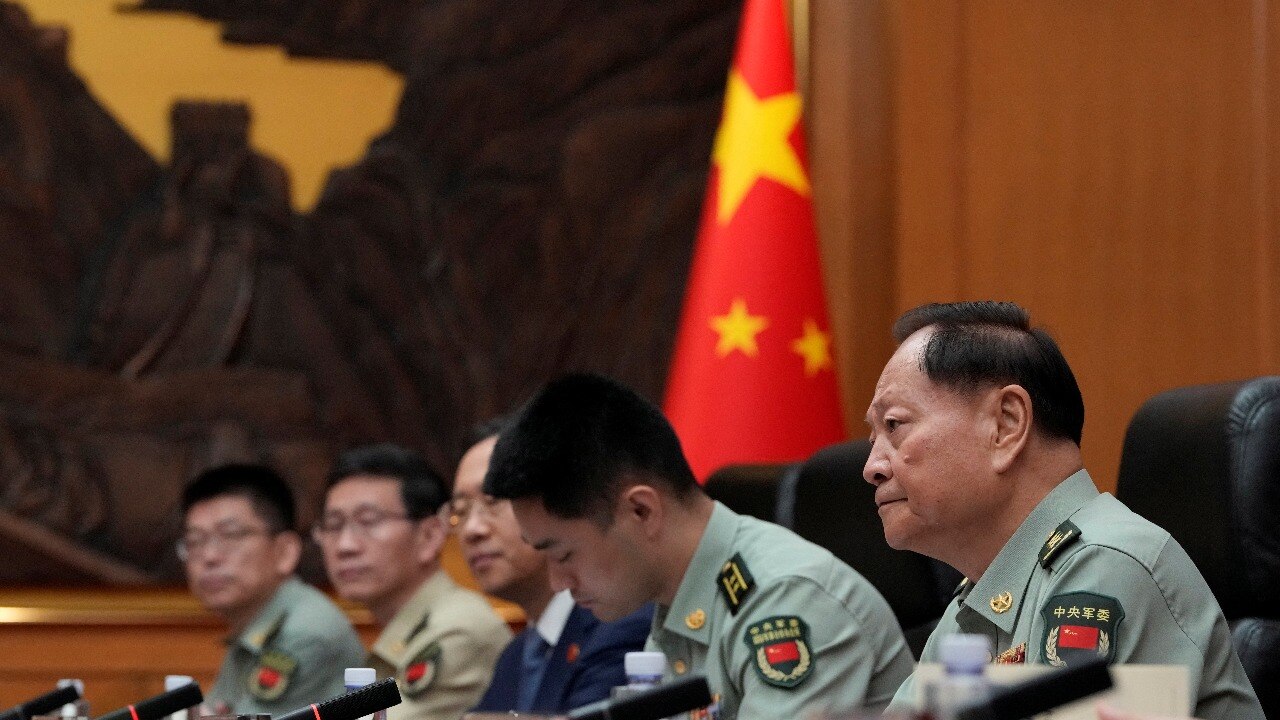
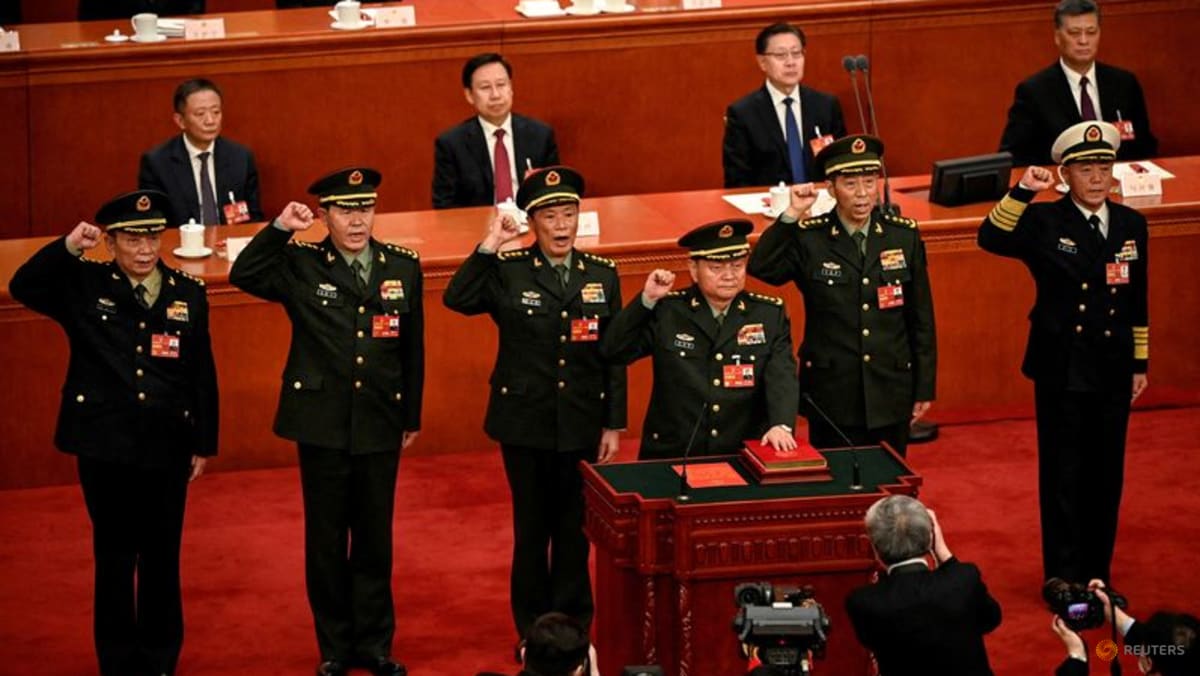
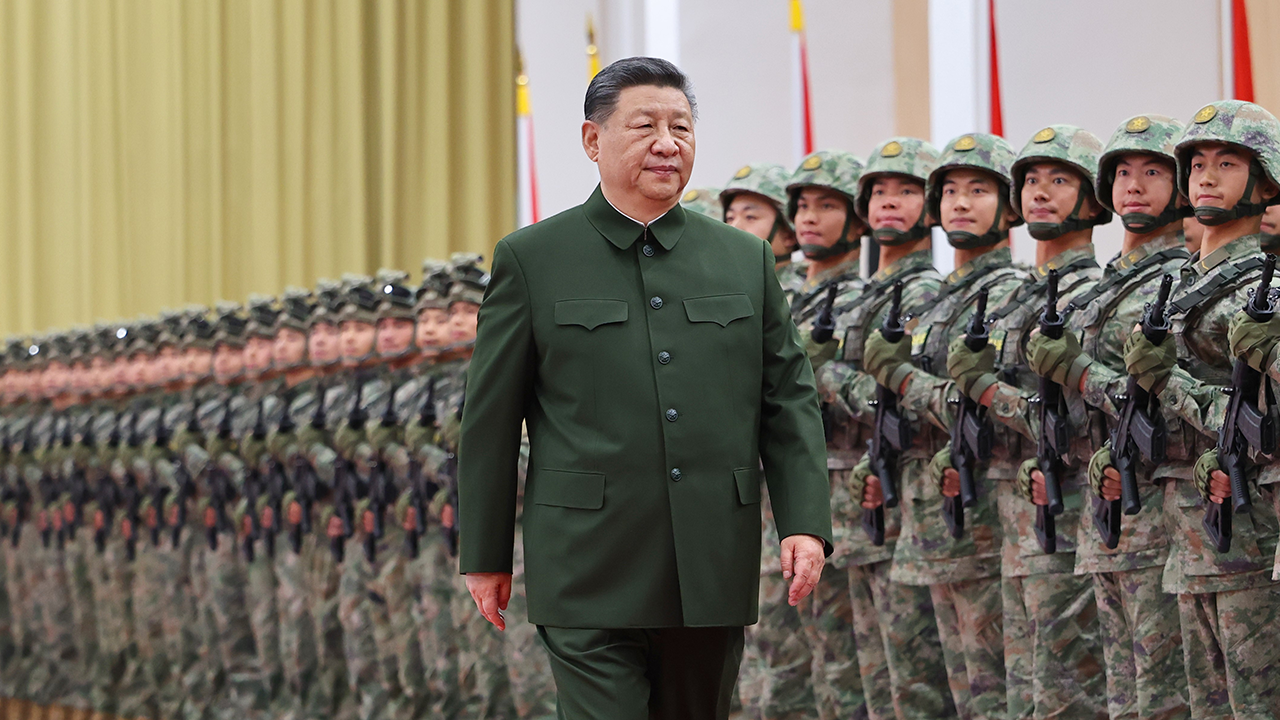
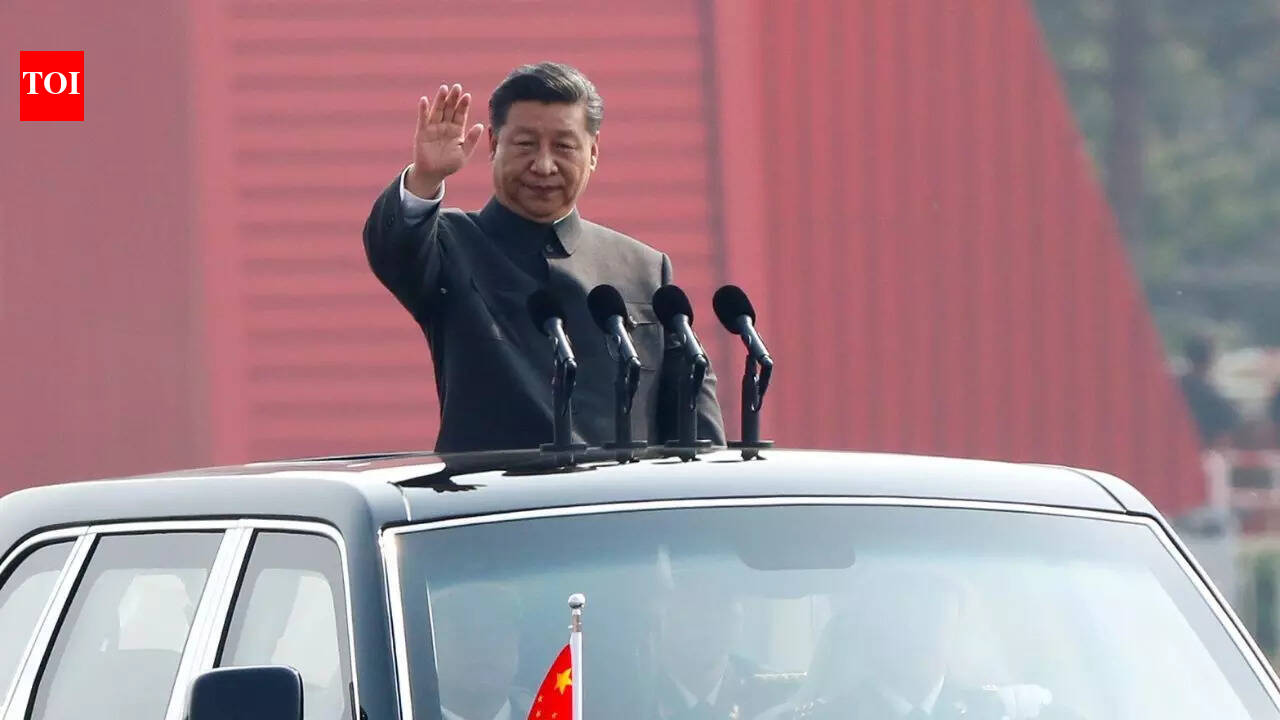
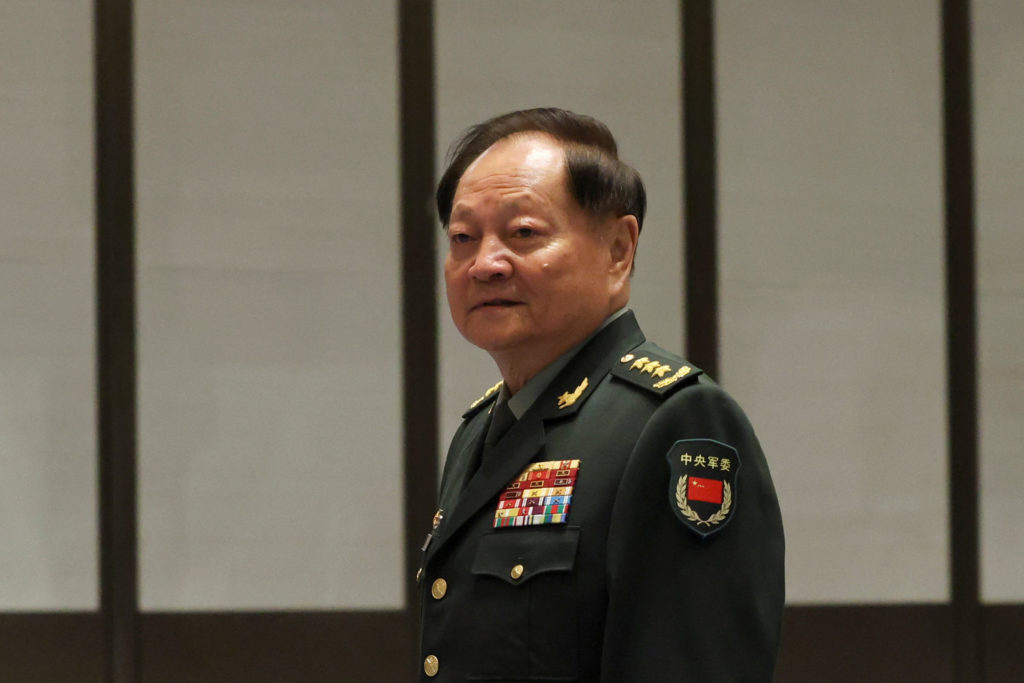
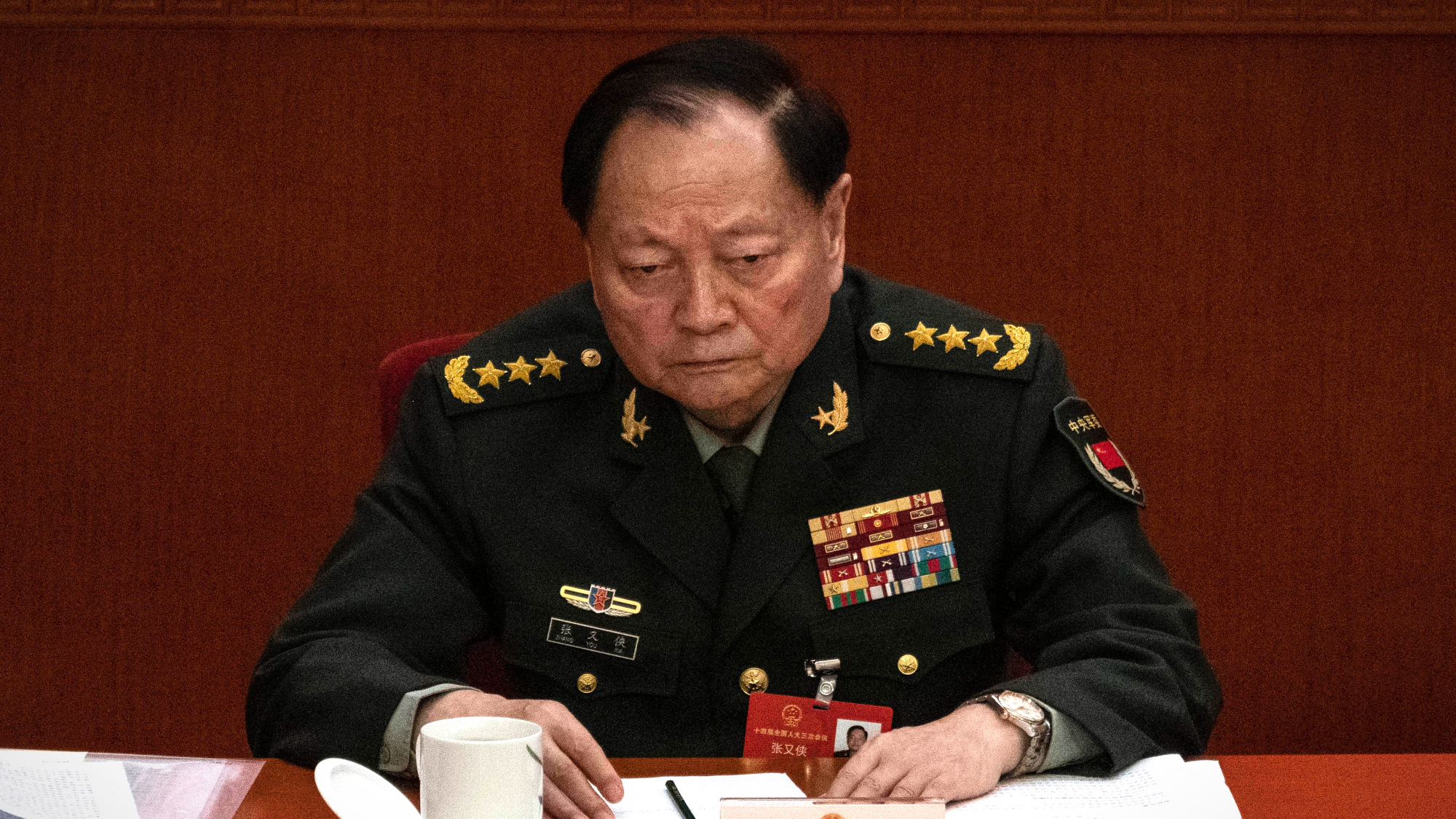
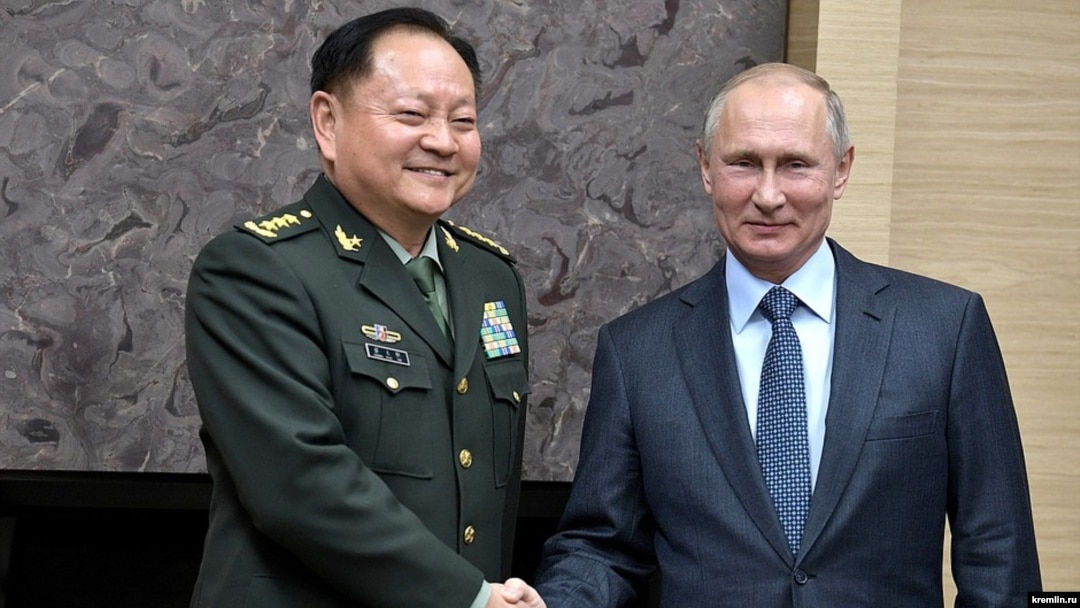
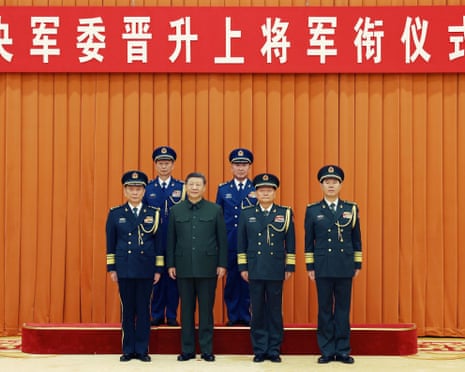
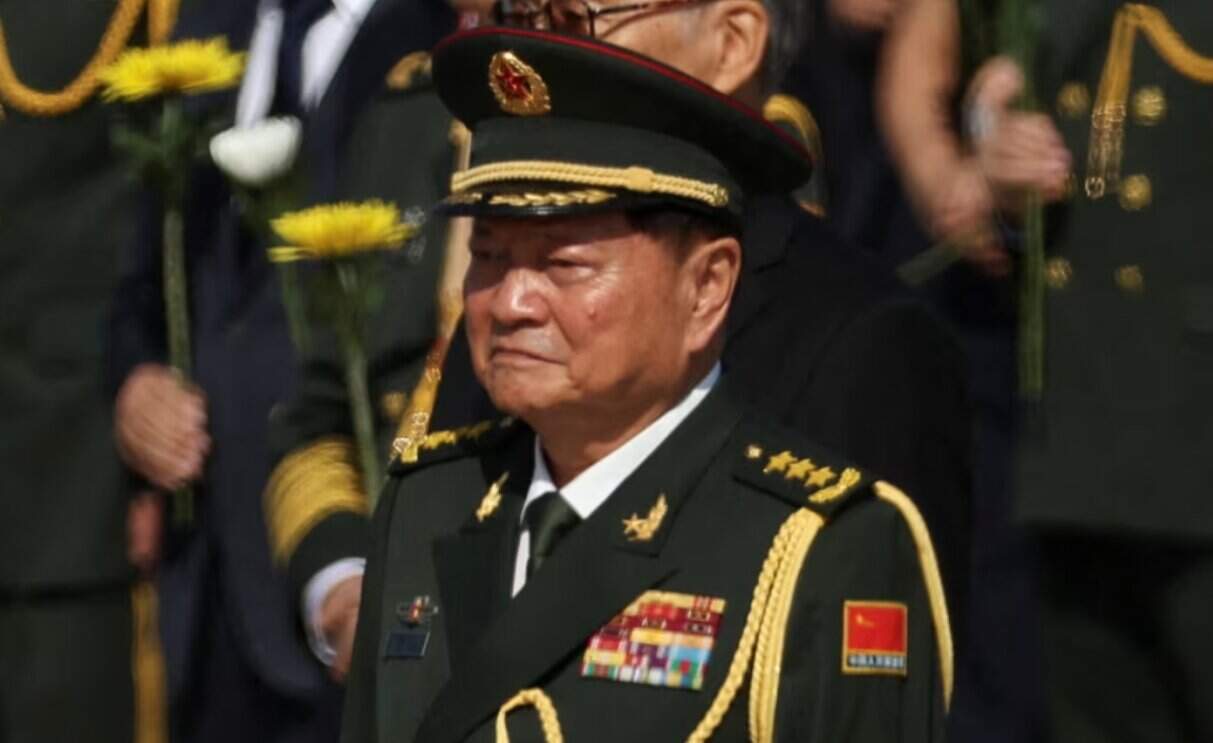
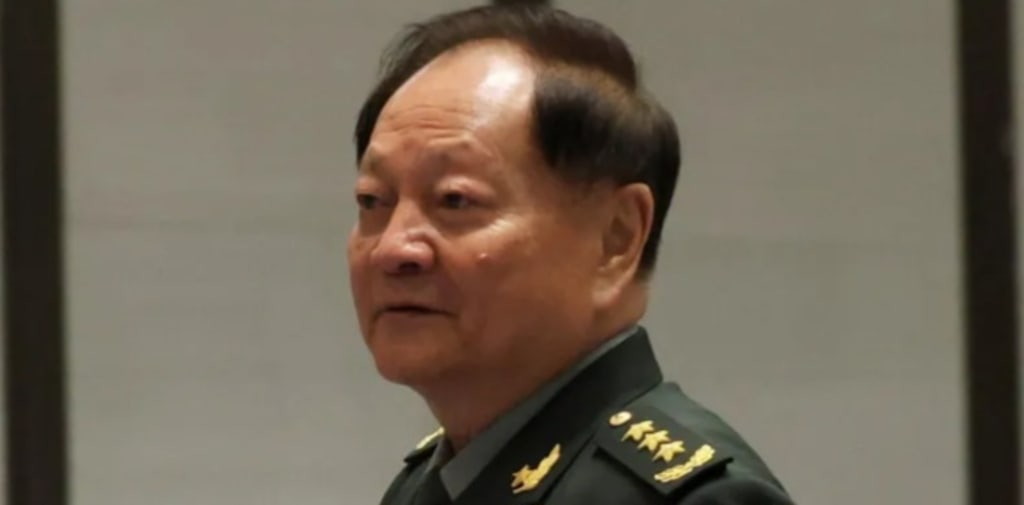
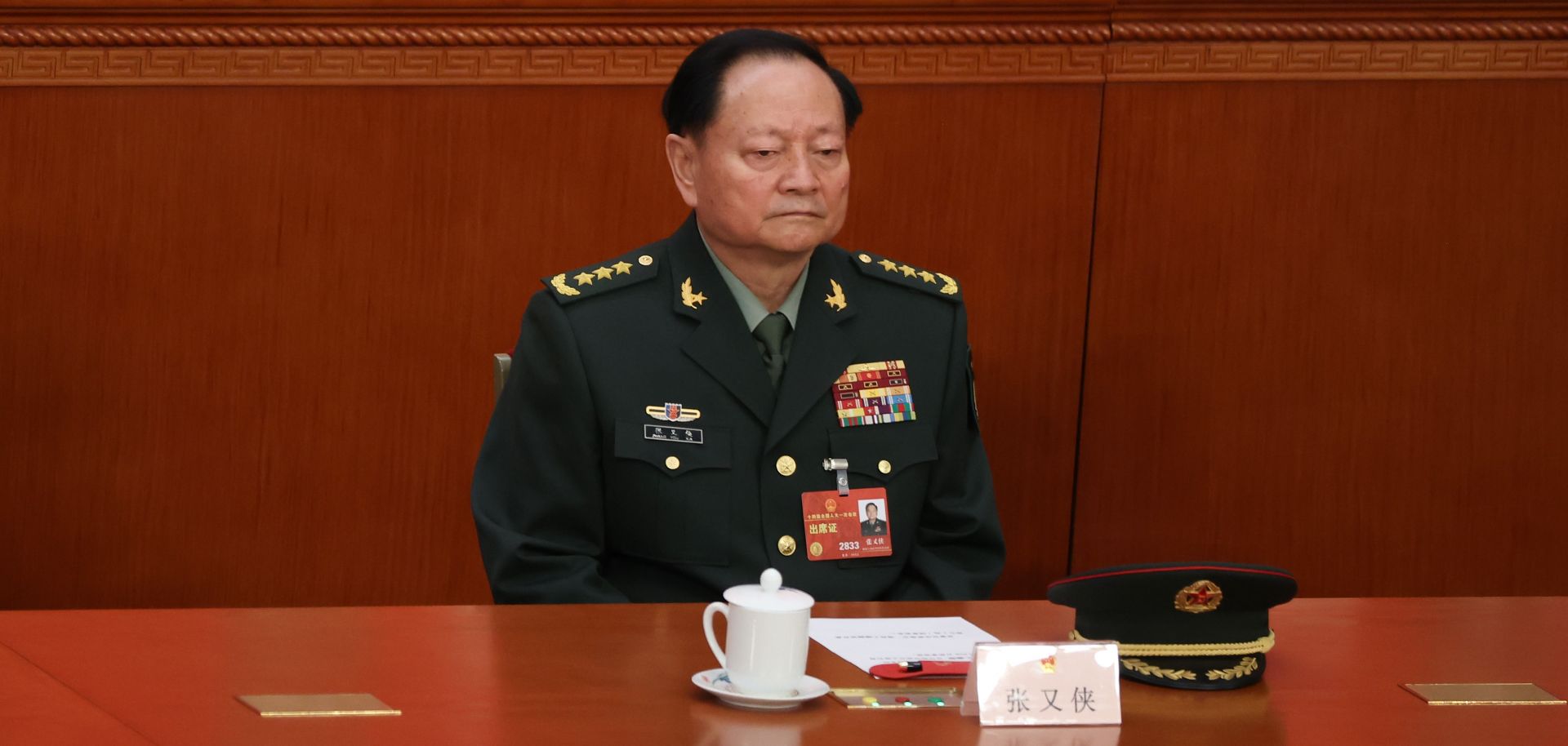
Xi Jinping's unprecedented military purge targeting Generals Zhang Youxia and Liu Zhenli—announced in late 2024—represents a critical geopolitical inflection point with direct implications for cross-border e-commerce sellers sourcing from China. The investigation of 20+ senior military officials since 2023 signals internal instability within the People's Liberation Army (PLA), reducing the Central Military Commission from seven to two loyal members. While framed as anti-corruption, analysts view this as Xi's consolidation of absolute power ahead of a potential fourth term, mirroring historical autocratic patterns that precede policy volatility.
For sellers, the immediate risk centers on supply chain predictability and regulatory uncertainty. China's military-industrial complex controls critical manufacturing sectors including electronics, semiconductors, rare earth materials, and advanced components—industries that supply 35-40% of global e-commerce inventory. When military leadership undergoes rapid restructuring, procurement priorities shift, production schedules become unpredictable, and export licensing processes face delays. Sellers relying on Chinese suppliers for electronics, consumer drones, smart home devices, and industrial components should expect 2-4 week lead time extensions through Q1 2025 as new military leadership vets supply chain relationships.
The Taiwan dimension amplifies geopolitical risk. News reports indicate Xi's purge removes potential military rivals who might challenge aggressive Taiwan policies, leaving him with "only one of six previous uniformed Central Military Commission members." This consolidation of military control—combined with Xi's stated ambitions regarding Taiwan—increases the probability of military action or economic sanctions against Taiwan-dependent supply chains. Sellers sourcing semiconductors, display panels, or precision components from Taiwan face potential tariff escalation or export restrictions if cross-strait tensions escalate. Additionally, U.S.-China relations may deteriorate further, triggering expanded export controls on dual-use technologies (electronics, software, telecommunications equipment) that affect 15-20% of cross-border e-commerce product categories.
Strategic implications for seller operations: (1) Inventory diversification: Reduce single-source dependency on Chinese suppliers by identifying alternative sourcing in Vietnam, Thailand, or India for non-specialized components; (2) Compliance monitoring: Track changes in U.S. export control lists (EAR, ITAR) and EU sanctions frameworks, as military restructuring often precedes policy tightening; (3) Lead time buffers: Increase safety stock for China-sourced products by 20-30% through Q2 2025 to absorb potential supply disruptions; (4) Tariff hedging: Monitor tariff rate changes on electronics and machinery categories, which historically spike 5-15% during geopolitical escalations; (5) Logistics routing: Evaluate alternative shipping routes (air freight via Southeast Asia vs. direct China ports) to mitigate port congestion or sanctions-related delays.
Questions 7
Which product categories face the highest supply chain risk?
Electronics, semiconductors, rare earth materials, consumer drones, smart home devices, and industrial components sourced from China face the highest risk due to military-industrial complex involvement. These categories represent 35-40% of global e-commerce inventory. Additionally, Taiwan-dependent products (semiconductors, display panels, precision components) face escalated risk if cross-strait tensions increase. Sellers in these categories should prioritize supplier diversification and increase lead time buffers immediately.
What Taiwan-related risks should cross-border sellers monitor?
Xi's removal of military rivals leaves him with only one of six previous uniformed Central Military Commission members, increasing the probability of aggressive Taiwan policies. Sellers sourcing semiconductors, display panels, or precision components from Taiwan face potential tariff escalation or export restrictions if cross-strait tensions escalate. U.S.-China relations may deteriorate further, triggering expanded export controls on dual-use technologies. Monitor Taiwan-dependent supply chains closely and evaluate alternative sourcing in South Korea, Japan, or Southeast Asia to reduce geopolitical exposure.