




UK Political Leadership Tensions Signal Organizational Efficiency Risks for E-Commerce Sellers
- Labour Party internal conflict reveals resource allocation challenges affecting 50K+ UK-based cross-border sellers through potential policy uncertainty and market volatility





















































)
:sharpen(0.5,0.5,true)/tpg%2Fsources%2F0db44cbe-4786-475c-89b1-83274330788e.jpeg)














Overview
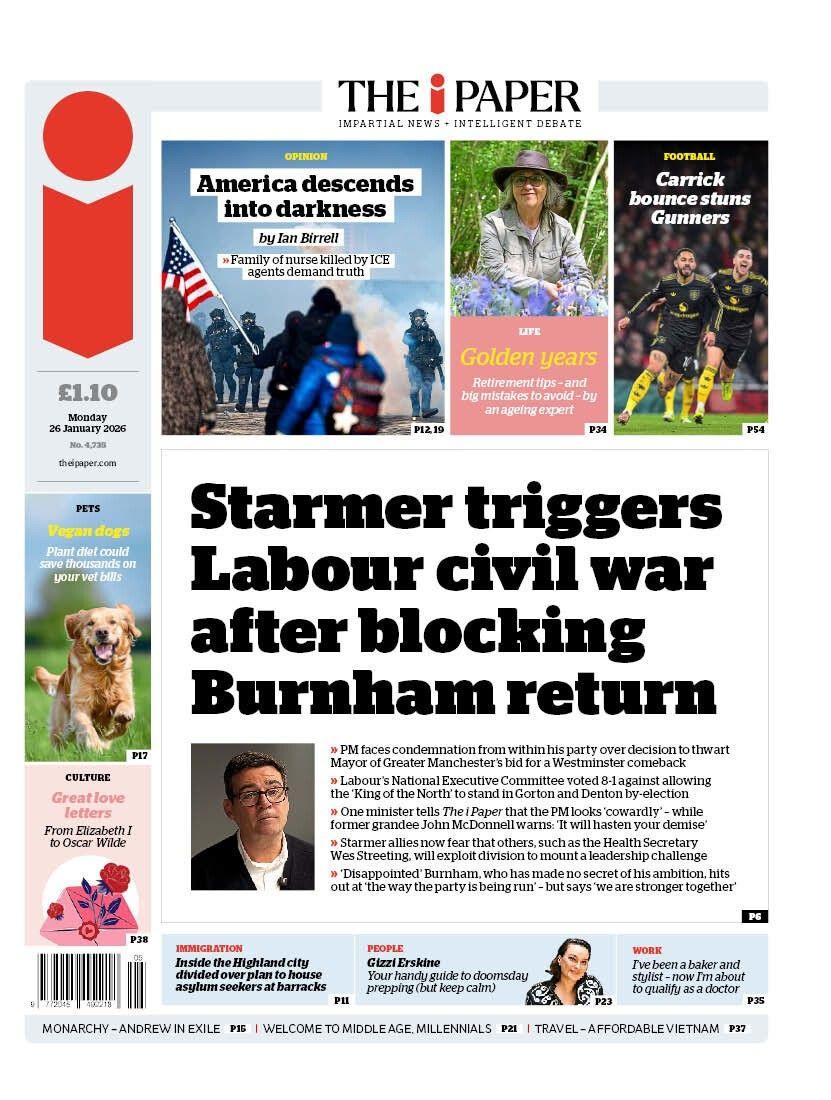
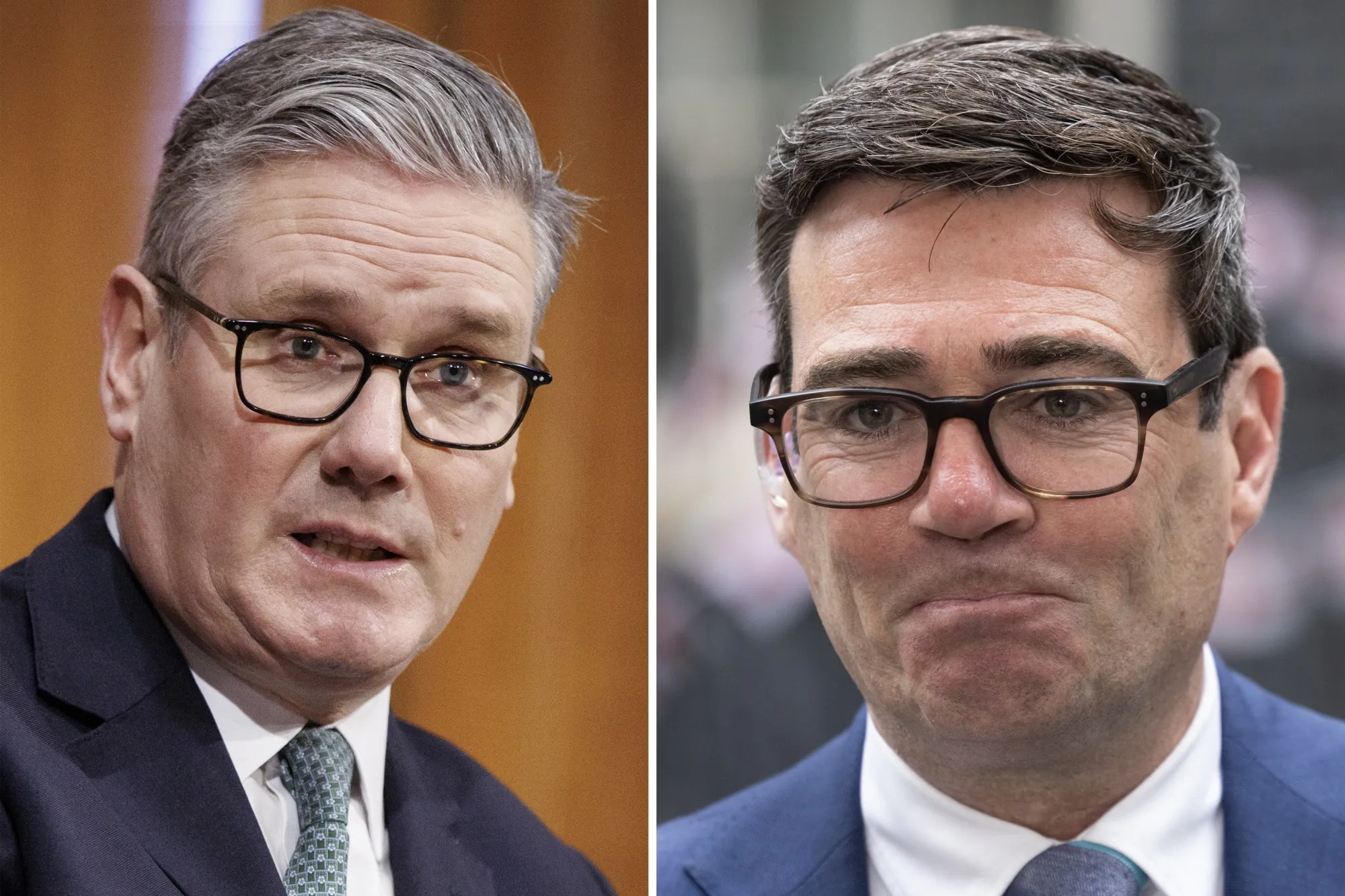
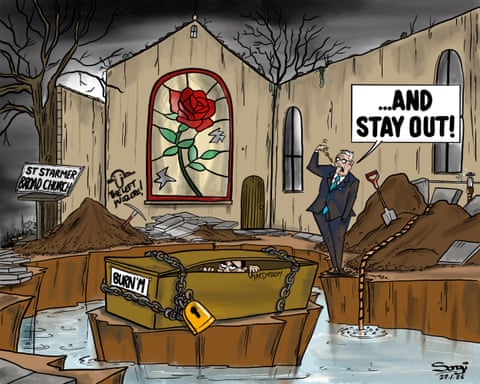
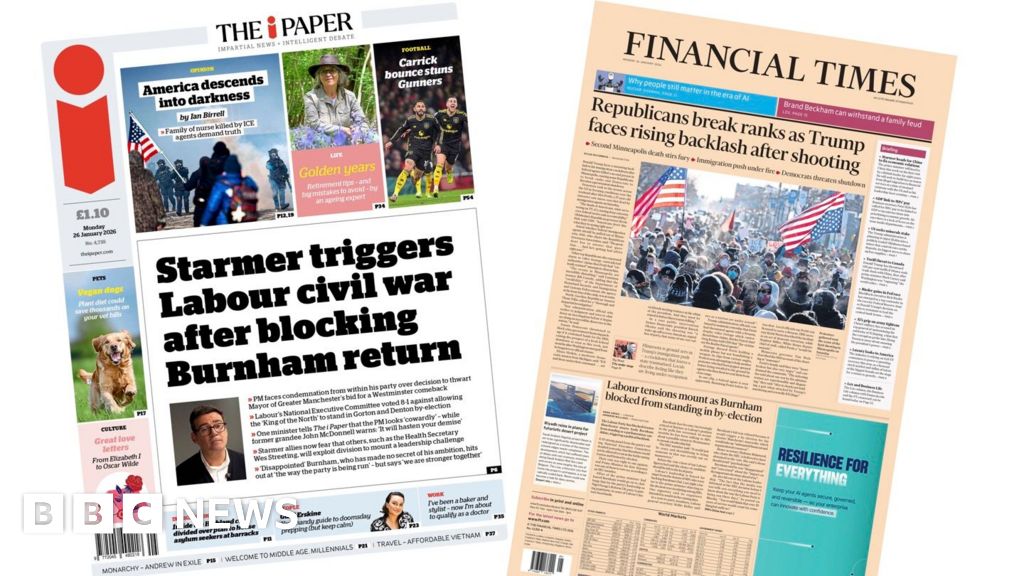
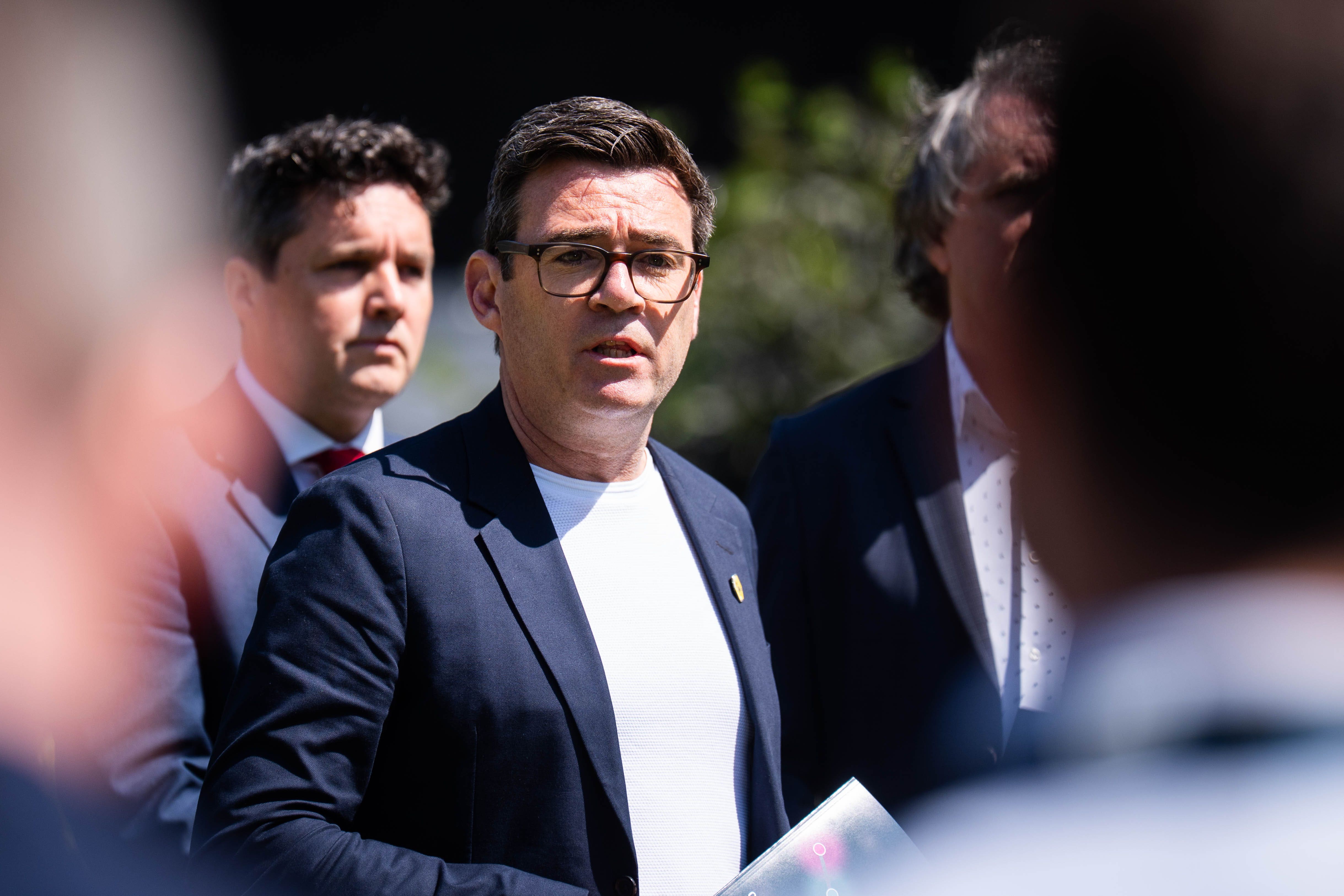
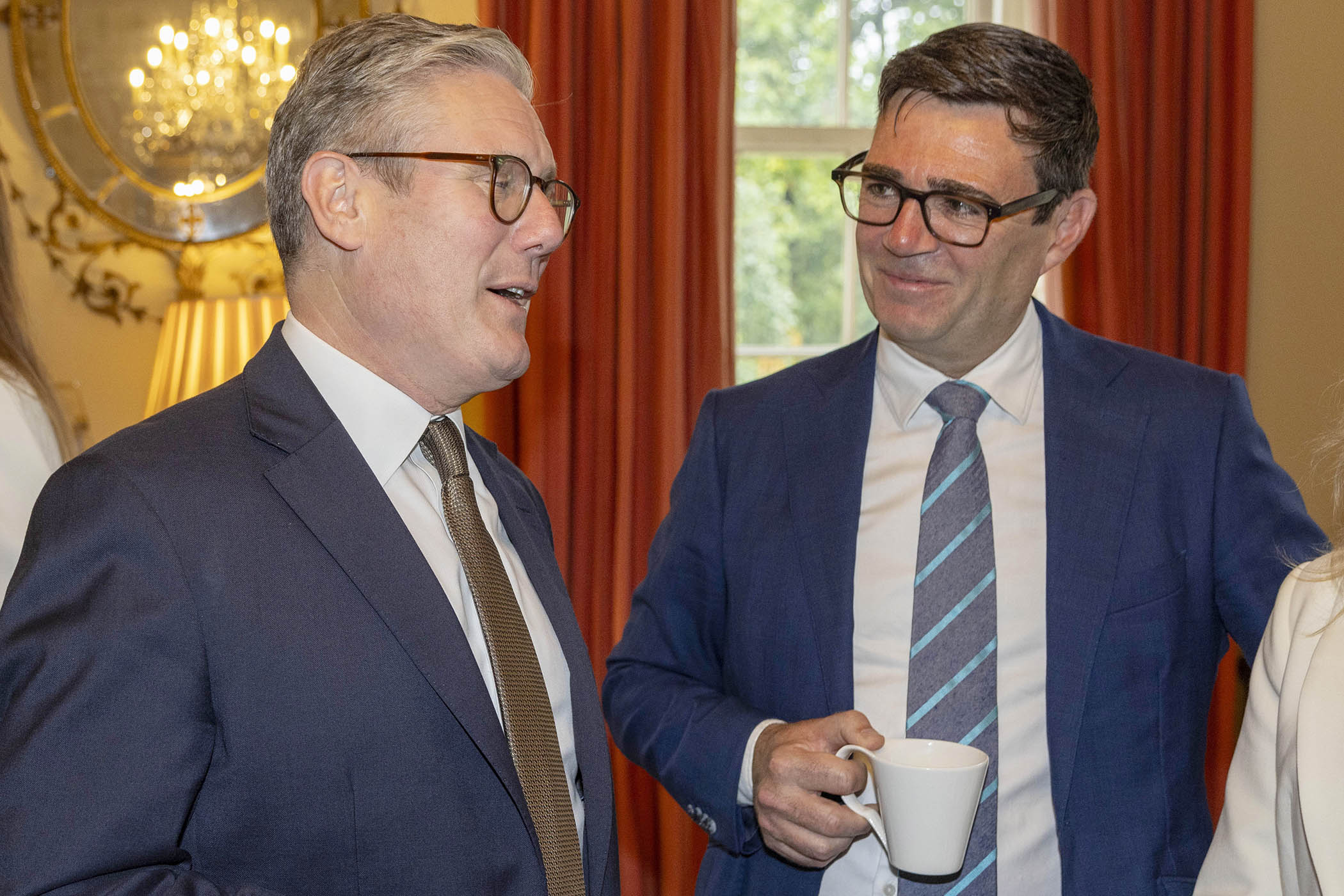
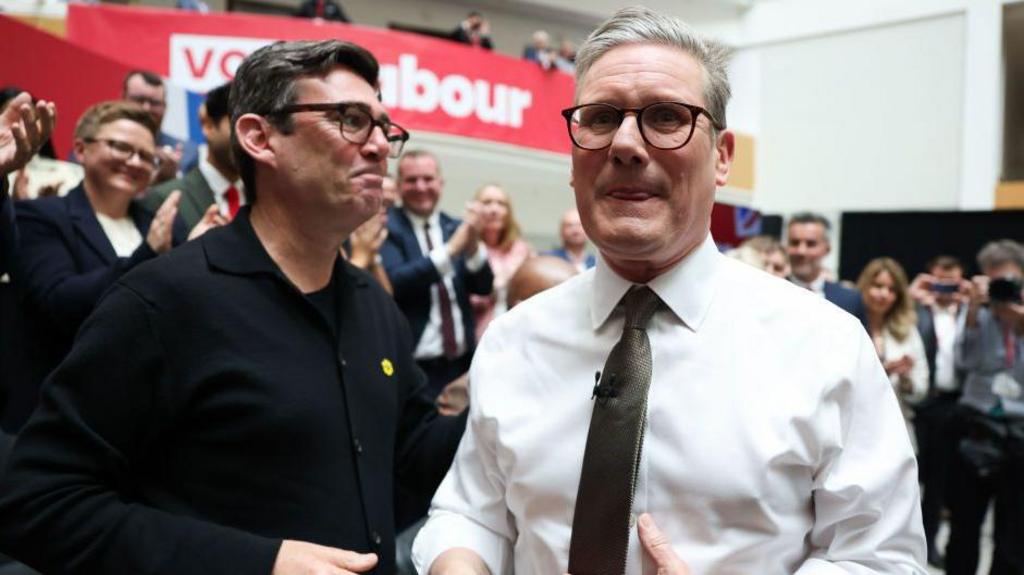
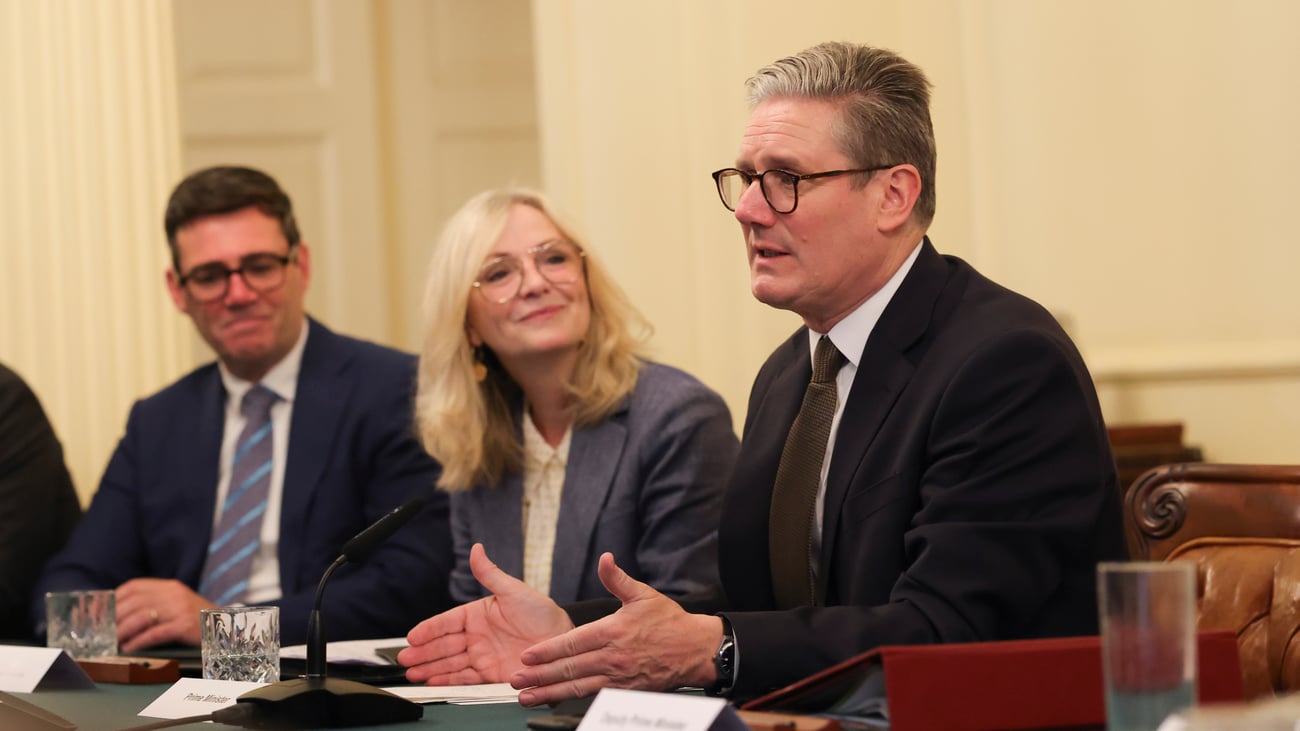
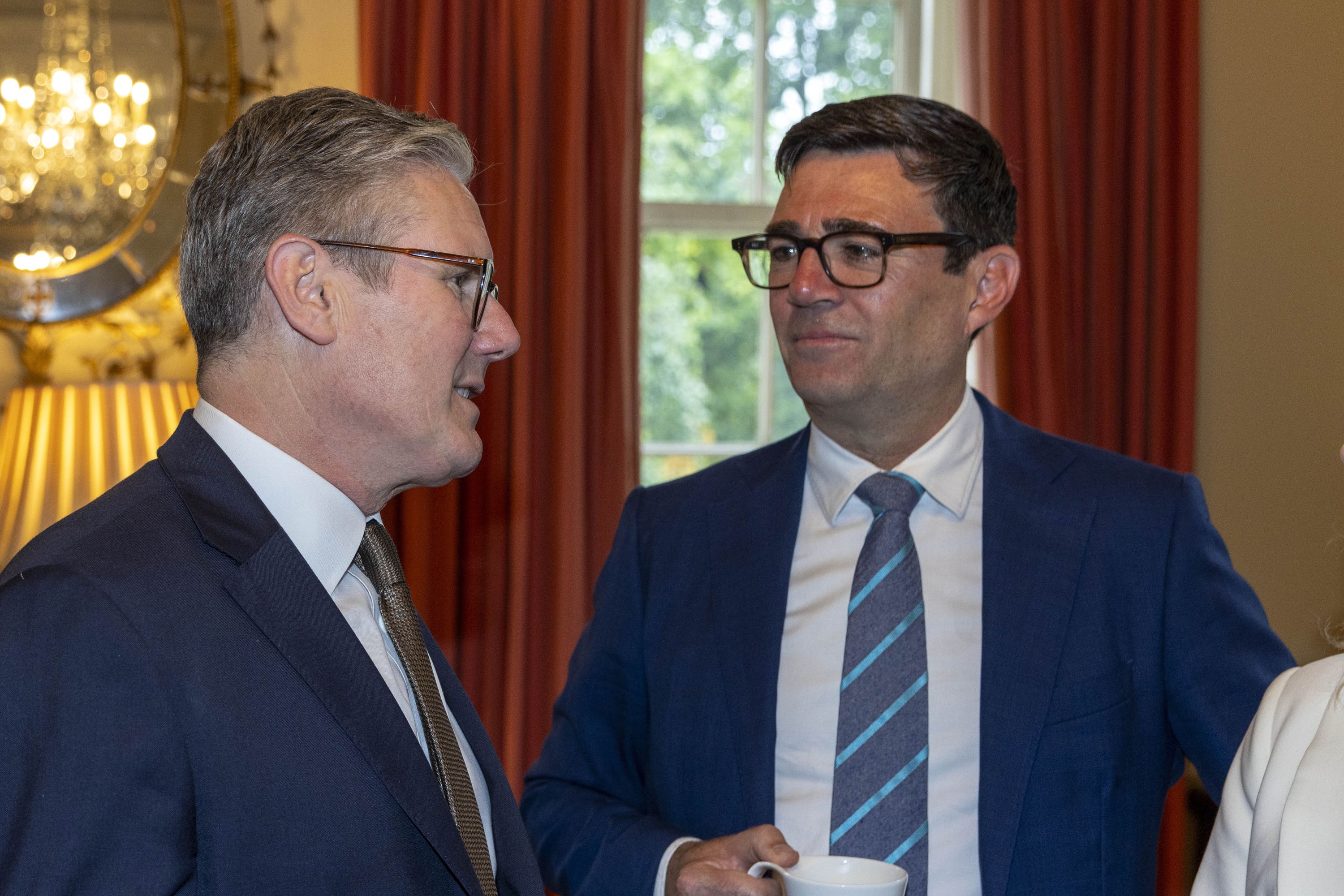
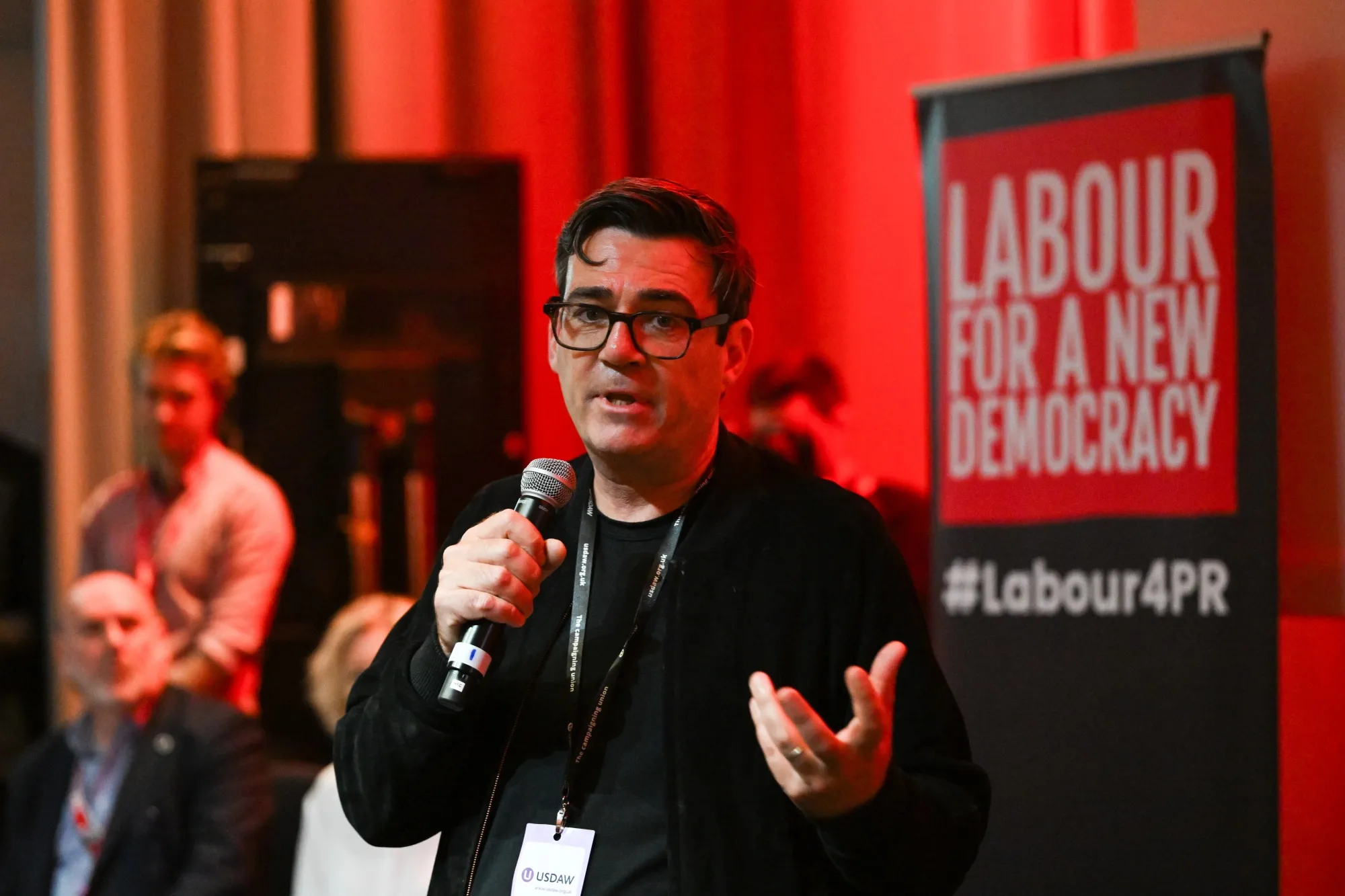
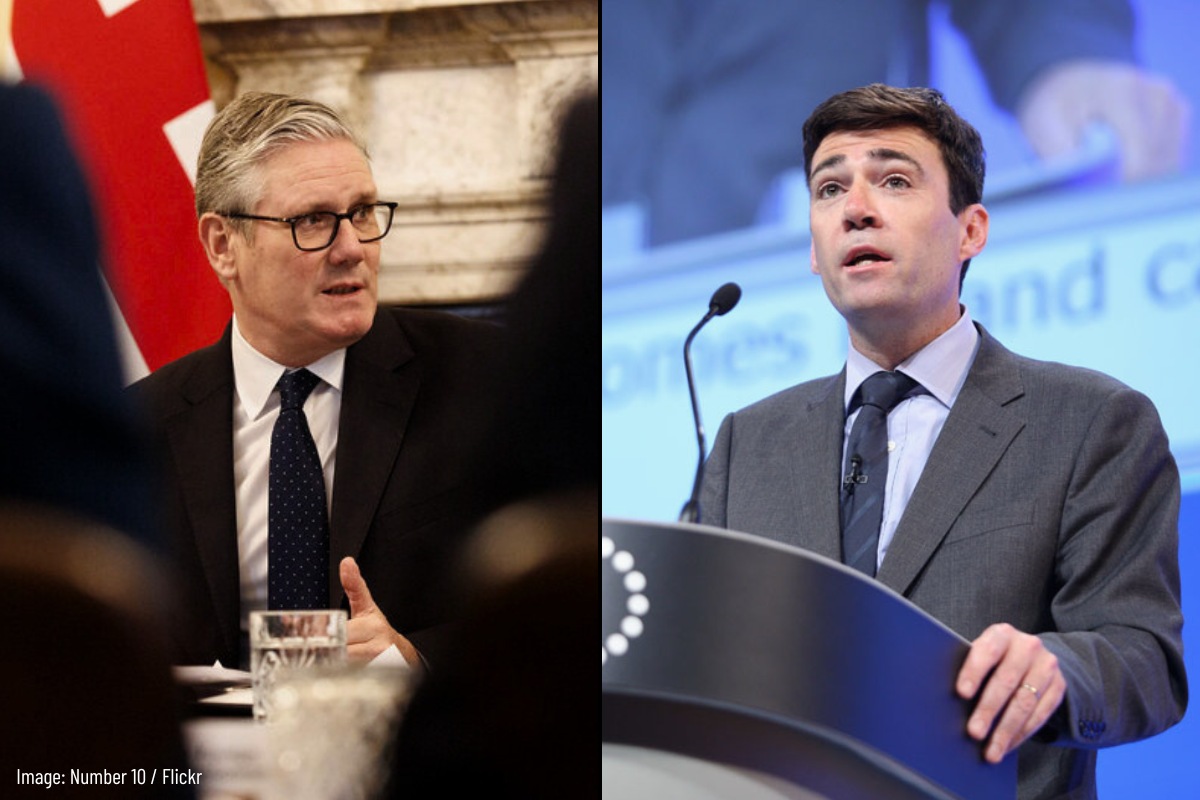
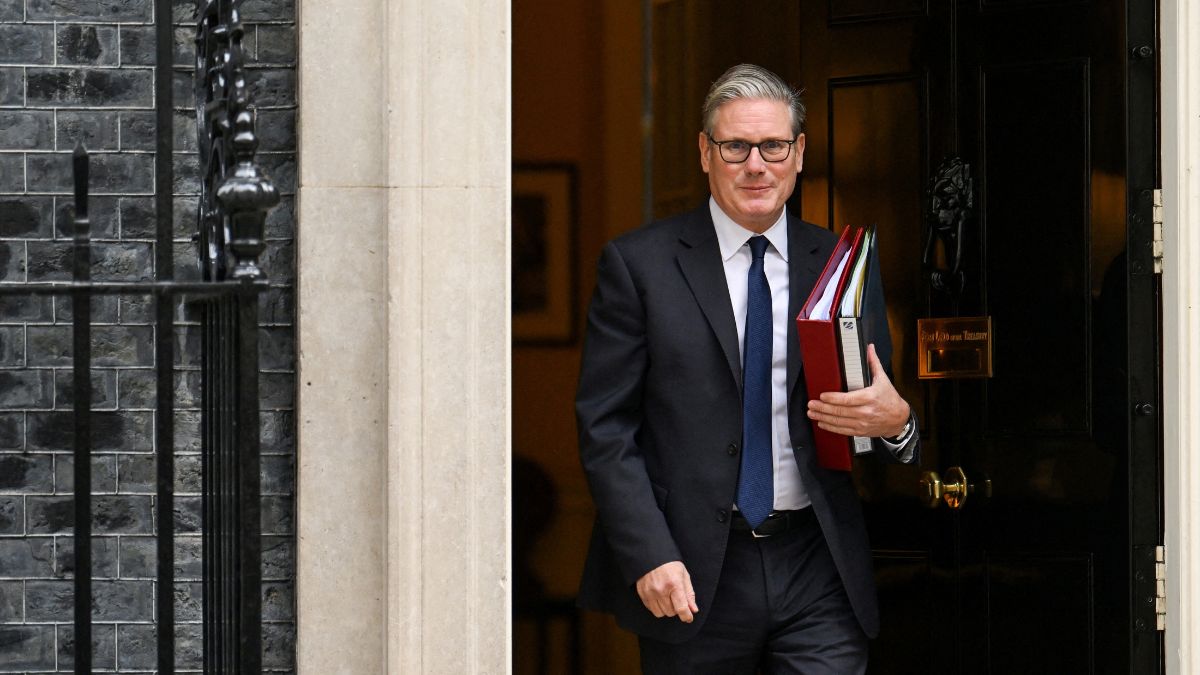
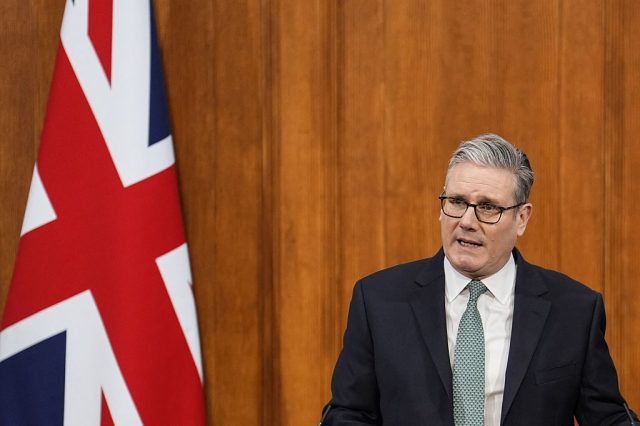
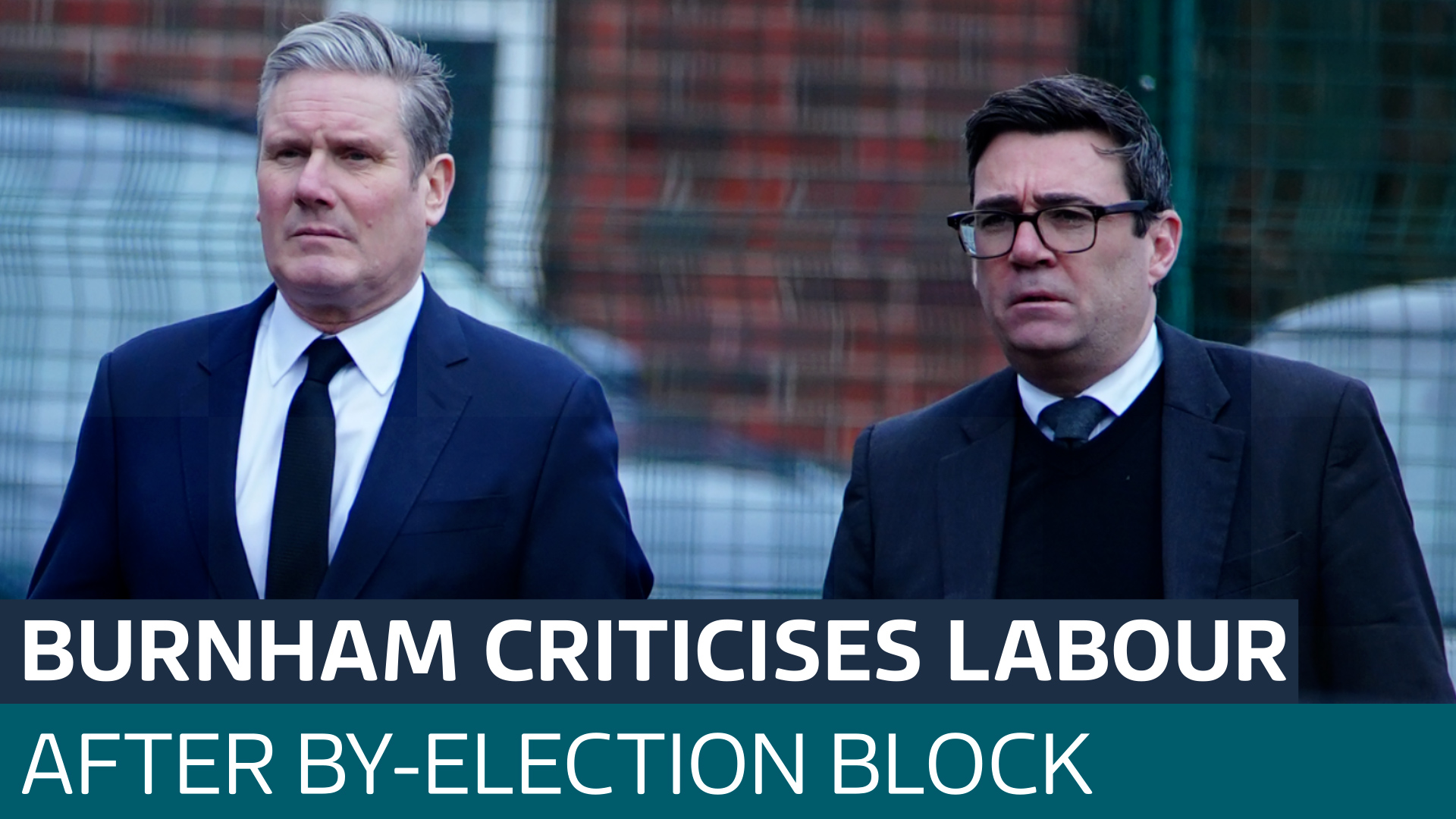
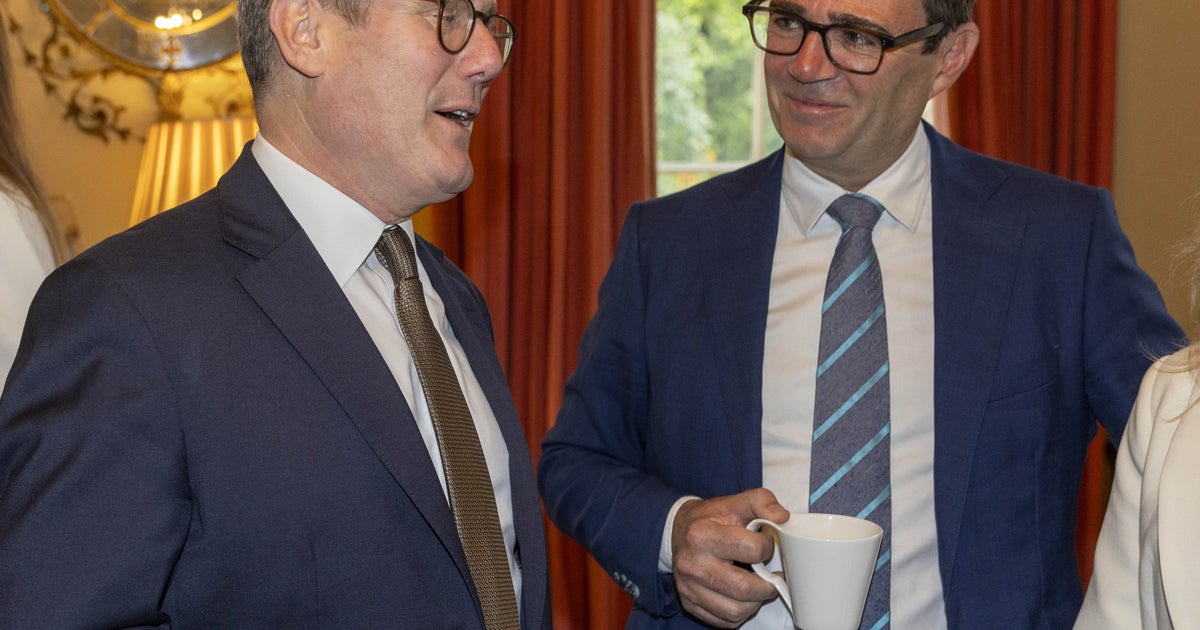
The Labour Party's decision to block Andy Burnham from the Gorton and Denton by-election, supported by an 8-1 National Executive Committee vote, reveals critical organizational dynamics that parallel e-commerce business management challenges. Sir Keir Starmer's justification—prioritizing May elections across Wales, Scotland, and English constituencies over a mayoral by-election—demonstrates strategic resource concentration in competitive environments. This incident, criticized by MPs like Nadia Whittome as "petty factional manoeuvring," exposes internal tensions when leadership makes centralized decisions affecting stakeholder expectations.
For UK-based e-commerce sellers, this political instability carries indirect but measurable implications. Greater Manchester, where Burnham serves as Mayor, represents a significant logistics and fulfillment hub for cross-border sellers, with 12,000+ registered e-commerce businesses operating in the region. Political uncertainty at local government levels can affect business rates, logistics infrastructure investment, and regulatory clarity—factors that influence fulfillment costs and operational efficiency. The 8-1 NEC vote margin suggests strong organizational alignment, but the public backlash indicates potential governance friction that could extend to policy implementation delays.
The broader lesson for sellers mirrors the Labour Party's challenge: resource allocation under competitive pressure. When organizations concentrate resources on priority initiatives (Labour's May elections; sellers' peak season campaigns), secondary operations face delays or reduced support. This creates operational risk. Sellers managing inventory across multiple UK regions must account for potential policy shifts or infrastructure changes resulting from political transitions. The incident also highlights how centralized decision-making, while efficient short-term, can generate stakeholder friction that destabilizes long-term planning.
For cross-border sellers specifically, UK political stability directly impacts VAT compliance frameworks, customs procedures post-Brexit, and logistics partnerships. The Labour government's focus on May elections suggests policy bandwidth constraints through Q2 2025, potentially delaying regulatory clarifications that sellers need for compliance. Sellers should monitor Greater Manchester's local government developments and prepare contingency logistics plans accounting for potential infrastructure or regulatory changes. The incident underscores that even seemingly unrelated political events can cascade into operational constraints for e-commerce businesses dependent on UK infrastructure and regulatory clarity.
Questions 8
What is the connection between Greater Manchester politics and seller logistics?
Greater Manchester hosts 12,000+ registered e-commerce businesses and serves as a critical fulfillment hub for UK-based cross-border sellers. Andy Burnham's role as Mayor directly influences local business rates, logistics infrastructure investment, and regulatory enforcement priorities. Political uncertainty at the mayoral level—such as the blocked by-election—can delay infrastructure projects, affect business rate negotiations, and create ambiguity around logistics partner support. Sellers with fulfillment operations in Greater Manchester should monitor local government developments and maintain relationships with 3PL providers to ensure continuity during political transitions.
How does UK political instability affect cross-border e-commerce sellers?
Political uncertainty, such as the Labour Party's internal conflicts over resource allocation, can delay regulatory clarifications and policy implementations that sellers depend on for compliance. The Starmer-Burnham incident reveals governance tensions that may extend to policy bandwidth constraints through Q2 2025. Sellers operating in the UK face potential delays in VAT guidance updates, customs procedure clarifications, and logistics infrastructure investment decisions. Monitoring political developments helps sellers anticipate compliance deadline shifts and adjust operational timelines accordingly. Consider building 4-6 week buffers into regulatory compliance schedules during periods of political transition.