


Air Freight Disruptions Hit 11,300+ Flights | Critical Logistics Impact for E-Commerce Sellers
- Massive winter storm cancels 11,300+ flights nationwide; Denver hub experiences 297 cancellations; sellers face 5-14 day air freight delays and 8-15% cost increases












Overview
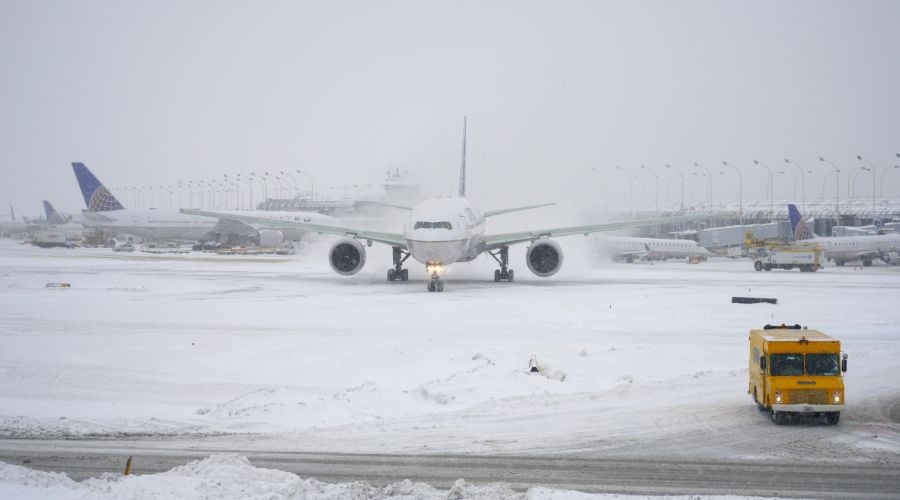
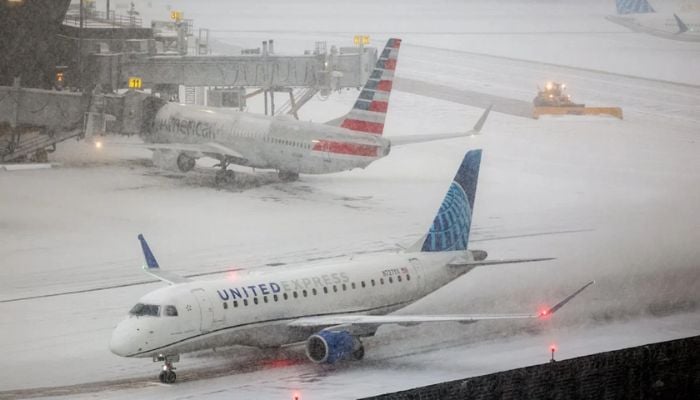
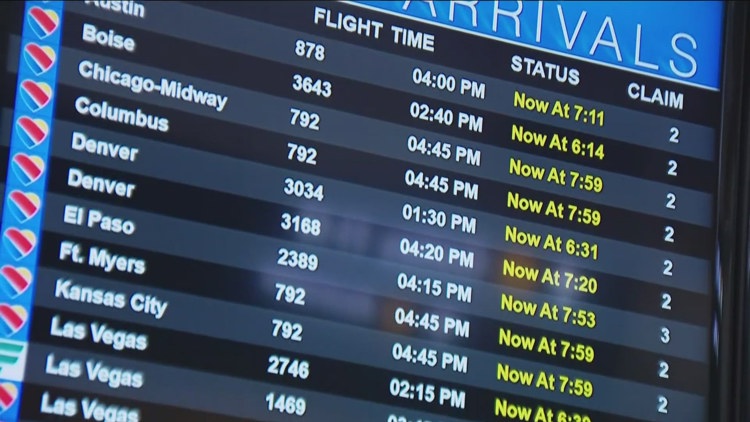
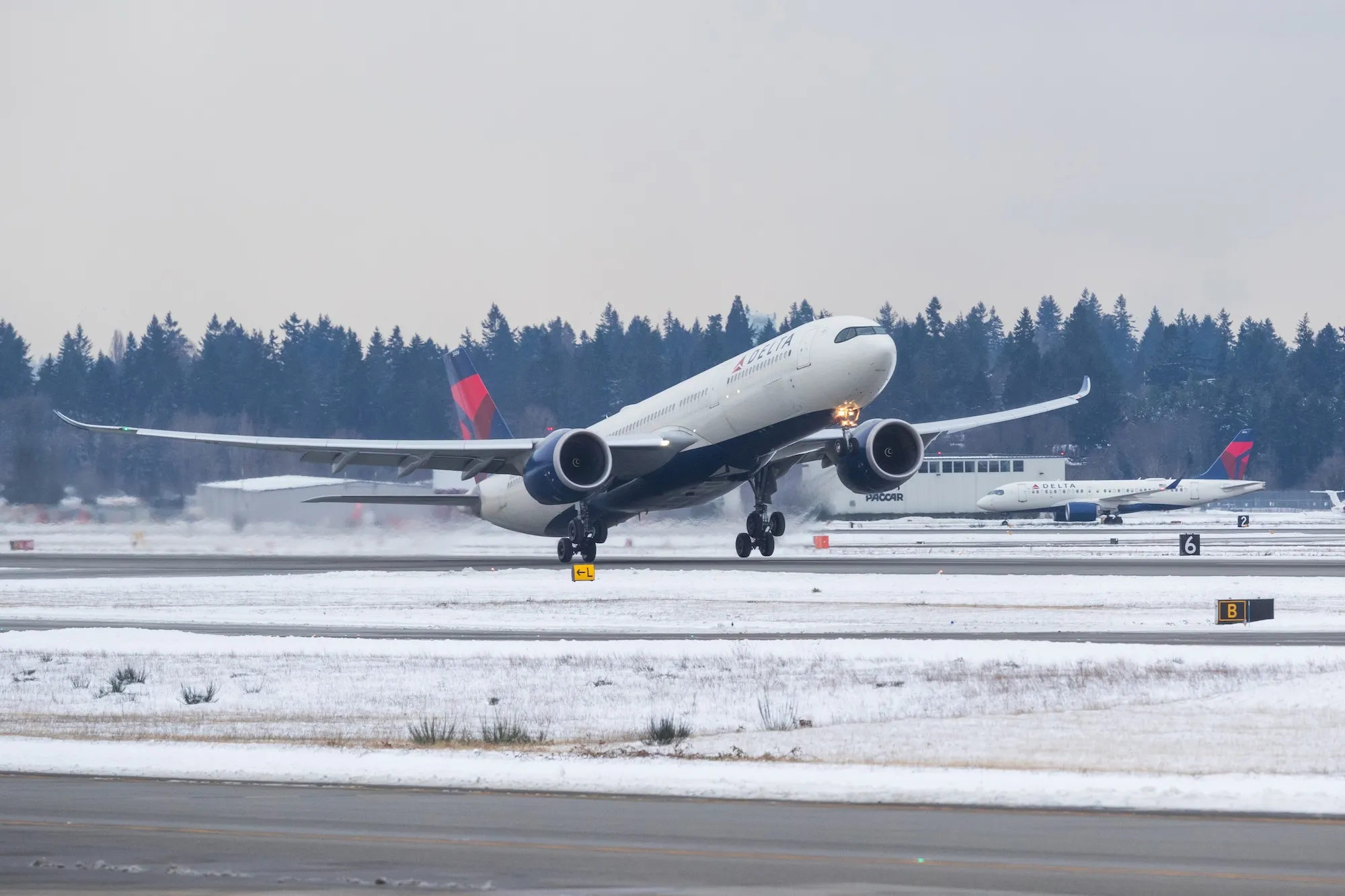
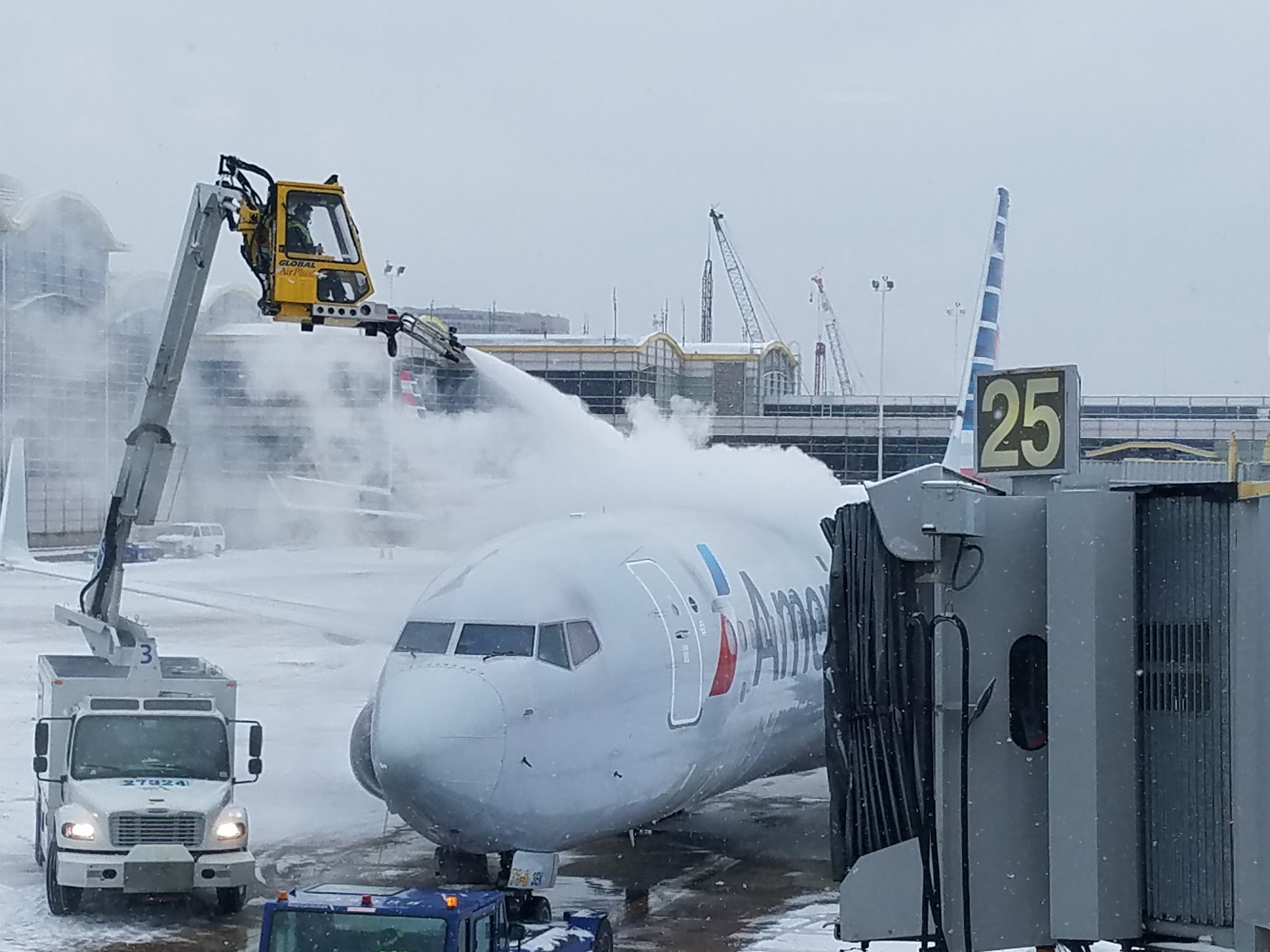
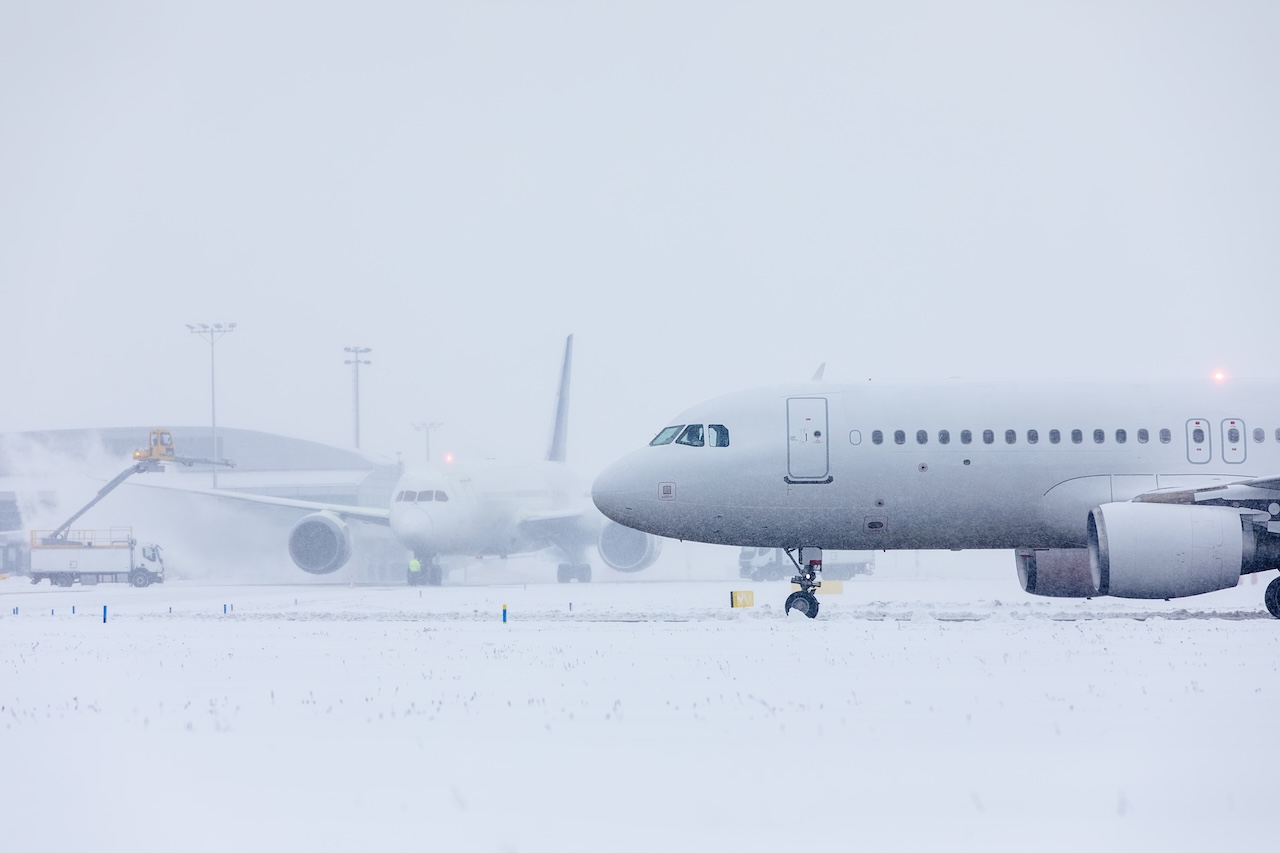
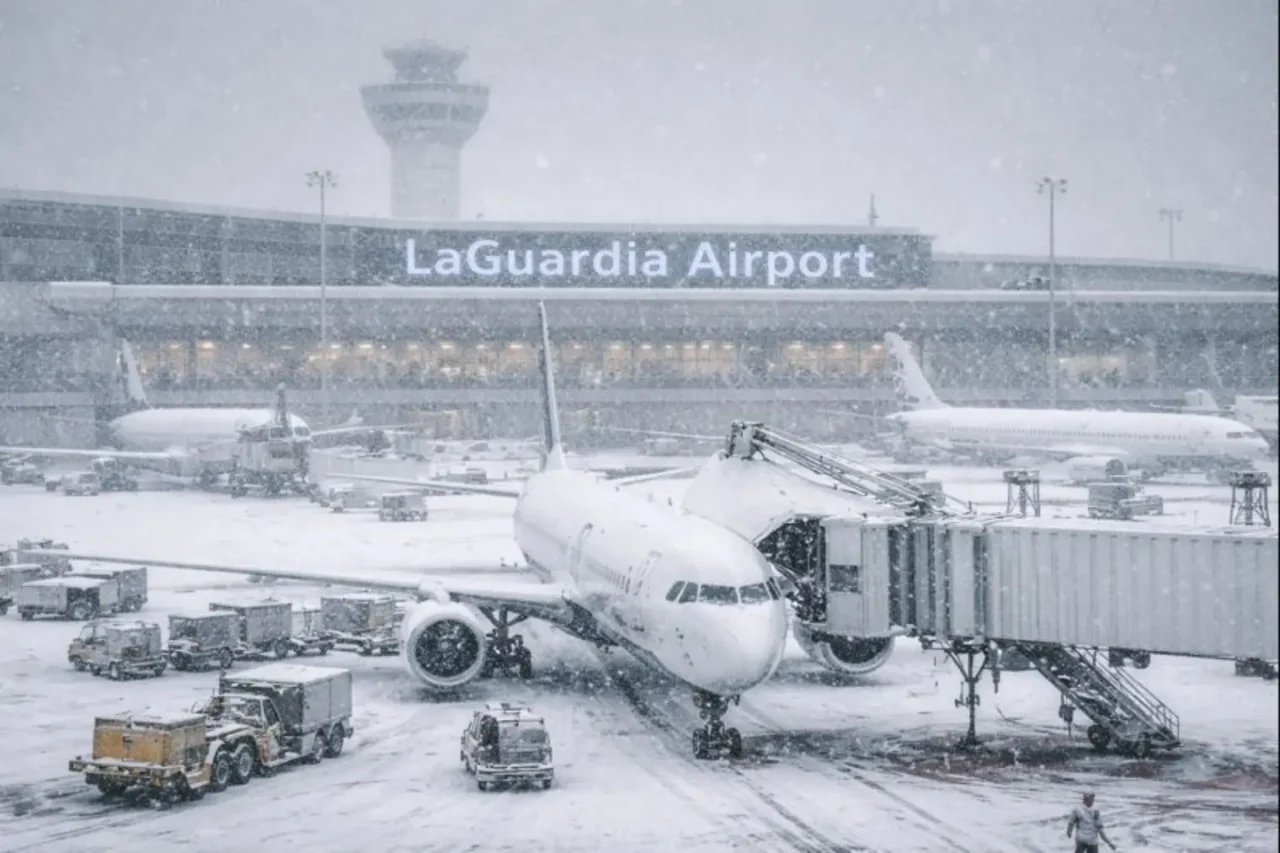
A severe winter storm sweeping across the United States on January 25, 2026, has created unprecedented disruptions to air freight logistics, directly impacting cross-border e-commerce sellers relying on time-sensitive shipments. Denver International Airport (DIA) experienced 297 flight cancellations and 426 delays by 6 p.m., while the nationwide impact reached over 11,300 canceled flights and 4,400 delayed flights. Major carriers including United Airlines (106 canceled, 132 delayed), Southwest Airlines (92 canceled, 113 delayed), and SkyWest (37 canceled, 120 delayed) were most severely affected. Key logistics hubs in Georgia, North Carolina, Texas, New York, and New Jersey experienced cascading delays.
For air freight-dependent sellers, this event creates immediate cost and timeline pressures. Sellers shipping time-sensitive products (electronics, fashion, perishables, seasonal goods) via air freight face 5-14 day delays and potential cost increases of 8-15% as carriers implement surcharges and reroute shipments through alternative hubs. The disruption particularly impacts sellers with just-in-time inventory strategies and those fulfilling Amazon FBA, eBay, or Shopify orders with expedited shipping commitments. Carriers are implementing weather-related surcharges ($200-500 per shipment) and extending standard transit times from 2-3 days to 7-10 days for affected routes.
Strategic logistics repositioning is essential. Sellers should immediately shift high-priority inventory to ocean freight routes (15-21 day transit but stable pricing) for non-urgent stock, reducing air freight dependency by 30-40%. For time-critical shipments, consider rerouting through alternative hubs like Chicago O'Hare, Atlanta Hartsfield-Jackson, or Dallas/Fort Worth, which experienced fewer disruptions. 3PL providers with distributed warehouse networks (Flexport, Geodis, XPO Logistics) offer better resilience than single-hub strategies. Sellers should also evaluate ground freight alternatives (FedEx Ground, UPS Ground) for domestic US distribution, which typically costs 40-50% less than air freight and remain largely unaffected by airport disruptions.
Inventory positioning strategy: Stock 2-3 weeks of fast-moving SKUs in US fulfillment centers NOW before additional winter storms hit. Liquidate slow-moving inventory in affected regions (Denver, Atlanta, Dallas) through promotional pricing to free warehouse capacity. For cross-border sellers, shift sourcing from air freight to consolidated ocean freight shipments departing January 28-February 2, arriving mid-February, providing 3-4 week buffer before Q1 peak demand. Monitor FBA restock limits closely—Amazon may reduce inbound capacity during logistics disruptions, making early inventory positioning critical.
Questions 8
Should I shift from air freight to ocean freight for my cross-border inventory?
Yes, for non-time-critical shipments. Ocean freight costs 40-60% less than air freight ($1.50-2.50/kg vs $4-8/kg) and avoids weather-related surcharges. The tradeoff is 15-21 day transit time vs 2-3 days for air. For Q1 demand planning, consolidate shipments departing January 28-February 2 via ocean freight, arriving mid-February—providing 3-4 week buffer before peak selling season. Reserve air freight only for time-sensitive products (fashion, electronics, perishables) with confirmed customer orders. This strategy typically reduces logistics costs by 25-35% while maintaining service levels.
How will the January 2026 winter storm affect my air freight shipments to US fulfillment centers?
The winter storm has created 5-14 day delays on air freight routes, with carriers implementing $200-500 surcharges per shipment. Standard 2-3 day air transit times have extended to 7-10 days for affected routes. If you have shipments scheduled for January 25-February 5, expect delays and cost increases of 8-15%. Immediately contact your freight forwarder to confirm routing—shipments rerouted through Chicago O'Hare or Atlanta Hartsfield-Jackson may avoid the worst disruptions. For non-urgent inventory, shift to ocean freight departing January 28-February 2 to lock in stable pricing and avoid surcharges.