






USD Weakness & Asian Currency Surge | Cross-Border Seller FX Strategy 2025
- BOJ policy shift triggers 3-8% currency volatility; SGD/MYR strengthen while INR weakens, creating immediate arbitrage and pricing optimization opportunities for sellers across Asia-Pacific, US, and EU markets


























Overview
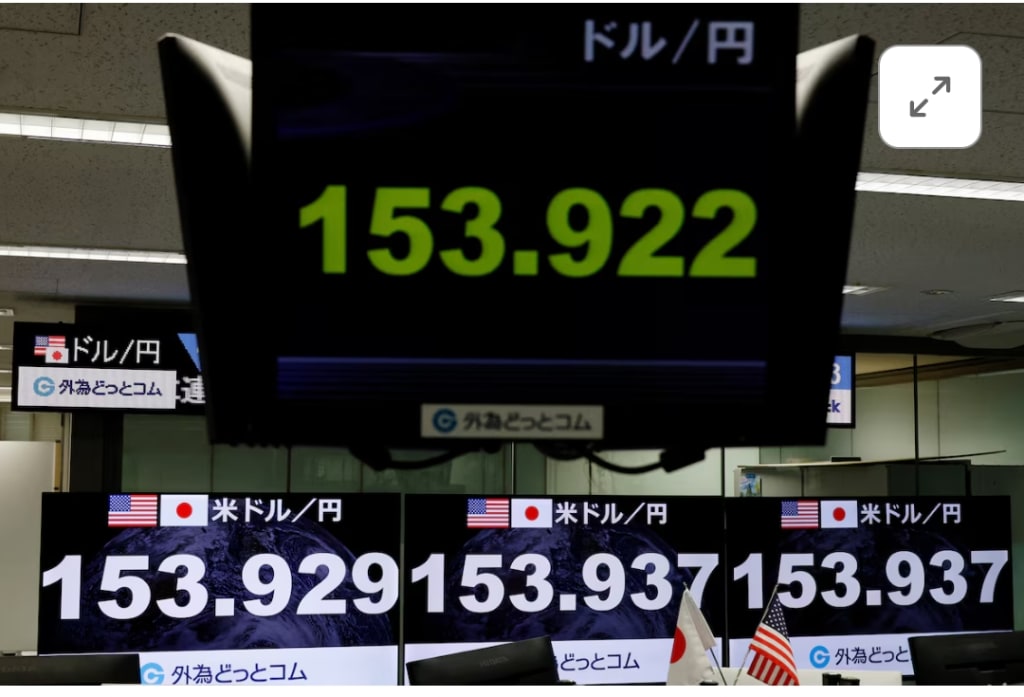
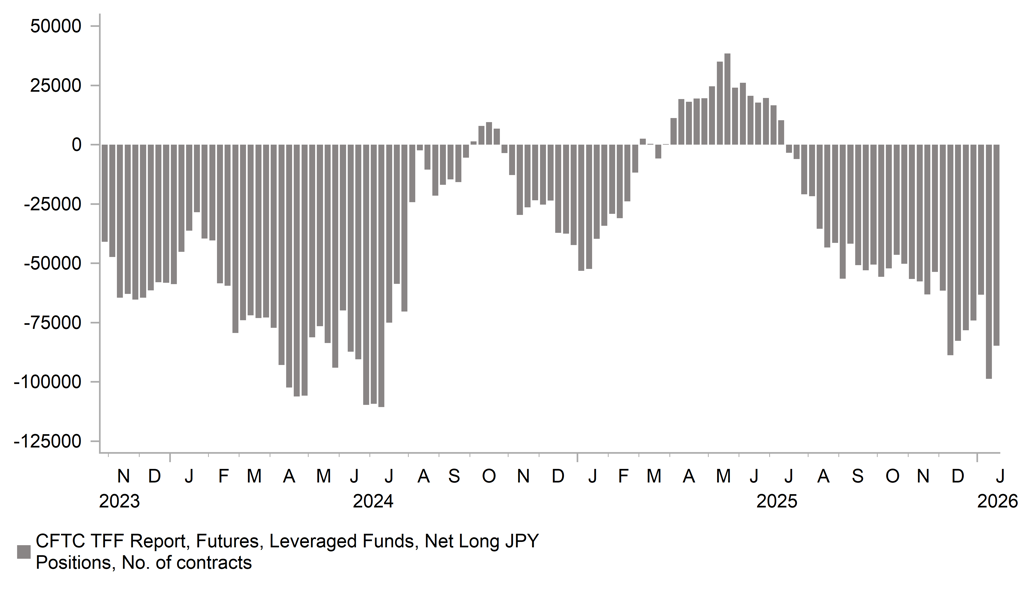
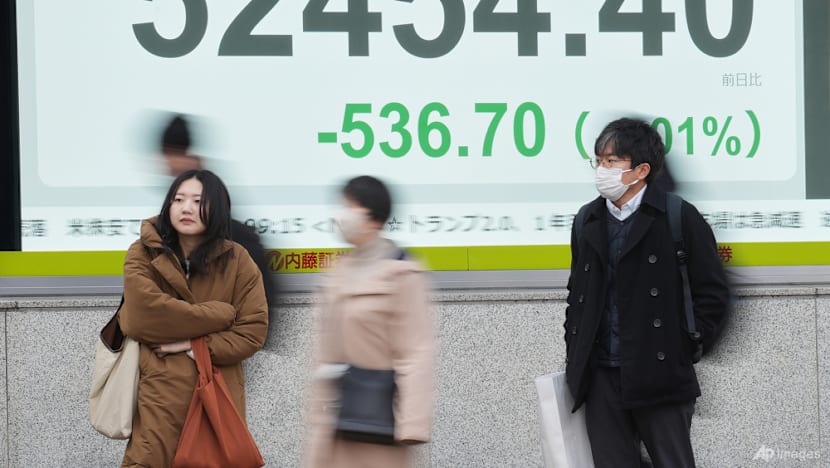
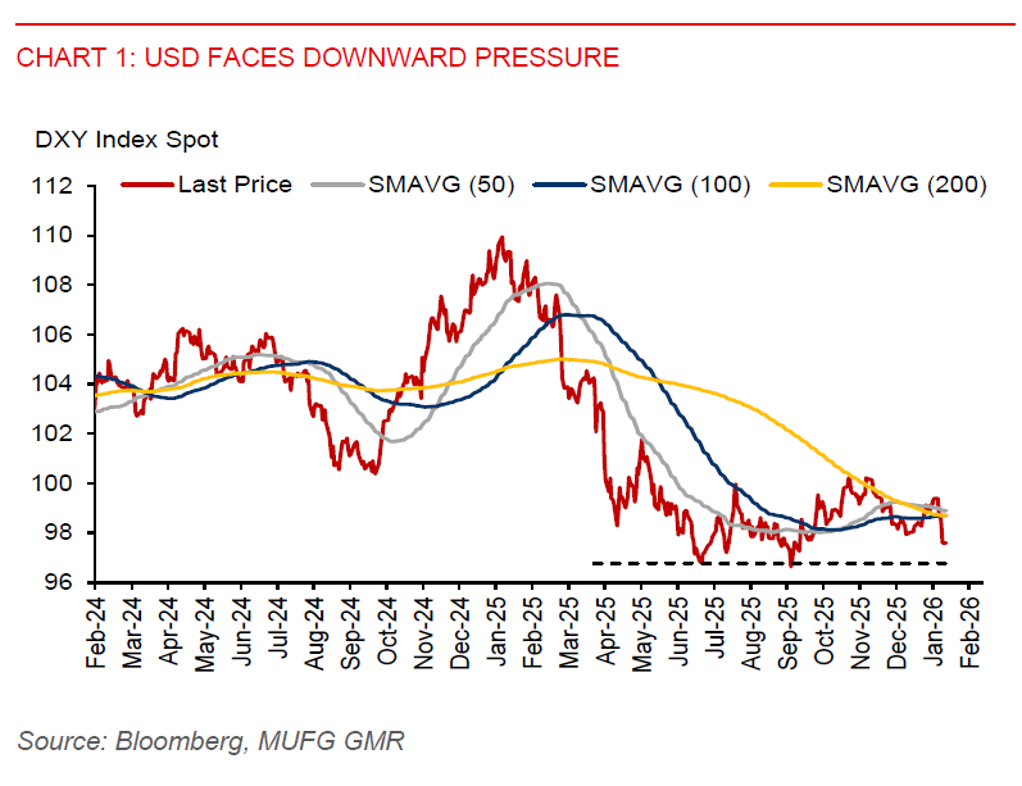
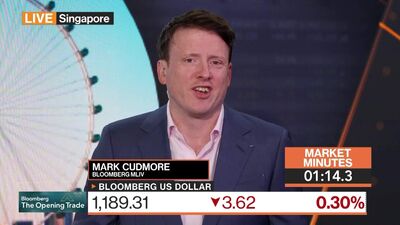
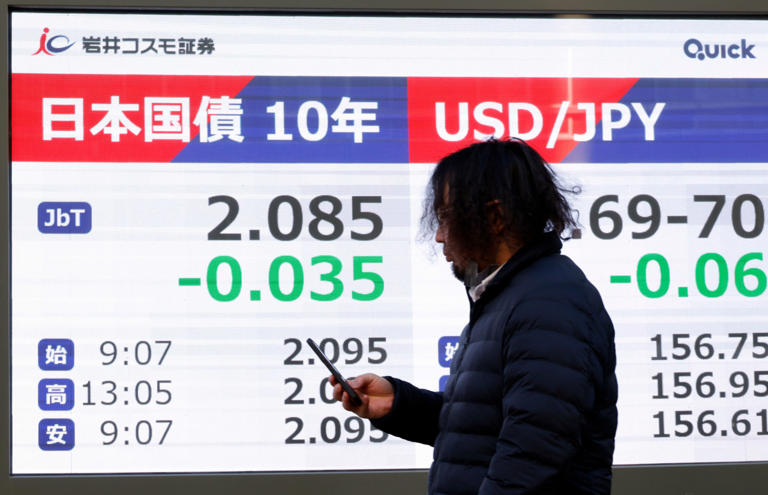
The Bank of Japan's upgraded growth and inflation outlook for fiscal 2026 without immediate rate hike signals has triggered significant currency market realignment, with the US Dollar Index (DXY) facing downward pressure and most Asian currencies strengthening against USD. This macroeconomic shift creates both immediate financial risks and substantial profit opportunities for cross-border e-commerce sellers operating across multiple currency zones.
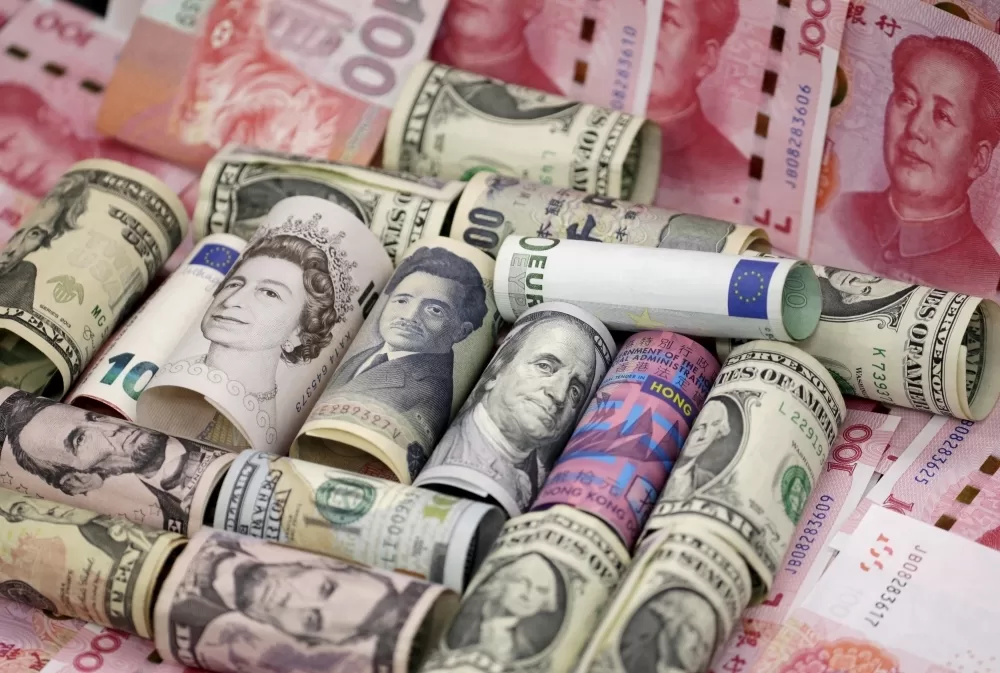
Immediate Payment & Pricing Optimization Opportunities: For sellers sourcing from China and manufacturing hubs, the strengthening Chinese Yuan (CNY) combined with resilient Singapore Dollar (SGD) and Malaysian Ringgit (MYR) creates a 3-8% cost advantage window. Sellers can lock in lower procurement costs through forward contracts or accelerated purchasing before potential BOJ intervention. Simultaneously, USD weakness allows sellers with US-based inventory to increase prices in SGD/MYR-denominated markets by 2-4% while maintaining competitive positioning—effectively capturing margin expansion without demand destruction. The Indian Rupee (INR) weakness presents a counter-opportunity: sellers can reduce pricing in INR markets to capture market share from competitors while maintaining USD-equivalent margins through favorable exchange rates.
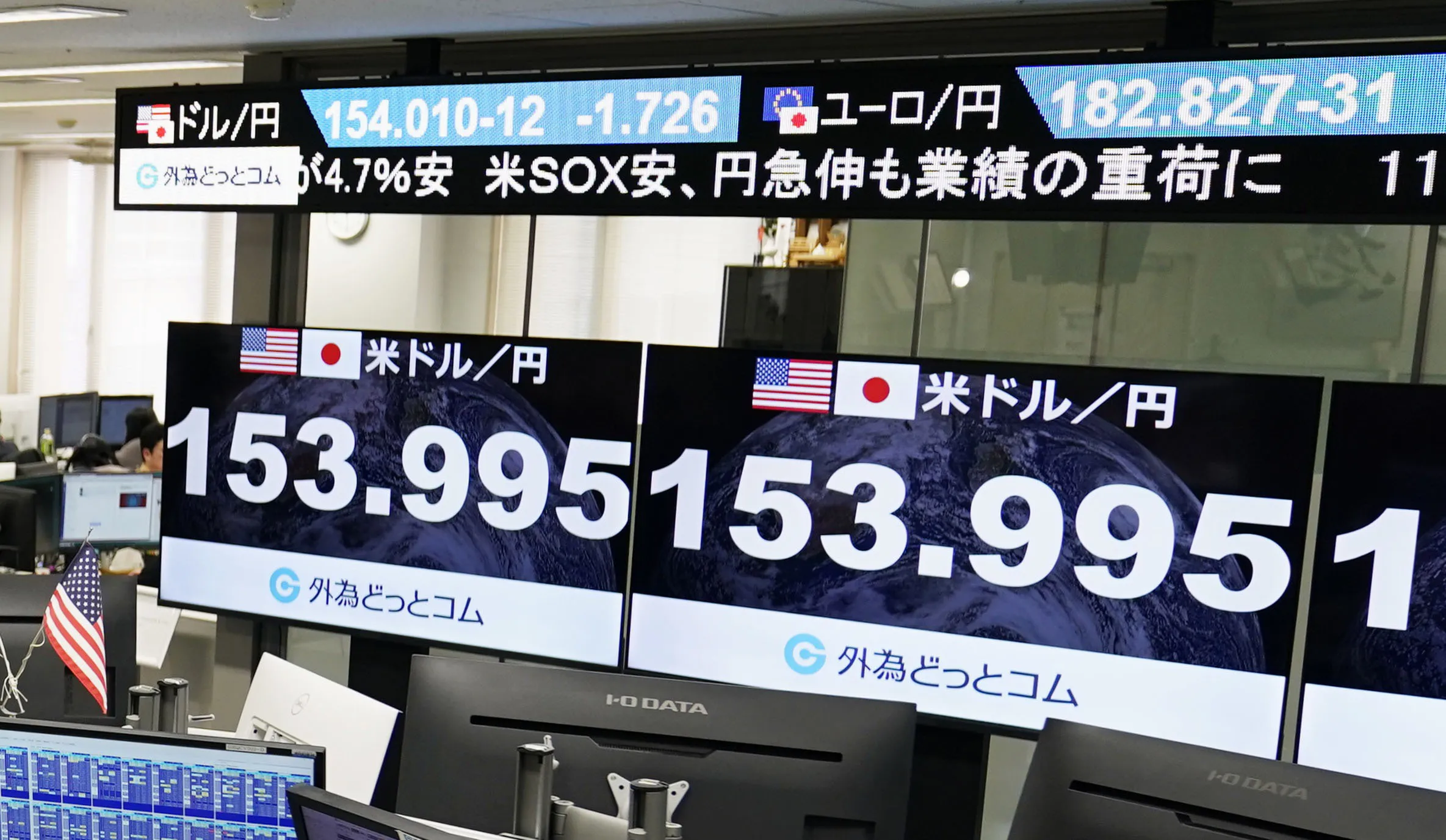
FX Risk Management & Working Capital Acceleration: The heightened volatility in USD/JPY pair and geopolitical uncertainty (rising crude oil prices, Middle East tensions, Trump's naval deployment) necessitate immediate hedging strategies. Sellers should implement 60-90 day forward contracts on major currency pairs (USD/CNY, USD/SGD, USD/MYR) to lock in current rates before potential BOJ intervention or geopolitical escalation. This hedging costs 0.5-1.2% in premiums but protects 15-25% of typical cross-border seller margins. For working capital acceleration, sellers can leverage invoice financing and supply chain finance products targeting Asian exporters—platforms like Tradeshift, Fintech Acquisition Corp, and regional banks now offer 2-3% discounts on receivables denominated in strengthening currencies (SGD, MYR, CNY), enabling 15-30 day cash cycle compression.
Strategic Financing & Regional Entity Optimization: The BOJ's policy ambiguity creates a 30-60 day window before potential intervention. Sellers should establish Singapore or Hong Kong payment entities to capture SGD/MYR transaction flows at favorable rates before potential revaluation. Regional payment providers (Wise, OFX, Remitly) offer 0.8-1.5% lower fees on SGD/MYR corridors compared to USD routes. Additionally, sellers can access trade finance products specifically targeting Asian currency exposure—DBS, OCBC, and UOB now offer PO financing at 4.5-6.5% APR for sellers with SGD/MYR receivables, compared to 8-12% for USD-denominated facilities. This 200-350 basis point savings on $100K-$500K inventory financing translates to $2,000-$17,500 quarterly cost reduction.
Questions 8
What immediate payment optimization strategies should sellers use with strengthening Asian currencies?
Sellers should immediately establish payment entities in Singapore or Hong Kong to capture SGD/MYR transaction flows at favorable rates before potential revaluation. Regional payment providers (Wise, OFX, Remitly) offer 0.8-1.5% lower fees on SGD/MYR corridors versus USD routes, translating to $800-$1,500 monthly savings on $100K transaction volumes. Additionally, sellers can accelerate invoice financing through Asian banks (DBS, OCBC, UOB) offering 4.5-6.5% APR on SGD/MYR receivables versus 8-12% for USD facilities—a 200-350 basis point savings enabling 15-30 day working capital acceleration on $100K-$500K inventory.
How does BOJ's upgraded growth outlook affect cross-border seller pricing in Asia?
The BOJ's upgraded fiscal 2026 growth and inflation outlook without immediate rate hike signals strengthens Asian currencies (SGD +2-3%, MYR +1.5-2.5%, CNY +1-2%) while weakening USD. For sellers, this creates a 30-60 day window to lock in lower procurement costs from China and Southeast Asia before potential BOJ intervention. Specifically, sellers can increase prices in SGD/MYR markets by 2-4% while maintaining competitive positioning, capturing 150-300 basis points of margin expansion. Simultaneously, sellers should implement 60-90 day forward contracts at current rates to protect against reversal, costing 0.5-1.2% in hedging premiums but safeguarding 15-25% of typical margins.