




Celebrity Snack Brands Must Build Operational Excellence Beyond Fame | Seller Opportunities in Health-Conscious CPG
- Jennifer Garner's snack firm navigates "Hollywood IPO curse" by emphasizing supply chains and market differentiation; snack category shows 15-25% growth in health-conscious segments, creating opportunities for sellers in specialty food distribution and brand partnerships
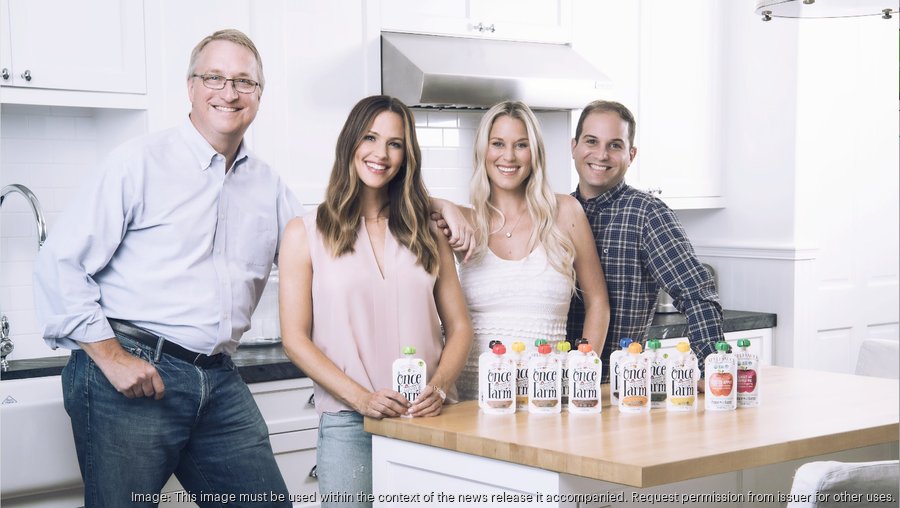

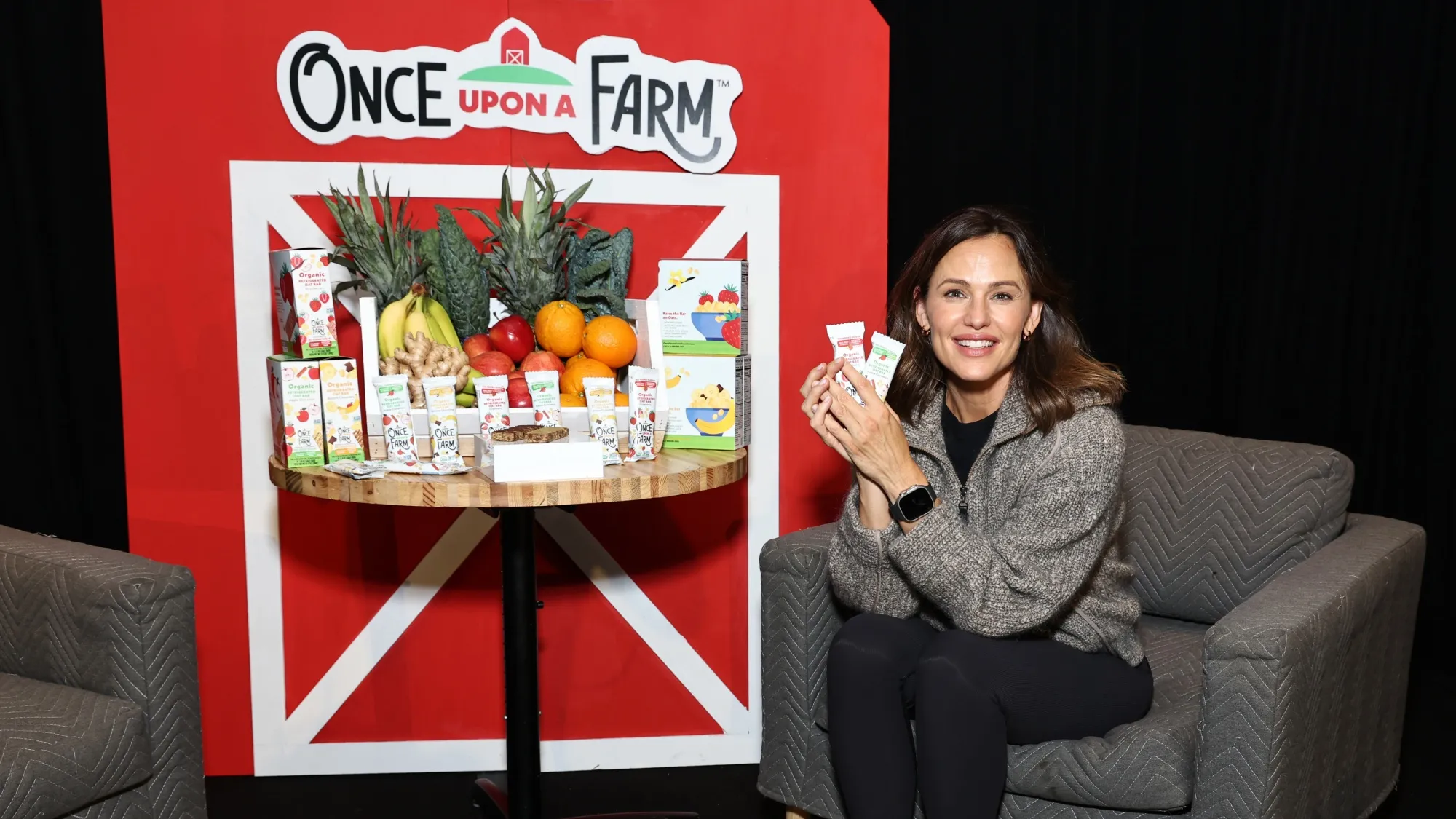



:sharpen(0.5,0.5,true)/tpg%2Fsources%2F44e36776-6454-4961-ac7f-98d4dc977b03.jpeg)



Overview
Jennifer Garner's snack company is repositioning itself to overcome the "Hollywood IPO curse"—the historical pattern where celebrity-backed consumer brands struggle post-IPO due to investor skepticism about sustainability beyond founder appeal. The news highlights a critical shift in how institutional investors evaluate celebrity-founded CPG (consumer packaged goods) brands: they now demand operational fundamentals, professional management teams independent of the founder's persona, and proven market differentiation rather than relying on celebrity endorsement value alone.
For cross-border e-commerce sellers, this trend signals three major opportunities. First, the snack industry is experiencing significant consolidation with established players competing fiercely for shelf space and consumer loyalty. Health-conscious and specialty snack segments are growing 15-25% annually, creating demand for differentiated products that sellers can source, private-label, or distribute internationally. Second, the emphasis on supply chain robustness and distribution networks means sellers who can demonstrate professional logistics infrastructure, consistent revenue growth, and market validation will have competitive advantages when partnering with or competing against celebrity brands. Third, the article underscores that sustainable e-commerce success requires operational excellence transcending initial marketing momentum—a principle directly applicable to sellers building brands on Amazon, Shopify, and international marketplaces.
The broader market context reveals that celebrity-backed brands face increasing scrutiny regarding post-IPO growth trajectories as consumer preferences shift and market saturation increases. This creates a window of opportunity for non-celebrity sellers to capture market share in premium snack categories by emphasizing product quality, supply chain transparency, and customer loyalty metrics rather than founder recognition. Sellers considering brand partnerships, distribution agreements, or competitive positioning within the CPG sector should focus on demonstrating: (1) consistent revenue growth metrics, (2) professional management and operational independence, (3) differentiated product positioning in high-growth segments like organic, keto, or plant-based snacks, and (4) robust international distribution capabilities.
The snack category's consolidation also indicates that smaller sellers should consider strategic partnerships with established distributors or explore niche segments (functional snacks, allergen-free, regional specialties) where they can establish defensible market positions without competing directly against celebrity-backed mega-brands. Sellers expanding internationally should prioritize building supply chain credibility and operational metrics that appeal to institutional buyers and retail partners, as these factors increasingly determine market access and partnership opportunities in the CPG sector.
Questions 8
What market consolidation trends should sellers monitor in the snack industry?
The snack industry is experiencing significant consolidation with established players and emerging brands competing fiercely for shelf space and consumer loyalty. This consolidation creates both challenges and opportunities: larger brands can leverage scale and distribution, but niche sellers can capture market share in underserved segments. The article indicates that health-conscious and specialty snack segments are growing faster than mainstream categories, offering sellers opportunities to establish defensible positions in high-growth niches. Sellers should monitor consolidation trends, identify underserved market segments, and focus on product differentiation and operational excellence to compete effectively in an increasingly consolidated market.
What is the 'Hollywood IPO curse' and how does it affect celebrity-backed snack brands?
The 'Hollywood IPO curse' refers to the historical pattern where celebrity-founded consumer brands struggle post-IPO because institutional investors question whether the brand can sustain growth beyond the founder's initial celebrity appeal. Jennifer Garner's snack firm is addressing this by emphasizing operational fundamentals, professional management teams, and market differentiation rather than relying solely on celebrity endorsement value. Investors increasingly scrutinize whether celebrity brands can maintain growth trajectories as consumer preferences shift and market saturation increases. For sellers, this signals that building sustainable business models with strong operational metrics and supply chain infrastructure is critical for long-term success and partnership opportunities.