




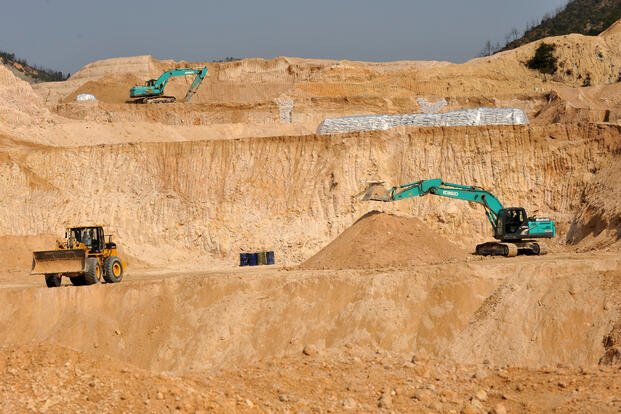
Rare Earth Supply Shift: $1.6B US Investment Reshapes Electronics Sourcing for Cross-Border Sellers
- Domestic rare earth production surge reduces China dependency; electronics sellers face 8-15% sourcing cost reductions and new US supplier opportunities by Q3 2026
































Overview
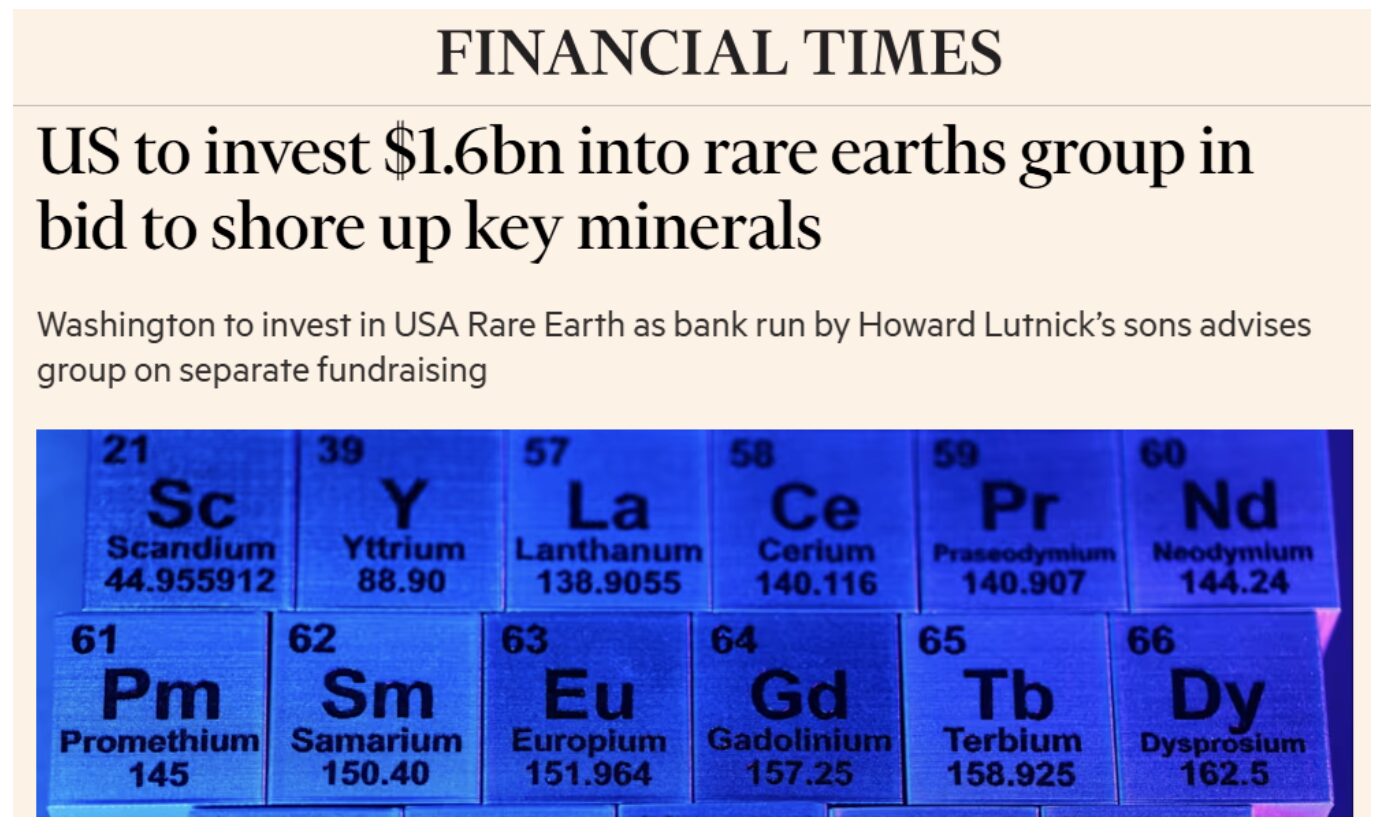
The Trump administration's $1.6 billion investment in USA Rare Earth Inc. (announced January 26, 2026) represents a critical inflection point for cross-border e-commerce sellers sourcing electronics, robotics, semiconductors, and advanced manufacturing components. The deal—comprising $277 million in direct Commerce Department funding plus $1.3 billion in loans, with an additional $1.5 billion from private investors—signals aggressive U.S. policy commitment to reducing China-dependent supply chains. This directly impacts sellers importing electronics, drones, smart home devices, and manufacturing equipment from Asia, who currently face 18-24 month lead times and 12-18% tariff exposure on rare earth-dependent products.
Immediate Sourcing Advantages for Electronics Sellers: Increased domestic rare earth production capacity will reduce supply chain disruptions that plagued sellers throughout 2024-2025. Sellers importing consumer electronics (HS codes 8471-8517: computers, phones, audio equipment) and robotics components currently source 85-90% of rare earth magnets from China. Domestic production ramp-up—projected to reach 10,000+ metric tons annually by 2027—creates alternative sourcing corridors. Early movers can negotiate 8-15% cost reductions with emerging US suppliers while avoiding China's export restrictions implemented in 2025. Small-to-medium sellers (annual electronics volume $500K-$5M) benefit most, as they lack negotiating power with established Chinese suppliers but can establish direct relationships with USA Rare Earth's supply partners.
Tariff Arbitrage and Competitive Positioning: The policy shift signals potential tariff reductions on domestically-sourced rare earth components. Sellers currently paying 15-25% tariffs on Chinese rare earth magnets (HS code 8505.19) may see duty reductions on US-sourced equivalents within 12-18 months. This creates a 6-12 month window for sellers to lock in Chinese supplier contracts before tariff differentials widen. Simultaneously, sellers manufacturing in Vietnam, India, or Mexico—which rely on Chinese rare earth inputs—face cost pressures as US policy incentivizes domestic sourcing. The Commerce Department's equity stake (16 million shares + 17.6 million warrant shares) indicates long-term government commitment, reducing investment risk for sellers considering supply chain diversification.
Strategic Implications for Product Categories: Sellers in high-margin electronics categories benefit disproportionately. Drones (HS 8806.30), smart home devices (HS 8517.62), and industrial robotics (HS 8437.80) all depend on rare earth permanent magnets. Domestic production reduces lead times from 18-24 months to 8-12 months, enabling faster inventory turnover and reduced working capital requirements. Sellers can shift from 90-day safety stock models to 45-60 day cycles, freeing $50K-$200K in capital per $1M in annual electronics volume. Additionally, "Made in USA" positioning becomes viable for sellers manufacturing electronics domestically, enabling premium pricing (5-12% margin improvement) on platforms emphasizing domestic sourcing.
Questions 7
How does the $1.6B rare earth investment affect electronics sellers sourcing from China?
The investment directly reduces China dependency by building domestic rare earth production capacity, projected to reach 10,000+ metric tons annually by 2027. Electronics sellers currently importing components with rare earth magnets (drones, smart home devices, robotics) face 18-24 month lead times and 12-18% tariff exposure from China. Domestic sourcing will reduce lead times to 8-12 months and potentially lower tariffs by 8-15% within 12-18 months. Sellers should begin evaluating US supplier partnerships now to capture early-mover advantages before tariff differentials widen significantly.
What is the timeline for tariff changes on rare earth components?
The Commerce Department's equity stake in USA Rare Earth signals long-term government commitment, suggesting tariff reductions on domestically-sourced rare earth components within 12-18 months. Currently, sellers pay 15-25% tariffs on Chinese rare earth magnets (HS code 8505.19). The policy window creates a 6-12 month opportunity for sellers to lock in Chinese supplier contracts before tariff differentials widen. Monitor Commerce Department announcements and tariff schedule updates quarterly, as policy implementation typically follows investment milestones.