




US Rare Earth Supply Surge | $1.6B Investment Reshapes Electronics Sourcing for E-Commerce Sellers
- Domestic rare earth production expansion reduces China dependency; electronics sellers face 8-15% sourcing cost shifts and new US supplier opportunities by Q3 2026


















































Overview
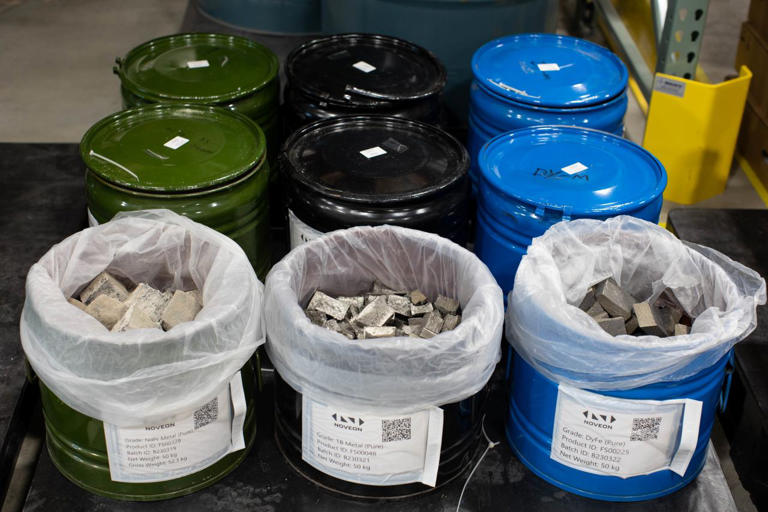
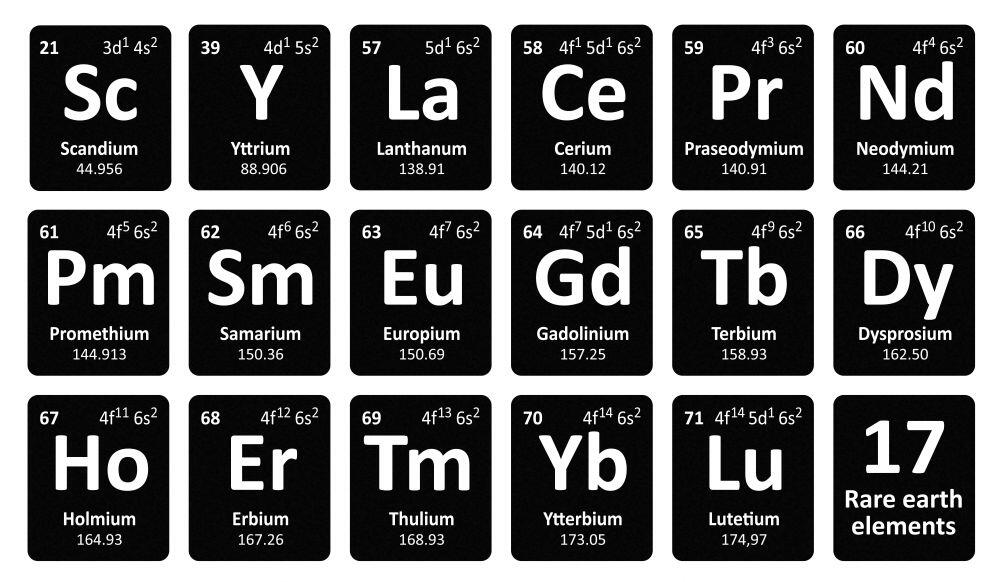
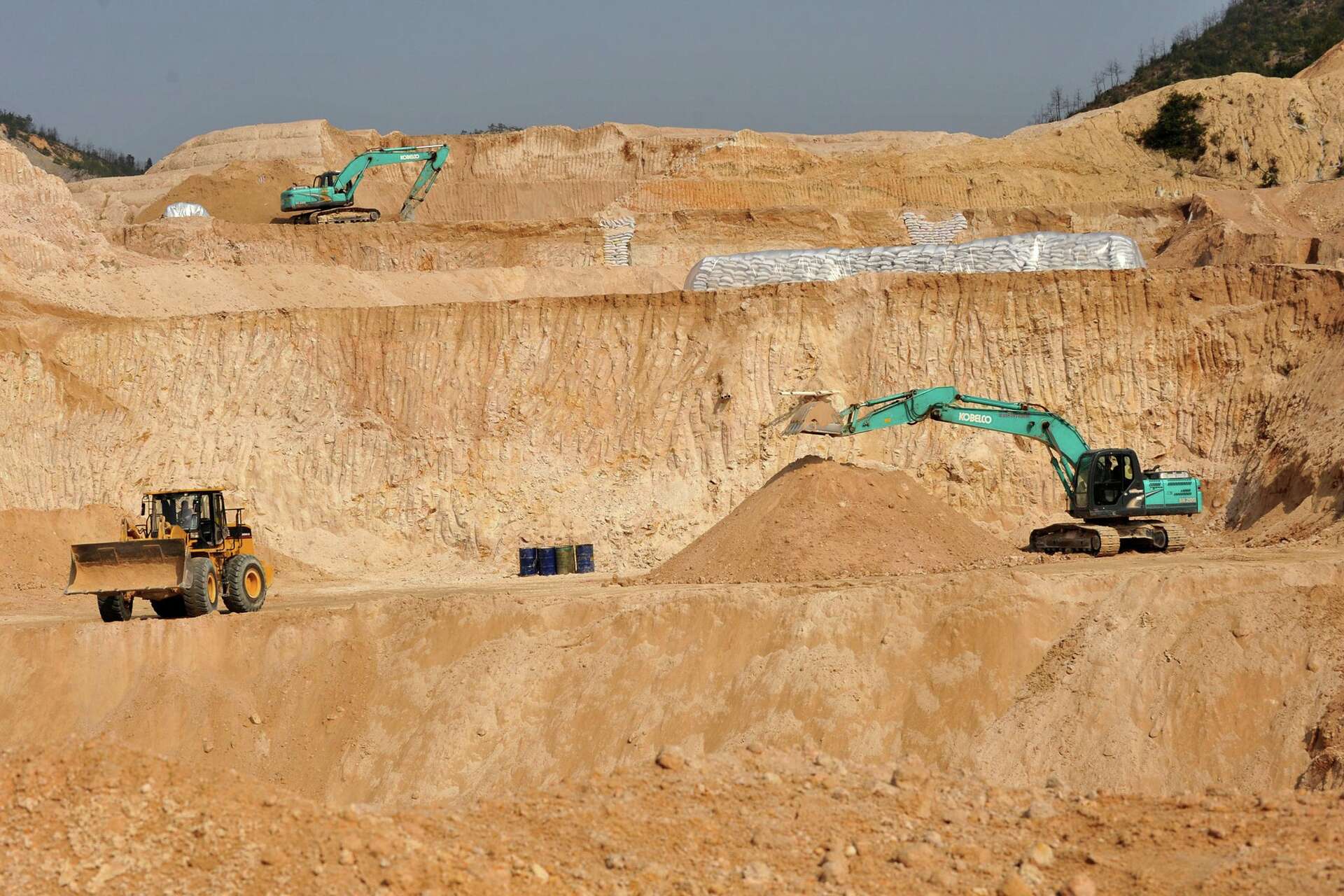
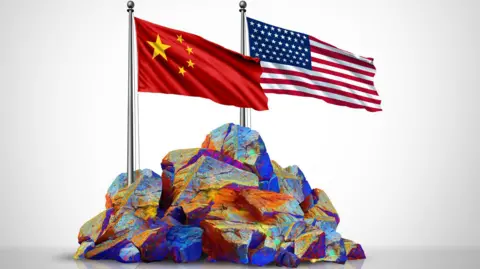
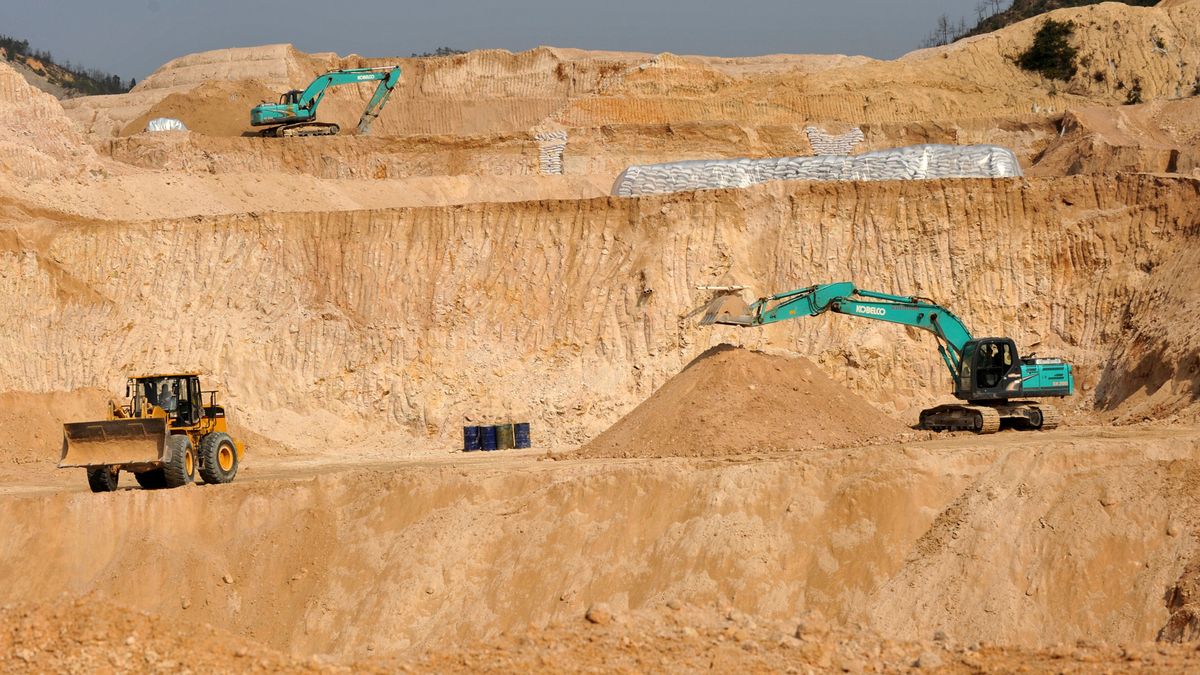
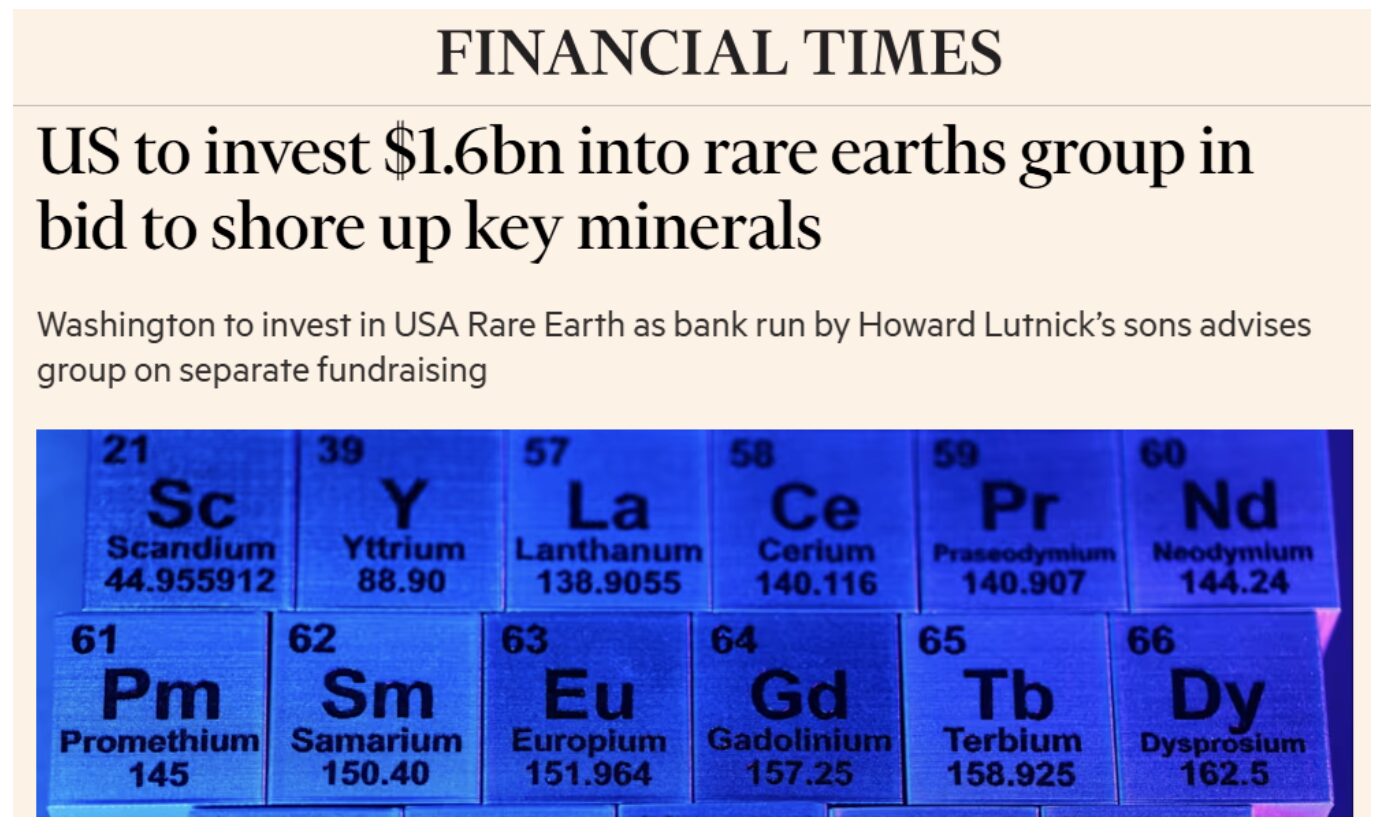
The Trump administration's $1.6 billion investment in USA Rare Earth Inc. (announced January 26, 2026) represents a fundamental shift in critical mineral supply chains that directly impacts cross-border e-commerce sellers. The deal comprises $277 million in direct Commerce Department funding plus $1.3 billion in loans, with the government acquiring 16 million shares and warrants for 17.6 million additional shares. This investment targets domestic production of rare earth metals and magnets—essential components for electronics, robotics, semiconductors, and drones that millions of e-commerce sellers source from Asia.
Supply Chain Restructuring for Electronics Sellers: The investment directly addresses China's 2025 export restrictions on rare earth elements, which created acute sourcing vulnerabilities for sellers importing electronics, smart home devices, and manufacturing equipment. Increased US domestic production capacity could reduce lead times by 4-8 weeks and lower sourcing costs by 8-15% for sellers currently dependent on Chinese suppliers. Categories most affected include: consumer electronics (HS codes 8471-8517), electric motors and generators (HS 8501-8506), and magnetic components (HS 8505). Small and medium-sized sellers importing finished electronics or components from Asia face the most immediate opportunity to diversify sourcing away from China-dependent supply chains.
Competitive Dynamics and Market Access: The dual funding structure—$1.5 billion from private investors plus government capital—signals strong market confidence in domestic rare earth development. This creates new sourcing opportunities for US-based sellers and manufacturers, particularly those in robotics, drone manufacturing, and advanced electronics. Sellers currently sourcing from Vietnam, India, or Taiwan may find competitive advantages by shifting to US suppliers, reducing tariff exposure and supply chain risk. The investment also suggests potential future tariff advantages for products manufactured with US-sourced rare earth materials, creating incentives for sellers to establish domestic manufacturing partnerships.
Timeline and Compliance Considerations: Production ramp-up typically requires 18-24 months, meaning meaningful supply increases likely arrive in Q3-Q4 2026. Sellers should monitor USA Rare Earth's capacity announcements and begin evaluating domestic supplier relationships now. The governance scrutiny surrounding Cantor Fitzgerald's involvement (Commerce Secretary Lutnick's former firm) may create regulatory uncertainty, but the core policy direction toward domestic mineral independence appears durable across administrations. Sellers should track potential tariff policy changes that could accelerate the shift away from China-sourced rare earth components.
Questions 8
Which e-commerce product categories benefit most from domestic rare earth production?
Electronics sellers see the highest impact: consumer electronics (HS 8471-8517), electric motors/generators (HS 8501-8506), magnetic components (HS 8505), and robotics/drone manufacturing. Sellers importing finished electronics, smart home devices, and manufacturing equipment from Asia face the most immediate sourcing cost reductions. Magnetic components used in hard drives, speakers, and industrial equipment represent high-value opportunities. Sellers in these categories should audit current supply chains and identify US-based alternatives to Chinese rare earth suppliers, potentially capturing 8-15% margin improvements through lower component costs.
How does the $1.6B rare earth investment affect electronics sellers sourcing from China?
The investment directly reduces China dependency by expanding US domestic rare earth production, which could lower sourcing costs 8-15% and reduce lead times by 4-8 weeks for electronics sellers. China's 2025 export restrictions on rare earth elements created acute supply vulnerabilities for sellers importing smart home devices, drones, and consumer electronics. USA Rare Earth's expanded capacity (expected Q3-Q4 2026) provides alternative sourcing for critical components like magnets (HS 8505) and magnetic assemblies. Sellers should begin evaluating US supplier relationships now to position for cost advantages and tariff benefits when domestic production scales.