


Data Center Power Restrictions Impact E-Commerce Infrastructure | Seller Resilience Guide
- Federal emergency orders redirect 35+ GW capacity from data centers to households; sellers face service disruptions, backup costs, and platform outages during peak winter demand

















Overview
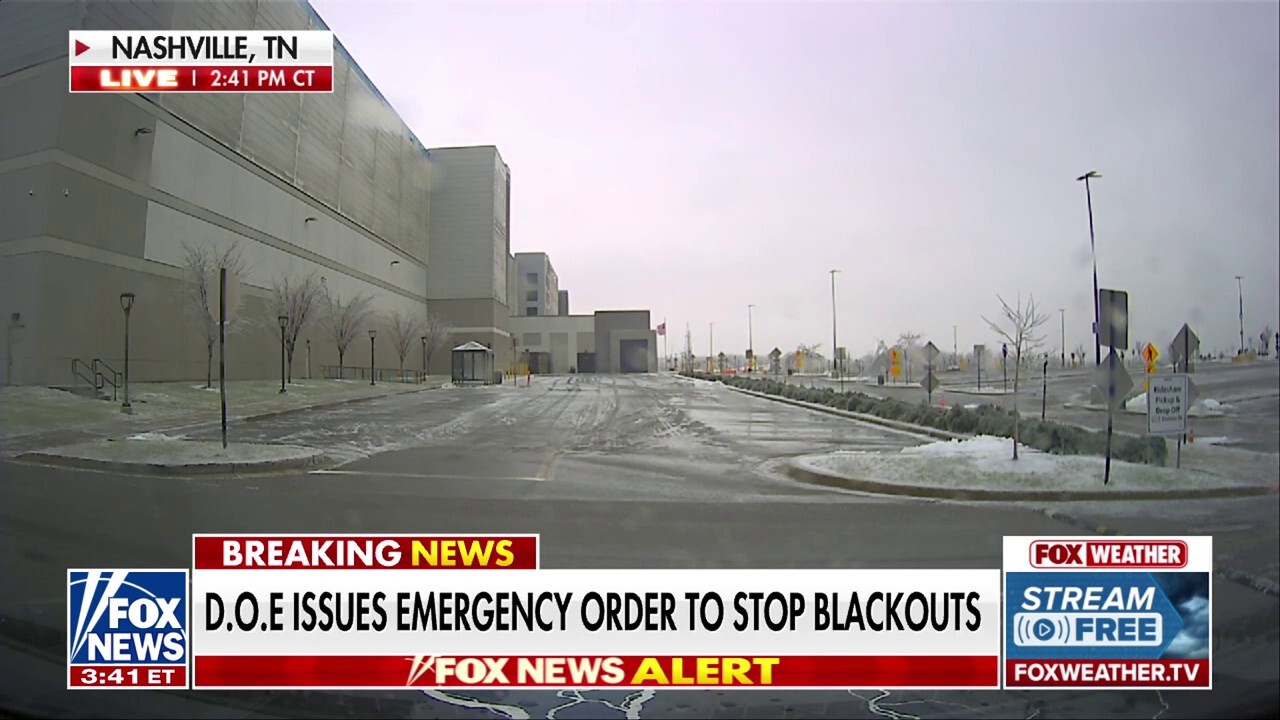
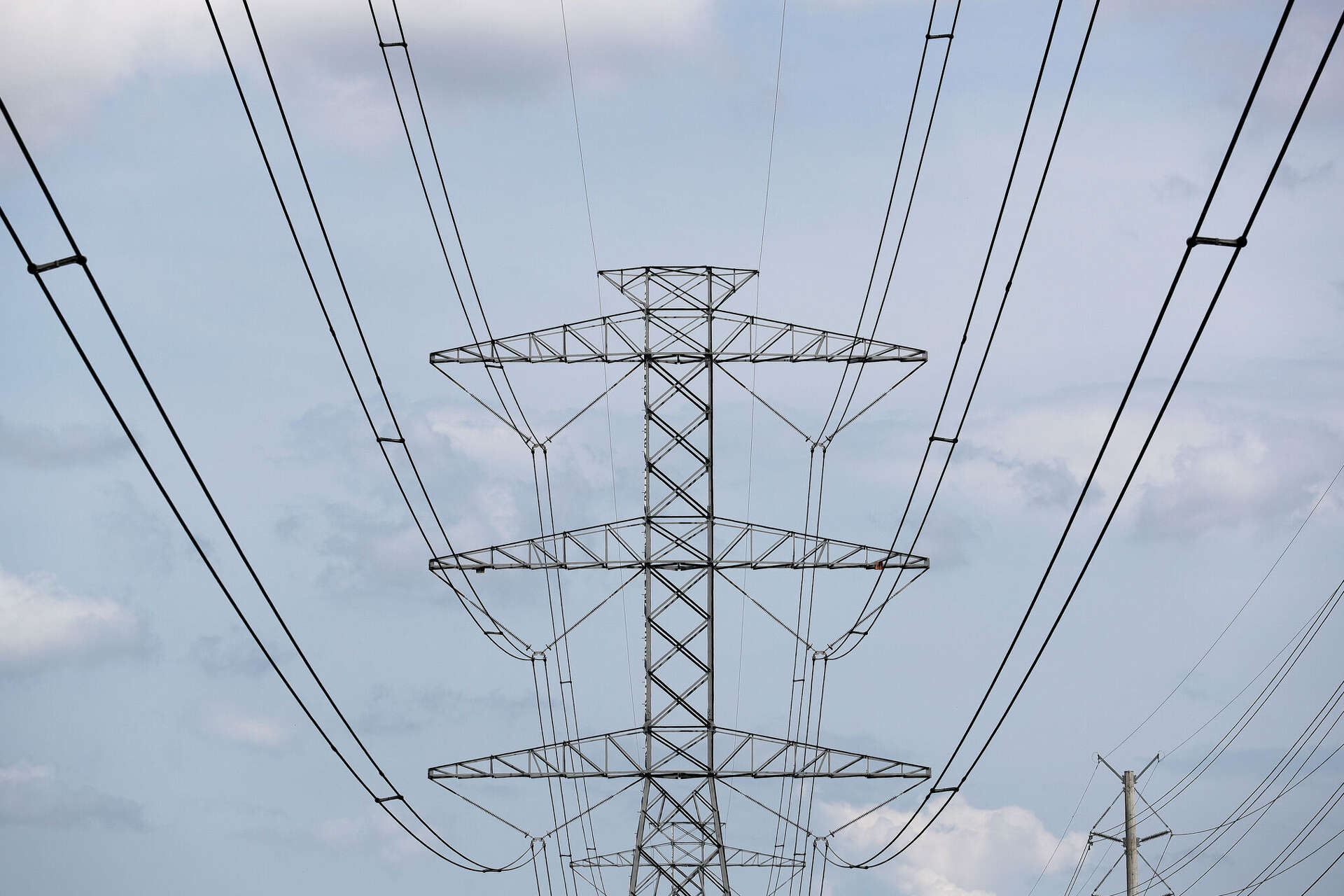
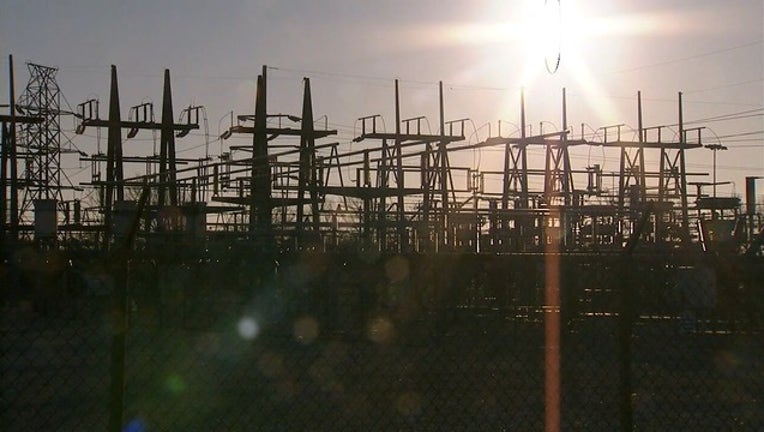
Critical Infrastructure Vulnerability Exposed: On January 25-27, 2026, the U.S. Department of Energy issued emergency orders directing PJM Interconnection (largest US grid operator) and ERCOT (Texas grid authority) to mandate data center backup generator activation during Winter Storm Fern, diverting power destined for cloud infrastructure to residential and essential services. Energy Secretary Chris Wright authorized the redirection of electrical supply from data-intensive facilities, with approximately 35 gigawatts of untapped backup generation capacity available nationwide. This represents a fundamental shift in grid management priorities that directly threatens e-commerce operations.
Operational Impact on E-Commerce Sellers: The emergency orders create cascading risks for sellers relying on cloud infrastructure. Amazon Web Services (AWS), Shopify, eBay, and other platforms operate data centers within PJM and ERCOT service territories. When grid operators invoke Section 202c of the Federal Power Act authority, data centers face mandatory load reduction requirements during peak demand periods—precisely when holiday shopping, flash sales, and seasonal events drive highest e-commerce traffic. Sellers experienced potential service degradation, slower page load times, checkout delays, and inventory synchronization failures. The precedent signals growing regulatory willingness to subordinate data-intensive industries to residential power security, establishing a new operational constraint for platform reliability.
Cost and Resilience Implications: Data center operators must activate backup generators during emergency declarations, increasing operational costs by 15-25% during affected periods. These costs typically flow downstream to platform users through service fees, storage charges, or reduced service quality. Sellers shipping from Texas (ERCOT region) face additional logistics disruptions—83,000+ Texans experienced power outages in east Texas, affecting warehouse operations, fulfillment centers, and last-mile delivery networks. The emergency order remains in effect through peak winter demand periods, creating recurring vulnerability windows. This incident accelerates industry discussions about geographic diversification of data center locations, distributed power generation, and energy storage solutions—factors that will influence platform infrastructure investments and seller service reliability over the next 12-24 months.
Strategic Seller Considerations: The authorization demonstrates regulatory precedent for emergency power rationing that prioritizes residential consumption over commercial operations. As data center demand grows due to AI expansion, cloud computing, and e-commerce scaling, grid operators face increasing pressure to balance technological infrastructure needs with household power security. Future emergency orders may become more frequent during winter peaks, creating seasonal operational risks. Sellers should monitor grid operator announcements, diversify platform dependencies, and evaluate 3PL providers with backup power infrastructure. The incident highlights vulnerabilities in concentrated data center geography and may accelerate platform investments in distributed infrastructure, potentially affecting seller service costs and reliability metrics over the coming years.
Questions 8
How does the 35 gigawatt backup generation capacity affect future grid emergencies?
The Department of Energy identified approximately **35 gigawatts of untapped backup generation capacity** across the country, suggesting future emergency orders will likely target data centers and industrial facilities before implementing rolling blackouts. This indicates regulators view data center load reduction as a primary grid stabilization tool. For sellers, this means emergency orders may become more frequent during winter peaks as climate volatility increases. The precedent suggests data centers will face recurring mandatory load reduction requirements, creating seasonal operational uncertainty. Sellers should expect 2-4 potential emergency periods annually during winter months and plan inventory, staffing, and promotional calendars accordingly to minimize exposure to service disruptions.
What should sellers do to prepare for future data center power emergencies?
**Immediate actions (0-30 days)**: Monitor PJM and ERCOT announcements for emergency declarations; review your platform's data center locations; identify backup communication channels with 3PL providers. **Strategic adjustments (1-6 months)**: Diversify inventory across multiple fulfillment networks in different grid regions; evaluate 3PL providers with backup power infrastructure; maintain 10-15% safety stock during Q4-Q1 peak seasons. **Risk mitigation**: Avoid scheduling major promotions or flash sales during winter peak demand windows (December-February); maintain manual order processing capabilities as backup; test inventory synchronization across multiple platforms. Consider geographic diversification of data center dependencies—sellers heavily reliant on single-region infrastructure face highest disruption risk during emergency orders.