

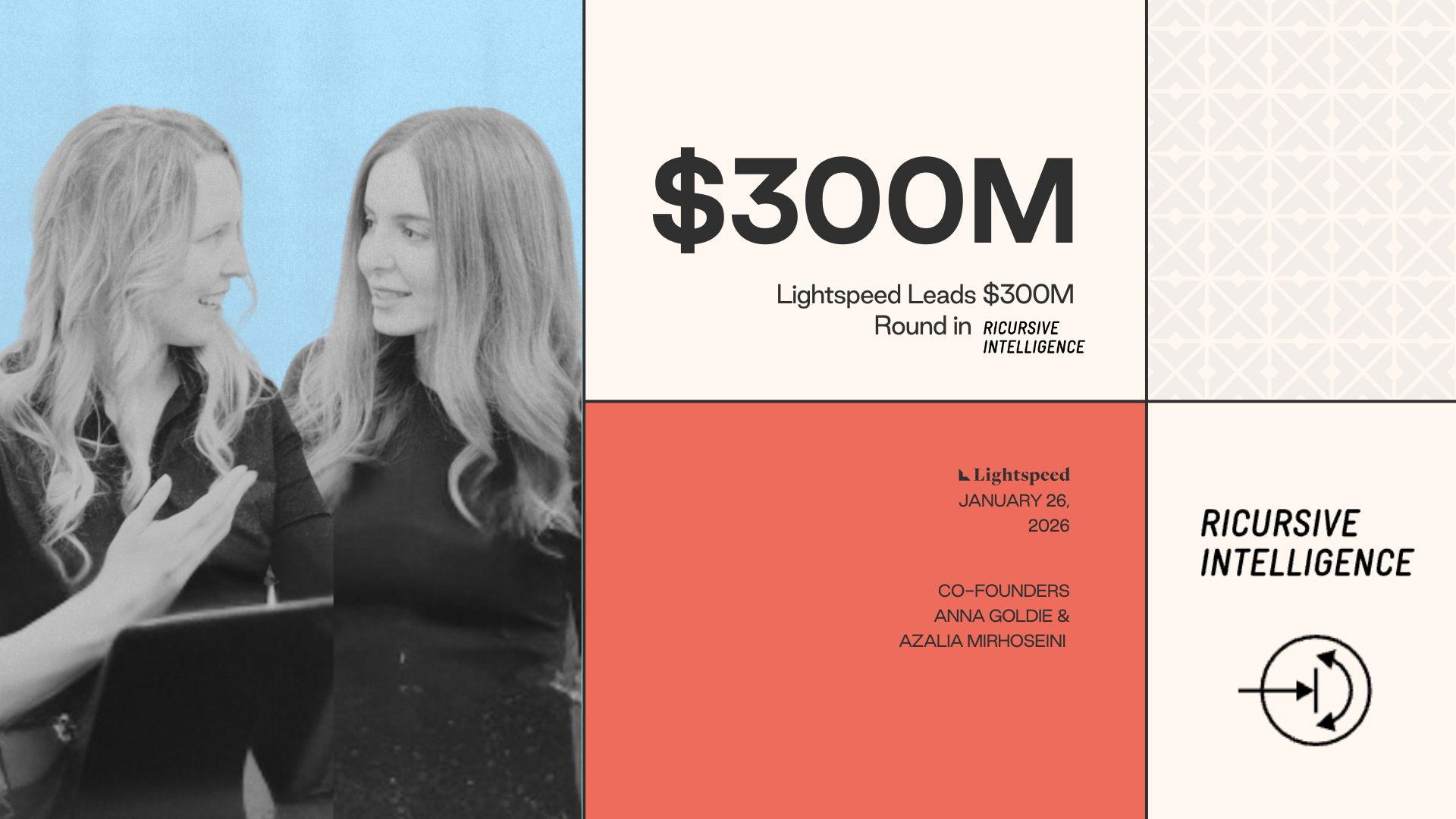

AI Chip Infrastructure Boom | $335M Ricursive Funding Signals Lower Costs for Seller Automation Tools
- Recursive AI chip design reduces computational costs 15-25% for e-commerce platforms; smaller sellers gain access to affordable demand forecasting and inventory automation by 2025-2026








Overview
Ricursive Intelligence's $4 billion valuation and $335 million funding round from Sequoia, Radical Ventures, Lightspeed, and DST Global represents a critical inflection point in AI infrastructure costs that will directly impact e-commerce seller economics. Founded by former Google researchers Anna Goldie and Azalia Mirhoseini, the Palo Alto startup has achieved unicorn status in under one year with fewer than 10 employees by developing AI systems that autonomously optimize semiconductor chip design—creating a recursive self-improvement loop where better chips enable better AI systems. This technological breakthrough addresses a fundamental bottleneck: computational costs for AI-powered e-commerce tools (product recommendation engines, demand forecasting, customer service automation, inventory optimization) currently consume 20-35% of platform operating budgets.
The immediate seller impact emerges through cloud computing cost reduction. As Ricursive's chip design optimization accelerates, AWS, Google Cloud, and Azure will deploy more efficient AI-optimized processors in their data centers. Industry analysis suggests this efficiency gain could reduce computational costs by 15-25% within 18-24 months. For mid-market sellers currently spending $500-2,000 monthly on AI-powered analytics tools, this translates to $75-500 in monthly savings—capital that can be redirected toward inventory expansion, marketing, or additional automation tools. Smaller sellers (under $100K annual revenue) who currently cannot afford sophisticated demand forecasting will gain access to affordable AI tools, creating competitive pressure on established sellers relying on manual inventory management.
The competitive landscape intensifies as multiple startups pursue identical recursive AI improvement methodologies. Ricursive competes directly with another company called Recursive (different spelling), both pursuing autonomous chip design optimization. This competition accelerates commercialization timelines—typically 3-5 years for semiconductor innovations compress to 18-24 months when multiple well-funded teams race toward identical solutions. For e-commerce sellers, this means AI tool pricing will decline faster than historical trends. The venture capital enthusiasm (despite acknowledged AI bubble warnings) indicates sustained belief in transformative potential, suggesting $2-3 billion in additional funding will flow into this sector over 2025-2026, further accelerating cost reductions.
Strategic implications for seller operations center on timing and tool selection. Sellers should begin evaluating AI-powered inventory management and demand forecasting tools NOW, as pricing will decline 20-30% within 12-18 months. Locking in long-term contracts at current rates creates risk; instead, sellers should adopt month-to-month SaaS arrangements for AI tools to capture cost reductions as they materialize. Amazon, Shopify, and eBay will integrate these cost savings into their platform fees and seller tools—expect Amazon to launch enhanced demand forecasting features powered by cheaper AI infrastructure by Q3 2025. Sellers in high-volume categories (electronics, apparel, home goods) will see the greatest benefit, as their larger data volumes justify AI investment and generate proportionally larger cost savings.
Questions 8
How does Ricursive's approach differ from traditional AI chip development?
Ricursive uses recursive self-improvement where AI systems autonomously optimize chip design, which in turn enables better AI systems—creating a continuous improvement loop without human intervention. Traditional semiconductor design requires teams of engineers spending 2-3 years optimizing each chip generation. Ricursive's approach compresses this timeline to 18-24 months and reduces human dependency in model creation and optimization. The company achieved $4 billion valuation in under one year with fewer than 10 employees, compared to traditional semiconductor startups requiring 50-200 engineers. This efficiency advantage translates to faster commercialization and lower development costs, ultimately reducing prices for e-commerce sellers adopting AI-powered tools.
What competitive risks should sellers monitor regarding AI chip development?
Multiple startups pursue identical recursive AI improvement methodologies, intensifying competition and accelerating commercialization but creating uncertainty about which technology will dominate. Ricursive competes directly with another company called Recursive (different spelling), both backed by major venture capital firms. This competition could fragment the market, with different cloud providers adopting different chip architectures—potentially creating compatibility issues for sellers using multi-cloud strategies. Financial analysts warn of an AI bubble, suggesting some funding may not convert to viable products. Sellers should monitor announcements from AWS, Google Cloud, and Azure regarding chip deployment timelines rather than betting on any single startup's success. Diversifying AI tool providers reduces dependency on any single infrastructure vendor.