
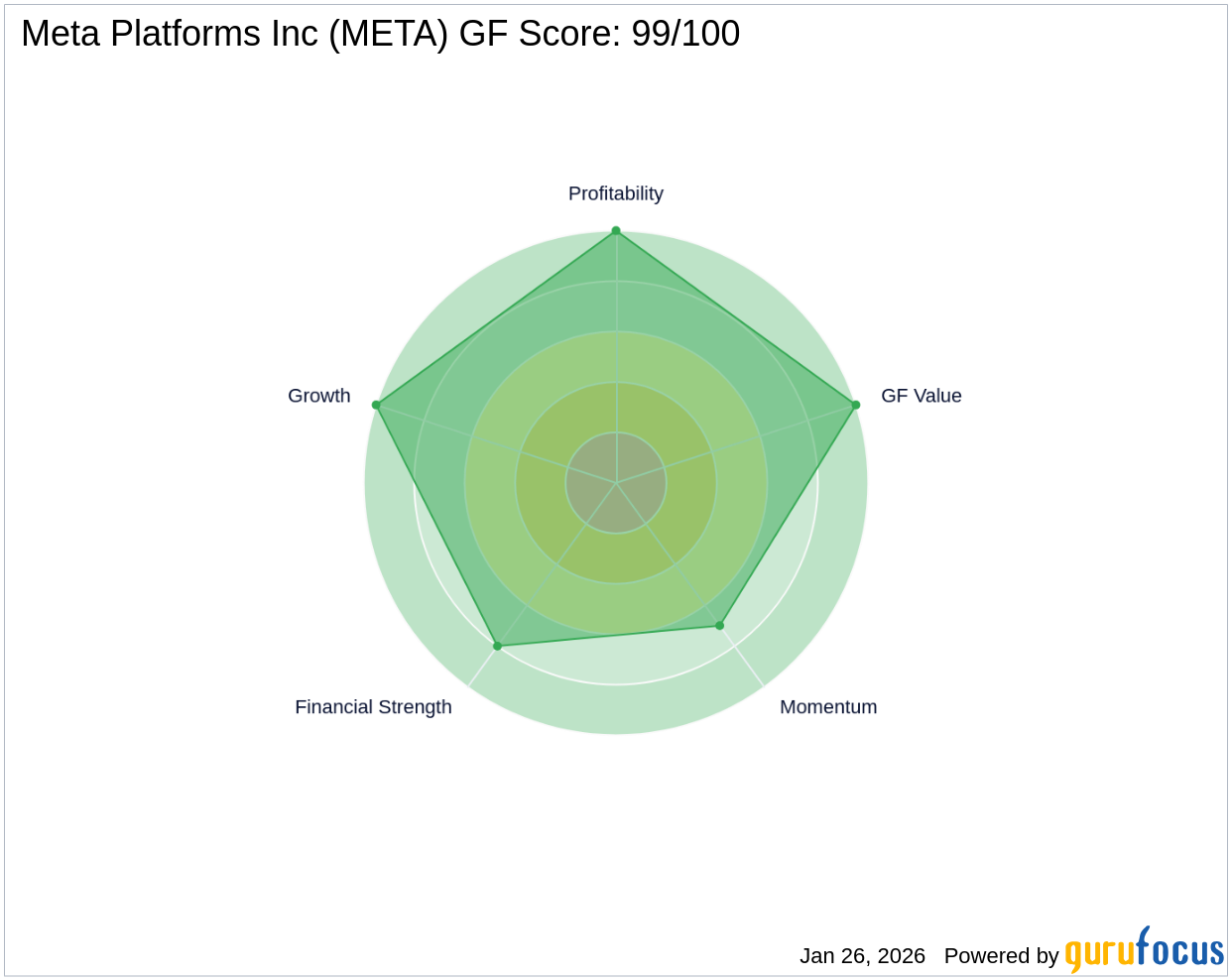




Meta's AI-Powered Advertising Engine Reshapes E-Commerce Marketing Costs | 2026 Outlook
- Meta's $117B AI infrastructure investment signals higher ad targeting precision, potentially increasing CPM costs 8-15% for sellers relying on Facebook/Instagram ads by Q2 2026















/Facebook-you've%20been%20Zucked%20by%20Annie%20Spratt%20via%20Unsplash.jpg)







Overview
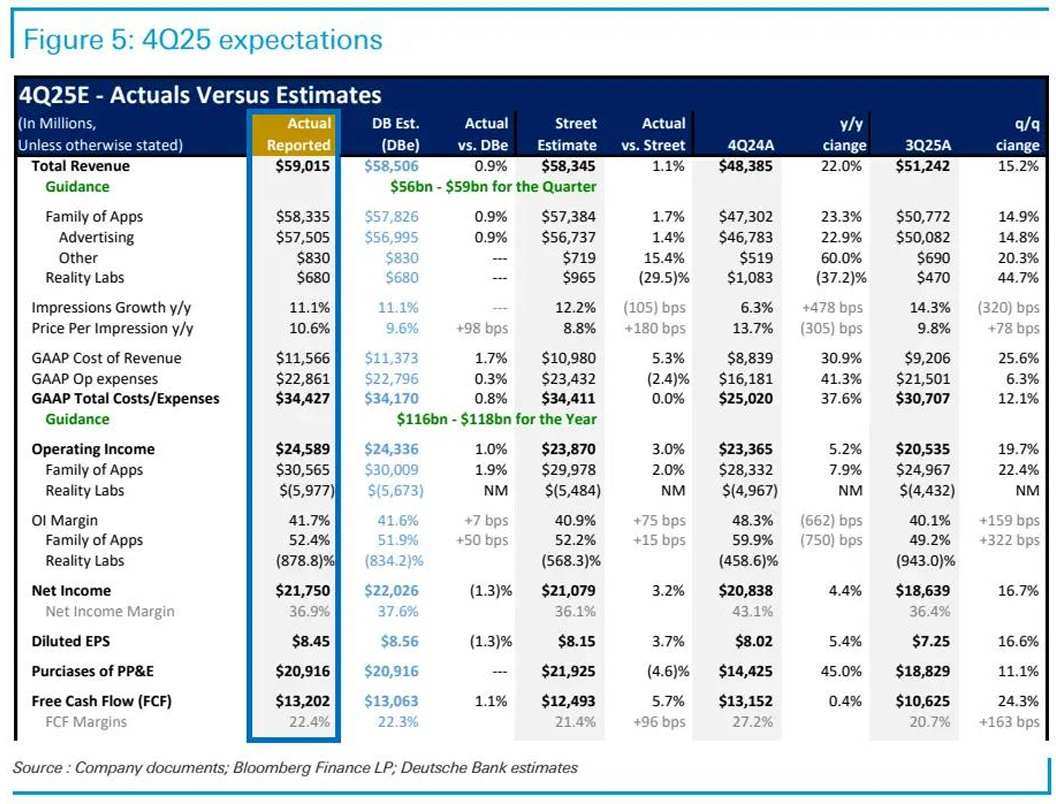
Meta Platforms faces a critical inflection point as aggressive AI infrastructure investments reshape the advertising landscape for 15 million advertisers, including cross-border e-commerce sellers. Bank of America projects Meta's Q4 2024 revenue at $59.2 billion (vs. $58.3B consensus) with Q1 2026 revenue of $52.3 billion, reflecting strong underlying business fundamentals despite $117 billion in projected 2026 capital expenditures. Analyst James Cordwell upgraded Meta to buy on January 26, 2026, citing the company's "demand machine"—an AI-driven advertising engine using proprietary systems like Andromeda and Lattice that analyze complete user behavior sequences for superior ad targeting accuracy compared to traditional tracking methods. This represents a fundamental shift from direct user tracking to AI-powered prediction models, with Meta controlling only one-third of the addressable non-search advertising market and substantial expansion opportunities across Instagram, WhatsApp, and Messenger platforms.
For e-commerce sellers, Meta's AI strategy creates both opportunities and cost pressures. The company projects 18% annual revenue growth through 2028, driven by the "demand machine" delivering higher-quality ad placements with improved conversion rates. However, this efficiency comes at a price: Meta's massive CapEx commitment ($109-114 billion for 2026, up from $70-72 billion in 2025) will likely be monetized through higher advertising costs. Sellers should anticipate CPM (cost-per-thousand impressions) increases of 8-15% as Meta's AI systems command premium pricing for superior targeting. The company's acquisition of AI startup Manus signals expansion into small business automation, with a $150 billion market opportunity for customer service and logistics automation targeting Meta's advertiser base. This creates a dual dynamic: sellers gain access to more precise audience targeting, but at elevated costs that compress margins for price-sensitive categories (electronics, apparel, home goods).
Strategic implications for cross-border sellers are substantial. Meta's 10% workforce reduction in Reality Labs and reallocation toward AI infrastructure indicates management's commitment to profitability despite spending concerns. The company's forward P/E ratio of 22.85 and 21.27% year-over-year revenue growth demonstrate underlying business strength. For sellers, this means Meta's advertising platforms will likely remain dominant channels for customer acquisition through 2026-2027, but budget allocation strategies must account for rising costs. Sellers currently spending $5,000-20,000 monthly on Meta ads should model 10-12% cost increases by mid-2026. The shift toward AI-powered prediction models also means traditional audience segmentation strategies may become less effective; sellers must adapt to Meta's algorithmic recommendations rather than manual targeting. Additionally, Meta's expansion into WhatsApp and Messenger advertising creates new channel opportunities for sellers willing to test emerging platforms, potentially offering lower CPMs during early adoption phases before competition intensifies.
Questions 8
How will Meta's $117 billion AI investment affect my advertising costs in 2026?
Meta's massive capital expenditure on AI infrastructure will likely increase advertising costs by 8-15% through 2026 as the company monetizes superior targeting capabilities. Bank of America projects Meta's Q4 2024 revenue at $59.2 billion with continued growth momentum, indicating strong advertiser demand that supports price increases. The company's 'demand machine' using Andromeda and Lattice systems delivers higher-quality ad placements, justifying premium pricing. Sellers currently spending $10,000 monthly should budget for $1,000-1,500 additional monthly costs by Q2 2026. Monitor Meta's Q4 earnings call on January 28, 2025, for specific guidance on advertising product pricing changes.
What are the risks to Meta's advertising business from regulatory challenges?
Meta faces multiple legal and regulatory headwinds that could impact advertising platform stability. Chinese regulators are investigating the Manus acquisition for violations of technology export, national security, currency flow, and tax accounting regulations. Additionally, Meta faces patent infringement lawsuits from Solos Technology regarding smartglasses and privacy allegations regarding WhatsApp's security claims. These challenges create uncertainty around platform features and international expansion. For sellers, regulatory risks are moderate in the near term (2025-2026) but could escalate if Chinese restrictions expand or privacy regulations tighten. Maintain flexibility in advertising strategy and avoid over-dependence on emerging features like WhatsApp ads until regulatory clarity improves. Monitor Meta's quarterly earnings calls for updates on legal proceedings and regulatory developments.