


Gaming Industry Restructuring Signals Shift in Digital Entertainment Marketplace Demand
- Ubisoft's 200-job Paris cuts and 6 game cancellations reflect broader gaming market contraction affecting digital product sellers and merchandise opportunities















Overview
Ubisoft's major restructuring—eliminating 200 positions (18% of Paris headquarters) and canceling six games—signals a critical inflection point in the digital entertainment market that directly impacts cross-border e-commerce sellers. The company's €200 million cost-reduction initiative, combined with a 40% stock decline and 95% drop from January 2021 peaks, reflects weakening consumer demand for premium gaming titles. This creates both risks and opportunities for sellers across multiple categories: gaming merchandise, digital collectibles, and entertainment-adjacent products.
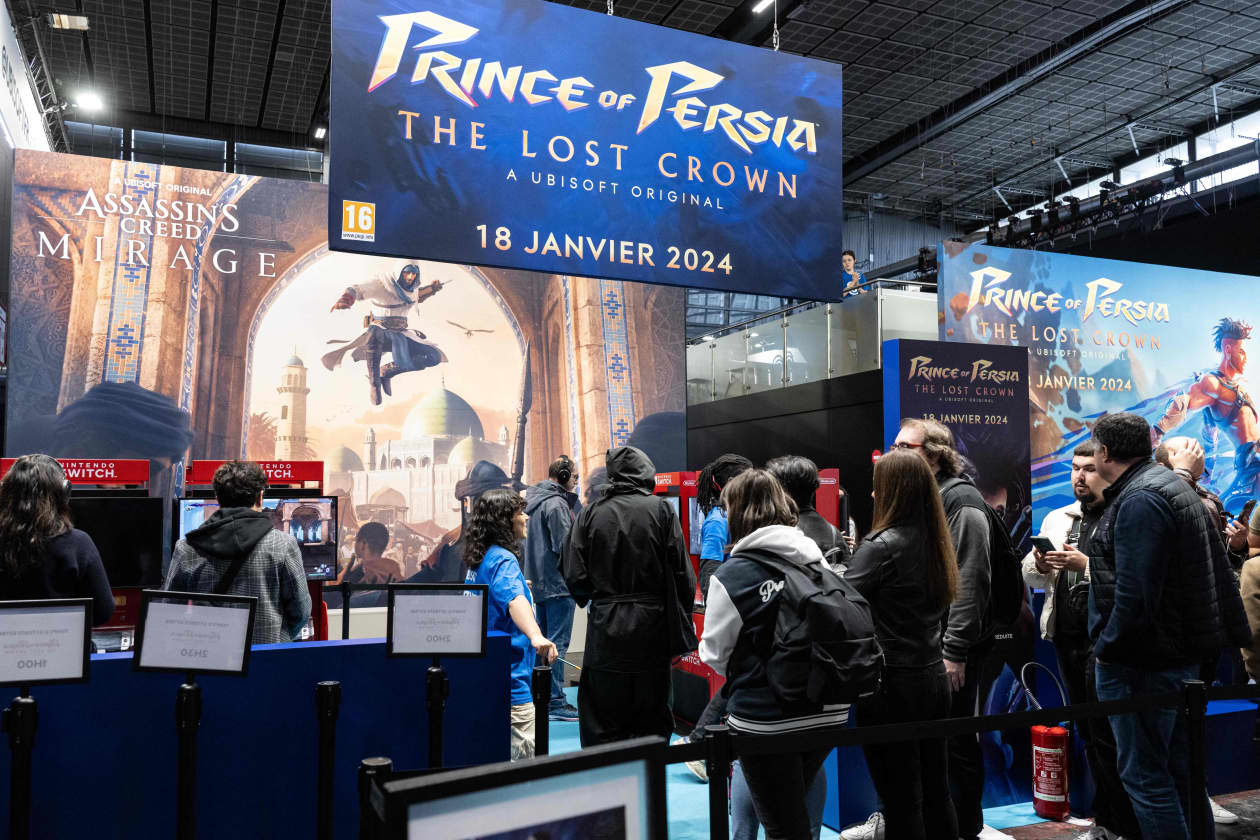
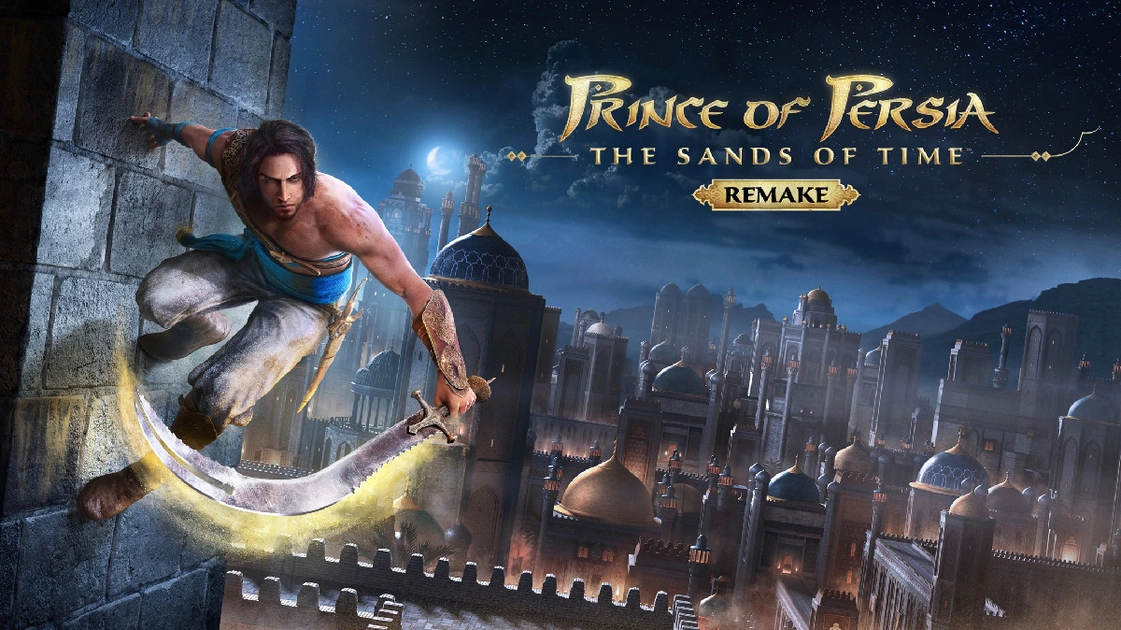
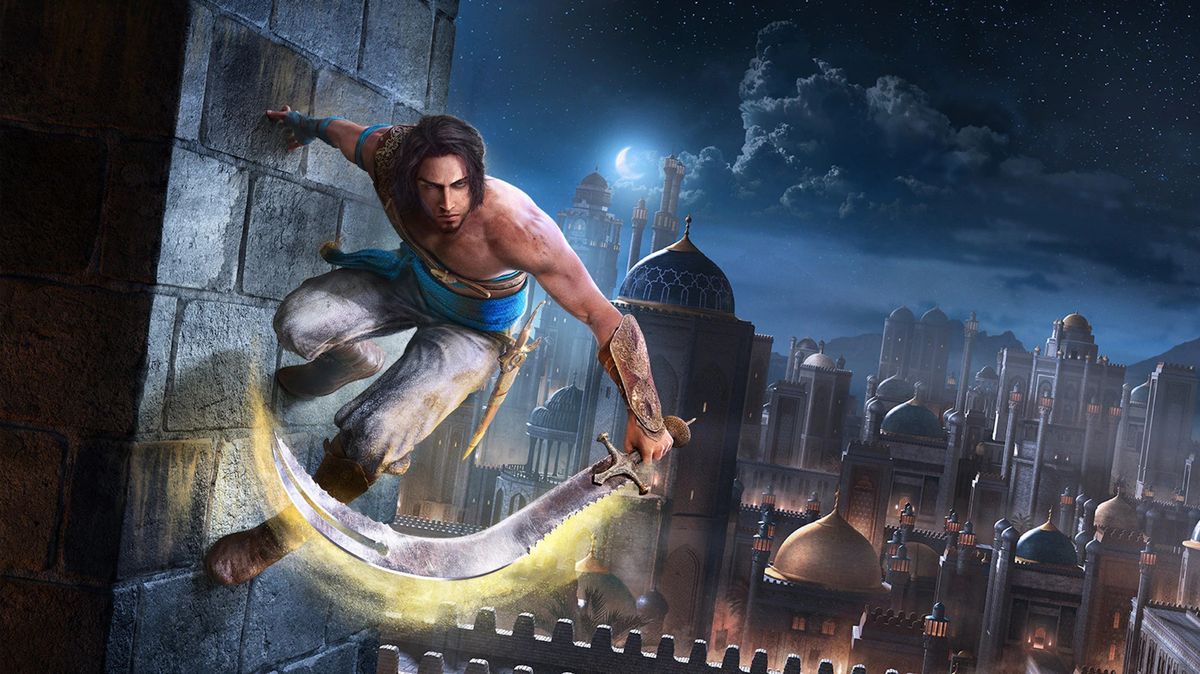
The operational impact extends beyond Ubisoft's internal restructuring. The cancellation of high-profile titles like Prince of Persia: Sands of Time remake and delays to seven games (including suspected Assassin's Creed: Black Flag remaster) reduce the pipeline of licensed merchandise opportunities that typically drive seasonal sales spikes. Historically, major game launches generate 30-50% sales increases in related merchandise categories (action figures, apparel, collectibles) during launch windows. With six canceled titles and seven delayed releases, sellers relying on game-driven merchandise cycles face 6-12 month revenue gaps. The mandatory return-to-office policy and union resistance (Solidaires Informatique's threatened industrial action) also signal potential supply chain disruptions in European game development, affecting localization timelines and merchandise production schedules.
For cross-border sellers, this restructuring reveals critical market intelligence about consumer spending patterns. The shift toward five "creative houses" managing specific franchises suggests Ubisoft is consolidating around proven IP (Assassin's Creed, Far Cry, Rainbow Six) while abandoning experimental titles. This concentration strategy indicates consumers are increasingly selective about premium gaming purchases—a trend affecting digital product marketplaces like Steam, Epic Games Store, and console platforms. Sellers should monitor which franchises receive continued investment, as these will drive merchandise demand through 2025-2026. The stock's 95% decline from peak also signals investor concerns about the entire AAA gaming sector's profitability, potentially affecting venture funding for indie game studios and digital content creators who supply niche merchandise to Amazon, eBay, and Etsy.
Strategic implications for sellers include inventory reallocation and category diversification. Gaming merchandise sellers should reduce exposure to speculative titles and focus on established franchises with confirmed release schedules. The Paris headquarters cuts may also accelerate outsourcing of localization and customer support to lower-cost regions, potentially creating opportunities for sellers offering European language support services or regional fulfillment solutions. Additionally, the broader industry pressure on gaming companies to reduce overhead costs mirrors trends affecting other entertainment sectors—suggesting sellers should prepare for similar restructuring announcements from competitors like EA, Activision Blizzard, and Take-Two Interactive.
Questions 8
Which e-commerce platforms should sellers prioritize for gaming merchandise during this transition?
During industry restructuring, seller success depends on platform choice. Amazon remains dominant for mainstream gaming merchandise (apparel, collectibles) with 40%+ market share, but inventory turnover slows during reduced game launch periods. eBay performs better for niche/collectible merchandise where enthusiasts pay premium prices despite lower volume. Etsy excels for handmade gaming merchandise and fan-created content, which benefits from reduced official merchandise availability. Shopify direct-to-consumer stores become increasingly important as sellers build brand loyalty independent of platform algorithm changes. Allocate inventory: 50% Amazon (core franchises), 25% eBay (collectibles/niche), 15% Etsy (handmade/fan content), 10% Shopify (brand building). Monitor platform fee changes and adjust allocation quarterly based on margin performance.
How does the mandatory return-to-office policy affect merchandise production timelines?
Ubisoft's mandatory five-day office return policy, combined with union resistance and threatened industrial action, increases operational friction in game development and related merchandise production. Remote work enabled faster iteration cycles; forced office returns typically reduce productivity 10-15% during transition periods. This affects merchandise production timelines, particularly for localized packaging and regional variants. Sellers should expect 2-4 week delays in merchandise availability compared to historical patterns. Build extended lead times into inventory planning (12-16 weeks instead of 8-12 weeks) and communicate with suppliers about potential delays. Consider pre-ordering merchandise earlier in development cycles to secure allocation before supply constraints tighten. Monitor Ubisoft's internal communications for office transition completion dates to anticipate when production normalizes.