
Myanmar Sanctions Evasion Signals Supply Chain Risk | Cross-Border Sellers
- 69% surge in aviation fuel imports reveals shadow logistics networks affecting regional trade corridors and compliance requirements for sellers operating in Southeast Asia















Overview
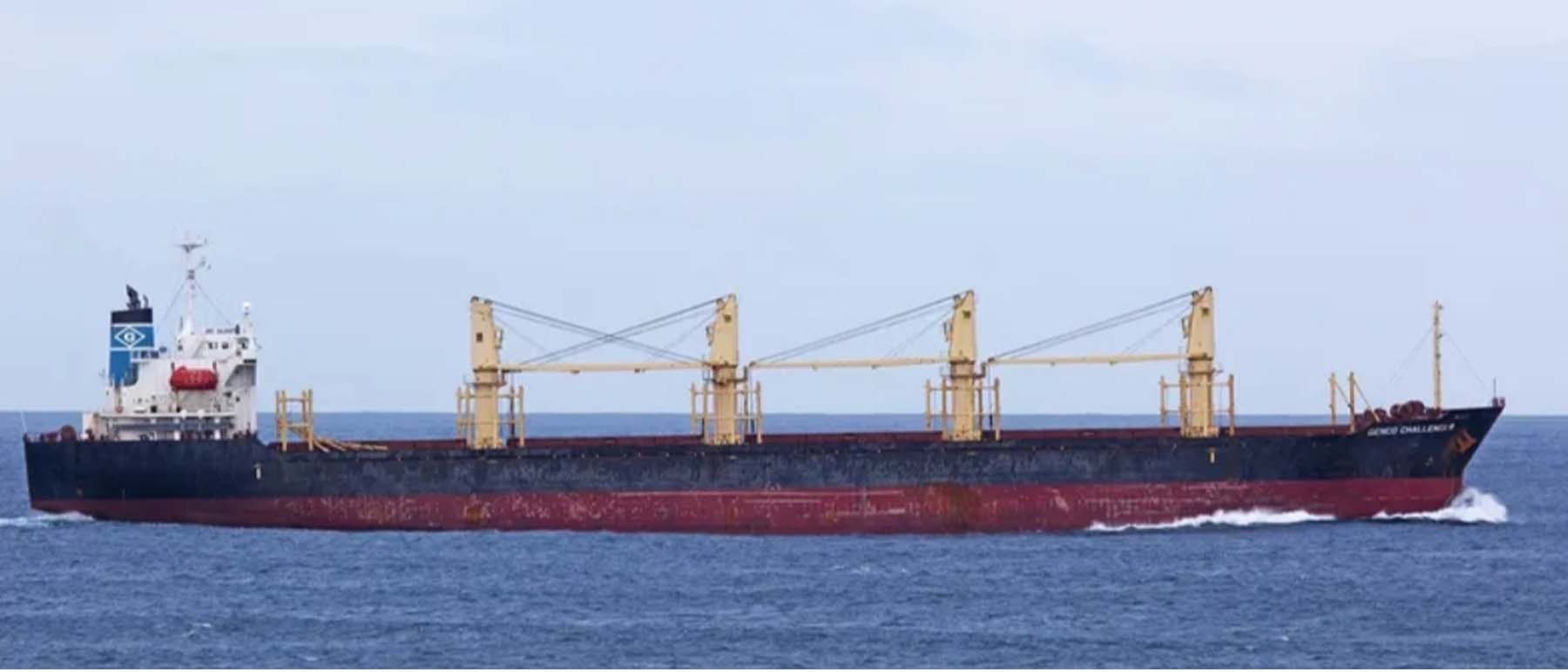
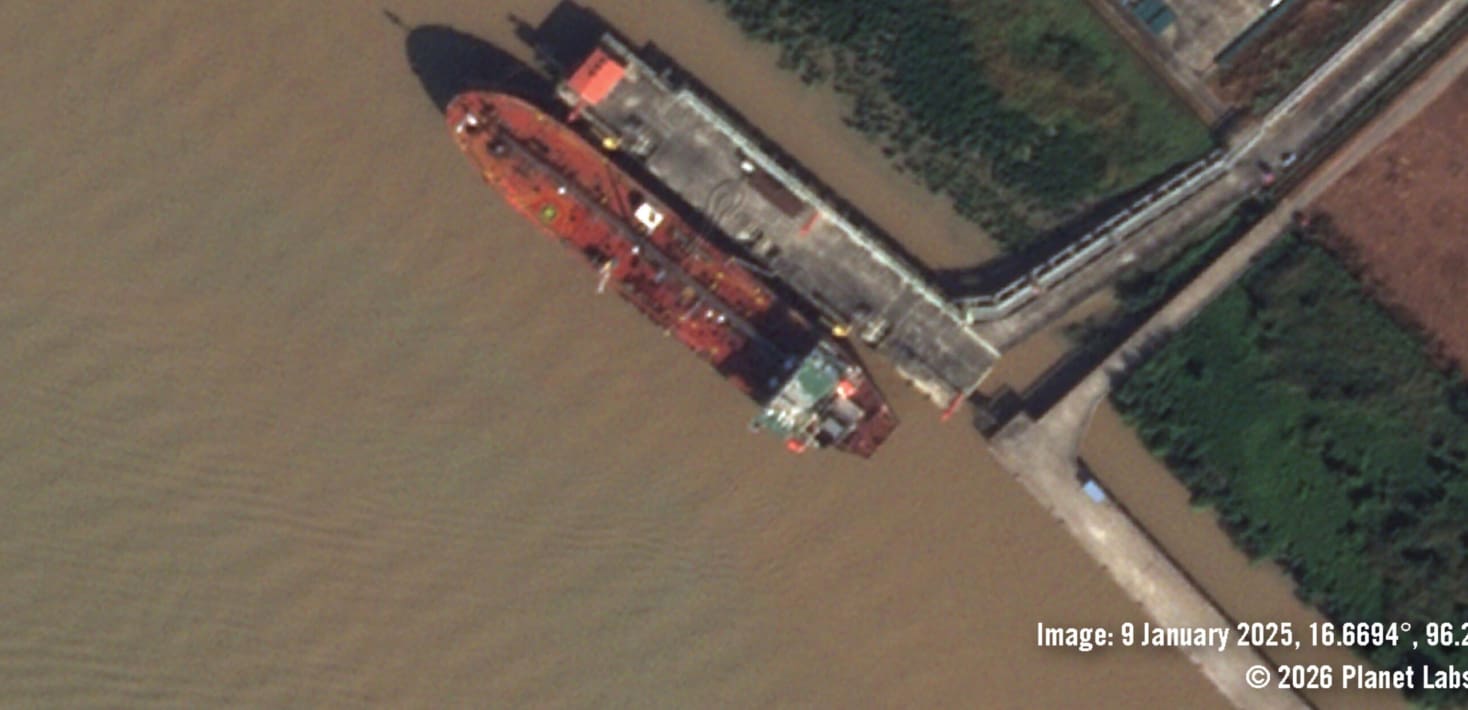
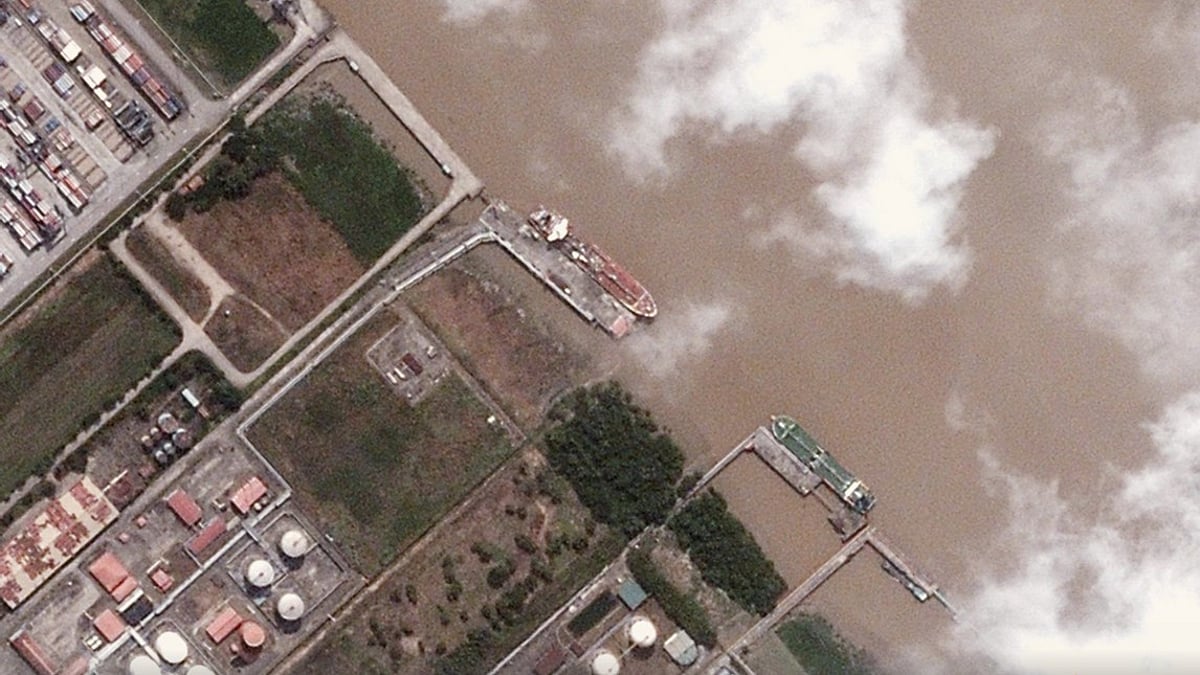
The Amnesty International investigation into Iran-linked shadow tanker networks supplying Myanmar's military junta reveals critical supply chain vulnerabilities that directly impact cross-border e-commerce sellers operating in Southeast Asia. Myanmar's aviation fuel imports surged 69% year-over-year to 109,604 tonnes in 2025—the highest since the 2021 coup—demonstrating how sanctions evasion tactics (AIS spoofing, offshore transfers, vessel renaming) create operational risks for legitimate sellers. Four core tankers (Huitong 78/Baraawe 1, Yong Sheng 56/LS Mercury, Reef, Noble) executed deliveries through Yangon while going dark on tracking systems, mirroring tactics used by Russian and North Korean sanctions busters.
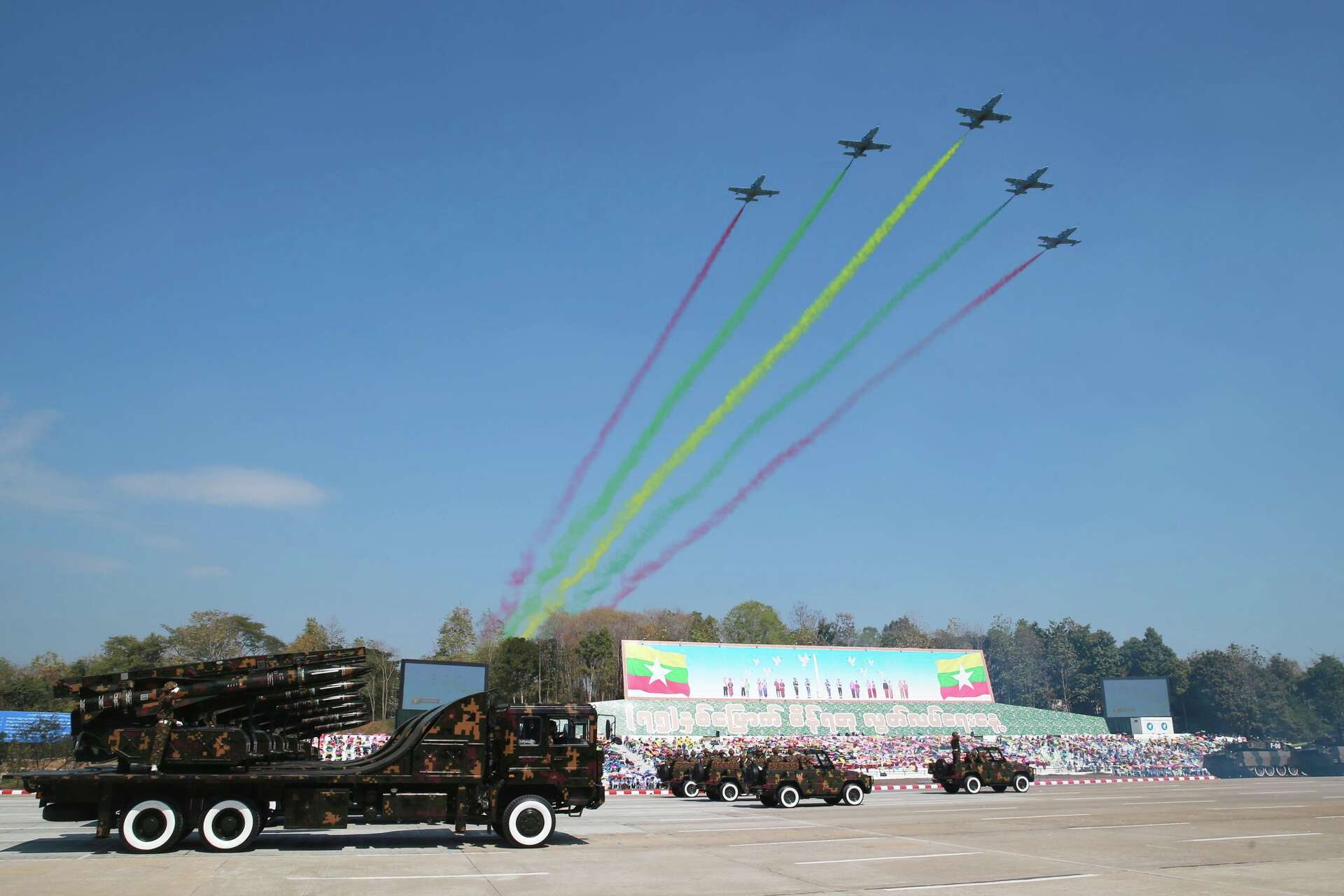
For cross-border sellers, this signals three critical risks: First, supply chain transparency requirements are tightening. Sellers sourcing from or shipping through Myanmar, Thailand, and broader Southeast Asia face heightened customs scrutiny and compliance audits. The 2025 aerial conflict escalation (deadliest year on record) creates logistics disruptions—port congestion, flight delays, and insurance premium increases affecting fulfillment timelines. Second, vendor due diligence obligations are expanding. Platforms like Amazon, eBay, and Shopify increasingly require sellers to verify supply chain origins and demonstrate sanctions compliance. Sellers with suppliers in Myanmar or Iran-adjacent regions face account suspension risks if unable to prove legitimate sourcing. Third, tariff and trade corridor shifts are accelerating. As Western sanctions tighten on Myanmar's economy, alternative sourcing routes through Vietnam, Thailand, and Indonesia become more attractive—but require new compliance certifications and longer lead times.
Operational impact for seller segments: Small sellers (under $500K annual revenue) sourcing electronics, textiles, or machinery components from Myanmar face 15-25% cost increases due to longer supply chains and compliance documentation. Mid-market sellers (FBA-focused) must update supplier questionnaires and implement sanctions screening tools ($2,000-5,000 annually). Large sellers with established 3PL networks in Southeast Asia should audit logistics partners for Myanmar exposure and diversify to alternative hubs. The investigation's revelation of spoofed vessel tracking systems underscores that traditional supply chain visibility tools are insufficient—sellers must implement blockchain-based or satellite-verified sourcing documentation to maintain platform compliance and avoid account restrictions.
Questions 8
How should large sellers with established Southeast Asia 3PL networks respond to this investigation?
Large sellers should conduct immediate 3PL audits focusing on Myanmar exposure. Verify that logistics partners have no direct Myanmar operations or Iran-linked vessel relationships. Request compliance certifications from 3PLs confirming sanctions screening and AIS tracking verification. Diversify warehouse locations: maintain primary hubs in Singapore, Bangkok, and Ho Chi Minh City; reduce Myanmar exposure to <5% of total volume. Budget $10,000-25,000 for compliance audits and 3PL contract amendments. Timeline: complete audits by end of Q1 2025. Consider implementing blockchain-based supply chain tracking for high-value categories (electronics, luxury goods) to exceed platform compliance minimums and differentiate from competitors.
What tariff and trade corridor shifts should sellers anticipate from Myanmar sanctions tightening?
Myanmar's economic isolation is accelerating tariff reductions for Vietnam, Thailand, and Indonesia under ASEAN trade agreements. Vietnam benefits from CPTPP tariff advantages (0-5% vs. 10-15% for Myanmar goods). Thailand's machinery imports see 8-12% tariff reductions under RCEP. Indonesia's raw material exports gain preferential access. Sellers should audit current tariff classifications (HS codes) for sourcing alternatives—a 5-10% tariff reduction can improve margins 3-8% depending on category. Effective dates: RCEP benefits active through 2025; CPTPP advantages ongoing. Sellers should model tariff scenarios for top 10 SKUs and shift sourcing by Q2 2025 to capture benefits.