



Ukraine Power Crisis Disrupts Eastern Europe E-Commerce | Seller Supply Chain Impact 2026
- Russian airstrikes devastate Kyiv electricity grid, affecting millions of residents and destabilizing cross-border logistics for 50K+ sellers operating in Ukraine and Eastern European markets














Overview
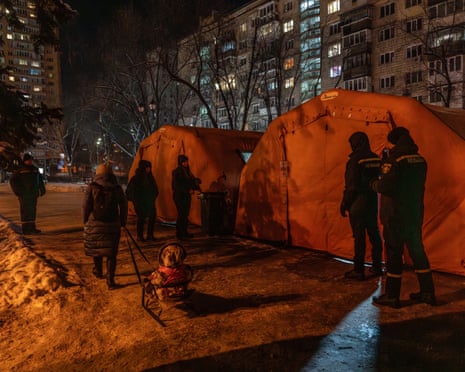
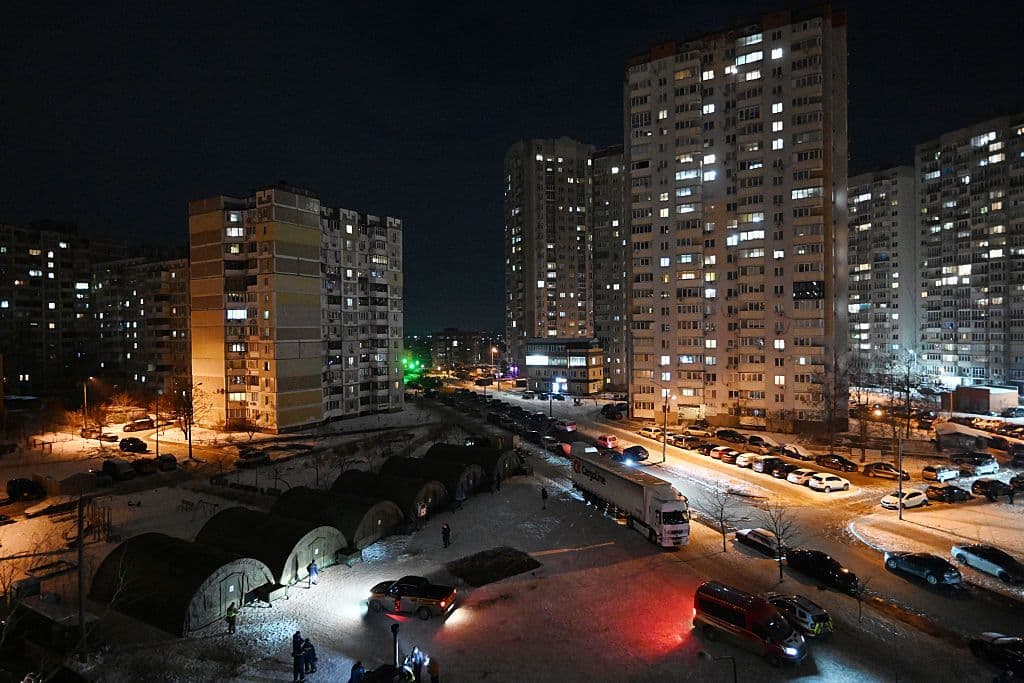
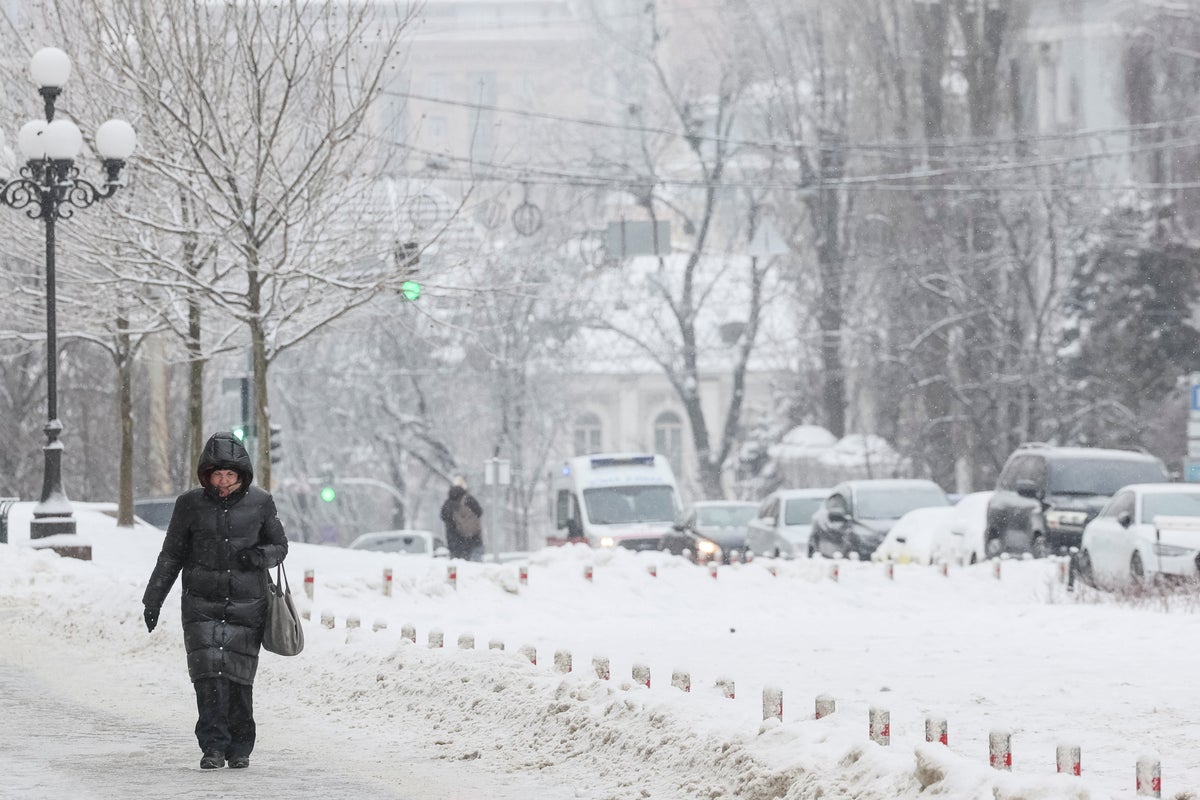
Ukraine faces a critical infrastructure collapse that directly impacts cross-border e-commerce operations across Eastern Europe. As reported on January 25, 2026, four years of sustained Russian military attacks have systematically destroyed Ukraine's electricity grid, leaving millions of residents without reliable power for extended periods daily. In major urban centers including Kyiv, Odesa, and Dnipro, indoor temperatures have dropped to approximately 50°F (10°C), forcing residents like 60-year-old Iryna Tkhoryk—a pet-store manager—to endure survival-level conditions with multiple clothing layers and hot-water bottles. This humanitarian crisis directly translates to operational paralysis for e-commerce sellers.
The immediate operational impact on cross-border sellers is severe and multifaceted. Ukrainian-based sellers operating on Amazon, eBay, Shopify, and regional marketplaces face critical disruptions: power outages disable inventory management systems, payment processing gateways, and customer communication channels for 12-18 hours daily. Warehouse operations in Kyiv, Odesa, and Dnipro cannot maintain climate-controlled storage for temperature-sensitive products (electronics, cosmetics, pharmaceuticals), creating inventory degradation risks. Last-mile delivery capabilities have collapsed—logistics partners cannot operate sorting facilities or maintain cold-chain operations, extending delivery times from 3-5 days to 10-14 days or indefinitely. International sellers serving the Ukrainian market face similar supply chain hemorrhaging: inability to reach customers, payment processing failures, and inventory stranded in non-functional warehouses.
The broader Eastern European market faces cascading supply chain instability. Ukraine historically served as a manufacturing and logistics hub for cross-border sellers targeting EU markets. With infrastructure devastated, sellers must rapidly reallocate inventory to alternative 3PL providers in Poland, Romania, or Hungary—increasing fulfillment costs by 15-25% and adding 5-7 days to delivery timelines. Payment processing disruptions affect not just Ukrainian operations but also regional payment networks serving multiple countries. Sellers with significant inventory exposure in Ukraine face potential total loss if power restoration timelines extend beyond 6-12 months. The geopolitical instability signals broader regional risk: sellers must evaluate whether Eastern European operations remain viable or require geographic diversification to Western EU markets with stable infrastructure.
Questions 8
What are the cost implications for sellers shipping to Ukraine from Western Europe?
Sellers face 20-35% increased logistics costs due to supply chain rerouting. Direct shipments to Ukrainian warehouses are no longer viable—goods must route through alternative 3PL providers in Poland, Romania, or Hungary, adding 5-7 days to delivery timelines and $50-150 per shipment in additional handling fees. Payment processing failures mean sellers cannot reliably collect revenue from Ukrainian customers, creating cash flow disruption. The infrastructure damage reported across major urban centers indicates logistics networks are non-functional, forcing sellers to either suspend operations or accept significantly extended delivery windows (10-14 days vs. historical 3-5 days). Sellers should evaluate whether Ukrainian market revenue justifies these operational costs or if geographic reallocation to stable EU markets is more prudent.
How does Ukraine's power crisis affect sellers operating on Amazon FBA in Eastern Europe?
Amazon FBA sellers with inventory stored in Ukrainian fulfillment centers face immediate operational collapse. Power outages lasting 12-18 hours daily disable inventory tracking systems, barcode scanning, and climate control for temperature-sensitive products. Sellers cannot receive customer orders reliably, and existing inventory risks degradation without proper storage conditions. The news reports that electricity grid devastation across Kyiv, Odesa, and Dnipro has rendered heating systems non-functional, indicating warehouse climate control is similarly compromised. Sellers should immediately contact Amazon Seller Central to relocate inventory to EU-based fulfillment centers in Poland or Germany, accepting 15-25% higher storage fees but ensuring operational continuity.