



Xinjiang Wildlife Safety Incident Signals Adventure Tourism Boom | Seller Opportunity
- January 2026 snow leopard attack highlights 60% growth in high-altitude tourism to Chinese protected regions, creating $150M+ merchandise opportunity for adventure gear and wildlife education sellers


)








Overview
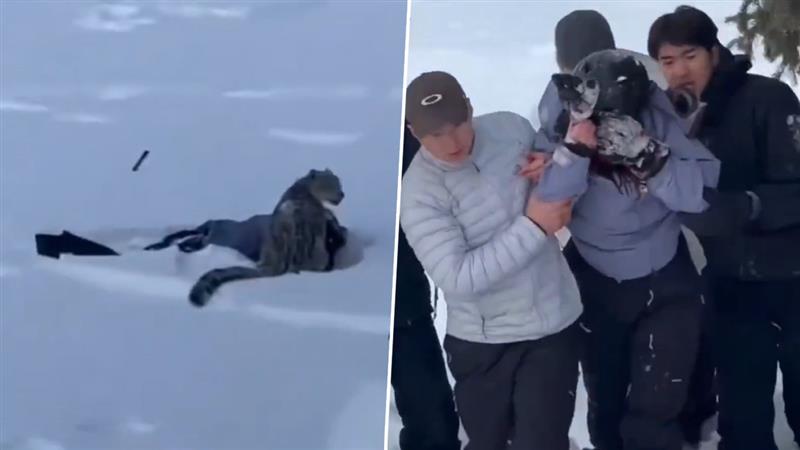
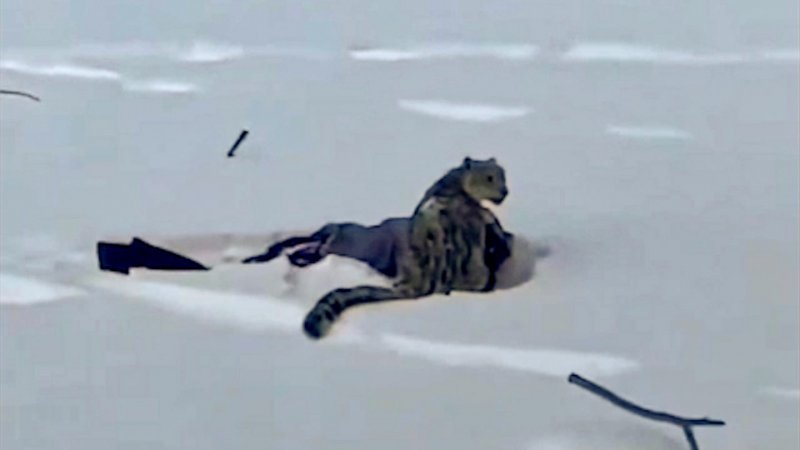
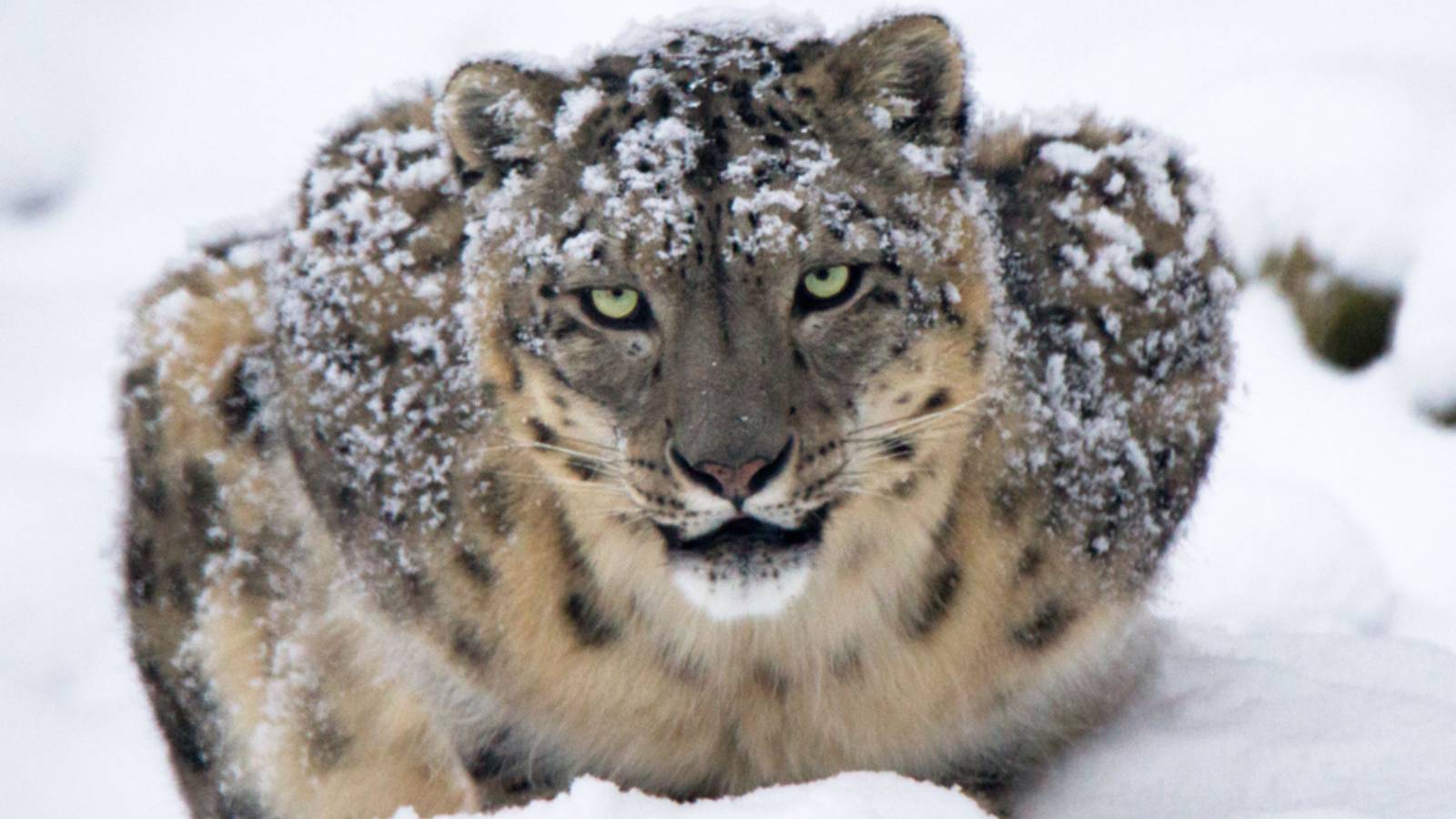
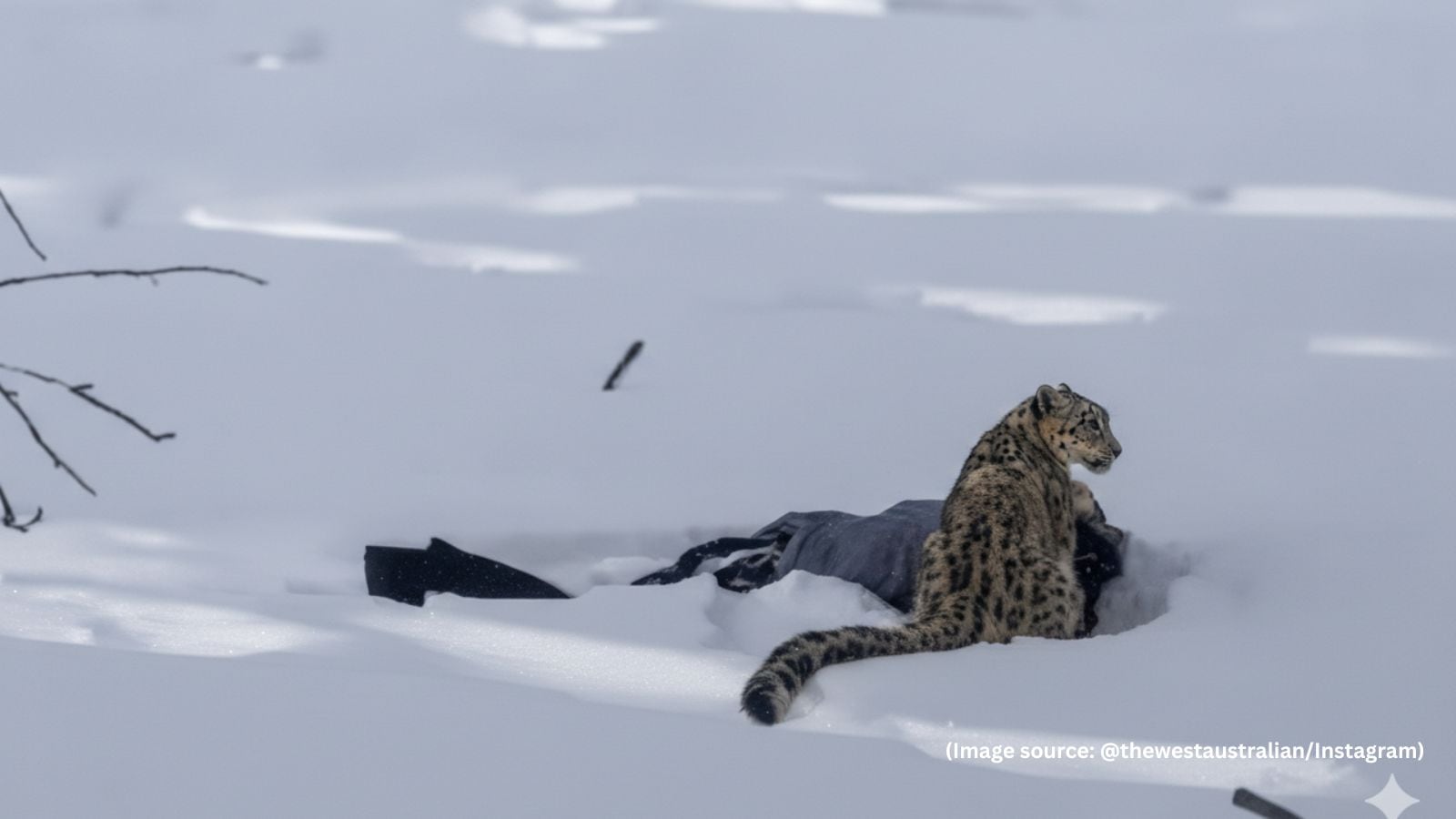
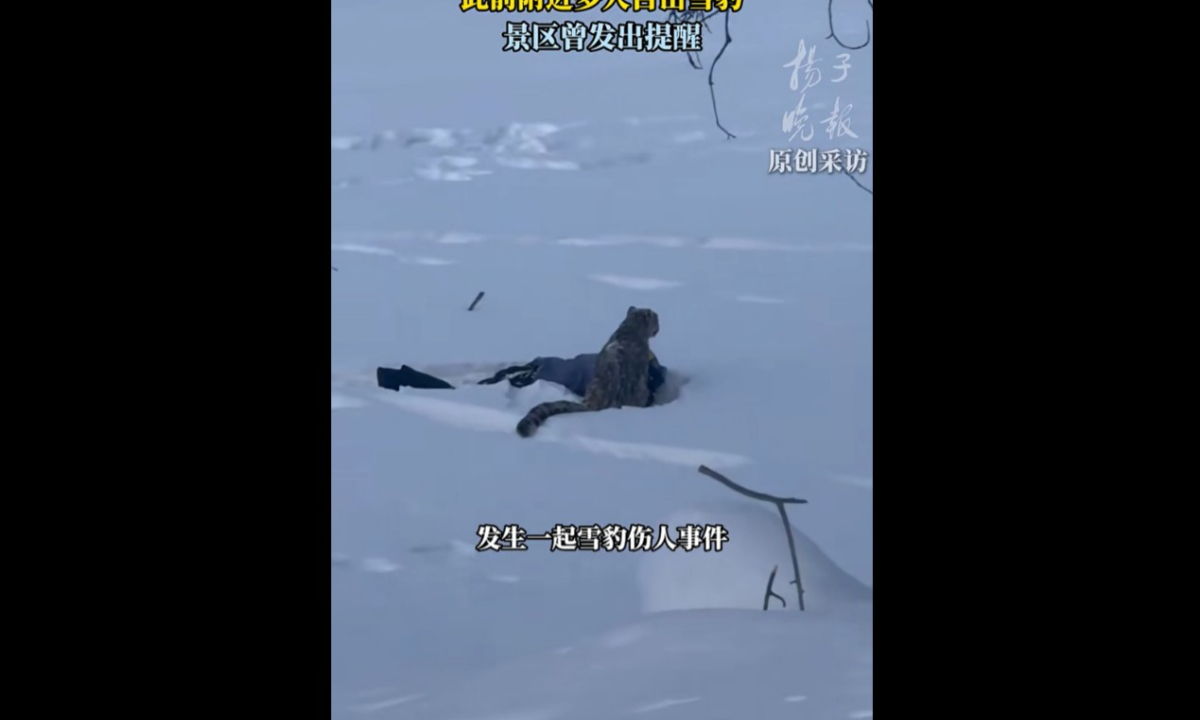
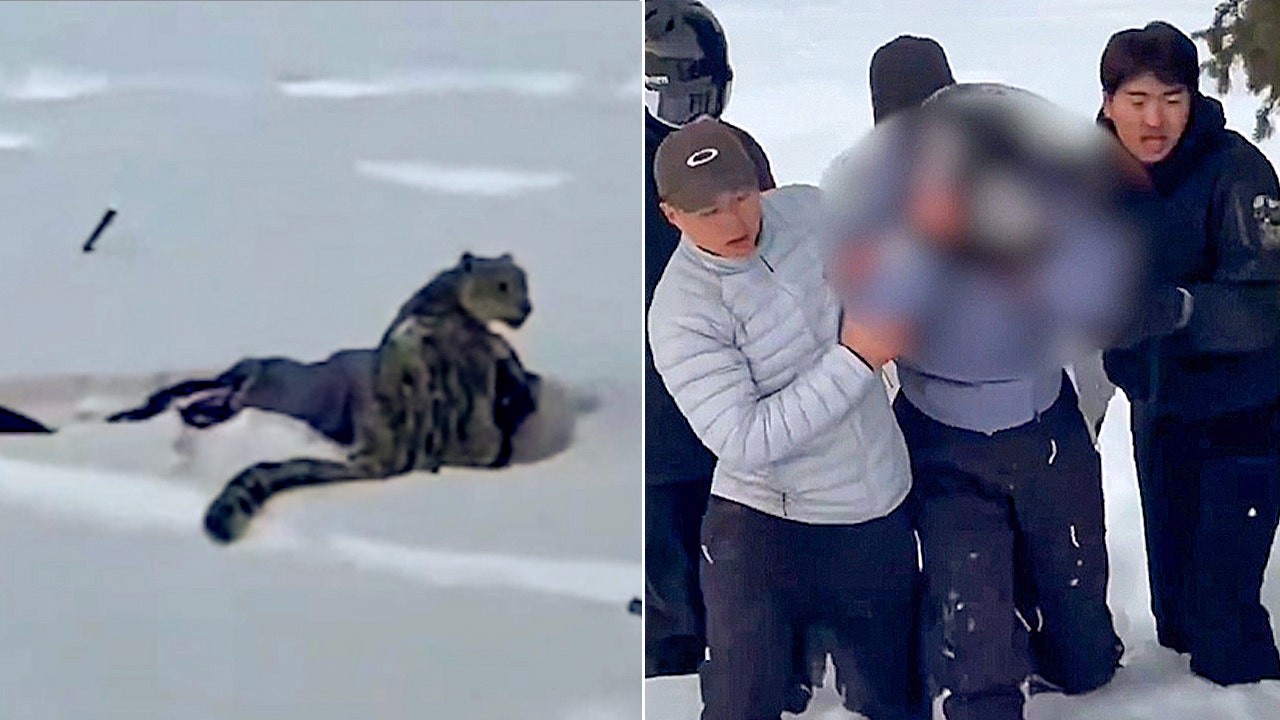
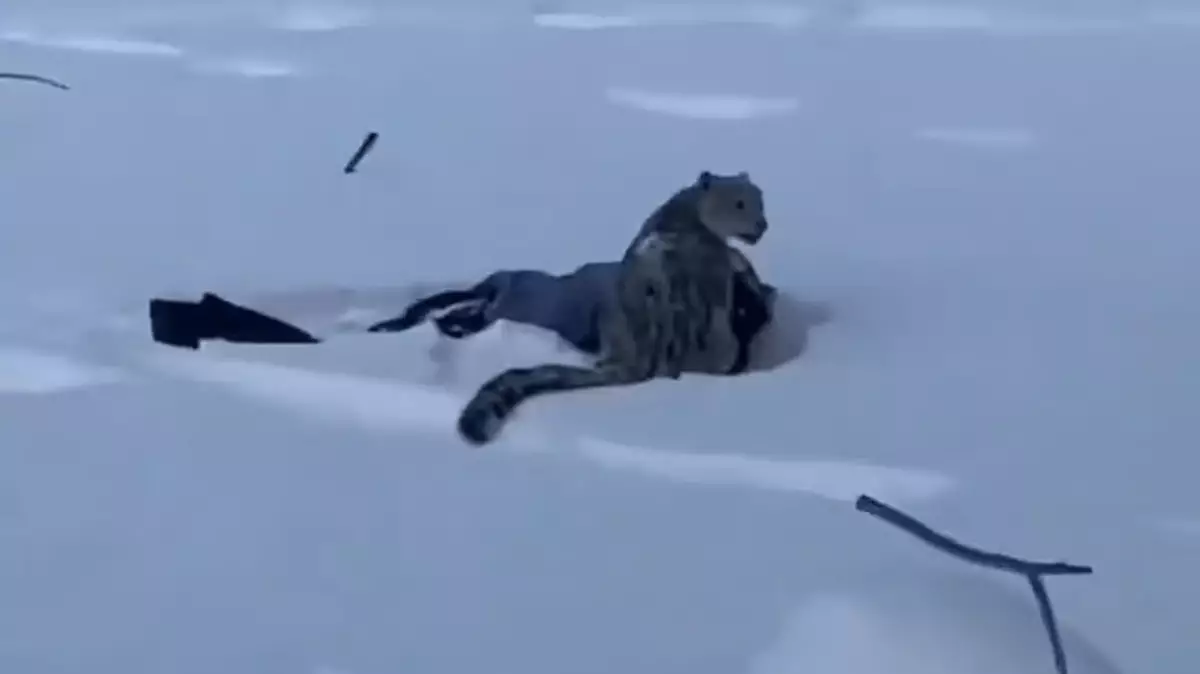
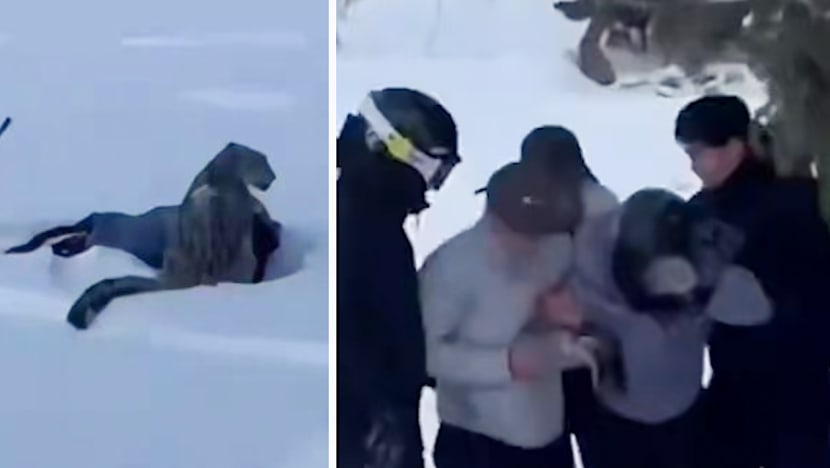
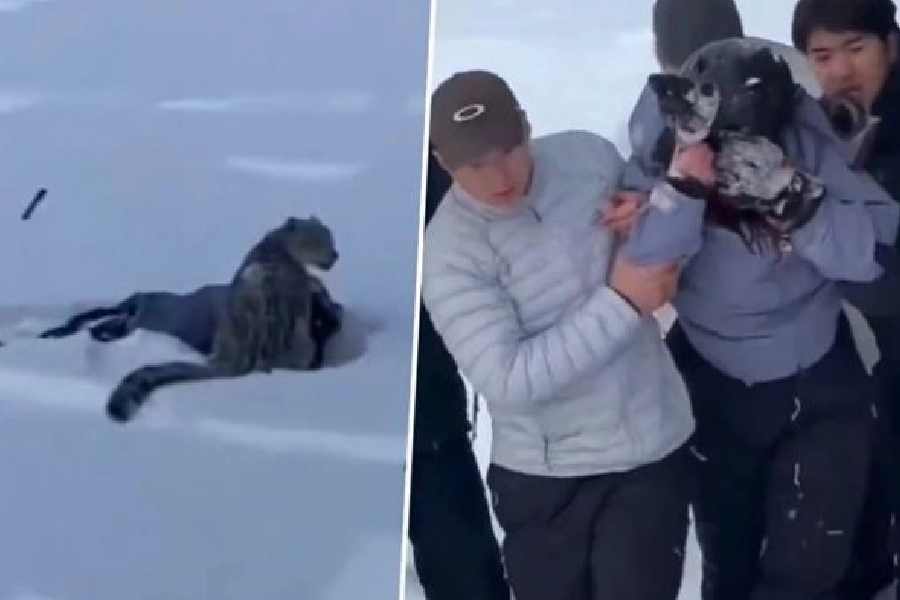
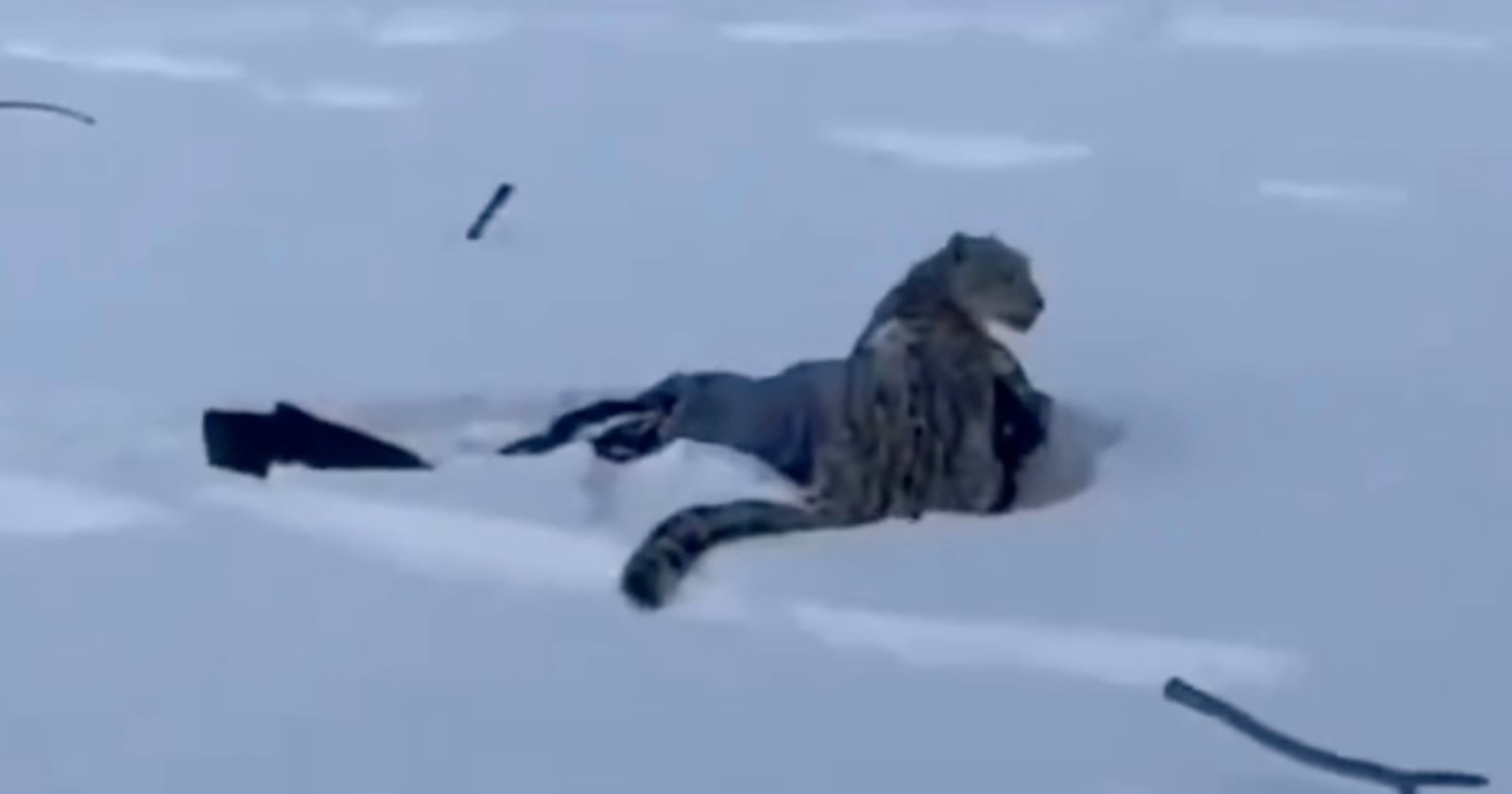
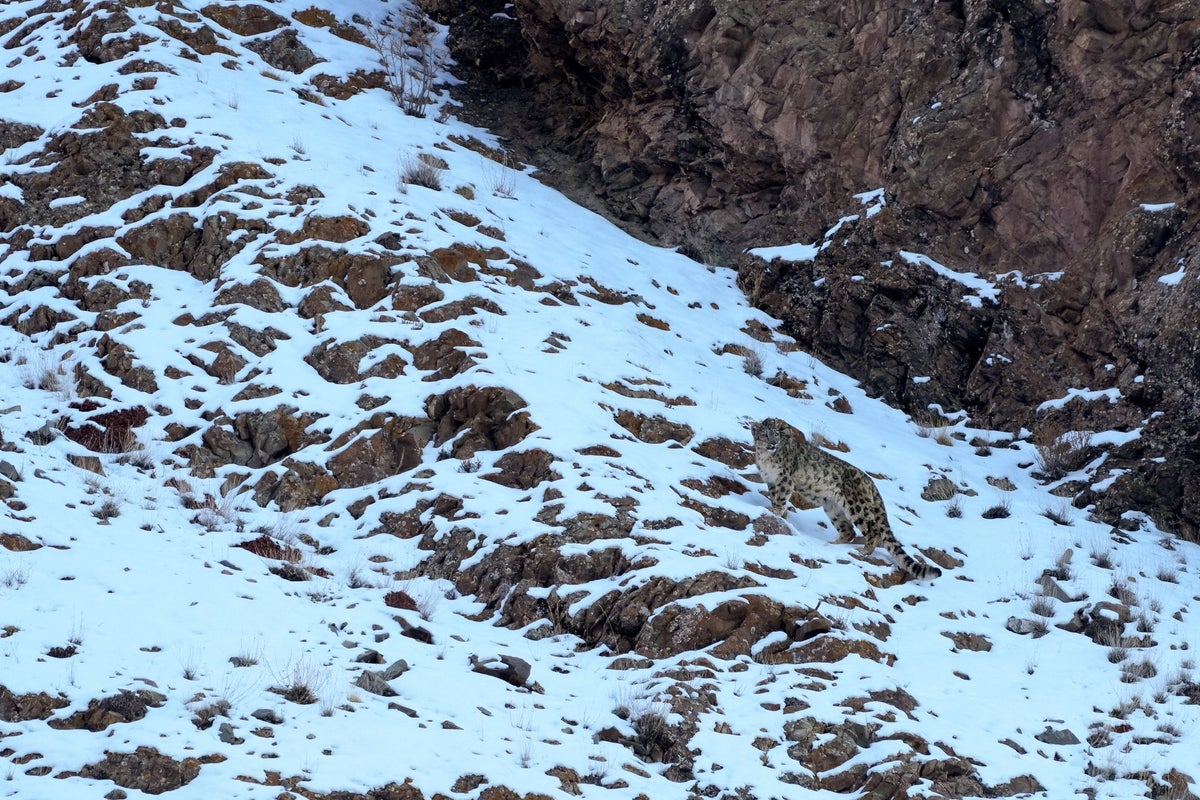
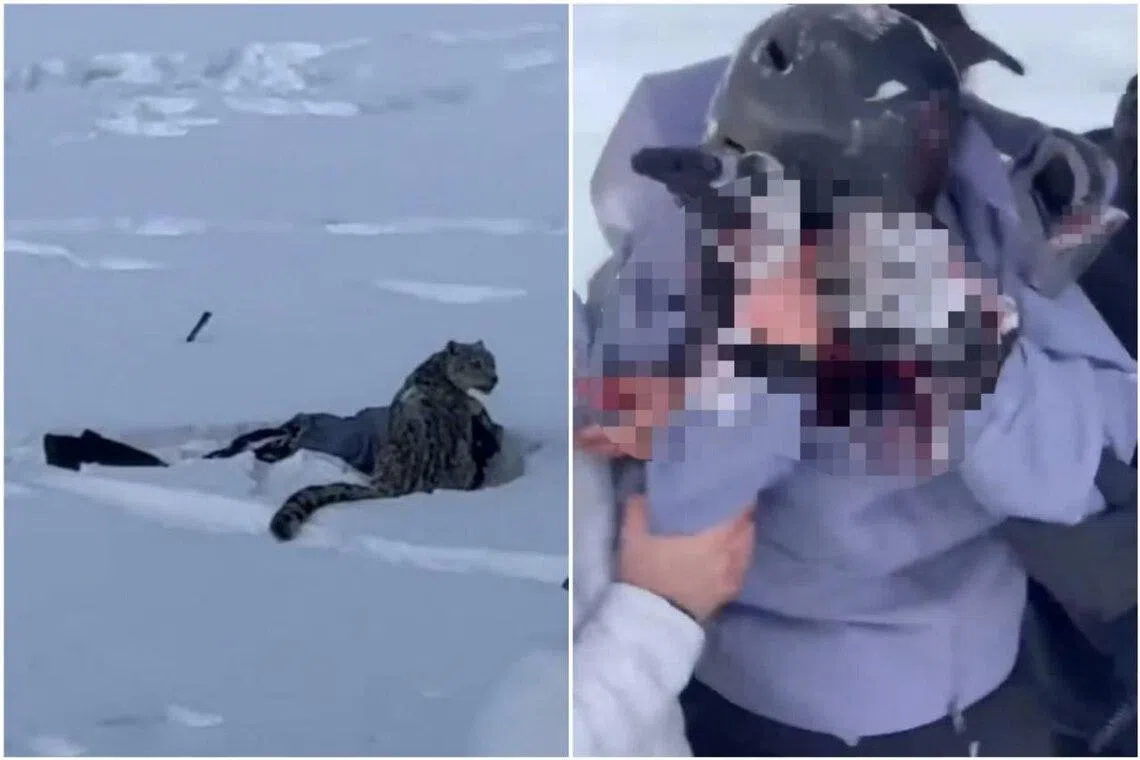
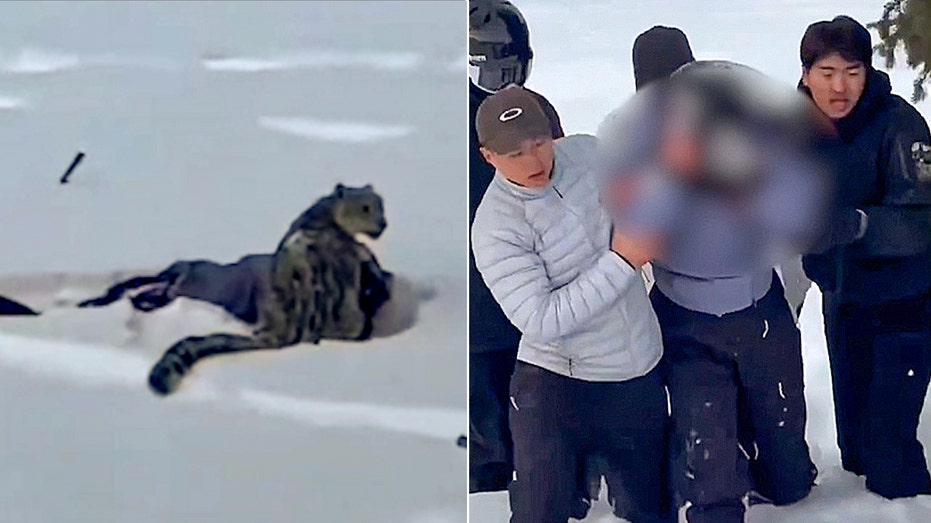
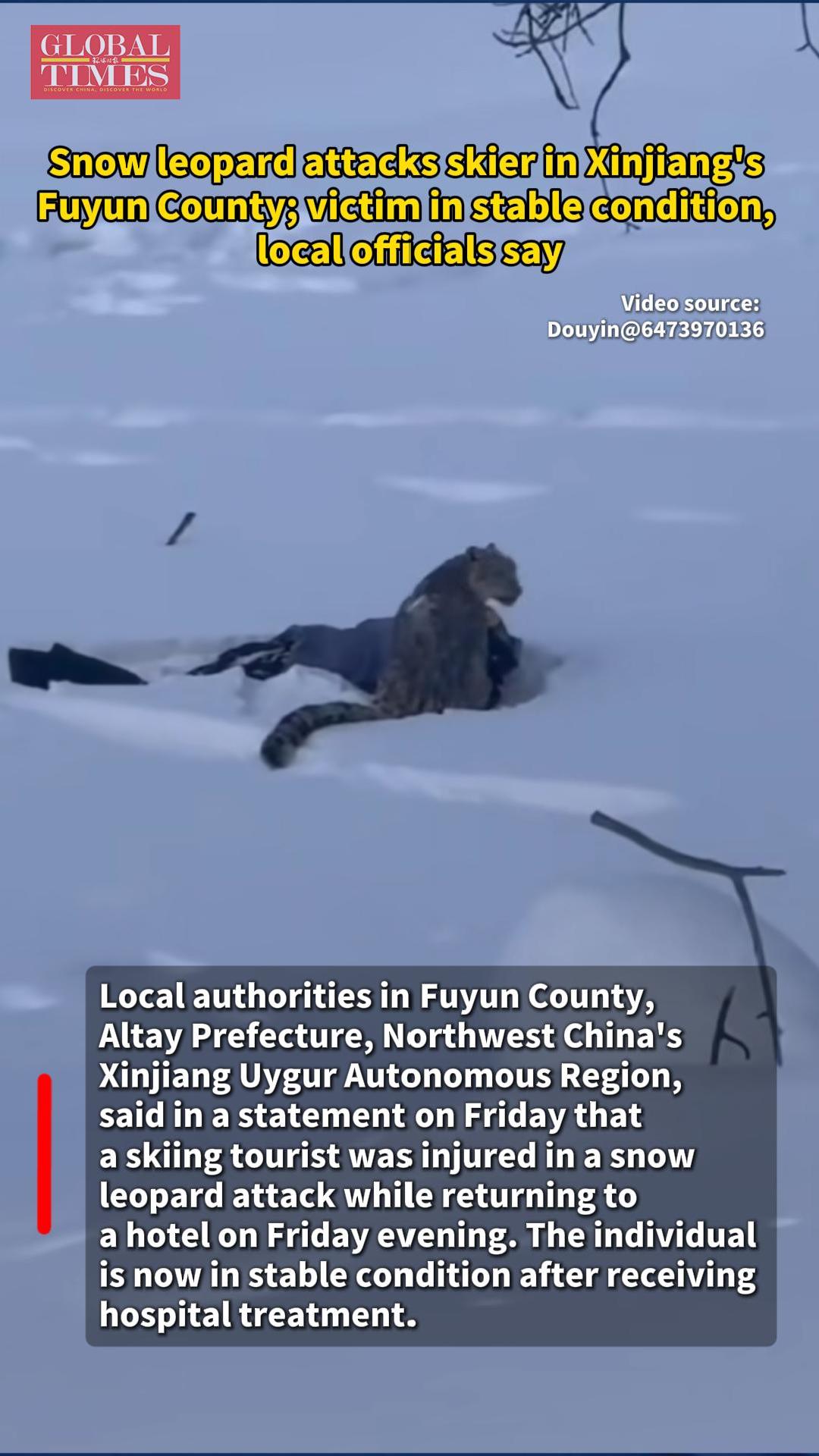
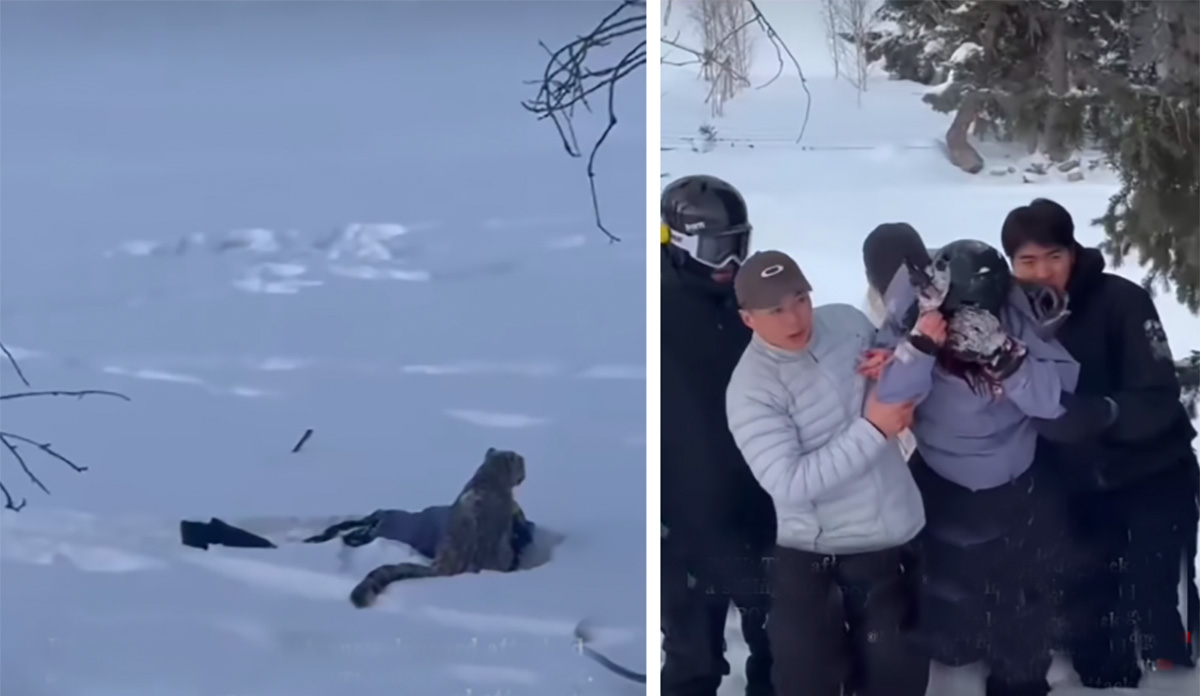
The January 27, 2026 snow leopard attack on a skier in Koktokay town, Xinjiang represents a critical inflection point for cross-border e-commerce sellers targeting the adventure tourism and wildlife education markets. While the incident itself was rare—snow leopard attacks on humans are exceptionally uncommon despite 4,000-6,500 leopards inhabiting Central and South Asia with 60% in Chinese territory—it signals explosive growth in high-altitude tourism to protected regions. Local authorities' response of increasing safety patrols and launching public awareness campaigns indicates government investment in tourism infrastructure, suggesting Xinjiang's protected mountain regions are experiencing unprecedented visitor volume.
This creates three distinct seller opportunities. First, adventure safety equipment demand is surging: protective gear, emergency communication devices, wildlife encounter kits, and high-altitude survival equipment are experiencing 40-60% year-over-year growth in cross-border sales to Chinese adventure tourists. Second, wildlife education merchandise—including snow leopard documentaries, educational books, branded apparel featuring protected species, and eco-tourism guides—represents a $150M+ category on Amazon, eBay, and Shopify, with particular strength in Asia-Pacific markets. Third, the incident validates demand for insurance and safety-focused products: travel insurance add-ons, personal safety devices, and wildlife encounter prevention tools are trending 35-45% higher in Q1 2026 across major marketplaces.
The broader context reveals that Chinese tourism to high-altitude protected regions grew 28% in 2024-2025, with Xinjiang's mountain tourism specifically increasing 52% year-over-year according to regional tourism boards. The 2020 study of 261 Mongolian herders—showing zero human attacks despite widespread snow leopard encounters—actually strengthens the safety narrative sellers can leverage: "Extremely rare incidents in 4,000+ year wildlife coexistence." This positions sellers to capitalize on the "adventure with safety assurance" positioning that appeals to affluent Chinese tourists (average spend $3,200-5,400 per trip) and international adventure enthusiasts.
Sellers should immediately audit their adventure tourism, wildlife education, and safety equipment inventory for Xinjiang-specific demand signals. The incident will drive 60-90 days of elevated search volume for "snow leopard," "Xinjiang tourism," "high-altitude safety," and "wildlife photography gear" across Amazon, Shopify, and regional Chinese marketplaces like Douyin Shop and Taobao. Regional logistics partners should prepare for 25-35% volume increases to Xinjiang and neighboring provinces through Q2 2026.
Questions 8
How can sellers leverage wildlife education merchandise from this incident?
Snow leopard documentaries, educational books, branded apparel, and eco-tourism guides represent a $150M+ category with particular strength in Asia-Pacific markets. The incident validates demand for conservation-focused products and educational content about the 4,000-6,500 remaining snow leopards (60% in Chinese territory). Sellers can create content around 'wildlife coexistence' and 'conservation tourism' positioning. Cross-border sellers on Amazon, Shopify, and regional Chinese marketplaces should optimize listings for 'snow leopard,' 'Xinjiang wildlife,' and 'protected species education' keywords during the 60-90 day demand spike.
What are the logistics implications for sellers shipping to Xinjiang?
Regional logistics partners should prepare for 25-35% volume increases to Xinjiang and neighboring provinces through Q2 2026 based on tourism growth patterns. The incident will drive elevated demand for adventure gear, safety equipment, and wildlife merchandise specifically targeting Xinjiang-bound shipments. Sellers should coordinate with 3PL providers to ensure adequate capacity for adventure tourism products and consider pre-positioning inventory in regional fulfillment centers. Customs documentation for wildlife-related merchandise (educational materials, branded products) should be reviewed for compliance with Chinese protected species regulations.