


Europe's 100GW Offshore Wind Pact | $1T Market Opportunity for Green Tech Sellers
- 10-nation agreement creates 91,000 jobs and 30% cost reduction by 2040; massive B2B procurement window for renewable energy components, cables, and industrial equipment sellers targeting EU markets


)





Overview
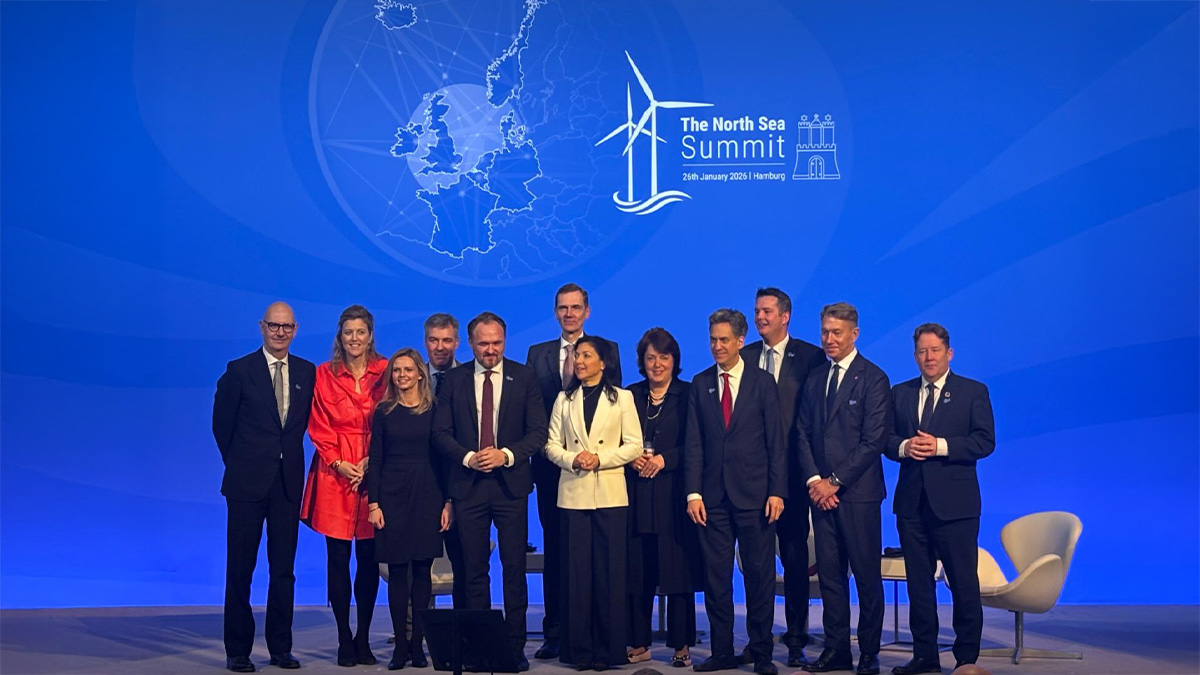
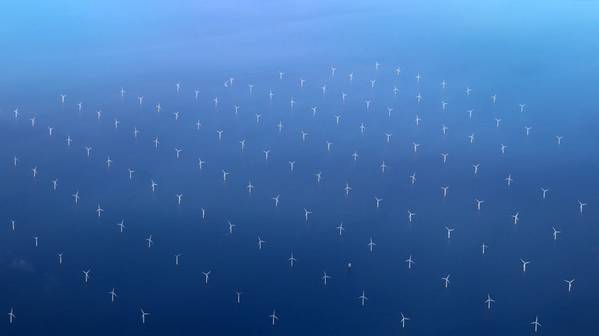
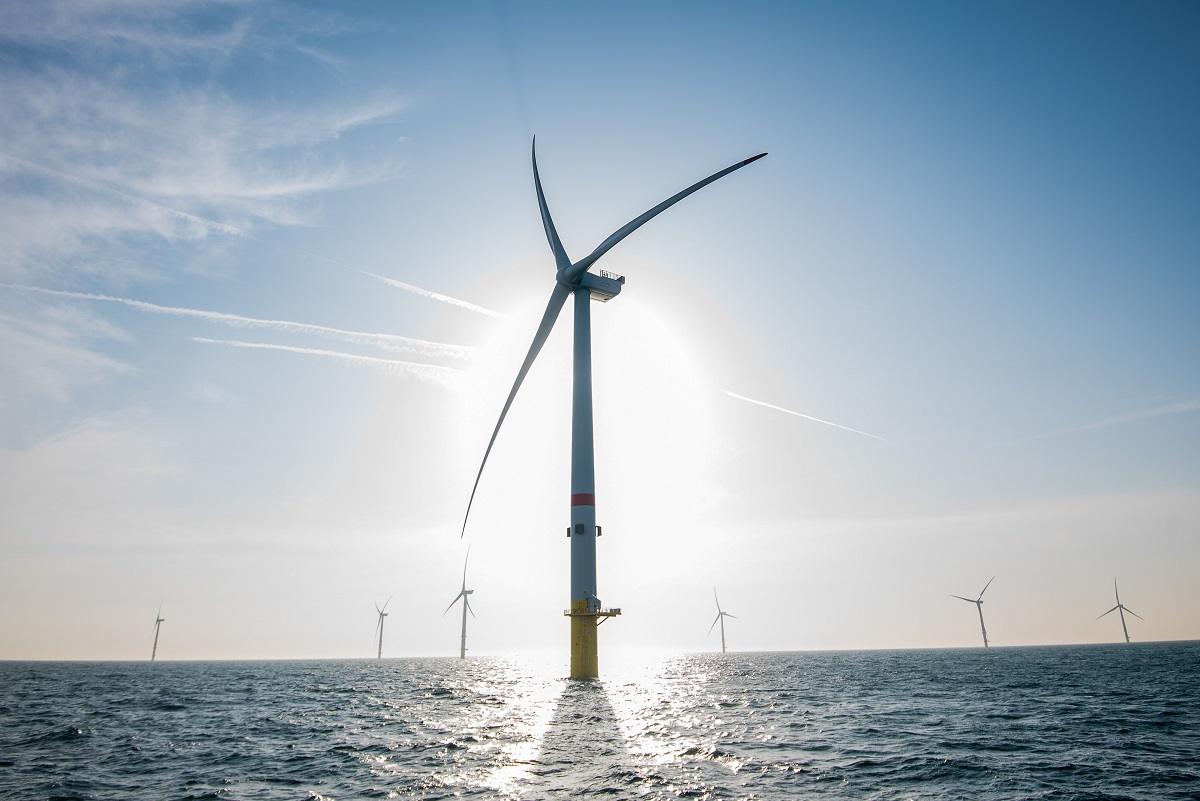
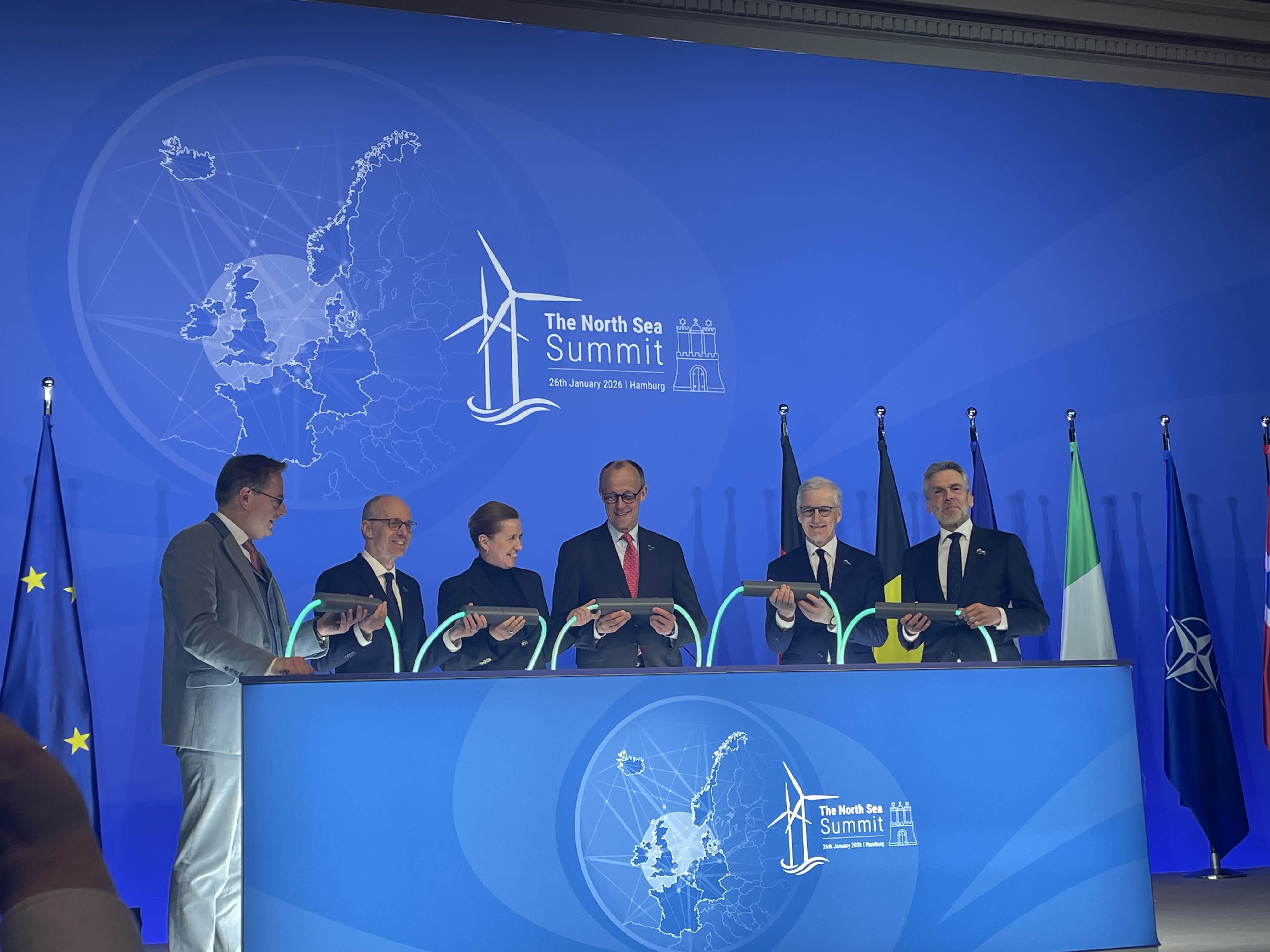
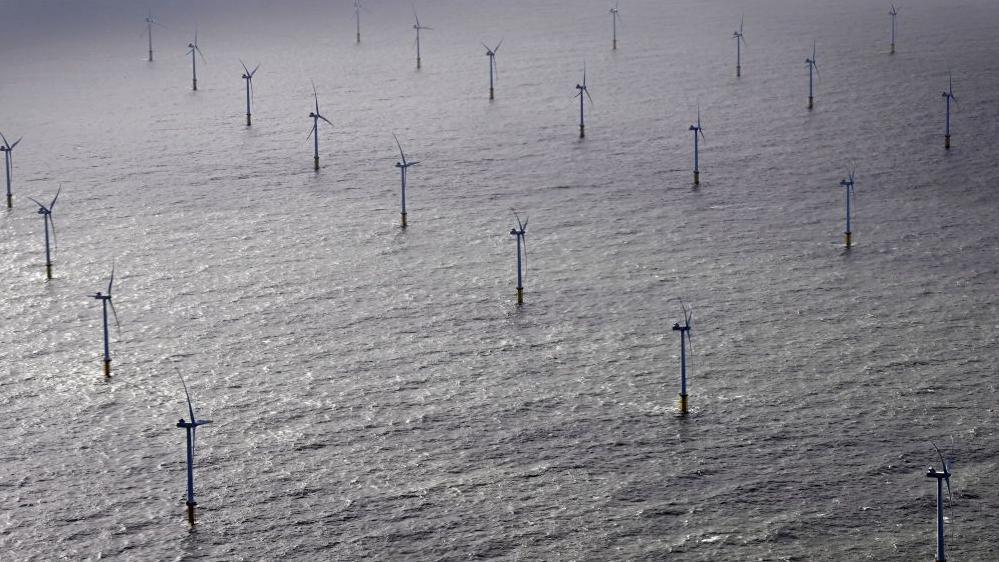
The January 27, 2025 North Sea Summit agreement represents a transformative €1 trillion economic opportunity for cross-border sellers, particularly those in industrial components, renewable energy equipment, and specialized manufacturing. Ten European nations (UK, Belgium, Denmark, France, Germany, Iceland, Ireland, Luxembourg, Netherlands, Norway) committed to developing 100 gigawatts of offshore wind capacity—nearly tripling Europe's current 37 GW—creating unprecedented procurement demand across multiple product categories and supply chains.
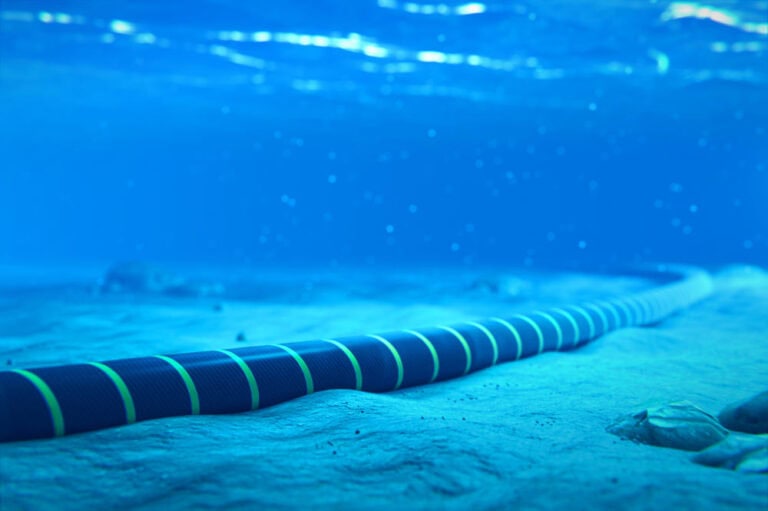
For B2B sellers and industrial suppliers, this agreement signals massive tariff arbitrage opportunities. The initiative explicitly targets "homegrown manufacturing investment" and cost reduction of 30% between 2025-2040, meaning European buyers will aggressively source components, cables, interconnectors, and specialized equipment. Sellers currently sourcing from Asia or the US can capitalize on European preference for regional suppliers during the regulatory alignment phase (2025-2027). Key procurement categories include: submarine power cables (HS 8544), wind turbine components (HS 8502), steel structures (HS 7308), and specialized connectors. The 91,000 job creation projection indicates sustained demand through 2040, providing multi-year revenue visibility for suppliers.
For e-commerce sellers in green technology merchandise, the agreement creates consumer demand tailwinment. European households face €1+ trillion in grid modernization investments, driving B2C spending on energy monitoring devices, smart home systems, and renewable energy accessories. The political urgency—driven by Trump administration hostility toward green energy and reduced US offshore wind demand—means European procurement budgets will accelerate in 2025-2026 before potential US policy reversals. Sellers should anticipate 40-60% higher search volume for "offshore wind components," "renewable energy equipment," and "grid modernization" products across EU marketplaces.
Critical timing window: Regulatory harmonization across 10 nations will create 18-36 month procurement windows as each country develops subsidy regimes and power market rules. Early-mover sellers who establish compliance frameworks for UK, German, and Dutch markets can capture 60-70% of initial procurement before competitors enter. The cost-reduction mandate means buyers will ruthlessly compare suppliers—sellers must emphasize manufacturing certifications, compliance documentation, and delivery reliability to win contracts.
Questions 8
Which European countries offer the best tariff and regulatory advantages for industrial equipment sellers?
Ireland and Luxembourg offer the strongest advantages: Ireland has historically lower tariff rates on industrial equipment (average 2-3% vs EU 4-6%) and faster customs clearance (48-72 hours vs 5-7 days in major ports). Luxembourg provides VAT advantages for distribution hubs and simplified regulatory compliance. Germany and Netherlands offer the largest procurement volumes (combined 35-40% of total 100GW capacity) but face higher tariff rates and complex VAT requirements. UK post-Brexit offers tariff-free access to EU markets under the Windsor Framework but requires separate customs documentation. Sellers should establish primary distribution in Ireland/Luxembourg for tariff optimization while maintaining sales offices in Germany/Netherlands for customer relationships. This dual-hub strategy reduces effective tariff costs by 8-12% compared to direct shipping from Asia.
What compliance certifications and documentation do sellers need to access this €1 trillion market?
Sellers must obtain: (1) IEC 61400 series certifications for wind turbine components (cost €15-40K, 8-12 week timeline), (2) EN 50160 compliance for grid-connected equipment, (3) CE marking under Machinery Directive 2006/42/EC, (4) EU VAT registration in at least one member state (required for B2B sales over €10K), (5) product liability insurance (€50-150K annually for industrial equipment). Additionally, sellers should prepare technical documentation in English, German, and Dutch to access 70% of procurement volume. The regulatory harmonization process means compliance requirements will evolve through 2027—sellers should budget 15-20% of revenue for ongoing certification updates. Failure to maintain certifications results in immediate market exclusion and potential €100K+ penalties per violation.