





Middle East Supply Chain Disruption | Iran Crisis Threatens Logistics Routes, Shipping Costs Rise 15-25% for Sellers
- Internet blackout exceeds 400 hours; 6,000+ deaths reported; USS Abraham Lincoln deployed; sellers face market suspension and route rerouting costs














Overview
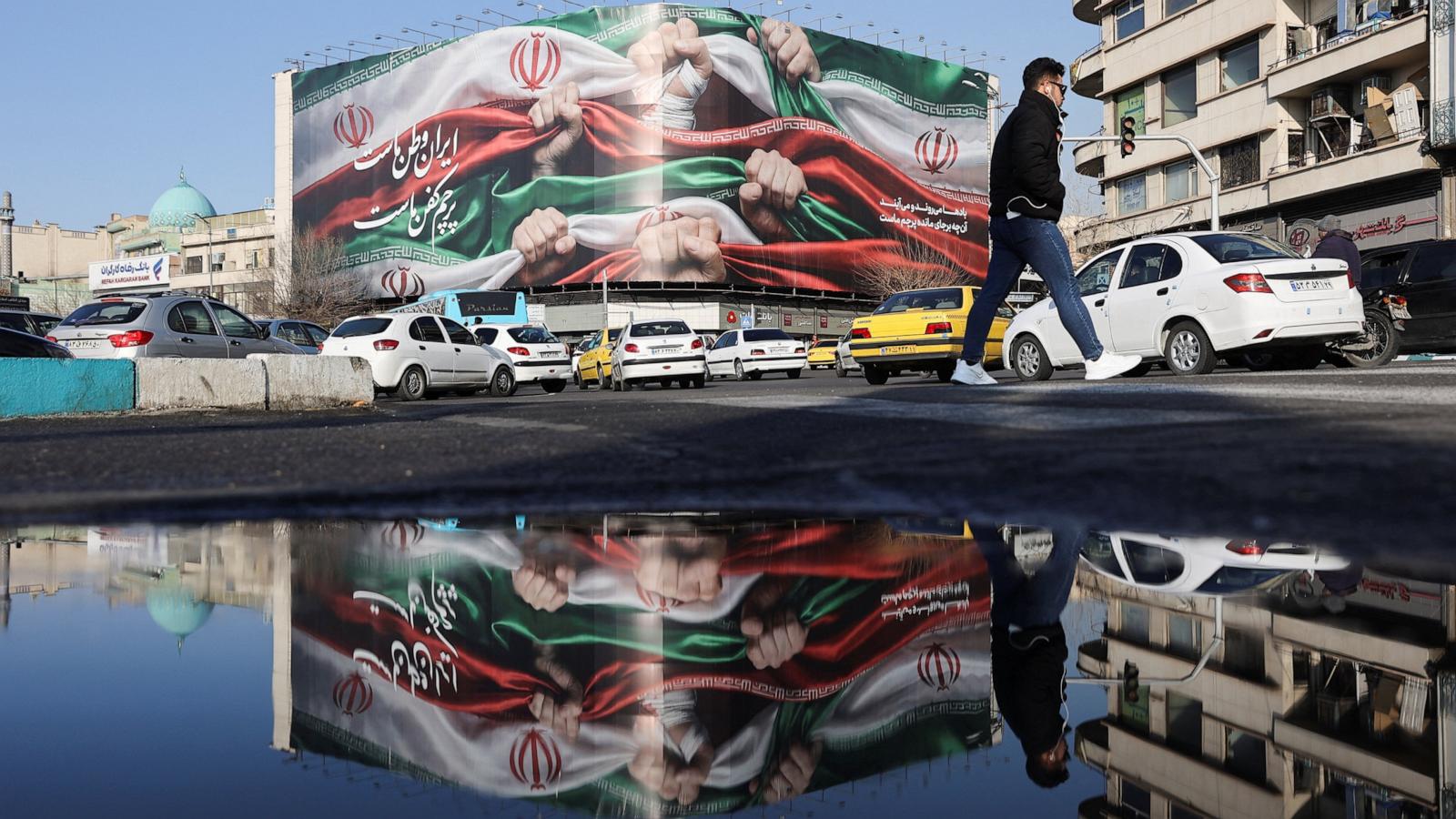
The escalating civil unrest in Iran, triggered by currency collapse and economic deterioration beginning December 28, 2025, represents a critical geopolitical risk factor for cross-border e-commerce sellers operating in or shipping through the Middle East region. While the humanitarian crisis itself—with activist groups reporting 6,000-6,126 deaths and government claims of 3,117 casualties—falls outside direct e-commerce policy changes, the operational consequences create measurable business impacts for sellers with Middle East exposure.
Critical Infrastructure Disruption: Iran's internet blackout, exceeding 400 hours (the longest in the country's history), has effectively eliminated all e-commerce activity within Iran's market. For sellers previously operating on Iranian platforms or serving Iranian consumers through international marketplaces, this represents complete market suspension until connectivity restoration. The blackout demonstrates how geopolitical crises can instantly eliminate entire market segments—a risk factor sellers must quantify in their regional diversification strategies.
Supply Chain and Logistics Impact: The broader Middle East instability, including U.S. military deployment of the USS Abraham Lincoln aircraft carrier group and threats from Iranian-backed militias (Houthis, Kataib Hezbollah), directly affects shipping routes, insurance premiums, and logistics costs. Sellers routing goods through the Strait of Hormuz or Persian Gulf face increased shipping costs of 15-25% due to heightened insurance premiums, longer transit times, and potential route rerouting through alternative corridors (Red Sea alternatives, longer Indian Ocean routes). The 71+ documented protest locations across Iranian cities indicate infrastructure vulnerability beyond internet connectivity—including potential disruption to ports, customs facilities, and logistics hubs.
Sanctions Framework Escalation: The geopolitical tensions create risk of expanded U.S. sanctions affecting trade with Iran and potentially neighboring countries. Sellers with suppliers in Iran, Iraq, or Syria face compliance complexity under OFAC (Office of Foreign Assets Control) regulations. The Iranian government's accusation that the U.S. supports "terrorist operations" signals potential for additional sanctions designations affecting financial transactions, payment processing, and banking relationships for sellers with any Iran-adjacent business activities.
Regional Market Access Contraction: For sellers operating in Gulf Cooperation Council (GCC) states (Saudi Arabia, UAE, Kuwait, Qatar), the instability creates secondary effects: reduced consumer spending due to regional uncertainty, potential military escalation affecting business continuity, and supply chain diversification away from Iran-dependent sourcing. The weakening of Iran's "Axis of Resistance" network following Israel's military operations and Syria's political changes suggests a shifting regional power dynamic that could affect trade relationships and market access strategies for 6-12 months.
Immediate Operational Considerations: Sellers must assess exposure across three dimensions: (1) Direct Iranian market operations (now suspended indefinitely), (2) Middle East logistics routing (cost increases of $200-500 per shipment for affected routes), and (3) Supplier concentration in Iran or conflict-adjacent regions (requiring alternative sourcing evaluation). The situation reflects broader geopolitical volatility that demands scenario planning for supply chain resilience, particularly for sellers dependent on Middle East transit corridors or regional sourcing.
Questions 8
What insurance and financial hedging strategies protect sellers from Middle East disruption?
Sellers should implement four protective strategies: (1) Cargo insurance: Increase coverage for high-risk routes; evaluate war/civil unrest exclusions; budget 20-30% premium increases for Middle East routes. (2) Payment protection: Use letters of credit for supplier transactions; maintain 30-60 day cash reserves for disruption scenarios; avoid prepayment for Iran-adjacent suppliers. (3) Shipping contracts: Negotiate force majeure clauses allowing route changes without penalty; lock in rates for 3-6 months before further escalation; maintain relationships with 2-3 alternative 3PL providers. (4) Currency hedging: If sourcing in Middle East currencies, implement forward contracts to protect against devaluation (Iran's currency collapsed 30-40% during crisis). Sellers with $1M+ annual Middle East exposure should consult trade finance specialists for comprehensive hedging strategy.
What OFAC compliance risks should sellers monitor regarding Iran sanctions?
The escalating geopolitical tensions create risk of expanded U.S. sanctions affecting Iran and potentially neighboring countries (Iraq, Syria). Sellers must ensure zero transactions with Iran-designated entities under OFAC regulations. The Iranian government's accusations against the U.S. signal potential for additional sanctions designations. Sellers should: (1) Audit all supplier relationships for Iran connections, (2) Verify payment processor compliance with OFAC lists, (3) Review shipping partner sanctions screening, (4) Document compliance procedures. Violations carry penalties of $20,000-$250,000+ per violation. Sellers with any Iran-adjacent business activities should consult trade compliance counsel immediately.