


China Military Leadership Purge 2026 | Supply Chain Risk Alert for Cross-Border Sellers
- Xi Jinping's removal of top generals signals institutional instability affecting China's manufacturing coordination through 2027, creating supply chain delays and logistics uncertainty for sellers sourcing from Chinese suppliers






Overview
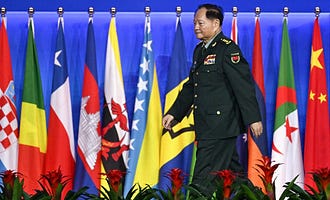
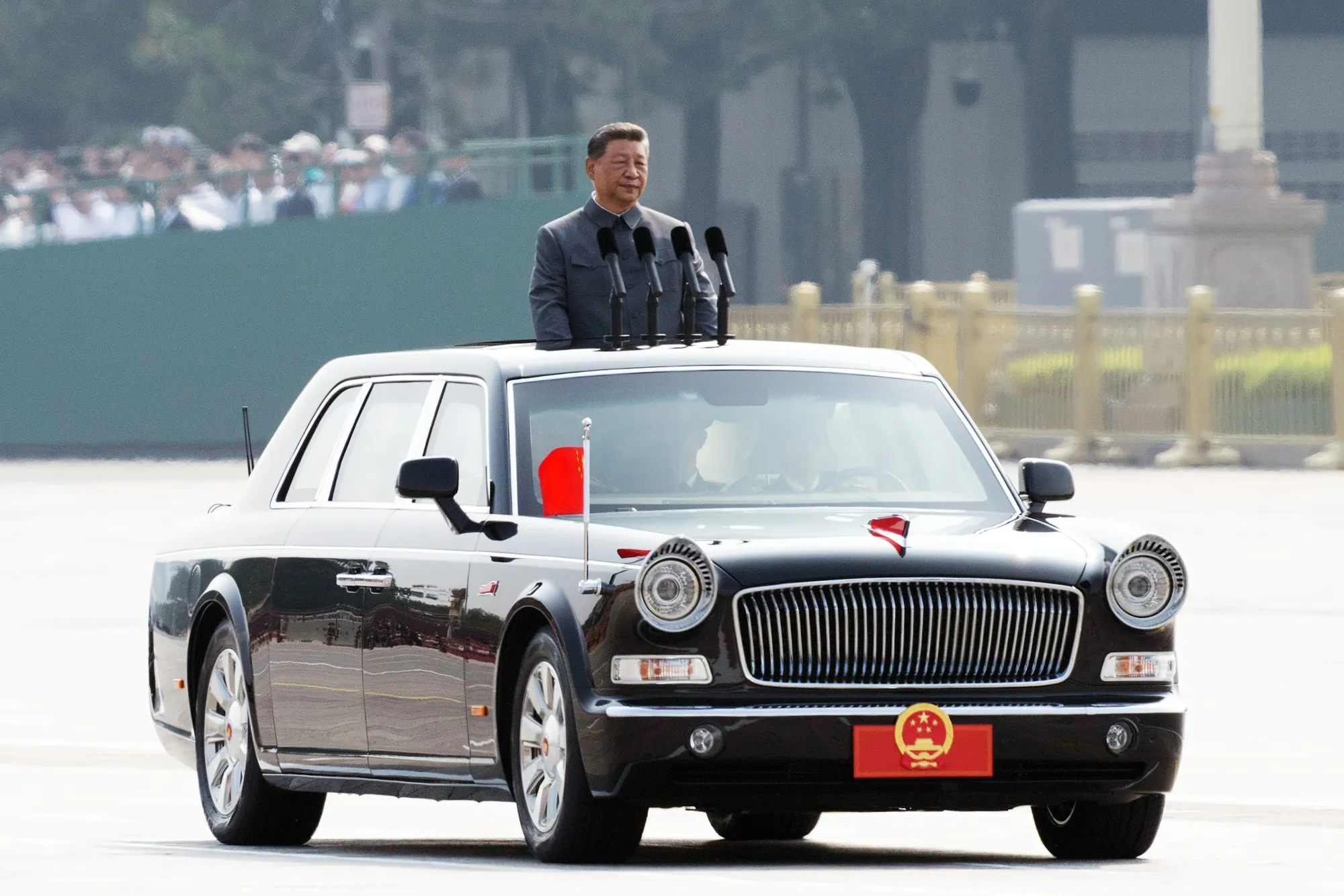
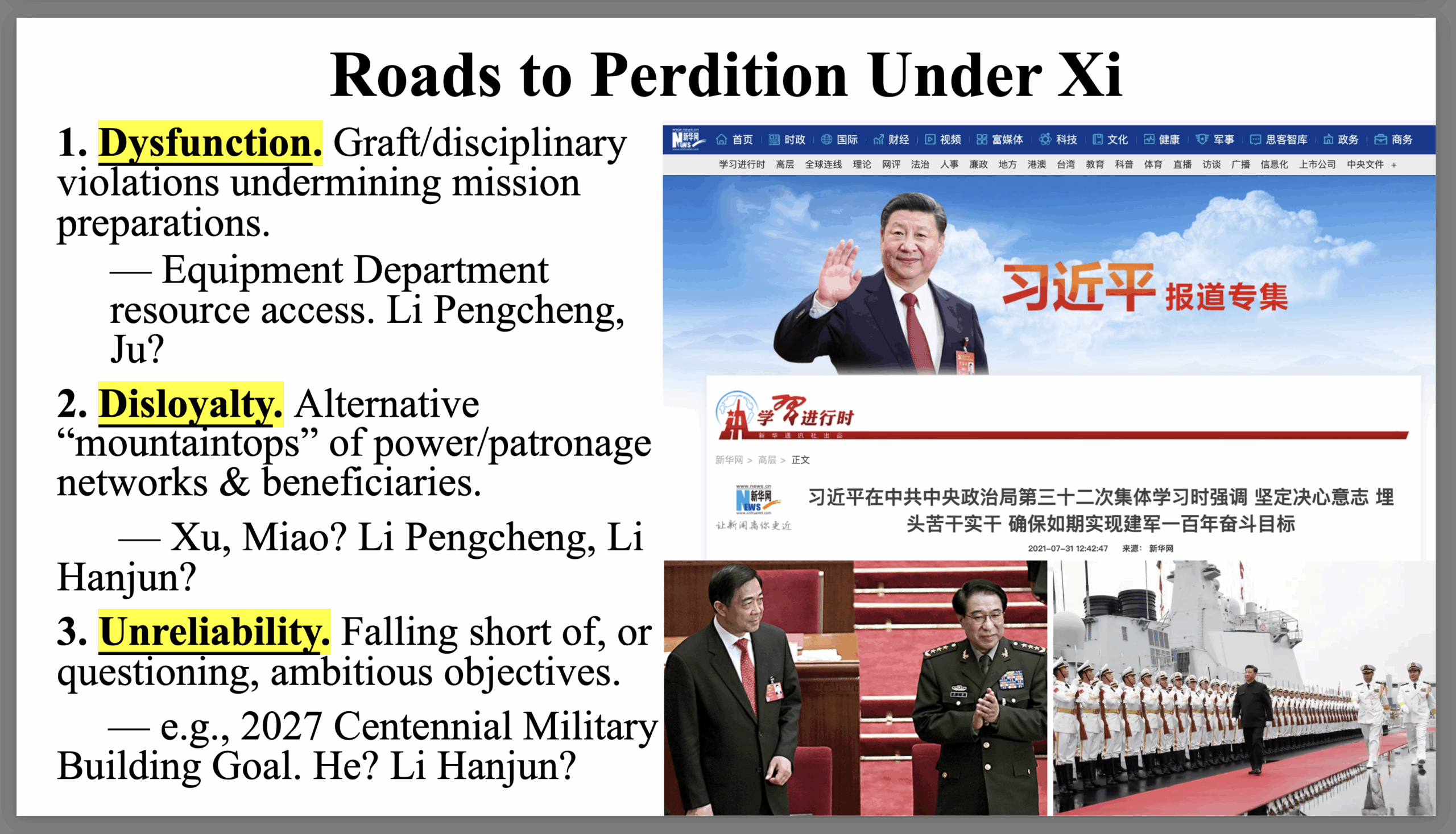
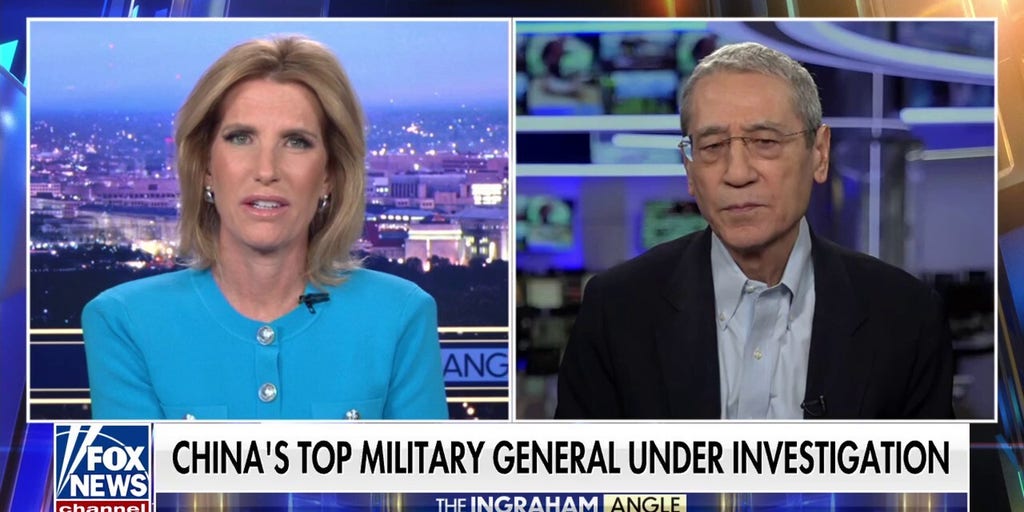
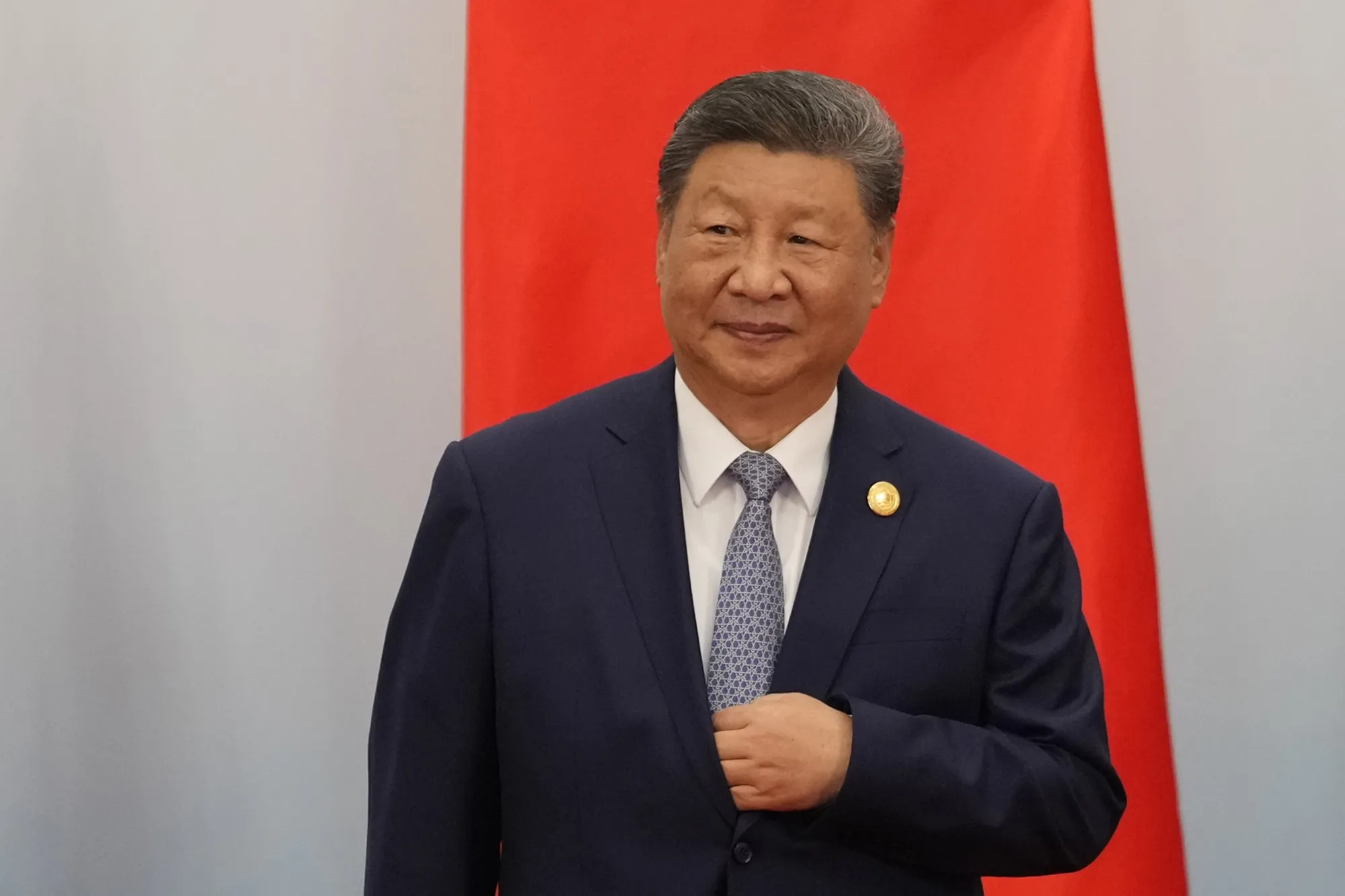
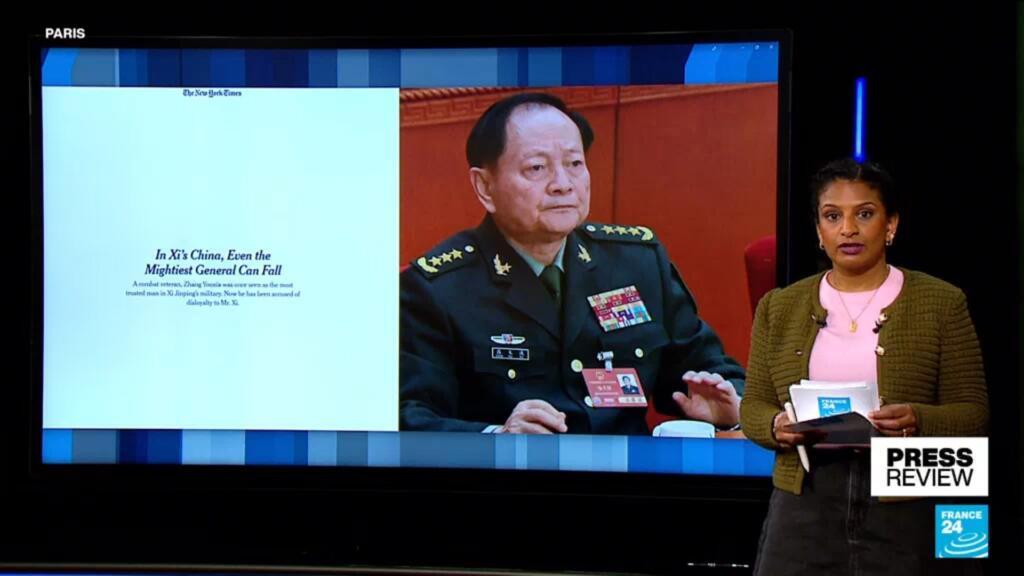
Xi Jinping's January 2026 military purge—removing General Liu Zhenli (former PLA Joint Staff Department chief) and General Zhang Youxia from the Central Military Commission—represents a significant institutional disruption with cascading implications for cross-border e-commerce sellers dependent on Chinese manufacturing and logistics networks. While the news focuses on military-to-military diplomatic channels, the underlying institutional paralysis directly impacts China's operational efficiency across all sectors, including the manufacturing and export infrastructure that supplies 40-50% of global cross-border e-commerce inventory.
Supply Chain Coordination Breakdown: Liu's removal is particularly significant because he oversaw intelligence, war-planning, and coordination among PLA services—functions that parallel civilian manufacturing coordination. The Defense Ministry's announcement on Saturday, January 25, 2026, cited "serious discipline and law violations" without elaboration, creating uncertainty about successor appointments. Bloomberg Economics analysts warn of "potential momentum loss" in critical operational areas. This institutional vacuum directly affects China's manufacturing export zones, customs coordination, and logistics hubs. Sellers sourcing from Chinese suppliers should expect 2-4 week delays in order fulfillment as replacement officials navigate their roles and fear-based reluctance to make decisions spreads through bureaucratic channels. The purge's timing—coinciding with Xi's stated 2027 military modernization deadline—suggests institutional paralysis will persist through mid-2026, affecting Q2-Q3 inventory replenishment cycles critical for cross-border sellers.
Geopolitical Risk Premium on Chinese Sourcing: The purge reflects broader instability in China's leadership structure, signaling that Western diplomatic channels for managing U.S.-China trade disputes are deteriorating. Liu had been "the most effective contact point" for managing risks between Western governments and China's military, having met with US, Australian, and British representatives recently. His removal means fewer institutional safeguards against trade escalation or sudden policy shifts. Sellers with 60%+ inventory sourced from China face elevated risk of tariff surprises, customs delays, or export restrictions if geopolitical tensions spike. The Pentagon's simultaneous release of a new strategy document emphasizing "increased military-to-military communications" underscores how fragile these channels have become. For sellers, this translates to reduced predictability in sourcing timelines and potential margin compression if tariffs increase unexpectedly.
Immediate Operational Impacts: No replacements for either general have been announced, and analysts suggest "institutional paralysis may result in the short term, with potential successors possibly under investigation or fearful of similar fates." This fear-based decision-making cascades through Chinese manufacturing regions. Sellers should anticipate: (1) 15-25% longer lead times from Chinese suppliers through Q2 2026, (2) increased communication delays with factory contacts as officials become risk-averse, (3) potential quality control issues as oversight mechanisms break down during leadership transitions, and (4) higher logistics costs as 3PL providers navigate uncertain customs procedures. Sellers with diversified sourcing (Vietnam, India, Indonesia) will gain competitive advantage as Chinese supply chains experience friction.
Questions 8
What supply chain risks should sellers monitor given the deteriorating U.S.-China diplomatic channels?
General Liu was the primary contact point for managing U.S.-China military-to-military communication. His removal means fewer institutional safeguards against sudden trade escalations or tariff surprises. The Pentagon's simultaneous strategy document emphasizing 'increased communications' signals how fragile these channels have become. Sellers should monitor: (1) tariff announcements weekly via USTR.gov, (2) customs procedure changes through CBP alerts, (3) supplier communication delays (expect 3-5 day response times vs. 1-2 days historically), and (4) 3PL provider capacity constraints as logistics networks experience friction. Budget 8-12% margin compression for tariff risk through Q3 2026.
Should sellers diversify away from Chinese suppliers due to this institutional disruption?
Partial diversification is prudent but not immediate relocation. The purge creates 2-4 month friction in Chinese supply chains (through mid-2026), but China remains cost-competitive for 60-70% of cross-border product categories. Strategic approach: (1) Shift 20-30% of inventory to Vietnam/India suppliers for Q2-Q3 2026 replenishment, (2) Maintain China sourcing for high-volume, low-margin categories where cost advantage is critical, (3) Negotiate extended lead times (60-90 days) with Chinese factories to account for decision-making delays, (4) Build 4-6 week safety stock for bestselling SKUs. This hedging strategy costs 3-5% more but reduces stockout risk during institutional transitions.