



GM's 2026 Tariff Strategy & EV Pullback Impact Cross-Border Auto Parts Sellers
- South Korean tariff uncertainty (15-25%) reshapes automotive supply chains; sellers of aftermarket parts, accessories face 8-15% cost pressures; China restructuring opens Brazil/Middle East sourcing opportunities





















Overview
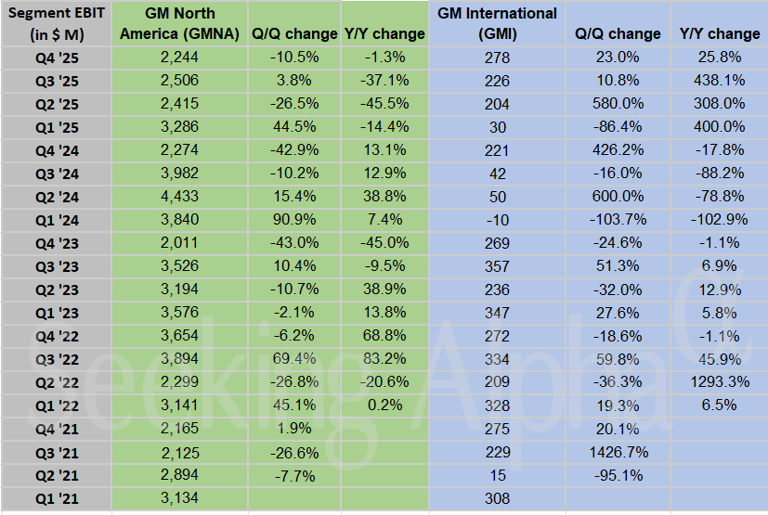
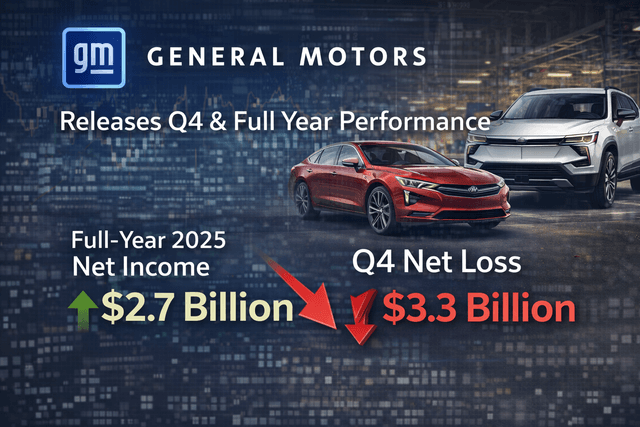
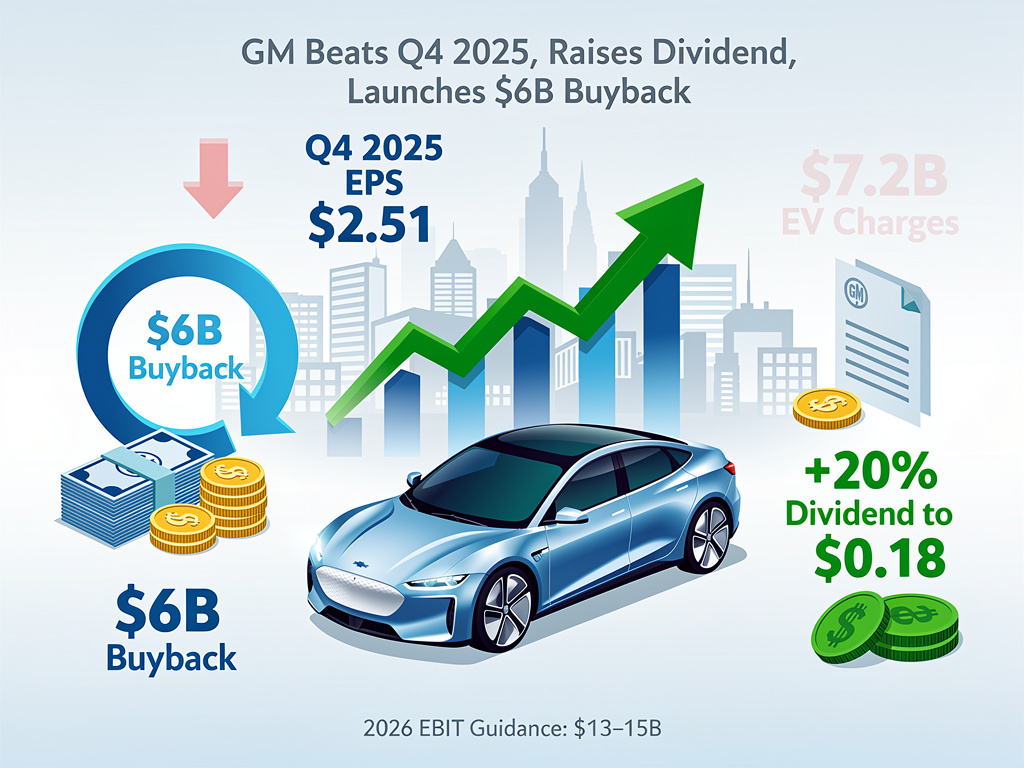
General Motors' Q4 2025 earnings reveal critical supply chain shifts affecting cross-border e-commerce sellers in automotive aftermarket categories. GM reported $2.51 adjusted EPS (beating $2.20 expectations) with $10.6B automotive free cash flow, but the real story for sellers lies in three strategic pivots: (1) South Korean tariff exposure - GM's 2026 guidance assumes 15% tariffs on Korean vehicle imports, with Trump threatening 25% increases if trade deals fail; (2) EV pullback - $7.2B in Q4 special charges reflect GM's strategic retreat from all-electric vehicles, reducing demand for EV-specific components; (3) China restructuring - $316M loss improving from $4.4B in 2024 signals operational consolidation, while international operations (South Korea, Brazil, Middle East) generated $737M equity income, up $434M year-over-year.
For cross-border sellers, these dynamics create immediate supply chain pressures and emerging sourcing opportunities. Sellers importing automotive aftermarket parts, replacement components, and accessories from South Korea face 15-25% tariff exposure on products like Chevrolet Trax and Buick Envista parts—GM's primary entry-level vehicles sourced from Korean manufacturers. This tariff uncertainty directly impacts cost structures for sellers on Amazon, eBay, and Shopify selling automotive categories (BSR codes 15686, 15687, 15688 for automotive parts). Sellers currently sourcing from South Korea should model 8-15% cost increases into 2026 pricing strategies and consider inventory acceleration before tariff implementation.
Conversely, GM's improved Brazil and Middle East operations signal emerging sourcing opportunities. The $434M increase in international equity income reflects successful manufacturing diversification away from China. Sellers should monitor Brazilian automotive suppliers and Middle East component manufacturers as alternative sourcing regions with lower tariff exposure. GM's EV pullback also creates category opportunities: demand for traditional internal combustion engine parts, maintenance accessories, and retrofit components will likely increase as consumers delay EV adoption. Additionally, the company's $6B share buyback and 20% dividend increase (to 18 cents/share) indicate strong cash generation—signaling OEM supplier stability and reduced bankruptcy risk for sellers relying on GM-affiliated supply chains.
Immediate seller actions: (1) Audit inventory sourced from South Korea by January 31, 2026; (2) Model 15-25% tariff scenarios into pricing by February 15; (3) Evaluate Brazil/Middle East suppliers as alternatives; (4) Increase stock of traditional engine maintenance products (oil filters, spark plugs, belts) ahead of EV demand slowdown; (5) Monitor Trump administration trade announcements weekly for tariff finalization dates.
Questions 8
What inventory acceleration strategy should sellers pursue before 2026 tariff implementation?
Sellers should accelerate Korean-sourced inventory purchases by 30-40% in Q4 2025 and Q1 2026, before tariff effective dates. Calculate optimal inventory levels using: (current monthly sales × 4-6 months) + (projected tariff cost increase ÷ current margin %). For example, a seller with $50K monthly Korean-sourced parts sales should hold 6-9 months inventory ($300-450K) to absorb tariff increases. Coordinate with 3PL providers to secure warehouse capacity; tariff-driven inventory acceleration will create storage bottlenecks. Monitor cash flow carefully—accelerated purchasing requires 30-60 day payment terms. Negotiate extended payment terms with suppliers by January 31, 2026. Balance inventory acceleration against obsolescence risk: prioritize fast-moving SKUs (BSR <50K) over slow movers. Implement inventory management systems to track tariff-sensitive SKUs separately and monitor sell-through rates weekly.
When should sellers finalize tariff mitigation strategies for 2026 automotive imports?
Sellers should complete tariff planning by February 15, 2026, before potential tariff implementation. GM's guidance assumes 15% baseline tariffs with 25% upside risk if South Korea trade deal fails. The Trump administration is expected to finalize tariff rates by Q1 2026. Sellers should: (1) audit South Korean sourcing by January 31; (2) model 15-25% cost scenarios by February 15; (3) accelerate inventory purchases before tariff effective dates; (4) evaluate alternative suppliers in Brazil, Mexico, or India; (5) monitor USTR announcements weekly. Delaying decisions beyond February risks inventory obsolescence, margin compression, and competitive disadvantage as other sellers adjust pricing first.