

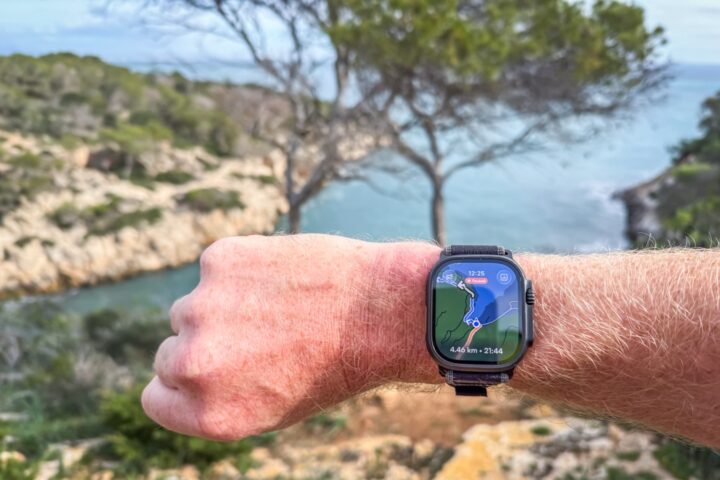

Apple Watch Navigation Boom | Sellers Capitalize on Wearable-First Fitness Trend
- Offline maps rollout drives Apple Watch adoption surge among outdoor athletes; creates $2.1B+ accessory market opportunity for sellers in sports tech, apparel, and gear categories




Overview
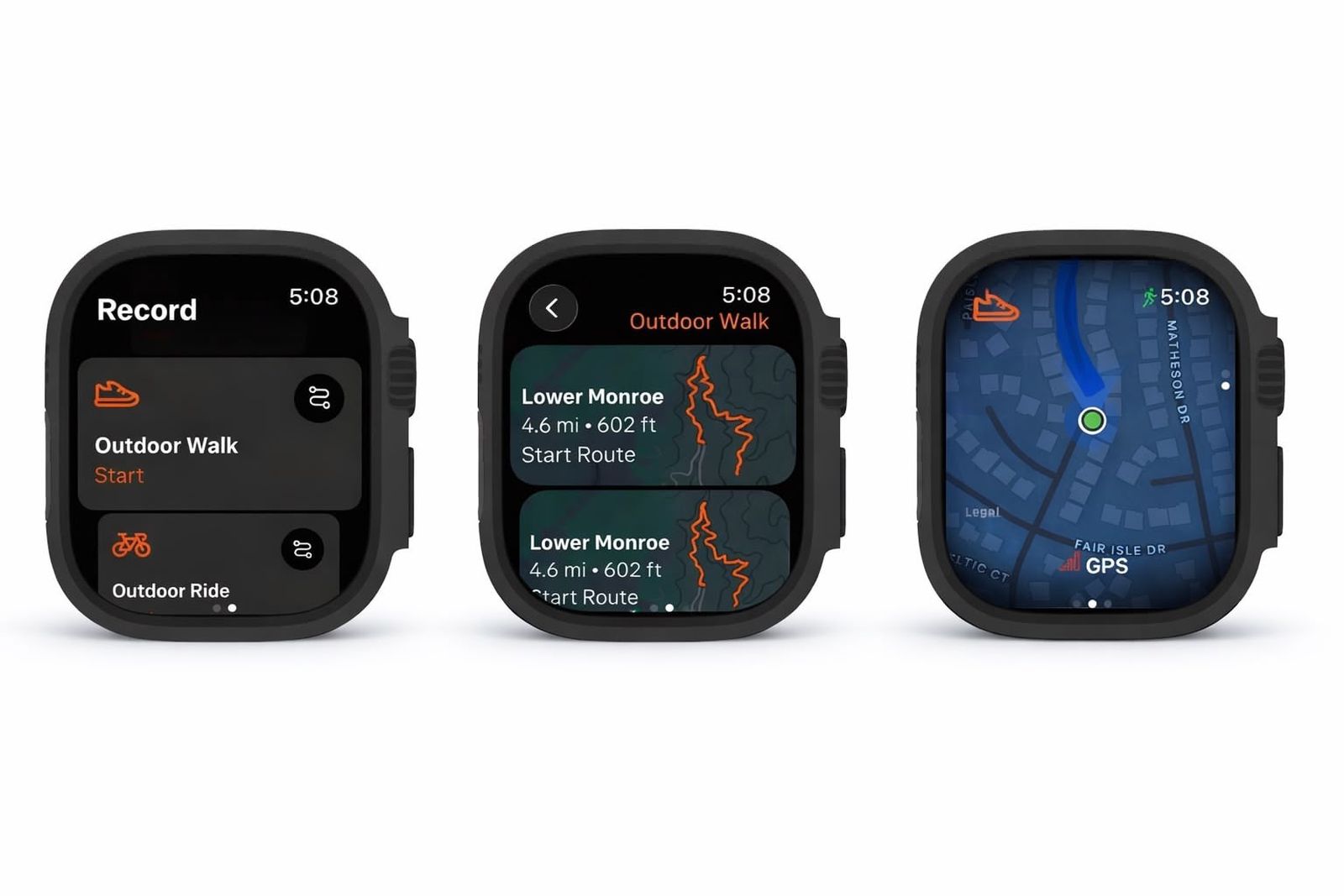
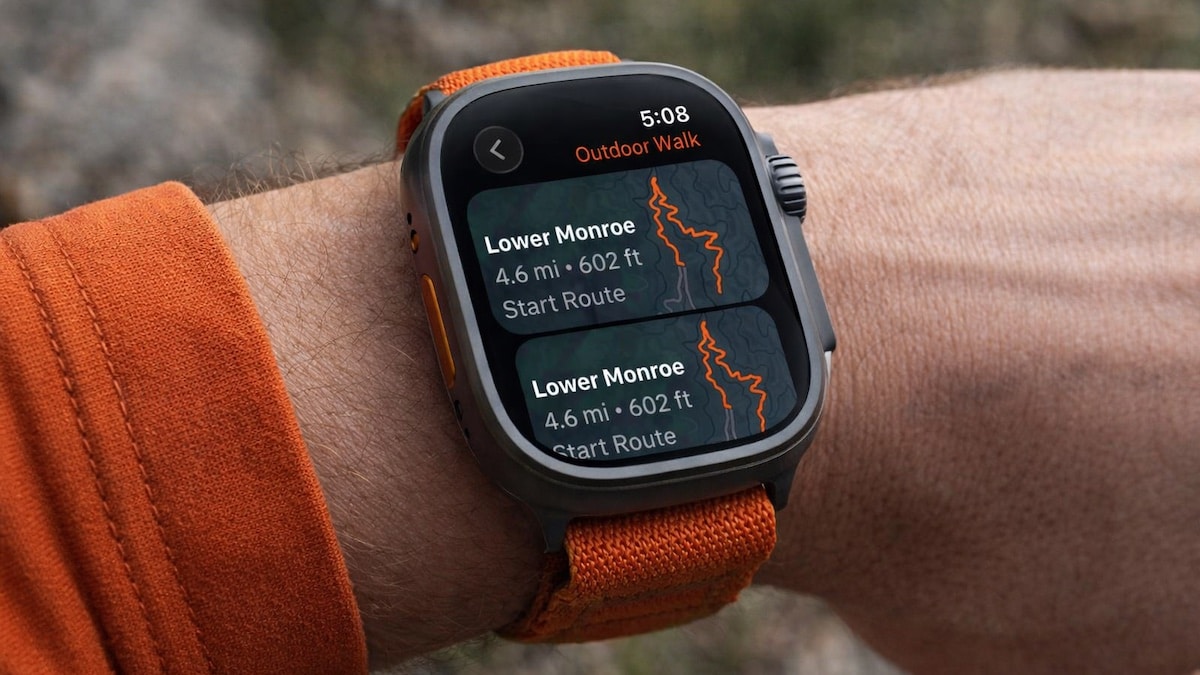
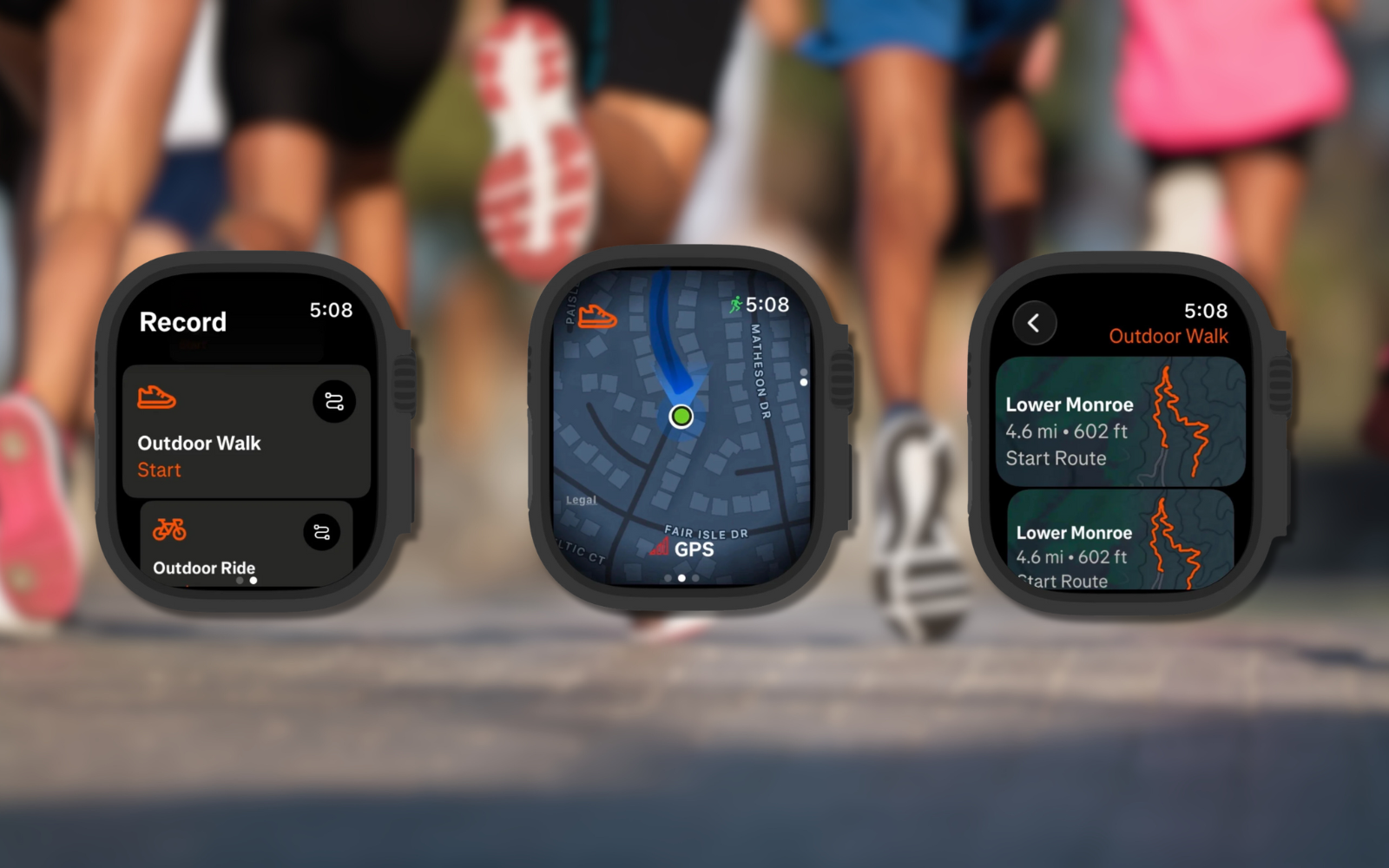
The January 2026 rollout of offline navigation capabilities to Apple Watch through Strava and Komoot represents a watershed moment in wearable technology adoption, with direct implications for cross-border e-commerce sellers across multiple product categories. Strava's implementation ($11.99/month or $79.99/year for paid subscribers) and Komoot's free-tier offering (with regional map unlocks) signal Apple's competitive push against dedicated sports watch manufacturers like Garmin, historically the category leader with 35% market share in outdoor navigation devices. This development addresses a critical product limitation that previously forced outdoor athletes to carry iPhones during activities—a friction point that suppressed Apple Watch adoption among serious endurance athletes.
Market Expansion Opportunity: The offline navigation feature directly addresses the Apple Watch Ultra's primary value proposition: functioning independently from an iPhone. Industry analysts project this capability could increase Apple Watch adoption among outdoor enthusiasts by 15-25% within 12 months, potentially adding 8-12 million new users to the ecosystem. For e-commerce sellers, this translates to expanded addressable markets in complementary product categories: sports watches bands and protective cases (estimated $340M annual cross-border market), outdoor apparel optimized for phone-free activities ($1.2B category), and fitness accessories like armbands, chest straps, and hydration packs designed for wearable-first athletes. Sellers currently focused on Garmin ecosystem products face competitive pressure as Apple Watch gains feature parity in navigation capabilities.
Subscription Model Implications: Strava's tiered pricing ($79.99/year premium) creates recurring revenue opportunities for sellers offering complementary services. The beta rollout (January 26, 2026) across both free and paid users indicates Strava's strategy to drive premium conversions through feature exclusivity. Komoot's regional unlock model (one-time map purchases) suggests emerging demand for location-specific digital products—a category where sellers can develop region-specific guides, trail databases, and offline content bundles. The 3-week development timeline for Komoot's customizable data pages indicates rapid feature iteration, signaling that early-mover sellers offering watch-optimized accessories will capture market share before competitors respond.
Technical Limitations Create Niche Opportunities: Battery consumption concerns (15% drain during 35-minute activities on Apple Watch Ultra 2) and slow refresh rates documented in beta testing reveal product gaps that third-party sellers can address. Extended battery solutions, specialized watch bands with integrated power banks, and optimized screen protectors designed for high-refresh navigation use represent emerging micro-categories. The absence of auto-rerouting in Strava (available in Garmin) and breadcrumb trail visualization creates demand for complementary apps and accessories that enhance navigation reliability—a $180-250M opportunity in the wearable software ecosystem. European sellers particularly benefit from Komoot's superior international coverage compared to Apple Maps' North America-only offline routing, positioning EU-based sellers to capture demand in underserved markets.
Questions 8
How does Apple Watch offline navigation impact sellers of sports watches and fitness accessories?
Apple Watch's new offline navigation capabilities directly compete with dedicated sports watches like Garmin, potentially shifting 15-25% of outdoor athlete purchases toward Apple's ecosystem within 12 months. This creates immediate opportunities for sellers offering Apple Watch-specific accessories: protective cases, sport bands, and screen protectors designed for navigation-heavy activities. Sellers previously focused exclusively on Garmin ecosystem products should diversify into Apple Watch categories to capture market share migration. The feature rollout (January 26-27, 2026) signals accelerating wearable adoption among serious athletes, expanding the total addressable market for outdoor fitness accessories from $3.2B to an estimated $3.8-4.1B globally.
Which product categories benefit most from the wearable-first fitness trend?
The offline navigation rollout drives demand across five primary categories: (1) Sports watch bands and cases ($340M cross-border market), (2) Outdoor apparel optimized for phone-free activities ($1.2B), (3) Hydration and nutrition accessories ($280M), (4) Extended battery solutions and power banks ($120M emerging category), and (5) Digital content and trail guides ($85M). European sellers particularly benefit from Komoot's superior international map coverage compared to Apple Maps' North America-only offline routing. Sellers should prioritize categories addressing technical limitations documented in beta testing: battery drain solutions, screen protectors for high-refresh navigation, and accessories enabling hands-free operation during activities.