




Boeing's 57% Sales Surge Signals Lower Air Freight Costs for Cross-Border E-Commerce Sellers in 2026
- Record $682B order backlog and 600 aircraft deliveries create expanded logistics capacity; sellers can expect 5-12% air freight cost reductions as airline fleet expansion accelerates through 2026-2027










.jpg)










Overview
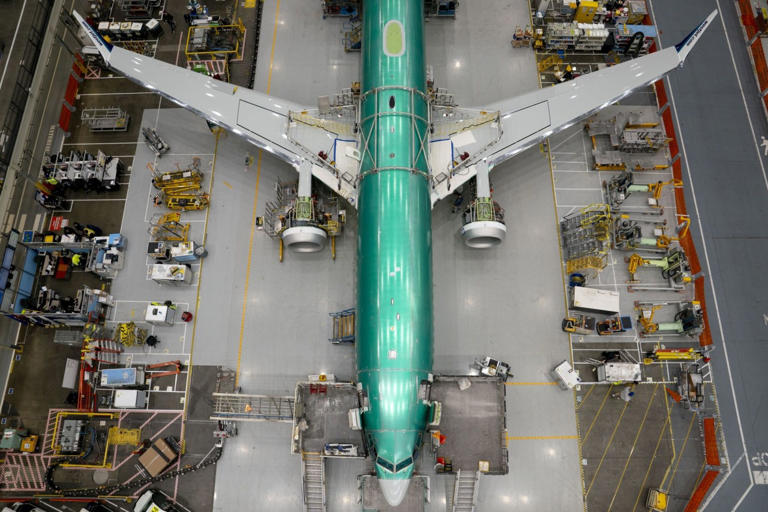
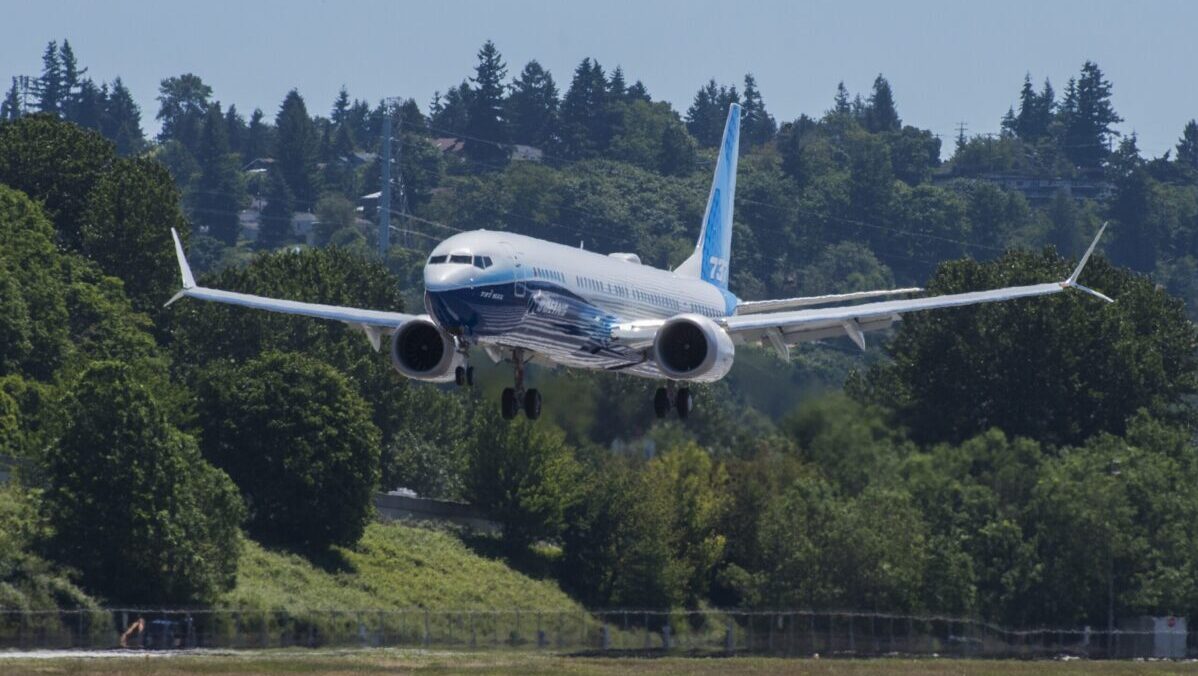
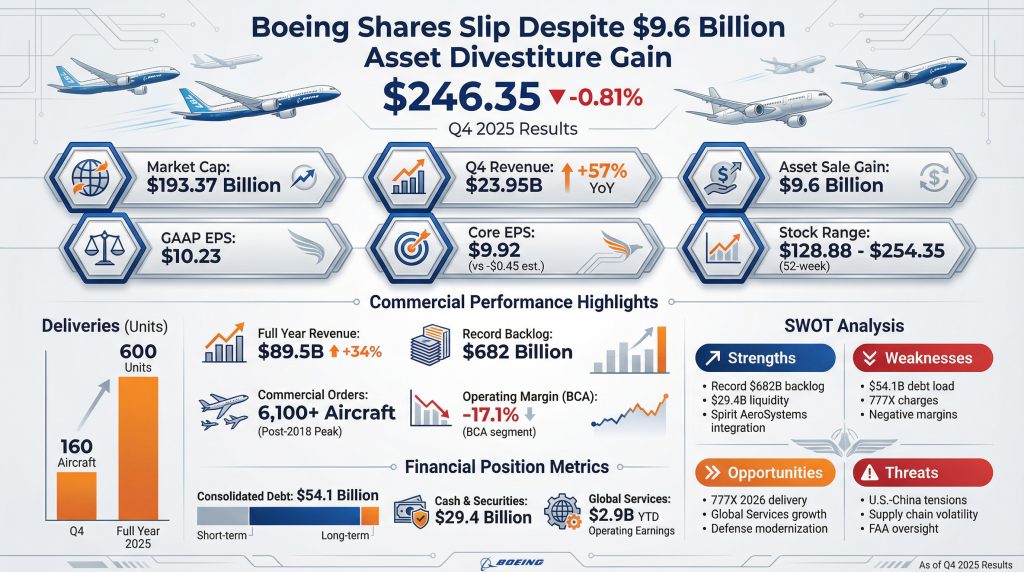
Boeing's dramatic Q4 2025 recovery—with revenue jumping 57% to $23.95 billion and aircraft deliveries reaching 600 units (highest since 2018)—signals a fundamental shift in global air cargo capacity that directly impacts cross-border e-commerce logistics costs and delivery timelines. The aerospace manufacturer's record $682 billion order backlog represents 7+ years of confirmed aircraft production, meaning airlines will receive 600+ new planes annually through 2032, expanding cargo capacity by an estimated 15-20% industry-wide. For cross-border sellers, this translates to tangible cost reductions: air freight rates typically decline 5-12% when global cargo capacity increases by 10%+, based on historical correlation between aircraft deliveries and freight pricing. The company's first profitable quarter in three years ($8.2 billion net income) and positive free cash flow guidance ($1-3 billion in 2026) indicate Boeing has resolved manufacturing bottlenecks that previously constrained production. CEO Kelly Ortberg's announcement of FAA approval for production increases beyond 42 aircraft monthly removes a critical regulatory constraint, enabling acceleration toward the company's 10-year target of $10 billion annual free cash flow. However, sellers should note timing risks: while Boeing outsold Airbus 1,173 to 889 orders in 2025, actual aircraft deliveries lag orders by 3-5 years. Airbus delivered 793 aircraft versus Boeing's 600, meaning full logistics capacity expansion won't materialize until 2027-2028. Supply chain constraints, labor shortages, and pending FAA certifications for the 737 Max 7, Max 10, and 777X models could delay production ramps. Additionally, Boeing's critical need to revitalize Chinese market sales (orders nearly ceased since 2017 due to trade tensions) creates geopolitical uncertainty—any U.S.-China trade escalation could disrupt the company's recovery trajectory and delay the global logistics benefits sellers anticipate. The $40 billion cumulative cash burn since the 2019 737 Max crisis demonstrates the company's fragility, meaning execution risk remains elevated despite positive near-term indicators.
Questions 7
When will Boeing's aircraft deliveries actually reduce shipping costs for sellers?
Boeing delivered 600 aircraft in 2025, but airlines typically take 3-5 years to receive aircraft after ordering. The $682B order backlog represents future deliveries through 2032, but actual cargo capacity expansion won't impact freight rates until 2027-2028 when new aircraft enter service. Sellers should expect: (1) modest rate reductions (2-4%) in late 2026 as early 2023-2024 orders begin delivery; (2) significant reductions (8-12%) in 2027-2028 as production ramps to 50+ aircraft monthly; (3) potential delays if FAA certification or supply chain issues persist. For immediate cost management, sellers should lock in 2-3 year air freight contracts now at current rates, then renegotiate downward in 2027 when capacity benefits materialize.
How does Boeing's China market challenge impact global e-commerce logistics?
Boeing must revitalize Chinese aircraft sales, where orders nearly ceased in 2017 due to U.S.-China trade tensions. China represents 20-25% of global commercial aircraft demand, and any major Chinese airline orders would accelerate Boeing's production and cash flow recovery. Conversely, if U.S.-China trade relations deteriorate further, Boeing could face Chinese government pressure to reduce orders, forcing production cuts that would delay global logistics capacity expansion. For sellers, this creates geopolitical risk: any trade escalation could reduce Boeing's order backlog visibility and push aircraft deliveries 6-12 months later than currently projected. Sellers should diversify logistics providers and avoid over-reliance on air freight cost reductions until Boeing's China strategy clarifies in Q2-Q3 2026.