



Media Control Escalates: Israel's Unprecedented Crackdown on Press Freedom
- Regulatory Weaponization Transforms Information Landscape for International Broadcasters



Overview
The Israeli government is executing a systematic transformation of media regulation that represents a profound shift in information control strategies. Unprecedented legislative actions are creating a regulatory environment where foreign media platforms face existential risks, fundamentally reshaping the boundaries of press freedom and governmental information management.
Regulatory weaponization emerges as the core strategy, with the government deploying legal mechanisms that allow near-total discretion in media suppression. The new legislative framework enables authorities to halt broadcasts, seize equipment, and block websites with minimal procedural constraints. Specifically, the Communications Minister can now shut down foreign broadcasters deemed security threats, with the Prime Minister's approval serving as the primary authorization mechanism.
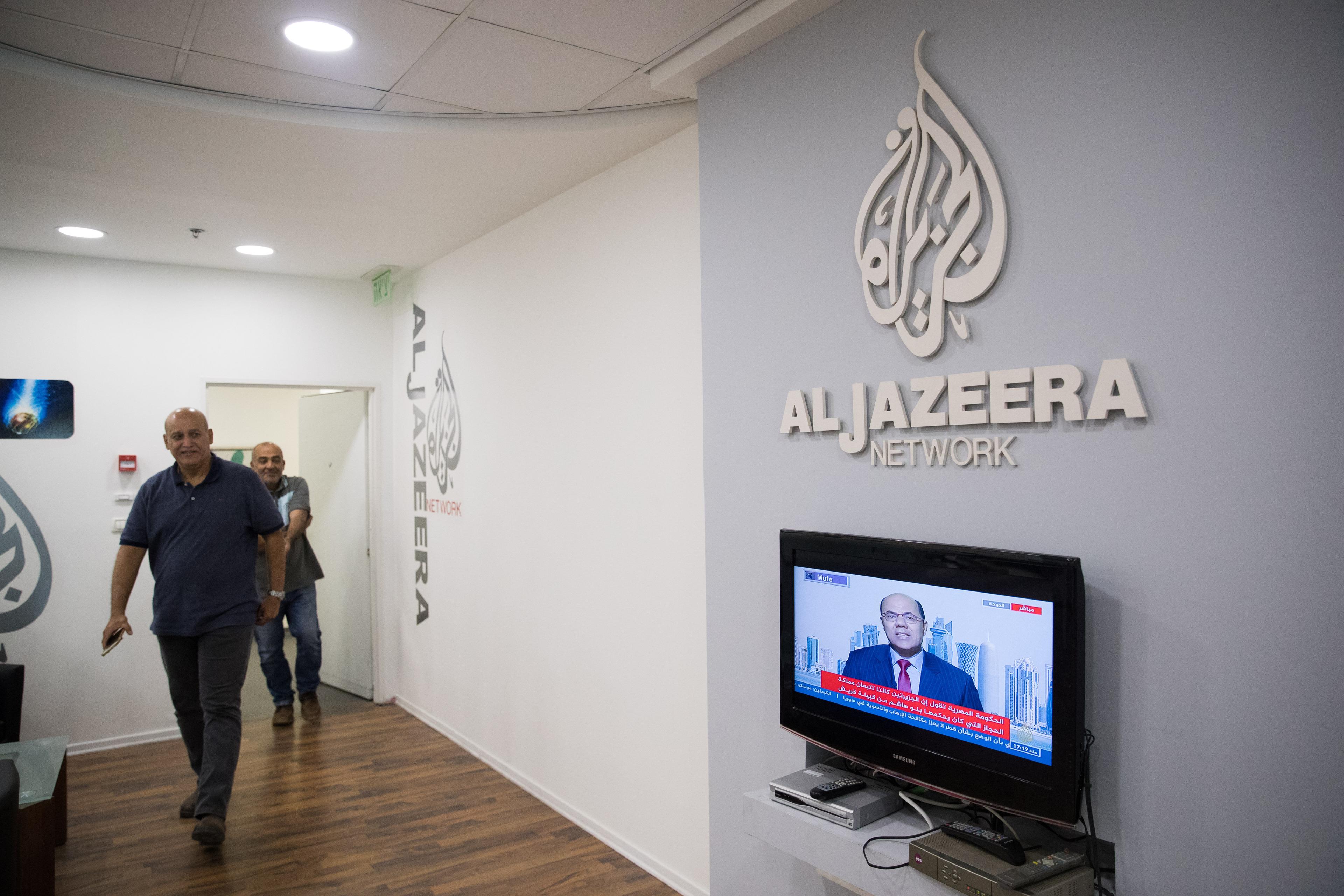
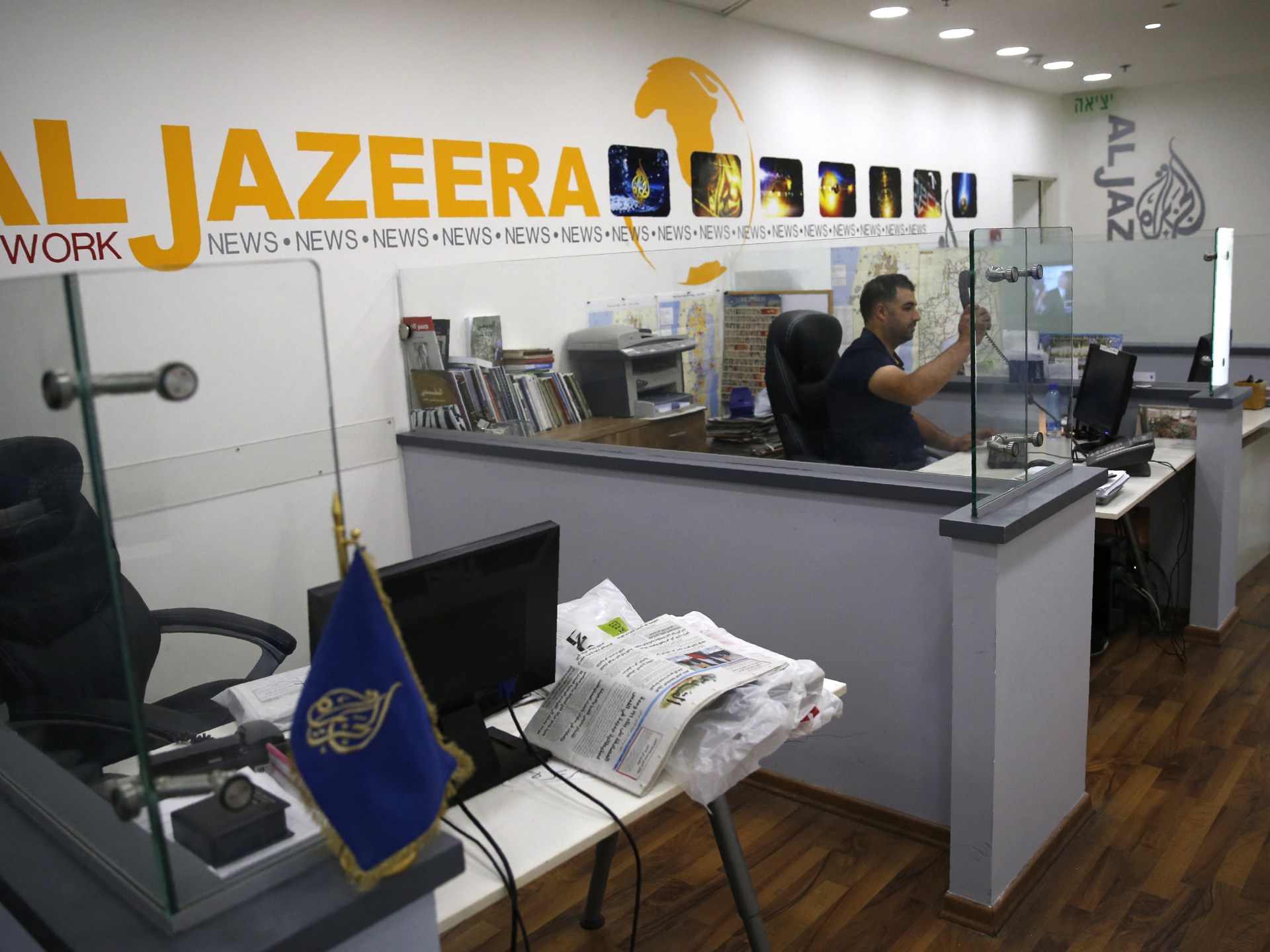
The strategic implications extend far beyond immediate media control. Israel's drop from 101st to 112th in global press freedom rankings signals a deliberate recalibration of information governance. By targeting outlets like Al Jazeera and The Associated Press, the government is not merely suppressing specific narratives but constructing a broader infrastructure of media regulation that can be selectively applied.
For international media organizations, these developments represent a significant regulatory risk. The law introduces operational disruptions through 90-day ban periods that can be arbitrarily extended, creating an environment of perpetual uncertainty. Cross-border communication platforms must now navigate an increasingly complex landscape where editorial independence can be summarily terminated under national security pretexts.
The broader context suggests this is more than a localized phenomenon—it represents a potential template for how governments might weaponize regulatory frameworks to control information flows during geopolitical tensions. The systematic approach to controlling narratives, particularly surrounding the Gaza conflict, indicates a strategic recalibration of media's role in national security discourse.
Questions 3
What are the broader implications of these media control measures?
These measures represent a potential global template for information control during geopolitical tensions. They signal a shift towards using regulatory frameworks as a tool for narrative management, potentially influencing how other governments might approach media regulation during conflicts.
How might these regulations impact international media organizations operating in Israel?
International media organizations face significant operational risks, including potential sudden shutdowns, equipment seizures, and website blockages. They must now navigate an unpredictable regulatory environment where editorial content can be deemed a 'security threat' with little recourse.