

Yemen's Prisoner Exchange Signals Diplomatic Breakthrough in Complex Regional Conflict
- Humanitarian negotiation opens potential pathway to regional stability amid long-standing tensions











Overview
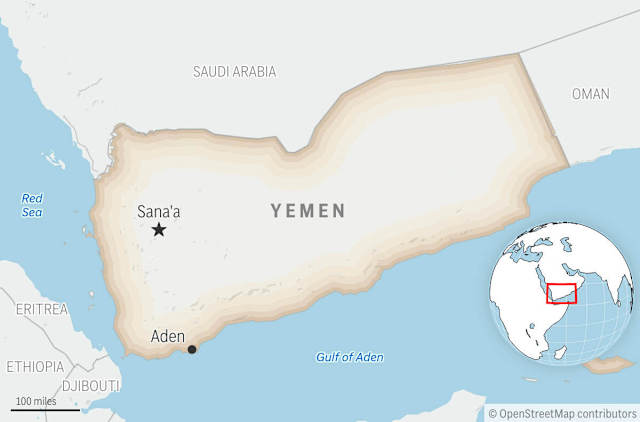
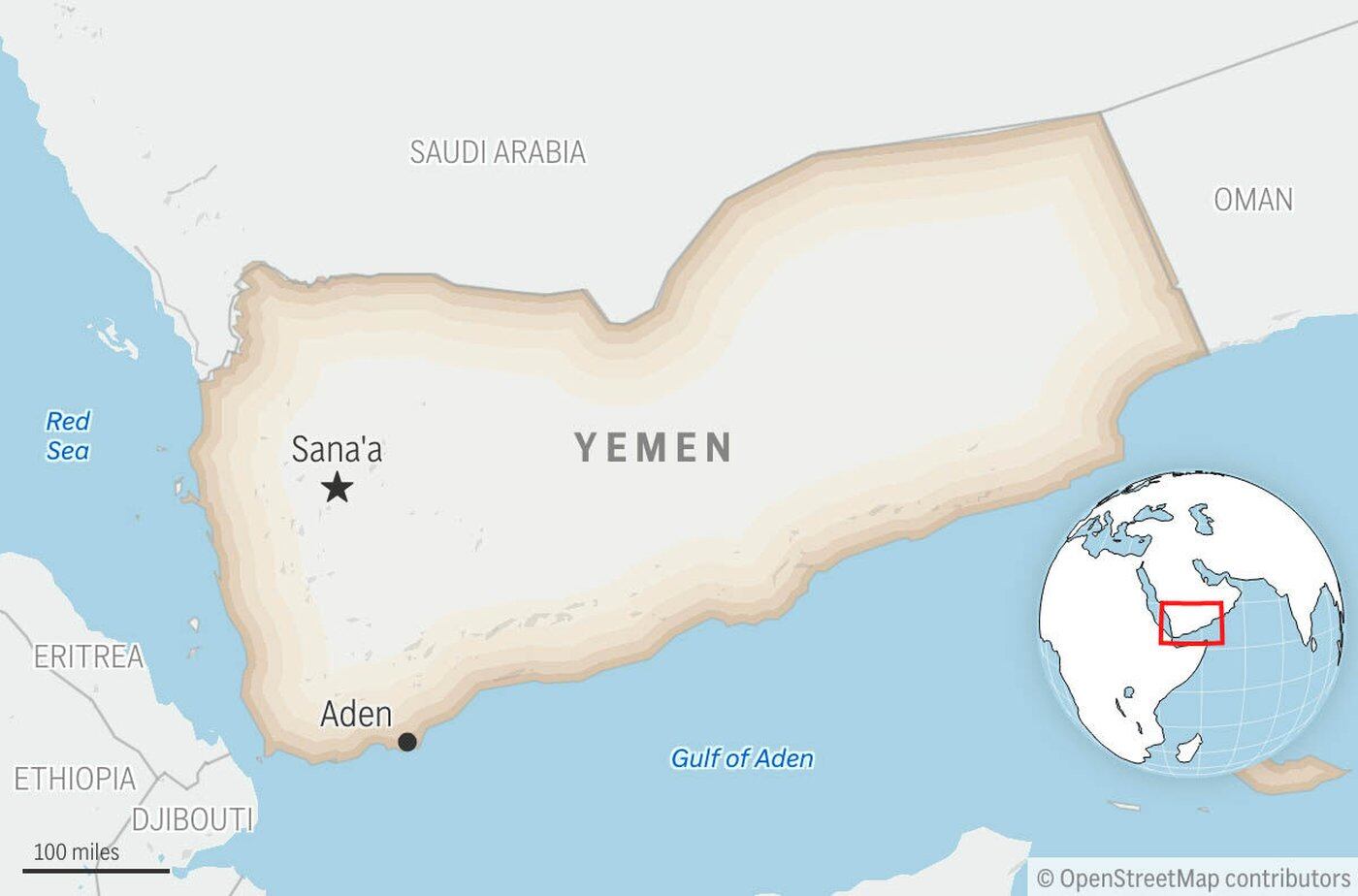
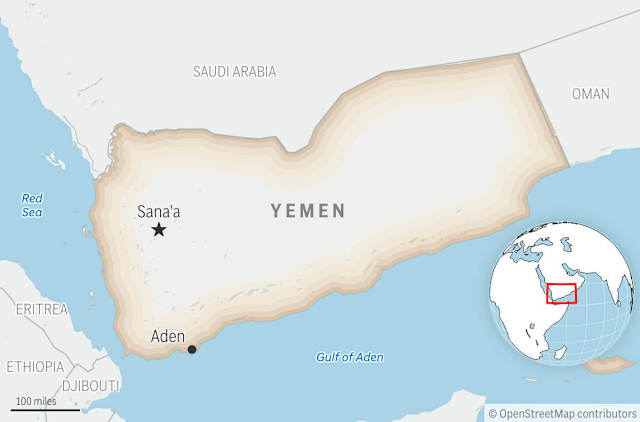
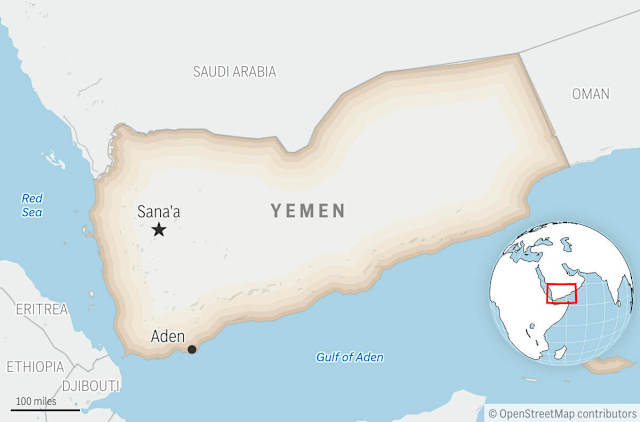
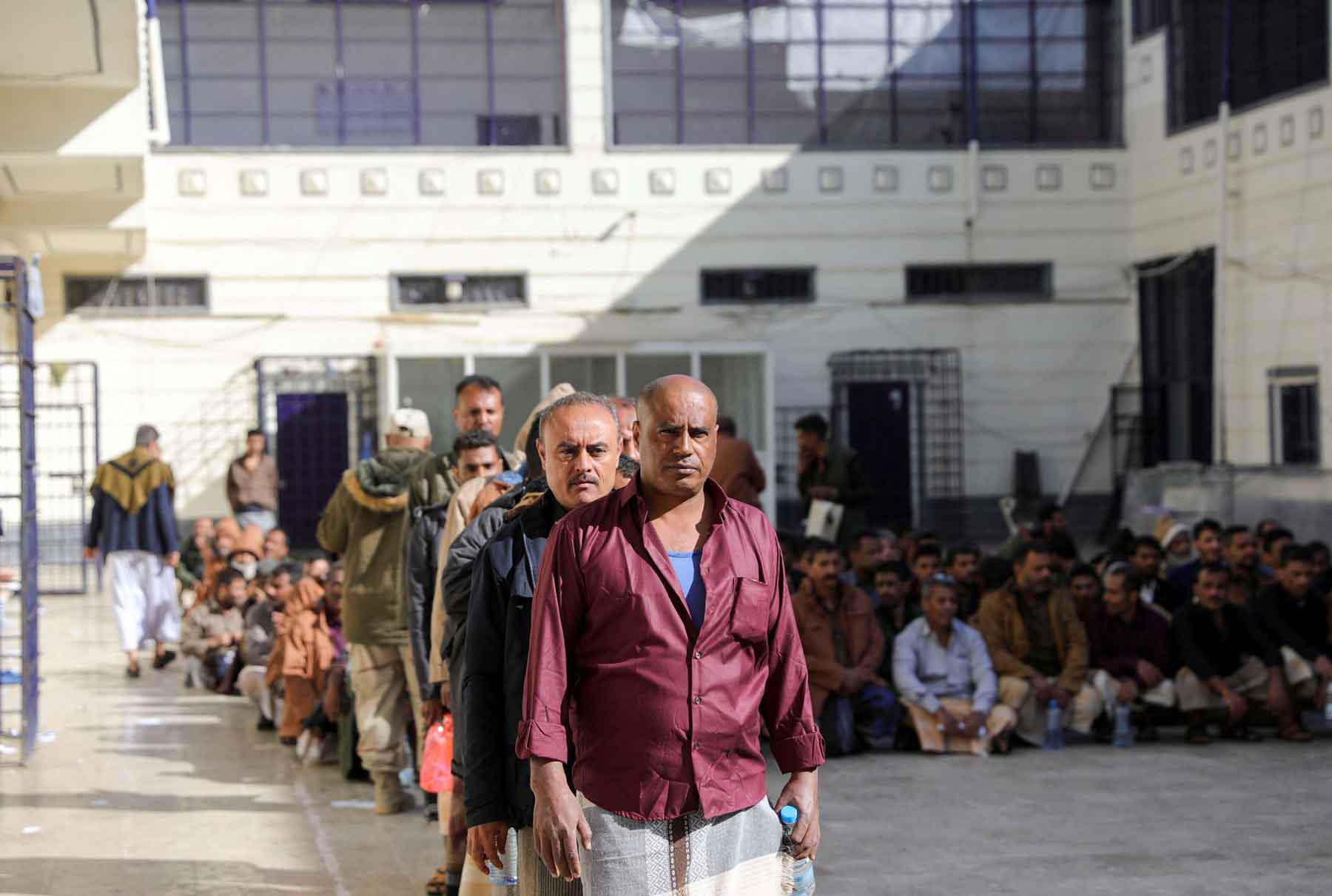
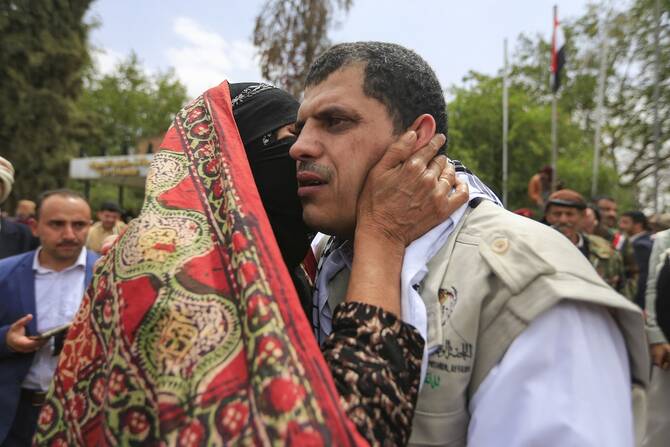
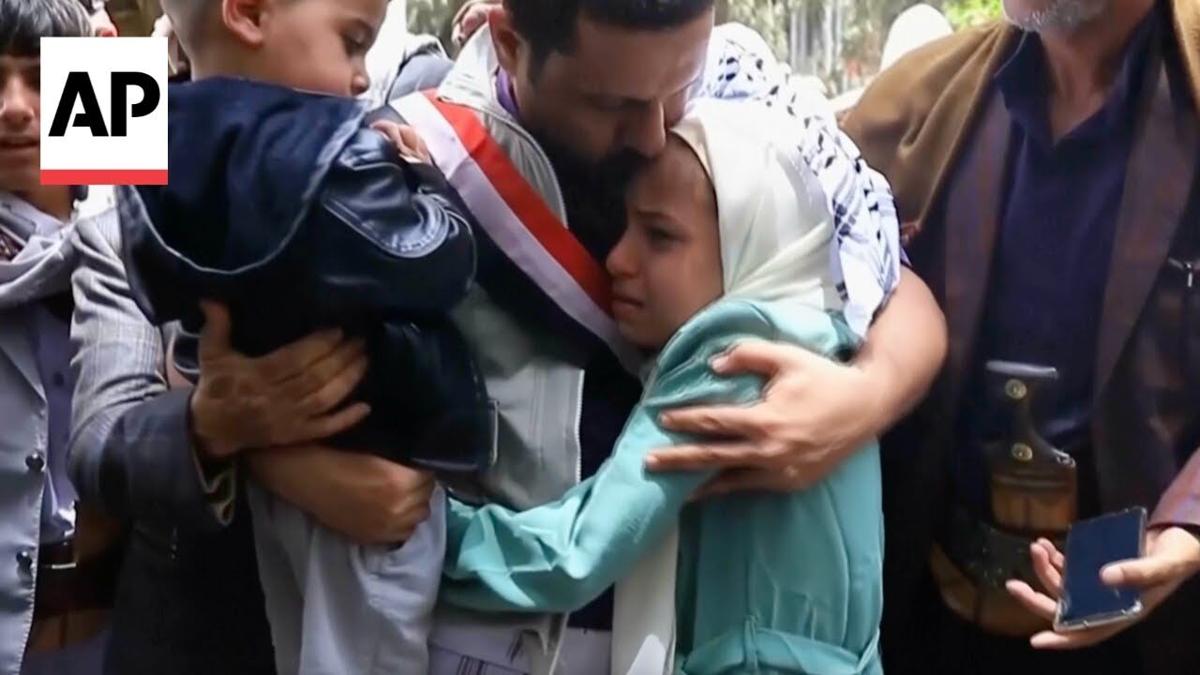
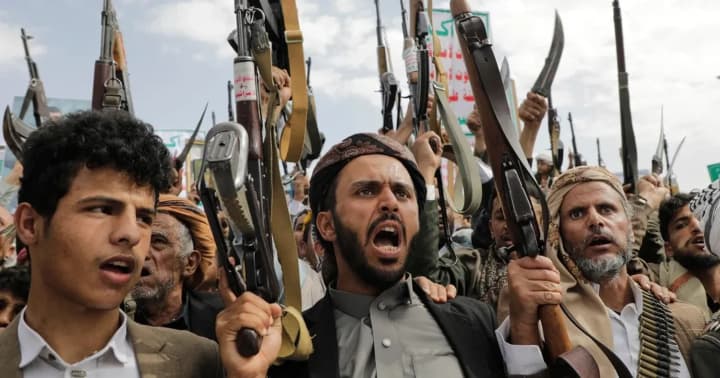
In a remarkable diplomatic development, Yemen's warring parties have orchestrated the largest prisoner exchange in the conflict's decade-long history, revealing subtle yet significant shifts in regional conflict resolution strategies. The unprecedented agreement to swap approximately 2,900 detainees represents more than a humanitarian gesture—it signals a nuanced diplomatic recalibration in one of the Middle East's most intractable conflicts.
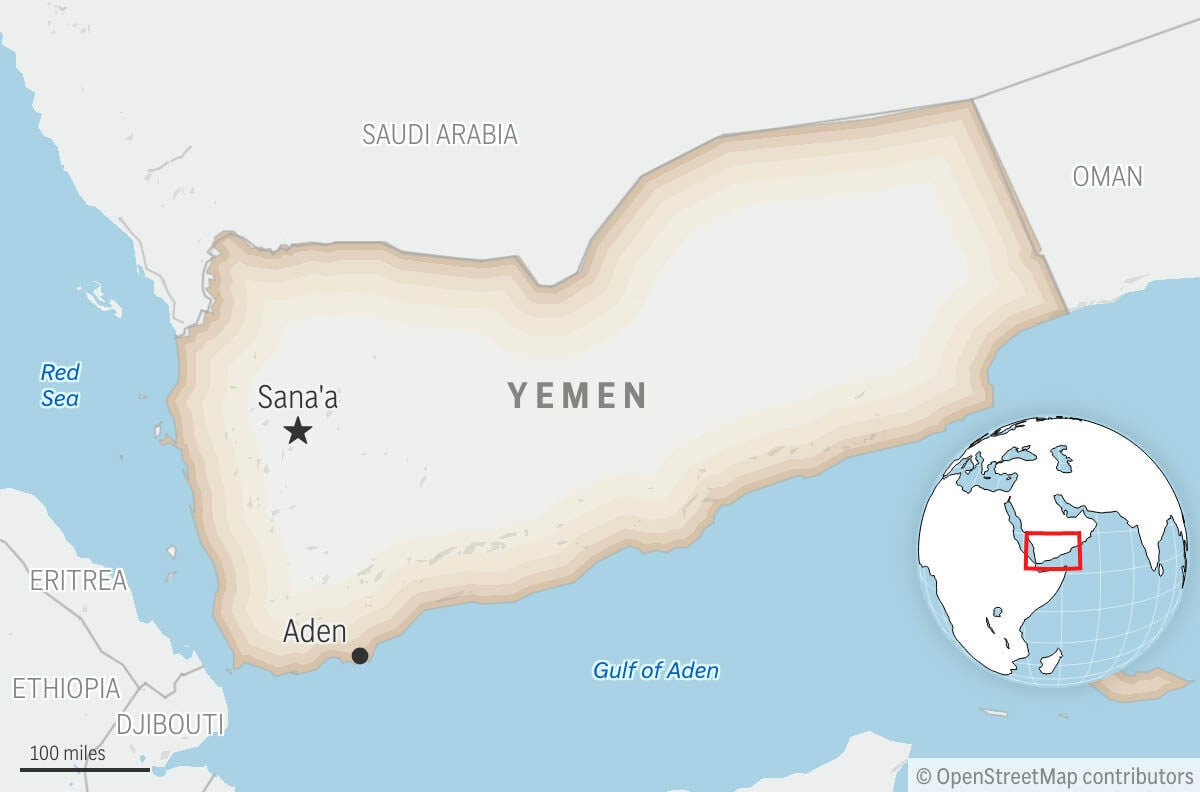
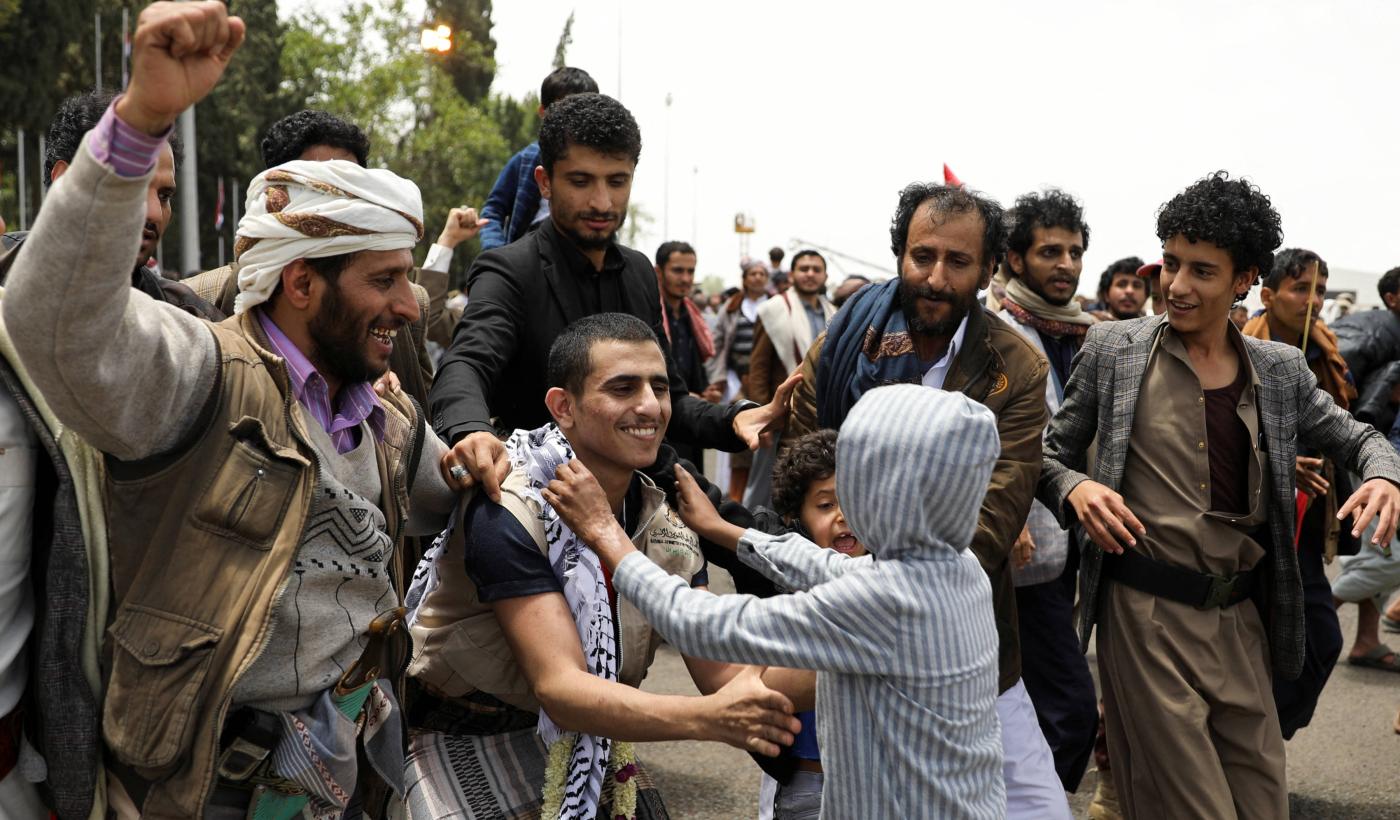
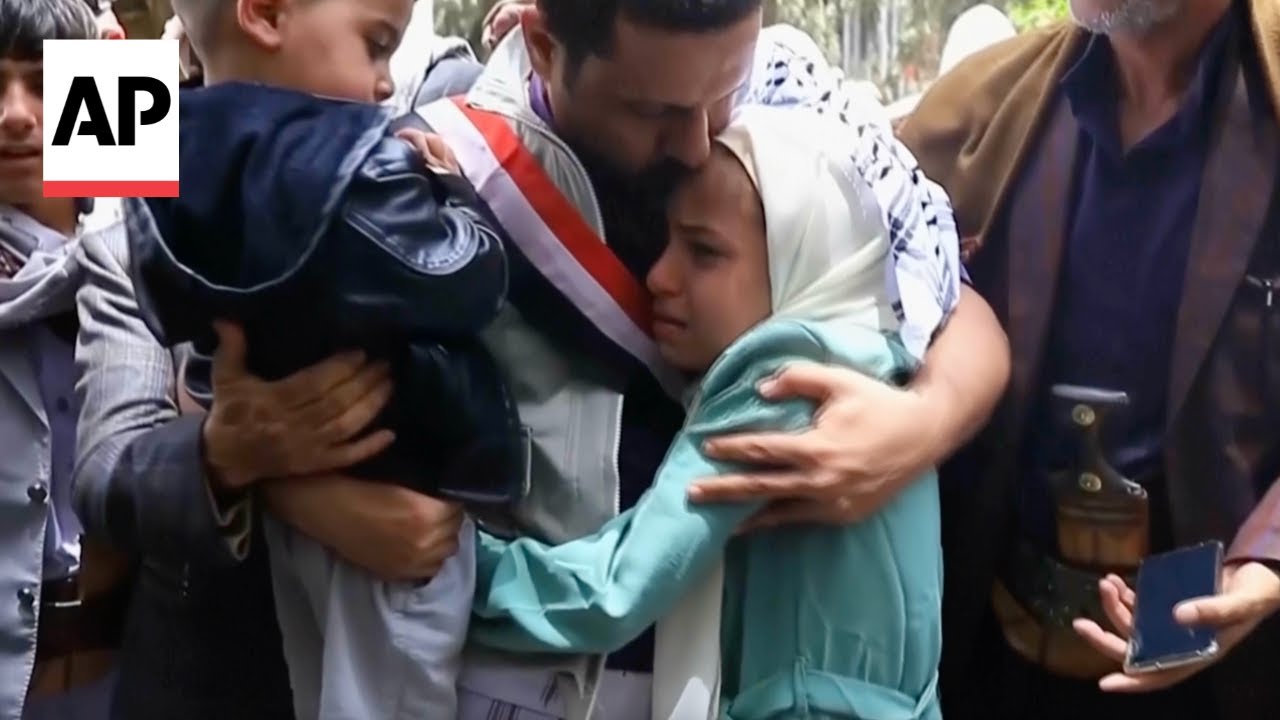
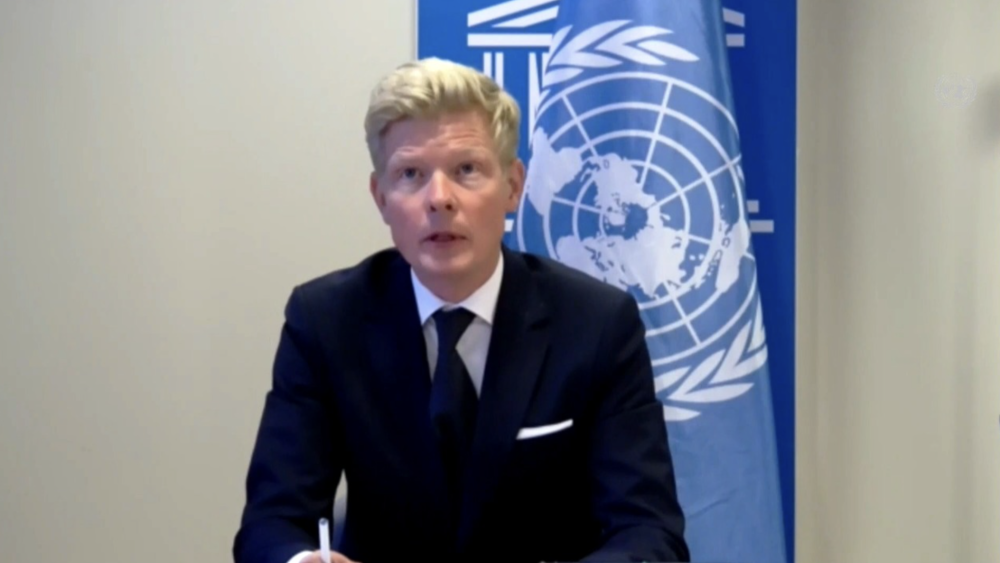
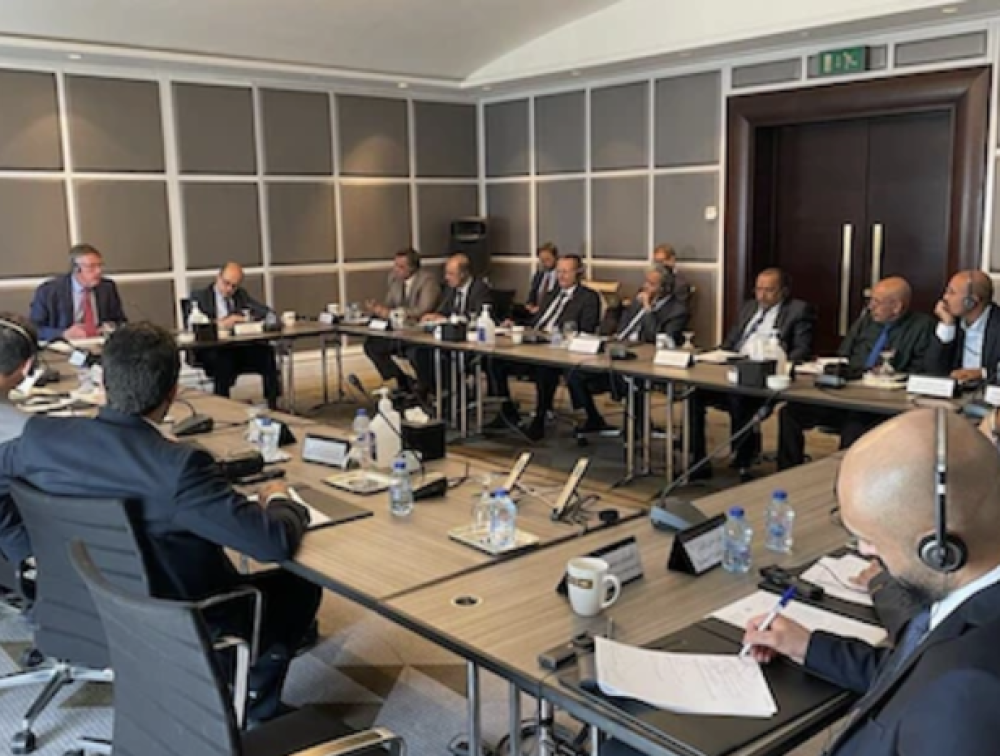
Strategic Diplomatic Breakthrough: The prisoner exchange, brokered under UN supervision in Muscat, Oman, involves a complex swap of 1,700 Houthi detainees and 1,200 prisoners, including seven Saudi nationals and 23 Sudanese captives. This meticulously negotiated deal transcends a simple prisoner transfer, functioning as a critical confidence-building mechanism in a region characterized by prolonged instability. The involvement of international mediators like UN special envoy Hans Grundberg and the International Committee of the Red Cross (ICRC) underscores the sophisticated diplomatic infrastructure required to facilitate such negotiations.
Humanitarian and Geopolitical Implications: The conflict, which has devastated Yemen since 2014 and resulted in an estimated 377,000 deaths, now shows potential for incremental de-escalation. By creating structured dialogue channels through prisoner exchanges, the involved parties demonstrate a pragmatic approach to conflict management. For cross-border businesses and humanitarian organizations, this development suggests marginally improved operational risks and a potential softening of regional tensions.
The exchange represents a rare positive diplomatic development in a context historically defined by intractable conflict. While not a comprehensive peace resolution, it illustrates the power of targeted humanitarian negotiations in creating diplomatic openings. International stakeholders should view this as a nuanced signal of potential regional stabilization, albeit through carefully managed, incremental steps.
Questions 3
What role did international organizations play in facilitating this exchange?
The UN special envoy and the International Committee of the Red Cross (ICRC) were crucial in mediating and supervising the prisoner exchange. Their involvement demonstrates the importance of neutral, international humanitarian organizations in managing complex regional conflicts.
How might this prisoner exchange impact regional stability?
While not a comprehensive peace solution, the exchange creates diplomatic channels and builds confidence between conflicting parties. It signals a potential softening of tensions and provides a framework for incremental conflict de-escalation in a historically volatile region.