




UK Inheritance Tax Reform: A Strategic Lifeline for Family Farms
- Policy Shift Preserves Agricultural Succession and Rural Economic Resilience
























Overview
The UK's recent inheritance tax policy transformation represents a critical inflection point for agricultural economic sustainability, revealing the intricate dance between political responsiveness and rural economic preservation. Inheritance tax thresholds for agricultural assets have been dramatically restructured, rising from £1 million to £2.5 million, effectively creating a strategic reprieve for family-owned farming enterprises.
Strategic Policy Recalibration: The government's U-turn signals a nuanced understanding of rural economic dynamics. Originally, the proposed tax would have impacted 375 agricultural estates, but the new policy reduces this to just 185 estates. This targeted intervention demonstrates a sophisticated approach to taxation—protecting smaller family farms while maintaining pressure on larger agricultural holdings.
The policy's most profound implication is its impact on generational business transfer. By allowing married couples to combine allowances and potentially protect estates up to £5 million, the government has created a robust mechanism for preserving agricultural businesses. The reduced tax rate of 20% (compared to the standard 40%) and a ten-year interest-free payment window further cushion the financial transition between generations.
Critically, this policy shift reveals deeper structural considerations. The 85% farm exemption from inheritance tax is not merely a financial concession but a strategic investment in rural economic stability. By reducing financial barriers to farm succession, the government is indirectly supporting agricultural continuity, food security, and rural community resilience.
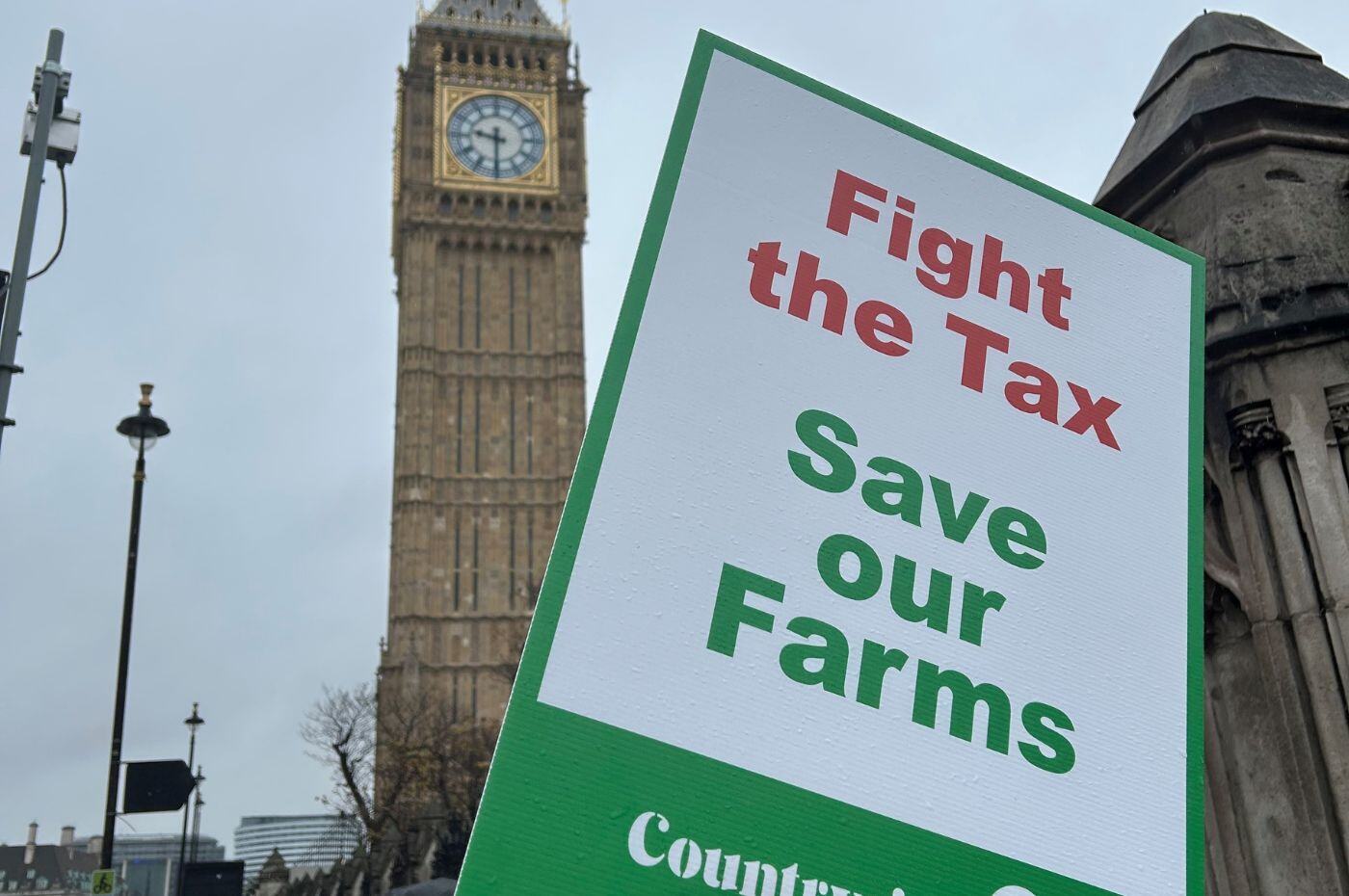
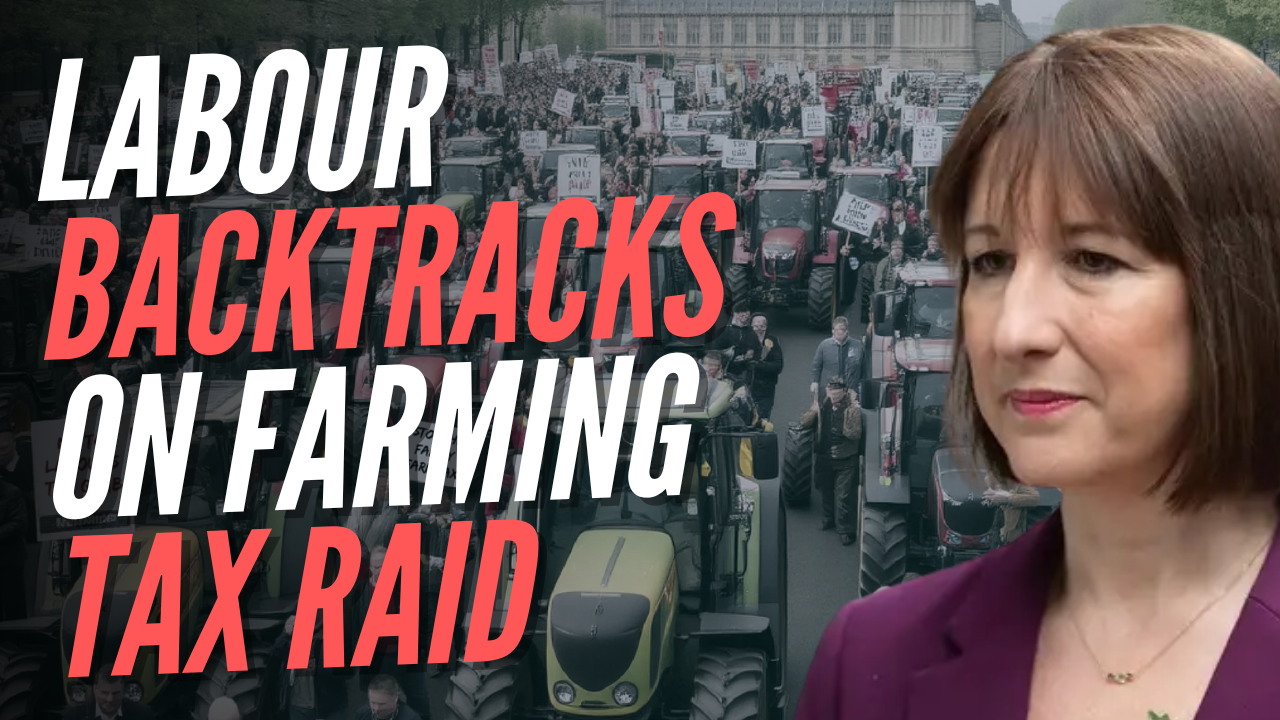
The timing and manner of this policy adjustment are equally significant. Emerging from intense farmer protests and sustained political pressure, the change reflects a responsive governance model where sector-specific stakeholders can meaningfully influence policy formation. This represents more than a tax adjustment—it's a signal of the government's commitment to supporting small and medium agricultural enterprises.
For agricultural entrepreneurs and rural business owners, this policy creates a strategic window of opportunity. The reduced tax burden and extended transfer mechanisms provide a clear incentive for long-term agricultural investment and generational business planning.
Questions 3
What motivated the government to change the inheritance tax policy?
Intense pressure from farmers, rural MPs, and agricultural communities highlighted the potential devastating impact of the original tax plan. The government recognized that the initial proposal could force land sales and disrupt generational farm ownership, leading to a strategic policy recalibration.
How does the new inheritance tax policy specifically benefit family farms?
The policy raises the inheritance tax threshold from £1 million to £2.5 million, effectively exempting 85% of farms from inheritance tax. Married couples can now combine allowances to protect estates up to £5 million, and farmers will pay a reduced 20% tax rate with a ten-year interest-free payment window.